

You might notice your Basset Hound scratching more than usual, shaking their head frequently, or developing that distinctive "doggy smell" that seems impossible to wash away. These behaviours often signal allergies, a condition that affects Basset Hounds more severely than many other breeds due to their unique physical characteristics.
for allergies in Basset Hounds, their anatomy works against them. Those adorable droopy ears and loose skin folds that give them their characteristic appearance also create perfect environments for trapping allergens, moisture, and bacteria. This means what might be a minor irritation for other breeds can quickly escalate into painful infections for your dog.
Understanding the four main allergy types
Research shows that Basset Hounds typically develop one or more of four distinct allergy types, each requiring different management approaches. Environmental allergies, also called atopy, represent the most common form, with dogs reacting to pollen, dust mites, mould, or other airborne particles that settle in their ear canals and skin folds.
Food allergies present differently, usually developing as sensitivities to specific proteins in commercial dog foods. Many Basset Hound owners discover these through elimination diets, finding their dogs react to common ingredients like chicken, beef, or wheat.
Flea allergy dermatitis strikes this breed particularly hard because fleas love hiding in skin folds, and even a single bite can trigger intense reactions. Contact allergies round out the quartet, developing when dogs react to shampoos, cleaning products, or even certain fabrics in their bedding.
Recognising allergy symptoms in your dog
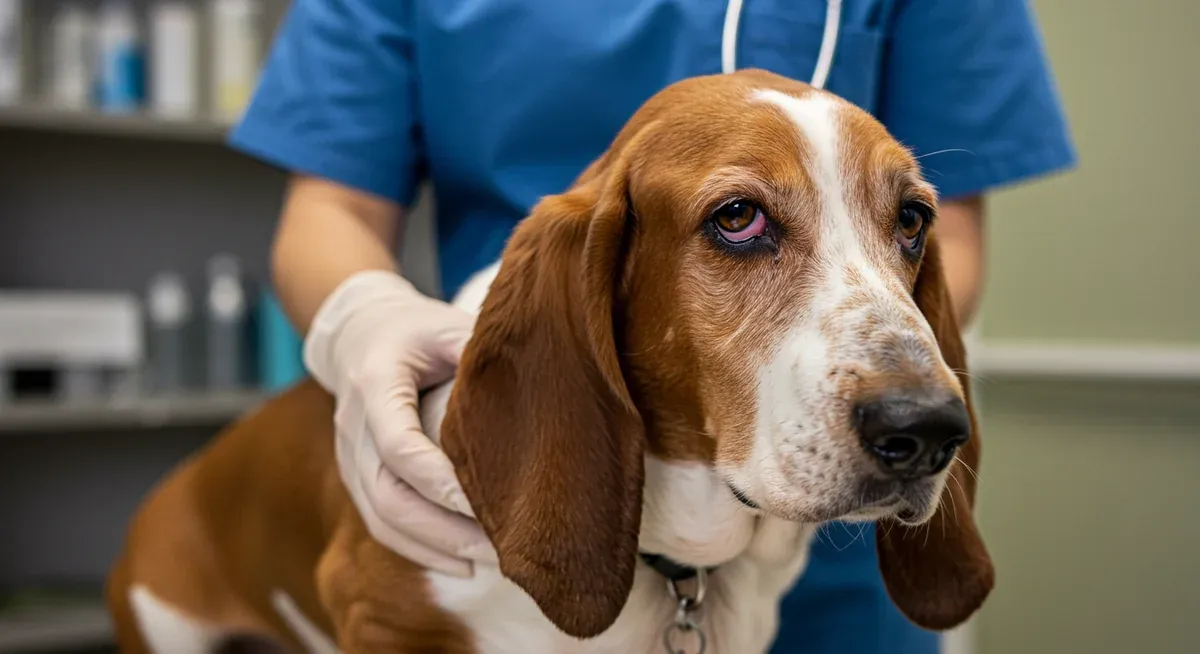
The first sign many owners notice is chronic ear infections that seem to return no matter how thoroughly they're treated. Your Basset Hound might shake their head constantly, scratch at their ears until they're raw, or develop a dark, waxy discharge with a distinct yeasty smell.
Skin symptoms often appear in predictable locations. Look for red, irritated patches in the facial folds, around the belly, between the toes, and in the "armpit" areas where skin rubs together. Hot spots, those angry red circles of inflamed skin, frequently develop from excessive licking and scratching.
Respiratory symptoms like watery eyes, sneezing, or reverse sneezing episodes often indicate environmental allergies. Some dogs develop a persistent cough or seem to breathe more heavily than usual, particularly during high pollen seasons.
Getting an accurate diagnosis
Sometimes the symptoms seem obvious, but proper veterinary diagnosis prevents months of treating the wrong condition. Your veterinarian will likely start with a thorough physical examination, checking for signs of secondary infections that commonly develop alongside allergies in this breed.
Allergy testing comes in two main forms: blood tests and intradermal skin tests. Blood tests offer convenience and work well for identifying environmental allergens, while skin tests provide more detailed information but require sedation. Many veterinarians recommend starting with blood work, particularly if multiple allergens are suspected.
Food allergy diagnosis requires a different approach entirely. Your veterinarian will likely recommend an elimination diet using a prescription hypoallergenic food for 8-12 weeks. This process requires patience, as you'll need to avoid all treats, flavoured medications, and table scraps during the trial period.
Effective treatment strategies that work
Modern allergy treatment has evolved significantly beyond the traditional antihistamine and steroid approach. Two newer medications, Apoquel and Cytopoint, have revolutionised allergy management for many Basset Hounds. Apoquel works within hours to reduce itching and inflammation, while Cytopoint provides relief for 4-8 weeks with a single injection.
These medications cost between $50-100 per month but offer substantial advantages over steroids, particularly for long-term management. Many owners report seeing dramatic improvement within the first week of treatment, with dogs sleeping better and showing renewed interest in activities they'd avoided due to discomfort.
Immunotherapy, sometimes called allergy shots, represents the closest thing to a cure for environmental allergies. This treatment involves regular injections of gradually increasing concentrations of identified allergens, essentially training your dog's immune system to tolerate them. Success rates vary, but many dogs show significant improvement within 6-12 months.
Essential home care and prevention
Regular bathing becomes crucial for managing allergies in Basset Hounds, but the frequency and products matter enormously. Bathing every 4-6 weeks with hypoallergenic or medicated shampoos helps remove environmental allergens before they penetrate the skin. Oatmeal-based shampoos like Earthbath Oatmeal & Aloe provide gentle relief, while antifungal options help prevent secondary yeast infections.
Daily ear cleaning transforms from optional grooming to medical necessity. Products like Zymox Ear Cleanser or Vet's Best Ear Relief Wash contain antibacterial and antifungal properties that prevent the infections that commonly develop in allergic dogs. The key is consistency rather than intensity, gentle daily cleaning prevents more problems than aggressive weekly sessions.
Environmental control makes a measurable difference for many dogs. HEPA air purifiers like the Levoit Core 300 or Honeywell HPA300 remove airborne allergens from your home's environment. Position these units in rooms where your dog spends the most time, particularly sleeping areas.
Managing skin folds and preventing complications
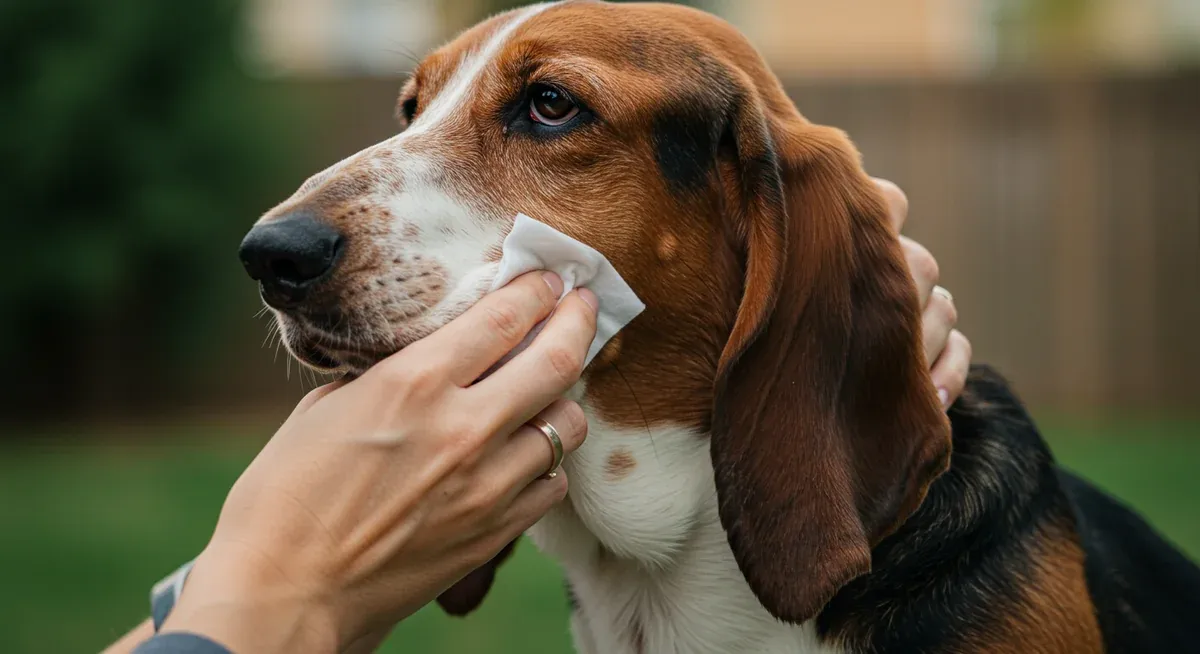
Those characteristic skin folds require special attention in allergic Basset Hounds. Daily wiping and thorough drying prevent the moisture buildup that leads to bacterial and yeast overgrowth. Use unscented baby wipes or veterinary-approved cleansing wipes, followed by complete drying with a clean towel.
Weight management plays a crucial role that many owners overlook. Overweight dogs develop deeper skin folds and more areas where moisture and allergens accumulate. Even a few extra kilograms can significantly worsen allergy symptoms by creating additional problem areas.
Watch for signs that home management isn't sufficient. Foul odours, discharge, swelling, or areas that remain red despite cleaning indicate secondary infections requiring veterinary treatment. These complications can develop quickly in allergic dogs, so early intervention prevents more serious problems.
When professional help becomes necessary
Certain symptoms demand immediate veterinary attention regardless of your home management efforts. Difficulty breathing, facial swelling, or sudden onset of severe symptoms might indicate a serious allergic reaction requiring emergency treatment.
Persistent symptoms that worsen despite consistent care suggest the need for prescription medications or more intensive treatment. Many owners try home remedies for weeks before seeking help, but early veterinary intervention often provides faster relief and prevents complications.
Behavioural changes like loss of appetite, reluctance to exercise, or personality shifts often indicate that allergies are significantly impacting your dog's quality of life. These signs suggest it's time to explore more aggressive treatment options, including the newer medications or immunotherapy protocols that can provide long-term relief.
Managing allergies in Basset Hounds requires understanding their unique vulnerabilities while taking advantage of modern treatment options. With consistent care and appropriate veterinary support, most allergic dogs can return to comfortable, active lives. The key lies in recognising symptoms early, maintaining consistent preventive care, and working closely with your veterinarian to develop a complete management plan tailored to your dog's specific needs.


