

Understanding your Cairn Terrier's lifespan expectations
When you bring home a Cairn Terrier puppy, you're likely looking at 12 to 15 wonderful years together. Many of these hardy little dogs actually exceed expectations, living comfortably into their 16th or 17th year when given proper care and attention to their health needs.
The longevity of Cairn Terriers stems partly from their size. At 10-11 inches tall and weighing between 13-16 pounds, they fall into the small breed category that research consistently shows tends to live longer than larger dogs. Their sturdy, resilient nature also works in their favour, though like all breeds, they face specific health challenges that can impact both lifespan and quality of life.
What makes the difference between a dog that lives to 12 versus one that thrives at 16? Often, it comes down to early detection of breed-specific conditions, consistent preventive care, and understanding what to watch for as your dog ages.
Critical early health screening for puppies
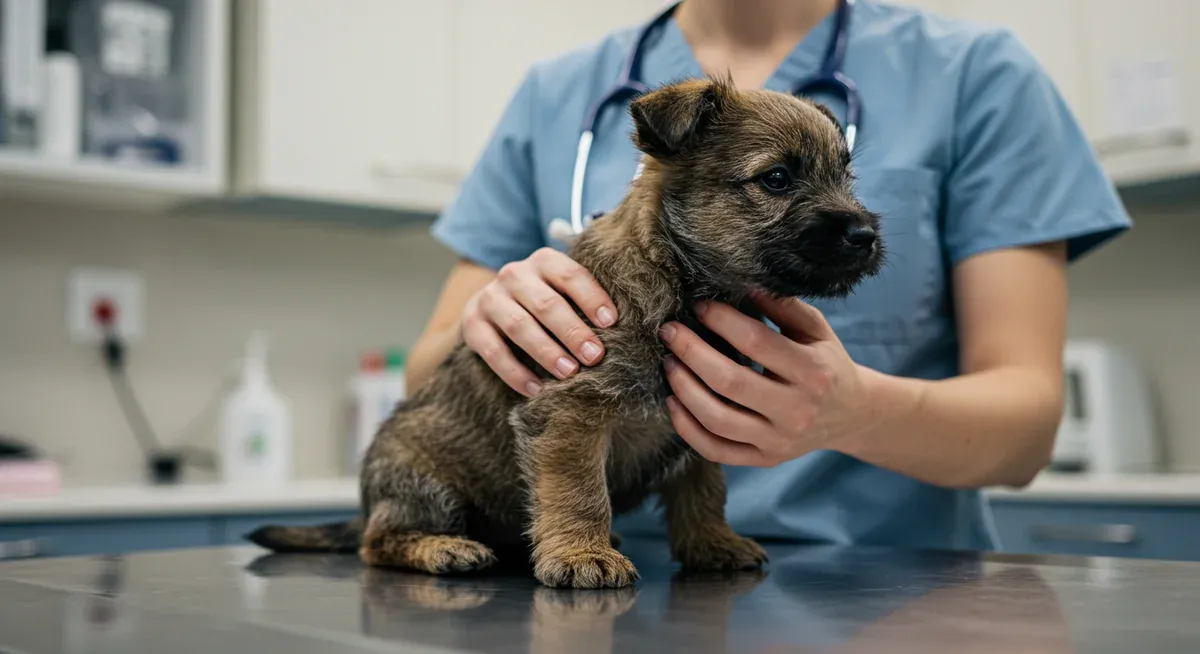
Before you even bring your Cairn Terrier puppy home, there's one crucial health screening that could determine their entire life trajectory. Porto-systemic shunt (PSS) represents the most serious hereditary condition affecting these dogs, involving abnormal blood flow that bypasses the liver and allows toxins to build up in the system.
The challenge with PSS lies in its detection. No genetic test currently exists, making early screening essential. Reputable breeders should perform bile acid testing at around 6 weeks of age to ensure healthy liver function. If you're considering a puppy, ask specifically about this testing. Untreated PSS can severely shorten lifespan and cause neurological symptoms including seizures and disorientation.
Watch for early warning signs in young dogs: stunted growth compared to littermates, poor appetite, or any neurological symptoms like confusion or seizures. These symptoms warrant immediate veterinary attention, as early intervention can make the difference between a normal lifespan and serious complications.
Dental health impacts on longevity
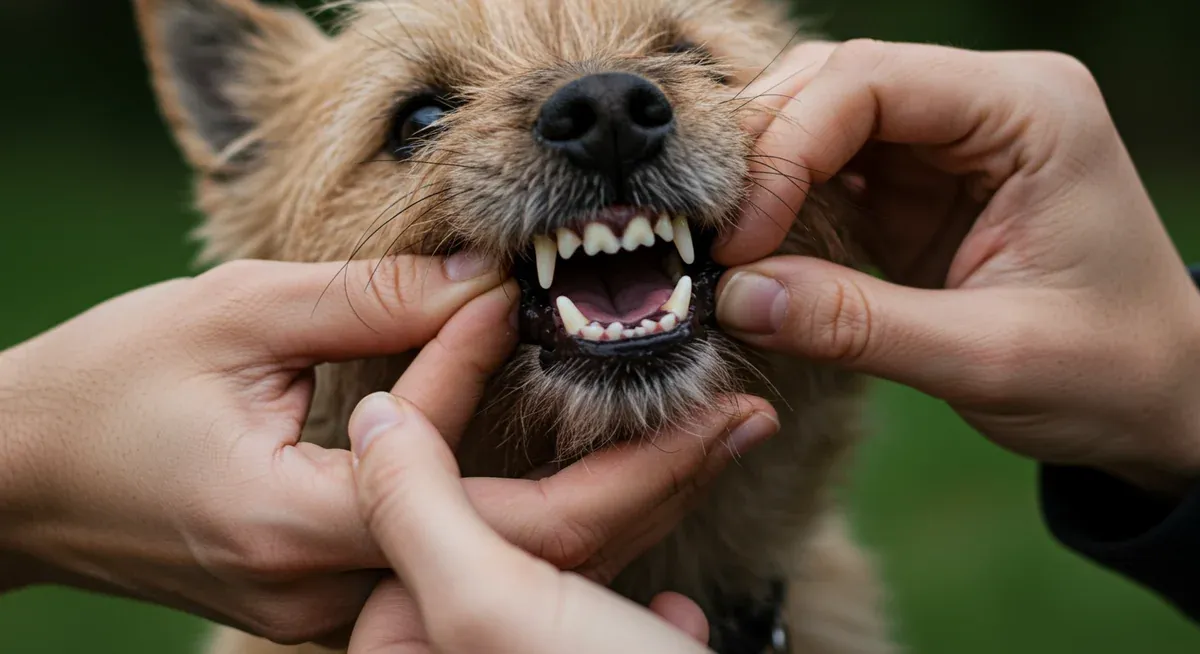
Many Cairn Terrier owners are surprised to learn that dental disease can begin affecting their dogs as early as 2 years old. What starts as simple tartar buildup quickly progresses to gum infection and tooth loss if left untreated. More concerning, dental disease doesn't stay confined to the mouth.
Research shows that untreated dental problems contribute to systemic issues affecting the kidneys, liver, and heart. The bacteria from infected gums enter the bloodstream, creating a cascade of health problems that can significantly shorten your dog's life.
Daily tooth brushing with canine toothpaste like Virbac C.E.T. enzymatic toothpaste makes an enormous difference. Dental chews such as Greenies or CET chews help between brushings, though they can't replace regular brushing. Professional cleanings as recommended by your vet become increasingly important as your dog ages.
Managing weight and mobility through the years
Cairn Terriers can be surprisingly prone to obesity, especially if they're overfed or under-exercised. Extra weight doesn't just make them less comfortable. It actively reduces lifespan by increasing the risk of diabetes and putting additional stress on joints that may already be vulnerable to conditions like Legg-Calve-Perthes disease.
Legg-Calve-Perthes affects the hip joint, causing degeneration of the femoral head that leads to pain and lameness. Early signs include limping or reluctance to move, particularly after rest. While this condition requires veterinary diagnosis and sometimes surgery, maintaining proper weight reduces stress on affected joints and improves outcomes.
These active little dogs need daily physical and mental stimulation to stay healthy. A consistent exercise routine helps maintain muscle tone and joint flexibility well into their senior years. For older dogs showing signs of arthritis, supplements containing glucosamine and chondroitin, such as Dasuquin or Cosequin, can provide valuable joint support.
Recognising age-related changes
As your dog moves into their senior years, typically around 8-10 years old, you'll want to become more observant about subtle changes. Reduced mobility or occasional limping might indicate developing arthritis or other orthopedic conditions. Changes in appetite or weight can signal metabolic or systemic illness that's easier to treat when caught early.
Behavioural changes often provide the first clues about health issues. Increased lethargy, confusion, or disorientation may suggest cognitive decline, while increased thirst or urination could indicate diabetes or kidney problems. Poor coat condition or new skin problems sometimes reflect nutritional deficiencies or developing allergies.
The key lies in knowing your individual dog's normal patterns. Some dogs naturally slow down more than others, but significant changes from their usual behaviour warrant veterinary attention.
Preventive care that makes a difference
Regular veterinary examinations become increasingly valuable as your Cairn Terrier ages. Annual checkups for younger dogs should transition to biannual visits for seniors, allowing for earlier detection of age-related diseases and monitoring of ongoing conditions.
High-quality nutrition tailored to life stage makes a measurable difference. Brands like Royal Canin or Hill's Science Diet offer formulations specifically designed for small breeds and senior dogs, addressing their unique metabolic needs. Keeping vaccinations current and maintaining parasite control protects against infectious diseases that can be particularly serious in older dogs.
Weight management remains crucial throughout their lives. These dogs should maintain a lean body condition where you can easily feel their ribs without excess fat covering. Regular exercise adapted to their age and mobility level helps preserve muscle mass and joint function.
When professional help is needed
Certain symptoms always warrant immediate veterinary attention. Vomiting, diarrhoea, persistent lethargy, limping, seizures, or significant behavioural changes can indicate serious conditions that respond better to early treatment.
Dental issues like bad breath, bleeding gums, or difficulty eating shouldn't wait for the next routine appointment. These problems progress quickly and can impact overall health more than many owners realise.
For puppies, any symptoms suggestive of PSS, including neurological signs, poor growth, or appetite problems, require urgent evaluation. Early intervention can sometimes manage this condition effectively, while delayed treatment often leads to irreversible complications.
By understanding these breed-specific health considerations and maintaining proactive care throughout your dog's life, you're giving them the best chance at reaching the upper end of their lifespan while maintaining good quality of life. Many owners find that the investment in preventive care and early intervention pays dividends in extra healthy years with their beloved companion.


