

Understanding hip dysplasia in smaller breeds
Many Cavoodle owners assume their dogs are safe from hip dysplasia because of their size. This common misconception can delay important preventive care. While hip dysplasia affects 15.56% of dogs overall, the condition doesn't discriminate based on size alone.
The genetic component matters more than weight when it comes to your dog's risk. Miniature Poodles carry a known predisposition to hip dysplasia, and this risk passes to their crossbred offspring. Your Cavoodle's compact frame does reduce mechanical stress on the joints compared to larger breeds, but it doesn't eliminate the possibility of malformed hip sockets.
Research shows that environmental factors like diet, exercise patterns, and growth rate significantly influence whether a genetic predisposition becomes a clinical problem. This means owners have considerable control over their dog's joint health outcomes.
Recognising the early warning signs
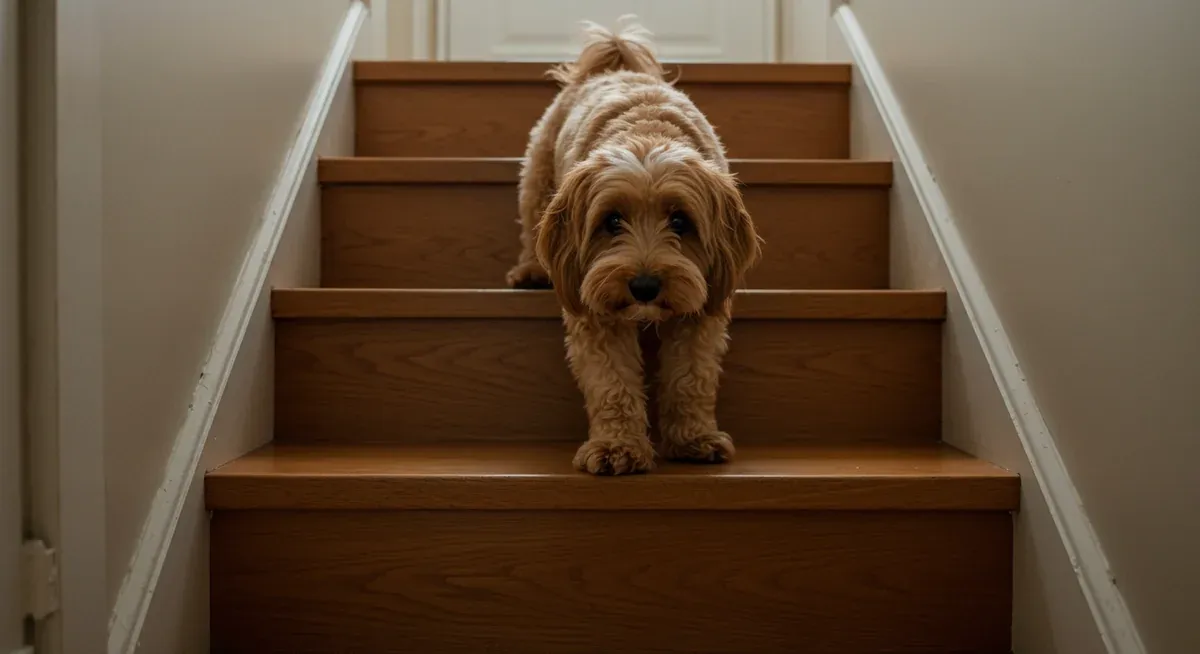
Hip dysplasia symptoms often develop gradually, making them easy to dismiss as normal ageing or temporary stiffness. You might notice your dog taking longer to get up from lying down, especially after naps or overnight rest. This stiffness typically improves with gentle movement but returns after periods of inactivity.
Watch for changes in your dog's enthusiasm for activities they previously enjoyed. A Cavoodle that suddenly shows reluctance to climb stairs, jump onto furniture, or play fetch may be experiencing joint discomfort. The classic "bunny-hopping" gait, where both hind legs move together rather than alternating, is another telltale sign.
Some dogs develop audible joint sounds, clicking or popping noises when they move. While not always painful, these sounds indicate structural changes in the hip joint that warrant veterinary evaluation. Muscle atrophy in the hind legs can occur as dogs unconsciously shift weight away from uncomfortable joints.
Screening and diagnosis options
Radiographic evaluation remains the gold standard for diagnosing hip dysplasia. The Orthopedic Foundation for Animals offers screening programs that evaluate hip joint formation and assign scores based on the degree of dysplasia present.
The optimal screening age falls between 12-24 months, when hip joint development is complete. Earlier screening may miss late-developing changes, while later screening delays intervention opportunities. Your veterinarian can determine the best timing based on your dog's individual development and any symptoms present.
Some owners choose preliminary screening around 16 weeks of age using the PennHIP method, which can identify dogs at risk before permanent changes occur. This early detection allows for more aggressive prevention strategies during the critical growth period.
Prevention strategies that work

Weight management provides the most significant impact on joint health outcomes. Even a small amount of excess weight dramatically increases the forces acting on hip joints during movement. Maintaining your dog within the ideal weight range reduces both the risk of developing dysplasia and the severity of symptoms if it does occur.
Exercise selection matters more than exercise quantity for growing dogs. High-impact activities like jumping, sudden direction changes, and rough play can stress developing joints. Swimming provides excellent muscle development without joint stress, making it ideal for dogs with genetic predisposition to hip problems.
Nutritional support through joint supplements shows promise in prevention protocols. Glucosamine and chondroitin supplements, often combined with ASU (avocado soybean unsaponifiables), support cartilage health. Green-lipped mussel extract provides omega-3 fatty acids in forms particularly beneficial for joint function.
Treatment approaches and costs
Conservative management forms the foundation of most treatment plans. Weight control combined with controlled exercise often provides significant symptom relief. Low-impact activities like walking on soft surfaces, swimming, and gentle play maintain muscle strength without excessive joint stress.
Joint supplements represent a middle-ground approach between doing nothing and medical intervention. Popular options include Dasuquin and Cosequin, with monthly costs ranging from $20-50 depending on your dog's size and the specific formulation chosen. Many owners report noticeable improvements within 6-8 weeks of consistent supplementation.
Medical management may include non-steroidal anti-inflammatory drugs (NSAIDs) for pain and inflammation control. These medications require veterinary supervision due to potential side effects, particularly with long-term use. Physical therapy options like hydrotherapy, laser therapy, and massage can complement medical treatment.
Surgical intervention becomes necessary when conservative approaches fail to maintain quality of life. Procedures range from femoral head ostectomy (FHO) at around $1,500 per hip to total hip replacement costing up to $5,000 per hip. The specific procedure depends on the dog's age, activity level, and degree of joint damage.
Working with your veterinarian
Professional evaluation becomes essential when symptoms persist or worsen despite home management efforts. Sudden changes in mobility, persistent lameness, or obvious pain signals require prompt veterinary attention to prevent further joint damage.
Your veterinarian can help distinguish between hip dysplasia and other conditions that cause similar symptoms. Hip dysplasia is just one of several common health issues in Cavoodles that require professional diagnosis and management. Conditions like luxating patella, cruciate ligament injuries, or spinal problems can mimic hip dysplasia symptoms but require different treatment approaches.
Regular monitoring allows for treatment adjustments as your dog ages. What works for a young dog with mild symptoms may need modification as arthritis develops or activity levels change. Maintaining open communication with your veterinary team ensures optimal long-term outcomes.
Long-term management success
Most dogs with hip dysplasia can maintain good quality of life with appropriate management. The key lies in early intervention and consistent application of prevention strategies. Dogs diagnosed and treated early typically have better outcomes than those where intervention is delayed.
Successful management requires ongoing attention to weight, exercise, and comfort levels. Many owners find that seasonal changes, weather patterns, and activity levels all influence their dog's symptoms. Keeping a simple diary of good and bad days can help identify patterns and optimize management strategies.
The prognosis for dogs with hip dysplasia has improved significantly with advances in joint supplements, pain management, and surgical techniques. While the condition requires lifelong management, it doesn't have to limit your dog's enjoyment of life or your bond together.


