

Understanding your Shiba Inu's stubborn streak
You might notice that your Shiba Inu seems to hear you perfectly well but chooses to ignore commands anyway. This isn't defiance in the human sense. These dogs are independent thinkers who naturally test boundaries and make their own decisions about what's worth their attention.
Their intelligence works both for and against training efforts. While they learn quickly, they also become bored easily with repetitive exercises. Many Shiba Inus will simply "turn off" if training becomes predictable or unengaging. Understanding this helps explain why traditional obedience methods often fail with this breed.
The key lies in recognising that stubbornness often masks a dog who's waiting for clear communication about what behaviour earns rewards. Research shows that Shiba Inus respond exceptionally well to a clear "I give you this, you give me that" system when implemented consistently.
Building your positive reinforcement toolkit
Effective training starts with identifying what truly motivates your dog. High-value treats like freeze-dried chicken or commercial options such as Zuke's Mini Naturals typically work well, but some Shiba Inus prefer toy rewards or brief play sessions.
The timing of rewards matters more than their size. Small, soft treats that can be consumed quickly keep training sessions flowing smoothly. Interactive toys like puzzle feeders or Kong toys can serve double duty as both rewards and mental stimulation between training sessions.
A training clicker helps mark desired behaviours precisely, which suits the breed's intelligence. The clear sound tells your dog exactly which action earned the reward, making learning more efficient. Costs for these basic tools remain reasonable, with treats ranging from $10-20 per bag and clickers typically under $15.
Mastering the art of shaping behaviours
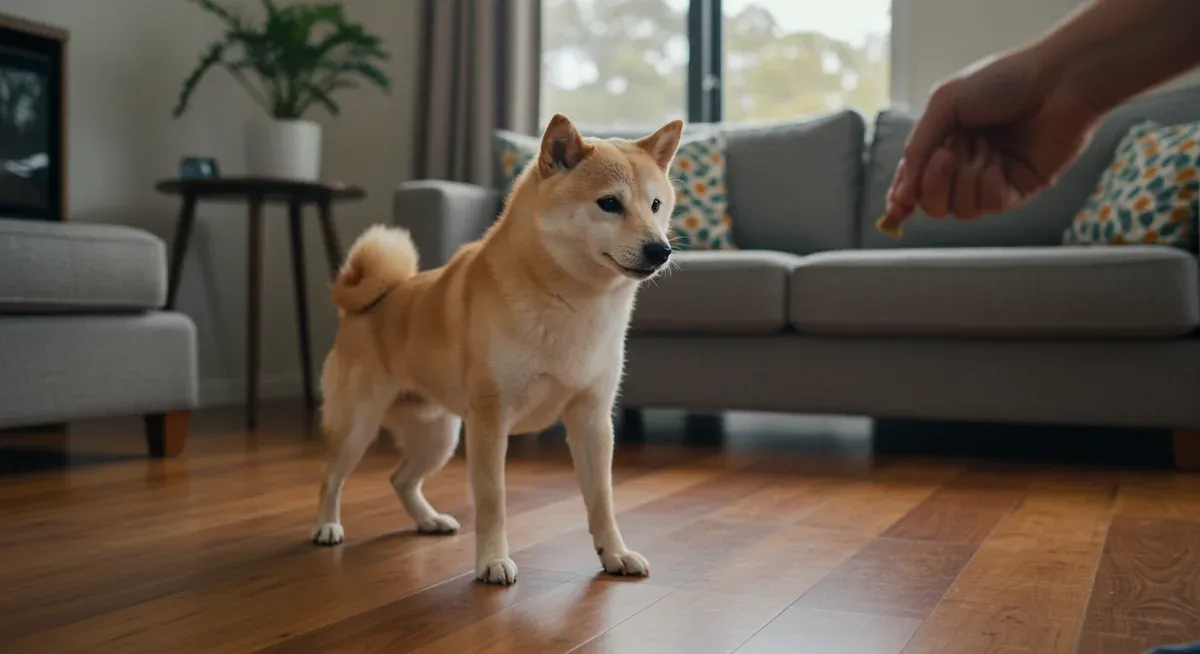
Breaking down complex behaviours into smaller steps works particularly well with independent thinkers. When teaching "shake," for example, reward any paw lift before expecting a full handshake. This gradual approach respects their problem-solving nature while building success.
Daily sessions of 5-10 minutes focusing on one or two commands prevent mental fatigue. Most dogs show initial progress within the first week, though lasting behavioural change typically develops over weeks to months. Patience during this timeline proves crucial for long-term success.
Consistency across all family members accelerates learning significantly. Everyone should use identical commands and reward systems to avoid confusion. When one person says "down" and another says "lie down," your dog may appear stubborn when they're actually trying to decode mixed messages.
Crate training as your foundation
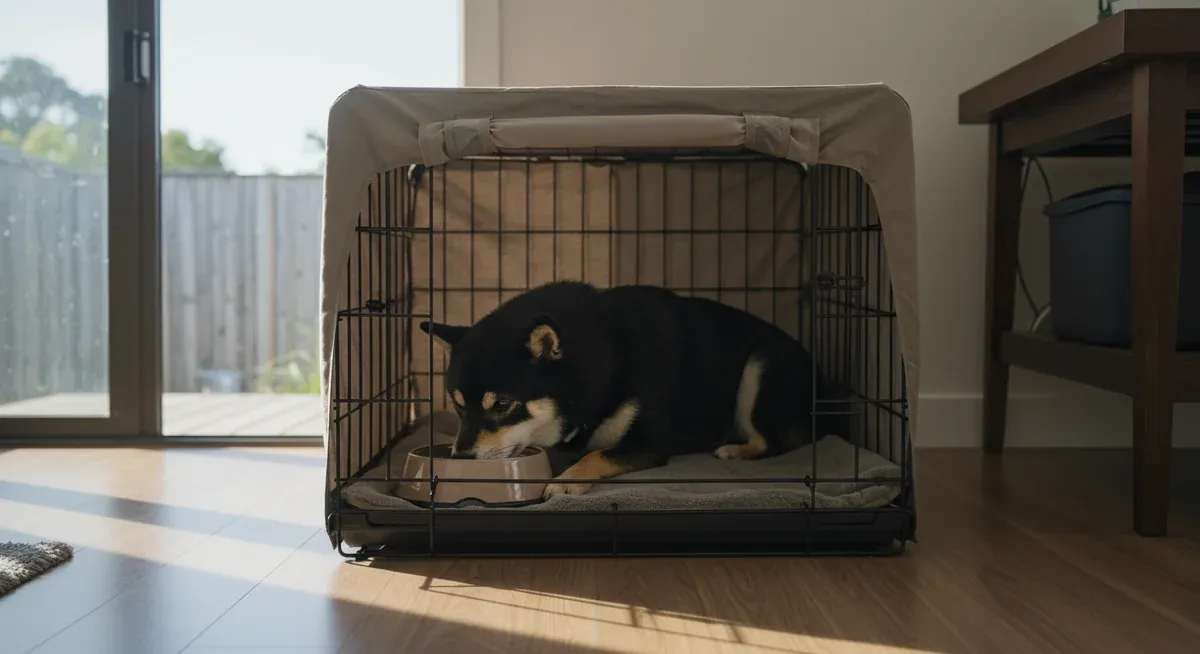
Establishing the crate as a positive space helps manage your dog's environment while building good habits. Feed meals inside the crate initially, then gradually increase crate time as your dog becomes comfortable with the space.
A well-sized crate with a cover creates a den-like environment that appeals to their natural instincts. This management tool proves invaluable for house training and preventing destructive behaviours when you can't supervise directly.
The investment in a quality crate, typically ranging from $40-150, pays dividends in training success. Choose one large enough for your adult dog to stand, turn around, and lie down comfortably.
Socialisation and resource management
Early exposure to various people, animals, and environments reduces territorial guarding behaviours that can complicate training later. Well-socialised dogs generally show more willingness to follow commands and share attention with their handlers.
Controlling access to valued resources extends beyond treats to include toys, affection, and freedom. This teaches your dog that good behaviour leads to access to things they want, reinforcing obedience without force or confrontation.
Avoid overcorrection if gentle guidance becomes necessary. Excessive correction can cause these sensitive dogs to shut down completely, making them appear even more stubborn when they're actually protecting themselves emotionally.
Equipment for success
A front-clip harness helps control pulling without causing discomfort, important for a strong-willed breed that may test leash boundaries. Quality harnesses typically cost $20-50 and make walks more pleasant for both dog and handler.
Interactive puzzle toys provide mental stimulation that can tire your dog as effectively as physical exercise. A mentally satisfied dog often proves more receptive to training sessions and less likely to engage in attention-seeking behaviours.
When to seek professional help
Sometimes stubbornness escalates beyond normal training challenges. If your dog shows aggression in Shiba Inus, anxiety, or completely uncontrollable behaviours, consult a professional trainer experienced with the breed who uses positive reinforcement methods.
Early intervention prevents minor issues from becoming major problems. Many behaviours that appear stubborn actually stem from fear, confusion, or medical issues that require professional assessment.
The investment in professional guidance often saves time and frustration in the long run. Look for trainers who understand that punishment-based methods can damage the confidence and human relationships that these sensitive dogs need to thrive.


