
Joint problems you might notice first
You might notice your Chow Chow hesitating at the bottom of stairs or moving stiffly after rest. These early signs often point to hip or elbow dysplasia, genetic conditions where joints develop improperly. Many Chow Chows show these symptoms gradually, making them easy to miss initially.
Hip dysplasia appears as reluctance to jump, climb stairs, or exercise enthusiastically. Your dog might start limping or showing stiffness, particularly after periods of inactivity. Elbow dysplasia presents similarly but affects the front legs, with dogs often reluctant to extend their legs fully, especially in cold weather.
Veterinary diagnosis involves orthopedic exams and X-rays, with screening through organizations like OFA or PennHIP providing definitive results. Weight control becomes critical for management, as every extra kilogram adds stress to already compromised joints. Anti-inflammatory medications, joint supplements containing glucosamine and chondroitin, and controlled exercise help manage symptoms. Severe cases may require surgical intervention, including total hip replacement costing $2,000 to $5,000 depending on complexity.
Eye conditions requiring immediate attention
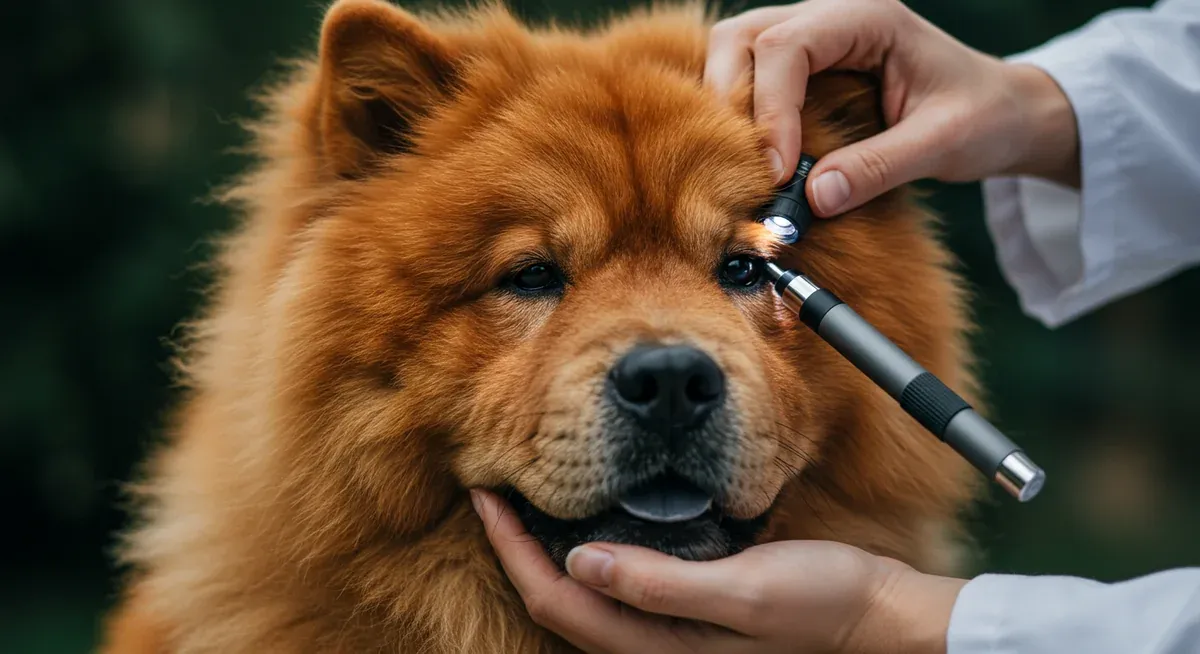
for eye health in Chow Chows, early recognition makes the difference between simple treatment and permanent vision loss. Entropion, where eyelids roll inward, is particularly common in this breed. You'll notice excessive blinking, squinting, or persistent eye discharge.
The inward-rolling eyelid causes eyelashes to rub against the cornea, creating irritation and potential scarring. Left untreated, this condition can lead to corneal damage and vision impairment. Surgical correction typically costs between $500 and $1,500 and usually resolves the problem permanently.
Glaucoma and cataracts also occur in these dogs, though less frequently than entropion. Watch for cloudiness in the eyes, changes in pupil size, or signs that your dog is having trouble navigating familiar spaces. Regular ophthalmologic exams catch these conditions early, when treatment options are most effective.
The serious threat of bloat
Many Chow Chow owners worry about bloat, and rightfully so. Research shows this breed has a 20% prevalence of GDV-related deaths in some surveys, making it a genuine emergency concern. Gastric dilatation-volvulus occurs when the stomach twists, cutting off blood supply and creating a life-threatening situation.
Recognition happens fast or not at all. Your dog's abdomen becomes visibly distended, they may try to vomit but produce nothing, and restlessness combined with rapid breathing signals immediate veterinary emergency. Minutes matter with bloat, not hours.
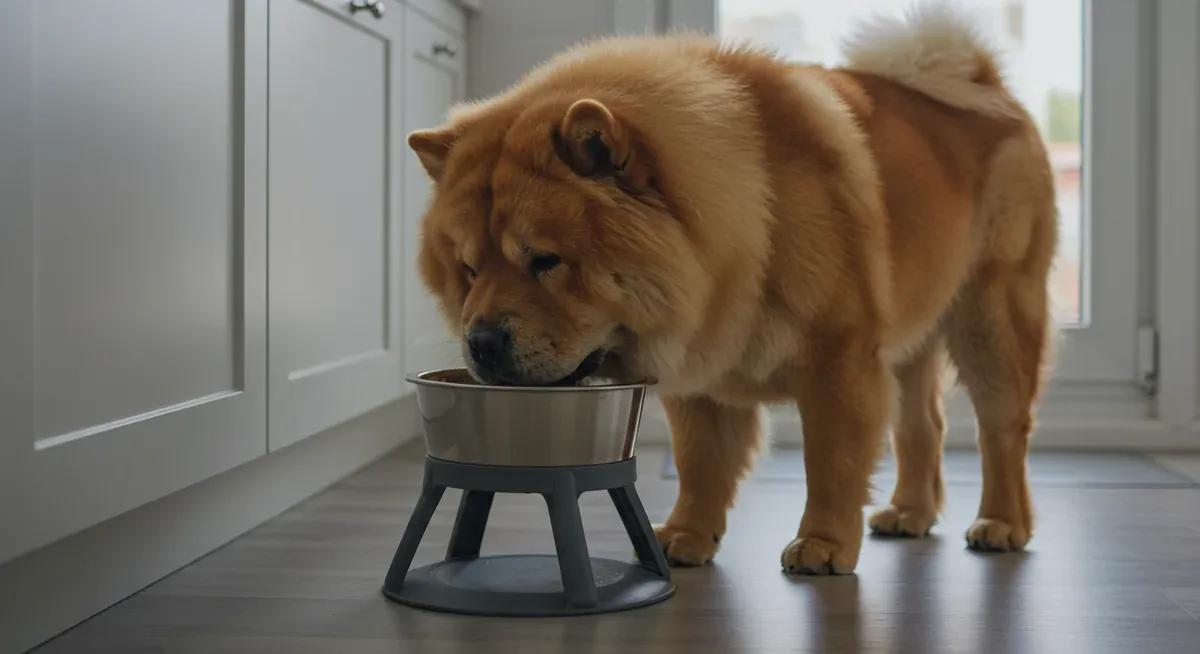
Prevention centres on feeding management. Feed multiple small meals daily rather than one large portion. Adult dogs should eat twice daily minimum, while puppies need three to four smaller meals. Avoid vigorous exercise for at least an hour after eating, and consider elevated feeders to reduce air intake during meals. Some owners opt for prophylactic gastropexy surgery in high-risk dogs, where the stomach is surgically tacked to prevent twisting.
Skin sensitivities and coat care
Have you noticed your dog scratching more than usual or developing red, irritated patches? These dogs have notably sensitive skin prone to allergies and infections. Their thick double coat, while beautiful, can trap moisture and debris, creating ideal conditions for skin problems.
Symptoms appear as persistent itching, hair loss, hot spots, or areas of redness and inflammation. Environmental allergens, food sensitivities, or simply inadequate grooming can trigger these issues. Regular brushing and proper coat care prevents matting and allows air circulation to the skin, reducing infection risk.
Management involves identifying triggers through veterinary allergy testing when needed. Hypoallergenic diets, medicated shampoos, and consistent grooming routines help control symptoms. Temperature awareness becomes crucial, as overheating in hot climates can exacerbate skin problems and general discomfort.
Other health concerns to monitor
Several additional conditions affect this breed with varying frequency. Patellar luxation causes the kneecap to slip out of place, resulting in intermittent limping that may come and go. Hypothyroidism can develop, leading to lethargy, unexplained weight gain, and skin problems that don't respond to typical treatments.
Diabetes occurs more commonly in older or overweight dogs, requiring lifelong insulin therapy and careful dietary management. Some Chow Chows develop various cancers, including brain tumors and hepatic tumors, though these remain less predictable than the joint and eye conditions.
Regular veterinary checkups, ideally twice yearly for dogs over seven years old, catch many of these conditions early. Blood work can detect thyroid problems and diabetes before symptoms become severe, while physical examinations identify joint issues and other developing problems.
Practical prevention and management strategies
Smart prevention starts before you bring your dog home. Choose breeders who screen breeding dogs for hip and elbow dysplasia, eye conditions, and thyroid function. Genetic screening significantly reduces the likelihood of inherited problems, though it cannot eliminate all risks.
Weight management proves crucial throughout your dog's life. Maintaining ideal body weight reduces stress on joints and decreases diabetes risk. Feed high-quality food with balanced protein and fats, using portion control rather than free-feeding. Many owners find success with puzzle feeders or elevated bowls that slow eating and reduce bloat risk.
Exercise should be moderate and low-impact. Swimming provides excellent conditioning without joint stress, while controlled walks maintain muscle tone. Avoid excessive running or jumping, particularly in puppies whose growth plates haven't closed. Temperature awareness matters year-round, as these dogs overheat easily due to their thick coats.
Know when professional help is needed. Persistent lameness, eye discharge or redness, abdominal distension, sudden behaviour changes, or skin problems that don't resolve with basic care all warrant veterinary attention. Emergency preparedness for bloat means knowing your nearest after-hours veterinary clinic and having transportation ready.