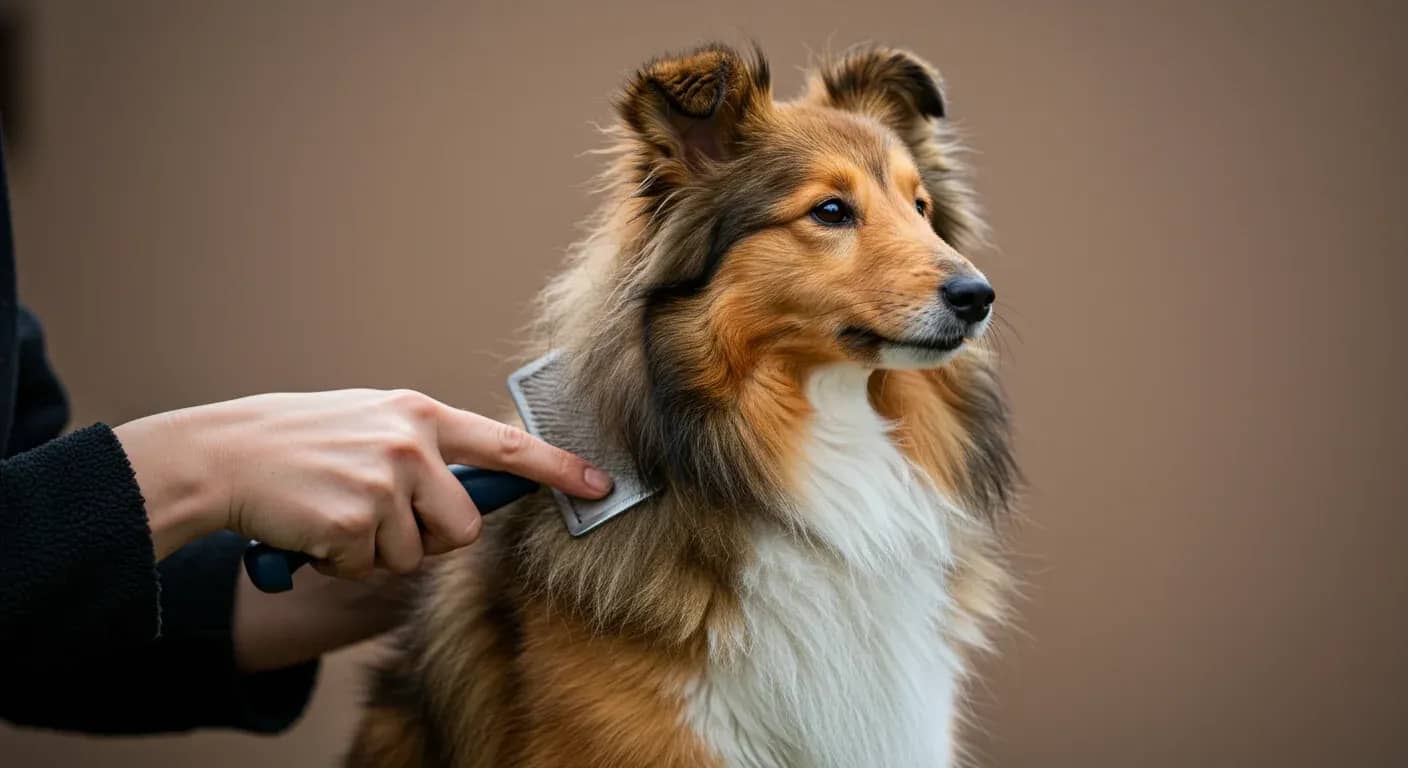

Understanding your Sheltie's magnificent coat
You might notice that your Shetland Sheepdog's coat feels different from other breeds you've encountered. That's because Shelties possess a remarkable double coat system consisting of a soft, dense undercoat beneath a longer, water-resistant outer layer. This combination isn't just beautiful, it's functional, providing essential protection against both cold and heat throughout the seasons.
Many owners don't realise how this double coat structure affects grooming needs. The undercoat can become compacted without proper care, while the outer coat can mat if not brushed correctly. Understanding this foundation helps explain why your Sheltie needs more than a quick brush-through to stay healthy and comfortable.
Essential tools that make the difference
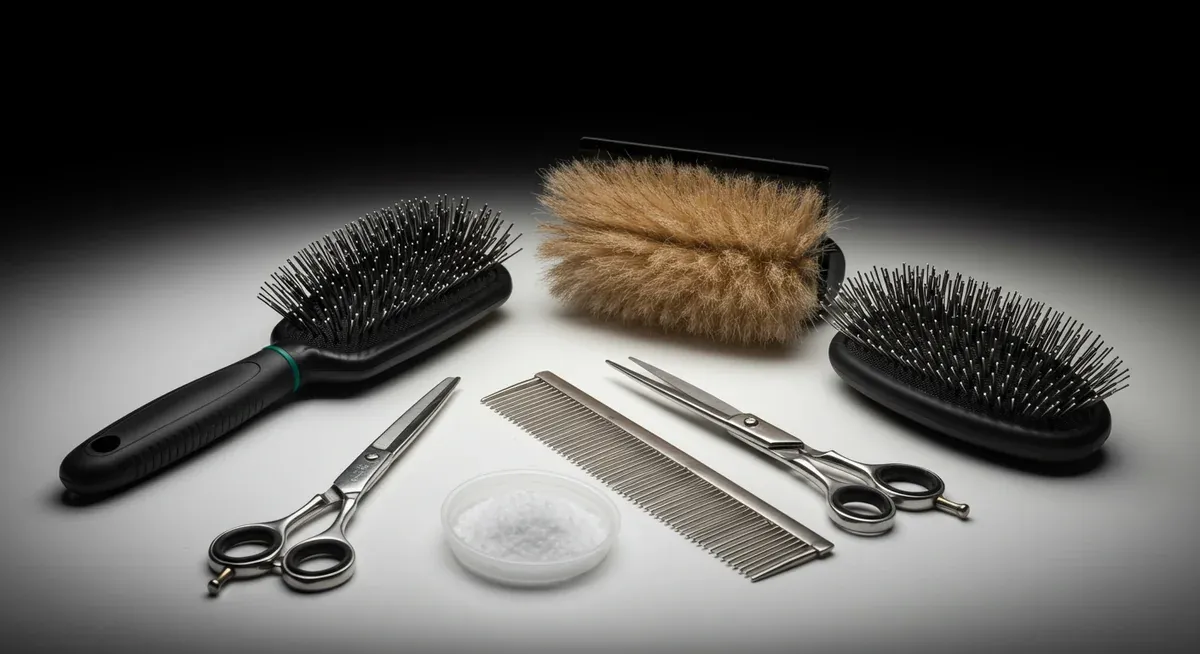
for grooming Shetland Sheepdogs effectively, having the right tools transforms the entire experience. A long-tined soft slicker with pliable tines as the most important investment you'll make. This specific brush design works perfectly for line brushing and removing shedding undercoat hairs without damaging the delicate coat structure.
Your toolkit should also include a wide-toothed comb for detangling and smoothing, quality scissors for precision trimming around ears and paws, and either a force dryer or pin brush for the drying process. These tools typically cost between $10-$50 each, but they'll serve you well for years with proper care.
Step-by-step grooming process
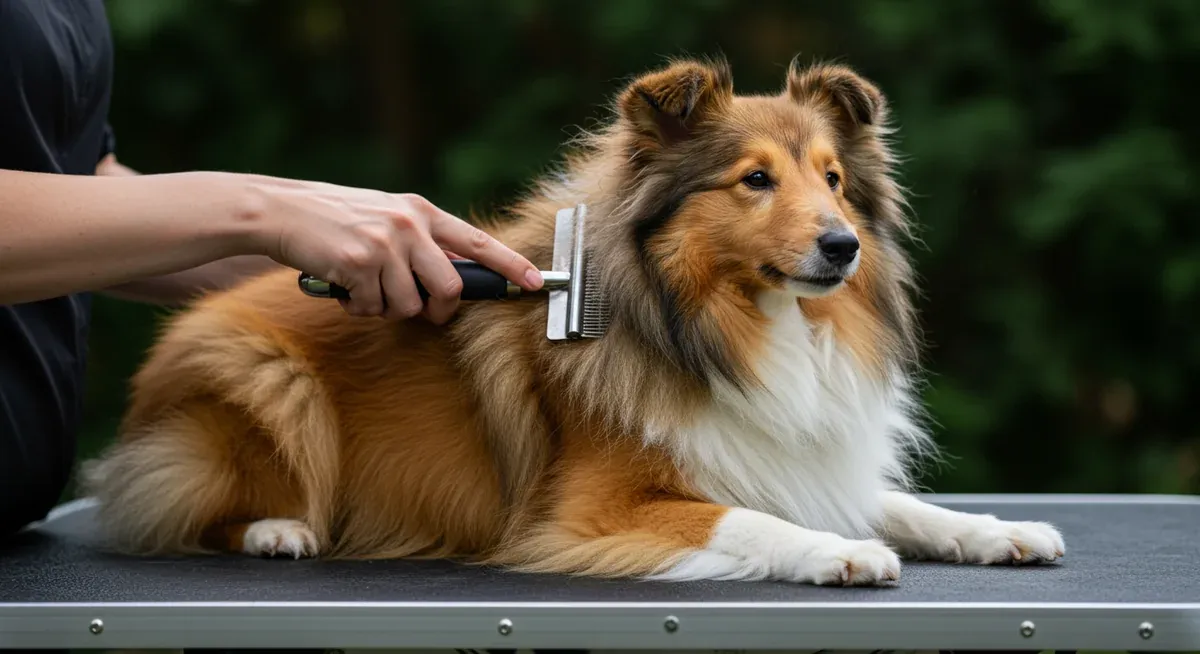
Have you wondered why some Shelties seem to enjoy grooming while others resist? The secret often lies in preparation and technique. Training your dog to lay comfortably on its side makes the entire process easier for both of you. Start each session by ensuring your Sheltie feels relaxed and secure.
Begin with bathing using a dog shampoo specifically formulated for double-coated breeds. Place a non-slip mat in your bathtub or shower for safety, then rinse thoroughly to prevent any skin irritation from leftover product. The real work begins during the drying phase.
Start drying from the bottom of the chest and work upwards, using your pin brush to prevent matting as you go. This systematic approach ensures you don't miss any areas where moisture might get trapped. Follow up with line brushing using your long-tined slicker, always working in the direction the coat naturally grows.
Finish by trimming hair under the paws to prevent dirt accumulation, and tidy up around the ears if needed. For show cuts, more precise trimming around ears and feet becomes necessary, but most pet owners can maintain a beautiful natural look with basic tidying.
Tackling common grooming challenges
Most Shetland Sheepdog owners encounter matting at some point, particularly behind the ears and under the front legs. These areas experience more friction and movement, making them prone to tangles. Regular brushing in these spots, even between full grooming sessions, prevents small tangles from becoming major problems.
Shedding presents another challenge, especially during spring and autumn when your dog's coat naturally renews itself. During these seasons, you'll need to increase grooming frequency to manage the extra loose hair. Sometimes the amount of hair seems overwhelming, but consistent brushing makes it manageable.
Watch for any unusual skin conditions during your grooming sessions. Regular handling helps you identify potential health issues early, from hot spots to unusual lumps or irritated areas. If you notice anything concerning, consulting your vet promptly can prevent minor issues from becoming serious problems.
Popular grooming styles to consider
The natural look remains the most popular choice for Shetland Sheepdog owners. This style maintains the coat's natural length while focusing on tidiness around ears and paws. It showcases the breed's beautiful coat while remaining practical for daily life.
Some owners prefer the puppy cut, which trims the coat to a uniform length of 1-2 inches. This style significantly reduces maintenance time and works well for active dogs or during warmer months. The coat still provides protection while being much easier to manage.
Show cuts require the most precision and skill, emphasising the breed's natural beauty through careful trimming and styling. These cuts typically require professional grooming unless you've developed advanced skills through practice or formal training.
How often should you groom your Shetland Sheepdog?
Frequency is the foundation of effective Shetland Sheepdog grooming. For this breed, you should aim for a thorough session at least three times per week during normal periods. When the seasonal shedding peaks arrive, this must transition to a daily commitment. Regular attention prevents the fine undercoat from compacting against the skin, which can lead to painful matting and secondary skin infections if left unaddressed.
Essential tools for Shetland Sheepdog coats
To manage the Shetland Sheepdog's unique coat, you need specific tools. A high-quality slicker brush with long pins is necessary to reach through the outer layer. We also recommend a stainless steel wide-tooth comb for the feathering areas and a dedicated undercoat rake for the heavy shedding seasons. Investing in professional-grade tools ensures you can remove dead hair efficiently without pulling on your dog's sensitive skin.
Seasonal shedding: what to expect
As a double-coated breed, the Shetland Sheepdog will 'blow their coat' twice a year, typically in spring and autumn. During these 2-4 week windows, you will notice a significant increase in the volume of hair lost. This is a natural response to changing daylight and temperatures. Daily brushing during these times is the only way to keep your home hair-free and your dog comfortable while their new coat grows in.
When to see a vet
While heavy shedding is normal, keep an eye out for warning signs. If you see symmetrical bald patches, red or inflamed skin, or if your Shetland Sheepdog is constantly scratching and biting at their coat, a veterinary consultation is necessary. These symptoms can indicate underlying issues like allergies, parasites, or hormonal imbalances that require professional medical treatment beyond standard grooming.
When to seek professional help
Many Shetland Sheepdog owners successfully maintain their dog's coat at home with monthly grooming sessions. However, certain situations call for professional expertise. If you're preparing for dog shows, dealing with severe matting, or simply feeling overwhelmed by the grooming process, professional groomers offer valuable assistance.
Professional grooming courses, such as those offered by experienced groomers like Tess Oliver, can provide valuable insights if you want to improve your technique. The investment in learning proper methods often pays for itself in reduced grooming time and better results.
Remember that grooming should be a positive experience for both you and your dog. If sessions become stressful or you're not achieving the results you want, there's no shame in seeking help. A professional can often teach you techniques that make future home grooming much more successful.