
Understanding your dog's natural lifespan
When you bring home a Tibetan Spaniel, you're welcoming a breed known for exceptional longevity. Recent research from the UK shows these dogs living an average of 15.2 years, significantly longer than most purebreds at 12.7 years and crossbreeds at 12 years. This means your companion will likely share many life milestones with your family.
The typical range spans 12 to 15 years, though many owners report their dogs living well beyond this timeframe. What sets this breed apart isn't just genetics, but their moderate size and generally strong constitution. Unlike larger breeds that face joint stress or tiny breeds with fragile bones, these dogs occupy a sweet spot for canine health.
Your dog's individual lifespan depends on several controllable factors. Genetics play the largest role, which is why choosing a responsible breeder matters enormously. Environmental factors like diet, exercise, and preventive veterinary care can add quality years to your dog's life.
The eye health challenge every owner should know

Progressive Retinal Atrophy represents the most significant health concern for Tibetan Spaniel owners. This inherited condition causes gradual vision loss, typically beginning with difficulty seeing in dim light between 1.5 and 4 years of age, though it can appear as late as 7 years.
You might first notice your dog hesitating at the top of stairs in low light or bumping into furniture during evening walks. The condition progresses painlessly but inevitably leads to complete blindness. Currently, no treatment exists to reverse or slow PRA once it develops.
The encouraging news is that DNA testing, available since 2013, allows breeders to eliminate this condition from breeding lines. If you're considering a puppy, ensure the breeder provides PRA test results for both parents. The test costs between $50 and $150, a small investment compared to the heartbreak of watching your dog lose their sight.
For dogs already affected, most adapt remarkably well to vision loss. Keep furniture in consistent positions, use verbal cues during walks, and consider adding textured mats near stairs or doorways to help with navigation.
Joint health and the kneecap problem
Patellar luxation, where the kneecap slips out of its normal position, affects many small breeds including these dogs. You'll recognize this condition when your dog suddenly lifts a back leg while walking, then continues normally after a few steps. The kneecap has temporarily dislocated and popped back into place.
Mild cases often require no treatment beyond monitoring. Your vet might recommend anti-inflammatory medications during flare-ups or joint supplements containing glucosamine and chondroitin. These supplements typically cost $20 to $40 monthly but can significantly improve comfort and mobility.
Severe cases, where the kneecap stays out of position or causes persistent pain, may need surgical correction. Surgery costs range from $1,000 to $3,000 depending on your location and the complexity of the repair. Most dogs recover well and return to normal activity within 6 to 8 weeks.
Prevention focuses on maintaining healthy weight and muscle tone. Excess weight puts additional stress on small joints, while regular moderate exercise keeps supporting muscles strong.
Exercise needs that support longevity

These dogs thrive with moderate daily exercise rather than intense activity sessions. A typical adult needs about 30 minutes of activity daily, which can include a morning walk, some indoor play, and perhaps an evening stroll around the neighbourhood.
Their size makes them excellent apartment companions, but they still need mental and physical stimulation. Many owners find success with puzzle toys, short agility courses in the backyard, or games of fetch in a hallway. The key is consistency rather than intensity.
Watch for signs of overexertion, especially in hot weather. These dogs can overheat quickly due to their coat and facial structure. Provide water breaks during longer walks and avoid strenuous activity during the warmest parts of the day.
As your dog ages, adjust exercise accordingly. Senior dogs might prefer two shorter walks instead of one longer outing, or gentle indoor play when weather makes outdoor activity uncomfortable.
Nutrition strategies for a long life
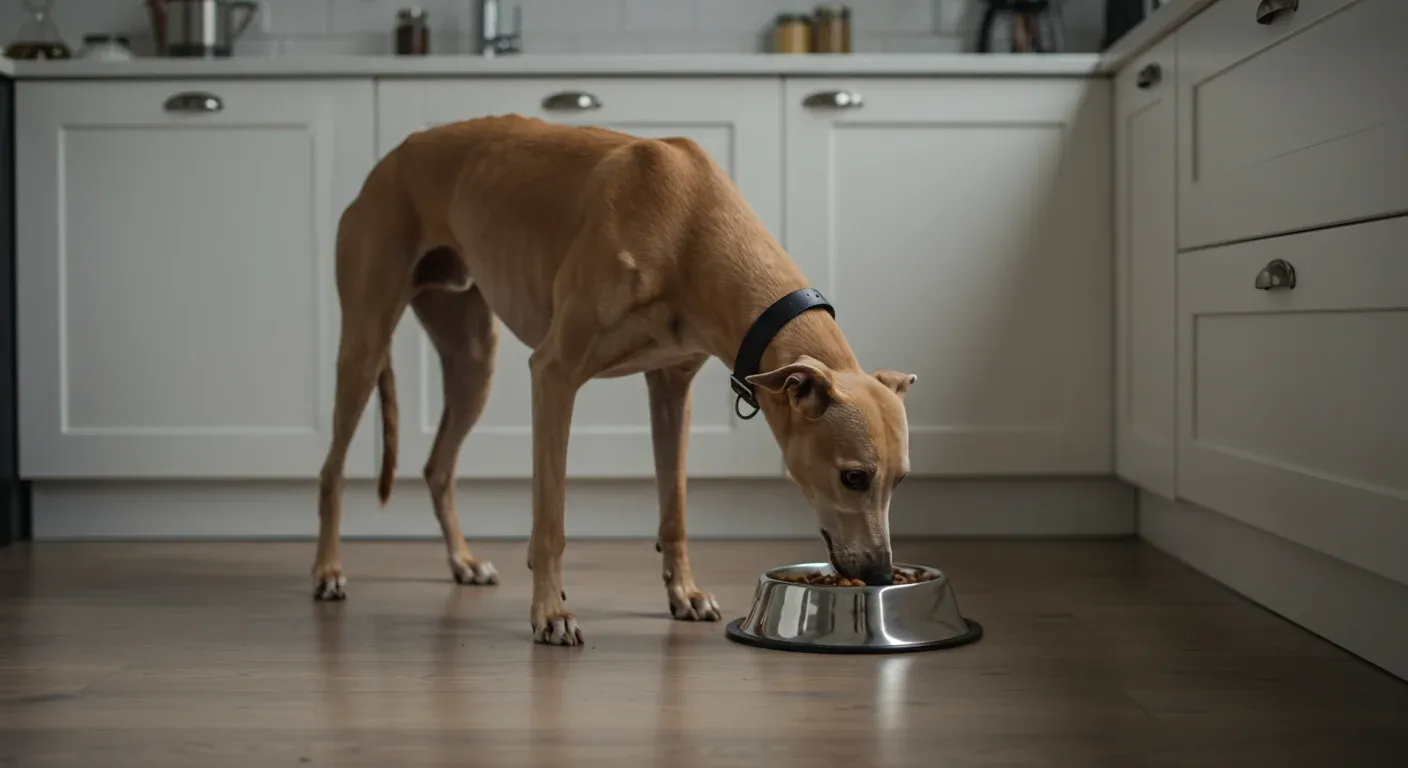
Most adult Tibetan Spaniels do well with ¾ to 1 cup of high-quality dog food daily, divided into two meals. This prevents overeating and reduces the risk of digestive upset. Choose foods with named meat sources as the first ingredient and avoid fillers like corn or wheat if your dog shows sensitivity.
Portion control becomes increasingly important as these dogs age and their metabolism slows. Many owners find success weighing their dog monthly and adjusting food portions based on body condition rather than following feeding guidelines blindly.
Consider your dog's individual needs when selecting food. Active young adults might need higher protein content, while senior dogs often benefit from joint-supporting ingredients like omega-3 fatty acids. Your vet can recommend specific brands based on your dog's health status and activity level.
Treats should comprise no more than 10% of daily calories. Many owners use small pieces of their dog's regular kibble as training rewards, which prevents overfeeding while maintaining motivation during training sessions.
Training and mental health considerations
Intelligence combined with occasional stubbornness characterises this breed's learning style. They understand what you want but might decide whether compliance suits them at the moment. This trait requires patience and consistent positive reinforcement rather than harsh corrections.
Early socialisation and training contribute significantly to lifelong mental health. Dogs that learn to handle various situations calmly experience less stress throughout their lives. Stress reduction directly impacts physical health, potentially extending lifespan and improving quality of life.
These dogs excel as watchdogs, alerting you to visitors without excessive barking. This natural behaviour rarely needs correction, though teaching a "quiet" command helps manage their enthusiasm during exciting moments.
Mental stimulation through training, puzzle toys, and new experiences keeps their minds sharp as they age. Many owners report their senior dogs remaining alert and engaged well into their teens when provided with regular mental challenges.
Preventive care and warning signs
Regular veterinary checkups become your best tool for catching health issues early. Annual visits suffice for young healthy dogs, but consider twice-yearly appointments after age 7. These visits should include eye examinations to monitor for PRA development and joint assessments for patellar luxation.
Watch for subtle changes in behaviour that might indicate health problems. Reluctance to jump onto furniture, difficulty navigating in low light, changes in appetite, or decreased interest in favourite activities all warrant veterinary attention.
Dental care significantly impacts overall health and longevity. Regular brushing, dental chews, or professional cleanings prevent painful dental disease that can affect eating and overall comfort. Many owners underestimate how dental pain impacts their dog's quality of life.
Keep records of your dog's normal patterns for eating, sleeping, and activity. This baseline helps you recognize when something changes, allowing for earlier intervention when health issues develop.