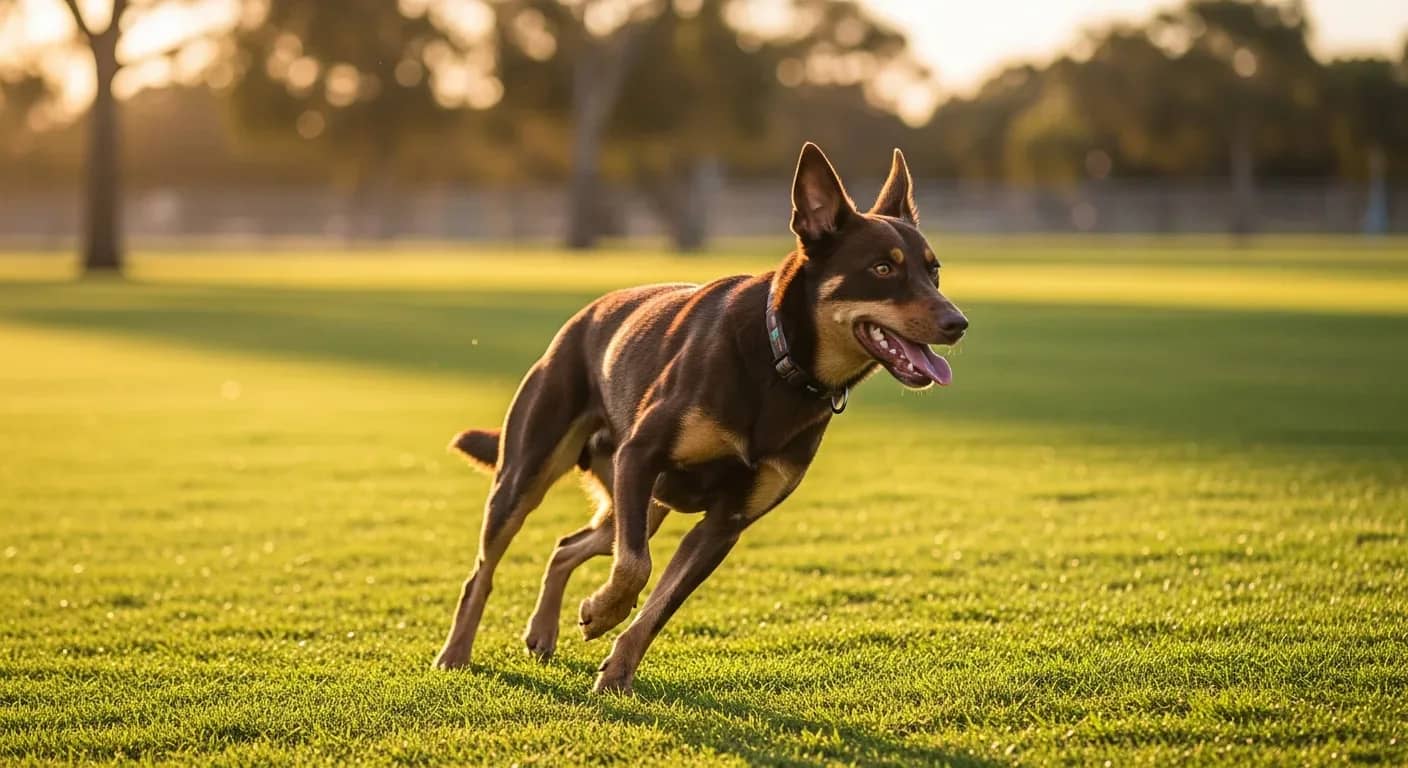

Most Australian Kelpie owners know their dogs are built for work, but few realise exactly how that physical resilience translates into years by their side. These iconic Australian working dogs are among the hardiest breeds in the country, often reaching the age of 15 with the same bright-eyed intensity they had as puppies.
At Hero Pet Health, we see the Kelpie as the ultimate canine athlete. But even the best athletes need a support system to reach their full potential. Helping your Kelpie live a long, healthy life isn't just about good luck, it's about understanding the specific factors that influence longevity in this high-energy breed.
This guide covers everything you need to know about the Australian Kelpie lifespan, the common health risks at each life stage, and the practical steps you can take to ensure your Kelpie stays active and healthy well into their senior years.
How Long Do Australian Kelpies Live?
On average, Australian Kelpies live between 12 and 15 years. This puts them ahead of many other medium-sized breeds, partly due to their lean, athletic build and high genetic diversity. While 15 is a common milestone for well-cared-for Kelpies, some exceptional individuals have been known to reach 18 or even 20 years in rural settings.
The Australian Kelpie's longevity is a testament to their history as a functional working breed. Unlike breeds selected primarily for appearance, Kelpies were bred for stamina, heat tolerance, and structural soundness. This "form follows function" approach has resulted in a dog that is generally free from the extreme physical exaggerations that can shorten life expectancy in other purebreds.
However, reaching that 15-year mark requires more than just good genes. In Australia's harsh environment, preventive care and proper management are essential. For a broader look at the breed's health, read our guide to supporting Kelpie joint health, as maintaining mobility is one of the biggest challenges in their later years.
What Factors Influence a Kelpie's Lifespan?
While you can't change your dog's genetics, several environmental and lifestyle factors play a massive role in determining how many healthy years your Kelpie will have.
Weight and Body Condition
Kelpies are naturally lean, but as they age or if their activity levels drop, weight can creep up. Carrying even two or three extra kilograms puts significant strain on a Kelpie's heart and joints. Studies consistently show that dogs kept at a lean body condition live up to two years longer than their overweight counterparts. For a working breed like the Kelpie, staying lean is the single most important factor in long-term health.
Mental and Physical Activity
A bored Kelpie is often a stressed Kelpie. These dogs thrive on having a job to do. Chronic mental stress can have physical manifestations, potentially impacting immune function over time. Ensuring your Kelpie gets enough daily exercise and mental stimulation is vital. It's not just about burning energy; it's about maintaining the "spark" that keeps a senior Kelpie engaged with life.
Preventive Healthcare
Regular veterinary check-ups are non-negotiable. For Kelpies, this includes monitoring for breed-specific issues like progressive retinal atrophy (PRA) and hip dysplasia. Annual blood work starting from age seven can catch changes in organ function, such as early kidney or liver issues, long before your dog shows any outward signs of being unwell.
Every Kelpie is an individual with unique needs. The Hero Health Assessment takes just two minutes and provides a personalised supplement plan based on your dog's age, activity level, and health history.
Start the Free AssessmentCommon Health Risks Across Life Stages
Understanding what to watch for at different ages allows you to intervene early, which is often the difference between a minor issue and a life-limiting one.
Puppyhood (0-12 Months)
The biggest risks in the first year are infectious diseases like parvovirus and accidental injury. Kelpie puppies are fearless and fast, which can lead to high-impact injuries. Proper socialisation and consistent training in the first year set the foundation for a safe and healthy adulthood.
The Prime Years (1-8 Years)
During their adult years, Kelpies are typically very hardy. The main risks here are trauma, such as farm accidents or vehicle strikes, and the early onset of joint issues in very active dogs. Maintaining a strong foundation of gut health and immune support during this phase helps the body recover from the high physical demands placed upon it.
The Senior Years (9+ Years)
As Kelpies enter their senior years, cancer and degenerative joint disease become the primary concerns. You might notice your dog taking longer to get up in the morning or being less enthusiastic about long runs. This is the time to focus on comfort and quality of life. Many owners find that senior-specific supplements help maintain mobility and cognitive function as their Kelpie ages.
Leading Causes of Death in Kelpies
While many Kelpies die of old age, the most common medical causes of death in the breed mirror those of other active medium breeds:
- Cancer: Hemangiosarcoma and lymphoma are among the more common types seen in older Kelpies.
- Trauma: Given their working nature and tendency to follow movement, accidents remain a significant risk throughout their lives.
- Organ Failure: Kidney and heart failure are common end-of-life issues for senior dogs in the 14 to 16-year range.
Regular screening and being attentive to changes in appetite, thirst, or energy levels are your best tools for catching these issues early.
The Bottom Line
The Australian Kelpie is a breed built for longevity. With a typical lifespan of 12 to 15 years, they offer their owners over a decade of loyal companionship. By focusing on weight management, consistent exercise, and proactive veterinary care, you can help your Kelpie reach the higher end of that range in peak condition.
Every dog is different. If you want a tailored approach to supporting your Kelpie's longevity, the Hero Health Assessment provides expert-backed recommendations in under two minutes.