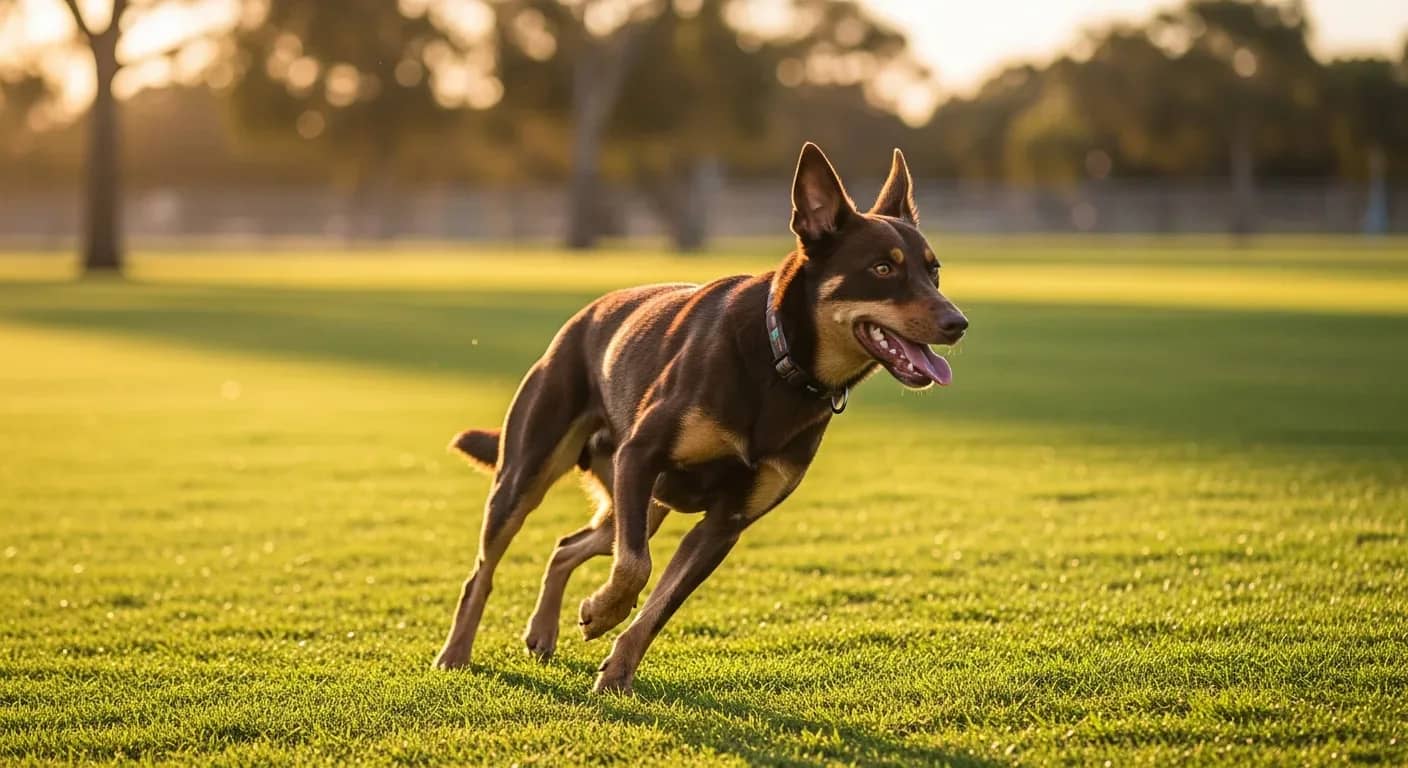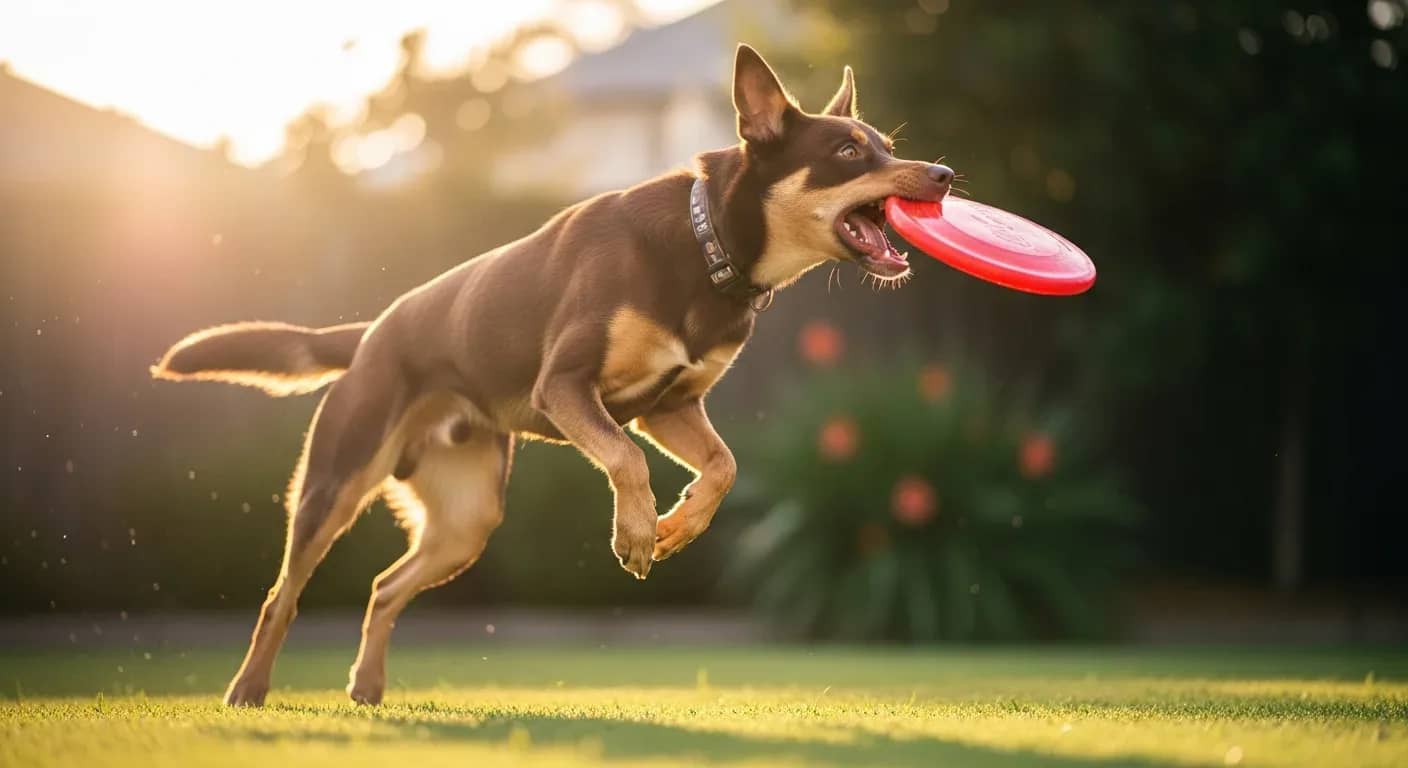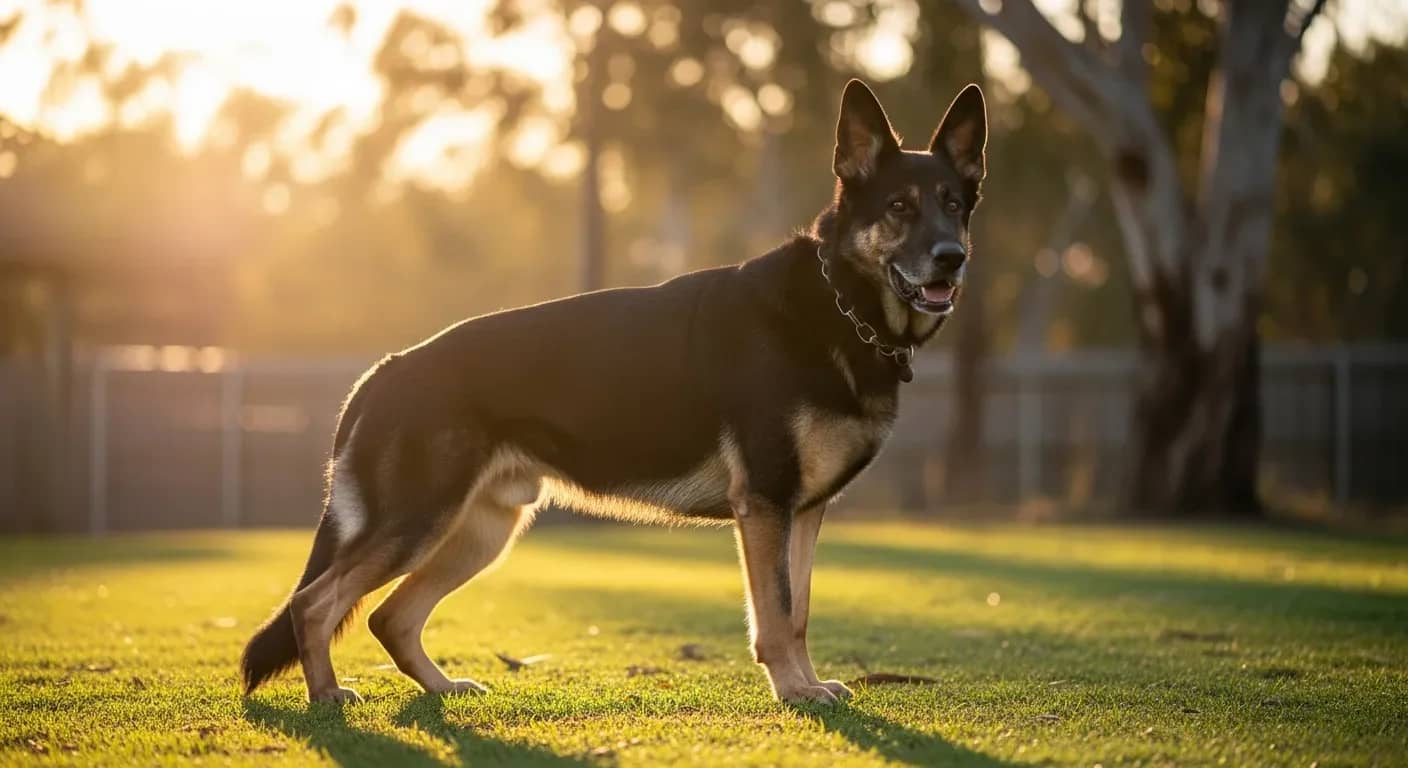

Kelpies are built to work. Round up sheep across a paddock, hop fences, run hours longer than most breeds can manage, and they will still be ready for more at sunset. That same intensity is also what puts their hips, elbows, and knees under more daily load than the average dog. By the time a working line Kelpie reaches eight or nine, joint wear is one of the most common quiet shifts owners notice: a slower start in the morning, a hesitation before jumping into the ute, less zoom on the back lap of the walk.
The good news is that Kelpie joints respond well to early, consistent support. The right daily supplement, paired with smart exercise and weight management, can keep a Kelpie working and playing comfortably well into their senior years. This guide breaks down which ingredients actually matter for Kelpies, what to ignore in marketing, and how to choose a supplement that suits your dog's age, workload, and lifestyle.
Why Kelpies Are Prone to Joint Wear
The Australian Kelpie was bred for endurance work in tough conditions. A working Kelpie can cover 30 to 60 kilometres in a single mustering day, and pet Kelpies often clock similar weekly distances on bush walks, beach runs, and backyard zoomies. That kind of mileage compresses cartilage faster than a low-energy breed will ever experience.
Two structural issues turn up regularly in the breed:
- Hip dysplasia. A heritable malformation of the hip joint where the ball does not sit cleanly in the socket. The Australian Veterinary Association notes hip dysplasia is one of the most reported orthopaedic conditions across medium working breeds, and Kelpies sit firmly in that group. Reputable Australian Kelpie breeders now hip and elbow score parents through schemes such as schemes outlined in veterinary guidance on hip dysplasia in dogs before mating.
- Cruciate ligament strain. High-speed direction changes (the bread and butter of a Kelpie) place repeated load on the cranial cruciate ligament. Partial tears can creep in over years of paddock work and only show up as a subtle hop on one back leg.
Add osteoarthritis (the slow grind of cartilage wear that affects most senior dogs) and you get three overlapping reasons to start joint support earlier with a Kelpie than you might with a couch-friendly breed. For a fuller view of breed risk areas, our guide to common Australian Kelpie health problems covers the territory.
What to Look For in a Kelpie Joint Supplement
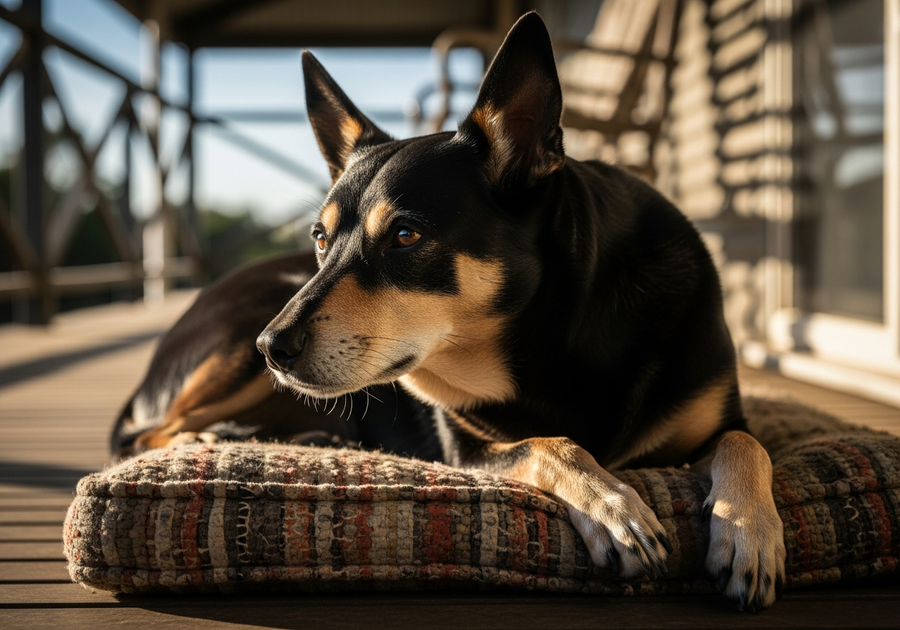
Joint supplements live or die by their ingredient list. A Kelpie working at speed needs more than a generic multivitamin with a paw on the label. Here are the four mechanisms that matter, and which ingredients deliver them.
1. Cartilage Building Blocks (Collagen)
Cartilage is mostly type II collagen. Hydrolysed collagen peptides provide the amino acid building blocks the body uses to maintain and repair that cartilage tissue. A 2024 placebo-controlled trial in PLoS One reported that bioactive collagen peptides improved gait and quality of life scores in dogs with osteoarthritis over 12 weeks.
For an active Kelpie, that ongoing repair signal matters more than any single anti-inflammatory hit. Look for hydrolysed (low molecular weight) collagen peptides on the label rather than vague "collagen sources".
2. Sulphur for Connective Tissue (MSM)
Methylsulfonylmethane, or MSM, is a naturally occurring organic sulphur compound. Sulphur is a key structural element of cartilage, ligaments, and tendons. Human osteoarthritis trials, including a pilot study in Osteoarthritis and Cartilage, have reported improvements in joint comfort with daily MSM, and many vet-formulated canine supplements use it on the same mechanistic basis.
MSM is the workhorse ingredient for Kelpies because it supports the connective tissue around joints, not just the joint itself. That matters when a dog spends years pulling on cruciate ligaments and rotator structures.
3. Plant-Based Comfort (Turmeric / Curcumin)
Curcumin, the active compound in turmeric, is one of the most studied natural anti-inflammatory ingredients in veterinary literature. A 2023 study in BMC Veterinary Research reported that a curcumin co-formulation helped maintain pain relief in dogs with osteoarthritis. For a working breed like the Kelpie, daily turmeric helps balance the inflammatory load that comes with high mileage.
4. Antioxidant Cofactor (Vitamin C)
Vitamin C (ascorbic acid) is a cofactor in collagen synthesis. Without enough of it, the body cannot stitch new collagen together properly. While dogs can produce some vitamin C themselves, supplemental ascorbic acid is a cheap insurance policy for active and senior dogs whose internal production drops off with age.
What You Do Not Need to Chase
You will see a lot of marketing around glucosamine, chondroitin, and green-lipped mussel. They are familiar names because they have been on the market for decades. A 2022 systematic review and meta-analysis in the International Journal of Molecular Sciences concluded that the evidence for glucosamine and chondroitin in canine osteoarthritis is weak, with limited clinical effect. A collagen-led formula with MSM, turmeric, and vitamin C gives Kelpies the structural and comfort support they actually need without relying on the older ingredients.
How to Choose the Right Supplement Format
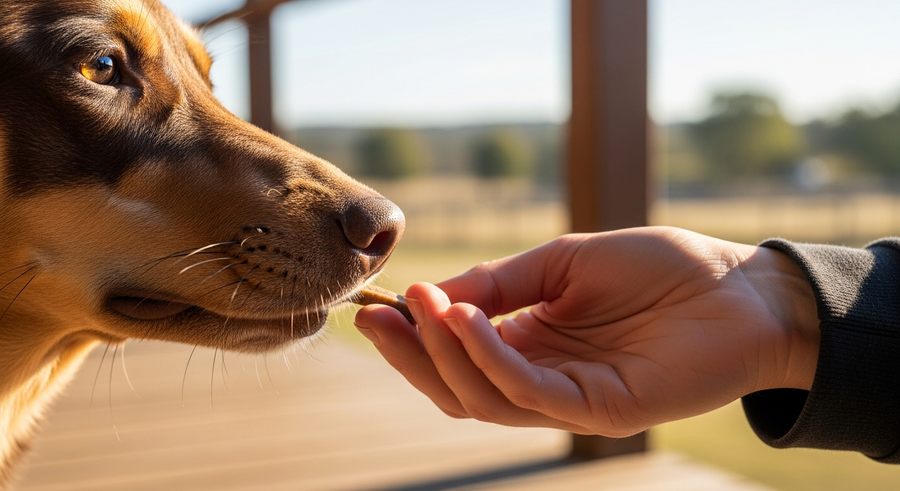
Powders, oils, capsules, soft chews. The format you choose matters because the best supplement is the one your dog actually eats every single day for months on end.
Soft chews are usually the easiest win for Kelpies. They taste like a treat, the dosing is per-chew rather than per-scoop, and there is no smelly oil to time-coordinate with feeding. Hero's Joint Daily Chews are an Australian-made, vet-reviewed example: a soft chew with hydrolysed collagen peptides, MSM, turmeric, and vitamin C, dosed daily based on your dog's weight. There are around 60 chews per pack at $59.95, and they are grain-free and free from animal-product fillers, which suits Kelpies with sensitive stomachs.
If you would rather see how a Kelpie's needs map to a personalised plan, the Hero Health Assessment takes about two minutes and will recommend a supplement combination based on your dog's age, weight, and activity level.
When to Start Joint Support With a Kelpie
Most large and medium working breeds benefit from joint support earlier than owners expect. For a Kelpie, the practical milestones are:
- Around 4 to 5 years old for active working or sport dogs (agility, herding trials, daily long runs). Cumulative wear starts to show on imaging well before behaviour changes.
- Around 6 to 7 years old for typical pet Kelpies with moderate daily exercise.
- Immediately if your dog has been hip or elbow scored with a result above breed average, has had a cruciate injury, or has had any joint surgery.
Starting early is rarely wasted because joint cartilage has limited self-repair. Building a steady supply of repair nutrients into the diet before damage is visible is generally easier than reversing it later. American Kennel Club guidance recommends a similar early window for active medium and large breeds.
Daily Habits That Support a Kelpie's Joints
A supplement is one input. The other inputs are arguably more important.
Keep weight on the lean side. Every extra kilogram is amplified through the hip and knee joints during sprints and turns. A Kelpie should have a clearly tucked waist when viewed from above and an obvious abdominal tuck from the side. Vets refer to this as a body condition score of around 4 to 5 out of 9.
Vary the impact. Sprinting, swimming, and walking on grass all load joints differently than daily concrete pavement. If your Kelpie is mostly an urban dog, build in low-impact options like swimming or grass-based fetch. Our notes on Kelpie exercise needs go deeper on this balance.
Warm up before and cool down after big sessions. Five minutes of trot before a sprint session and a slower five minutes at the end give cartilage time to lubricate. This single habit prevents a surprising number of soft-tissue strains.
Mind the puppy years. Forced repetitive exercise (long jogs on lead, agility jumps) before growth plates close at 12 to 14 months can set up joint problems for life. Free play and short structured walks are safer for growing Kelpies. For new puppy owners, our guide to training a Kelpie puppy covers practical exercise milestones.
Signs Your Kelpie Already Needs Joint Support
Kelpies are stoic. They will run on a sore joint long after a less driven breed would have flopped on the lounge. Watch for these subtle signals rather than waiting for a clear limp:
- Slower to stand up after sleep, especially on cold mornings
- A "bunny hop" gait at the canter, where both back legs move together
- Reluctance to jump into the car, onto the bed, or up couch heights they used to clear easily
- Less interest in the second half of long walks
- A subtle shift of weight off one leg when standing still
- Stiffness that loosens up after five minutes of movement
If you notice two or more of these signs, talk to your vet. A short orthopaedic exam and, if needed, a hip or elbow X-ray will tell you whether you are dealing with early arthritis, dysplasia, or soft-tissue strain. Joint supplements support comfort and mobility, but they do not replace a proper veterinary diagnosis when something has clearly changed.
How a Daily Joint Routine Looks for a Kelpie
Pulling it together, here is what a sustainable Kelpie joint plan tends to look like for an active 6-year-old pet dog:
- One soft joint chew with breakfast (collagen, MSM, turmeric, vitamin C)
- 20 minutes of off-lead trot on grass or sand most days
- Two longer 60 to 90 minute outings a week with a built-in swim or sniff break
- Body condition checked monthly: ribs easy to feel, waist visible
- An annual vet check that includes a quick joint range-of-motion screen
For senior Kelpies (10 plus), the daily chew stays the same, the long sessions get shorter, and the body condition target tightens further. Our guide to senior supplement support for Kelpies walks through the additional cover senior dogs benefit from.
Kelpies have given Australian farms and families more than a century of work and companionship. Looking after their joints is a small daily habit that lets them keep doing what they love for longer.
The Bottom Line
Kelpies put more daily load on their joints than almost any other breed in Australia. A vet-reviewed daily chew with collagen peptides, MSM, turmeric, and vitamin C, paired with smart exercise and a lean body condition, gives them the best chance of staying mobile and pain-free into their senior years. Start support earlier than you think you need to, especially if your dog is a working line or a sport dog.
Every Kelpie is different. If you would like a tailored supplement plan based on your dog's age, weight, and activity, the Hero Health Assessment will give you a personalised recommendation in under two minutes.