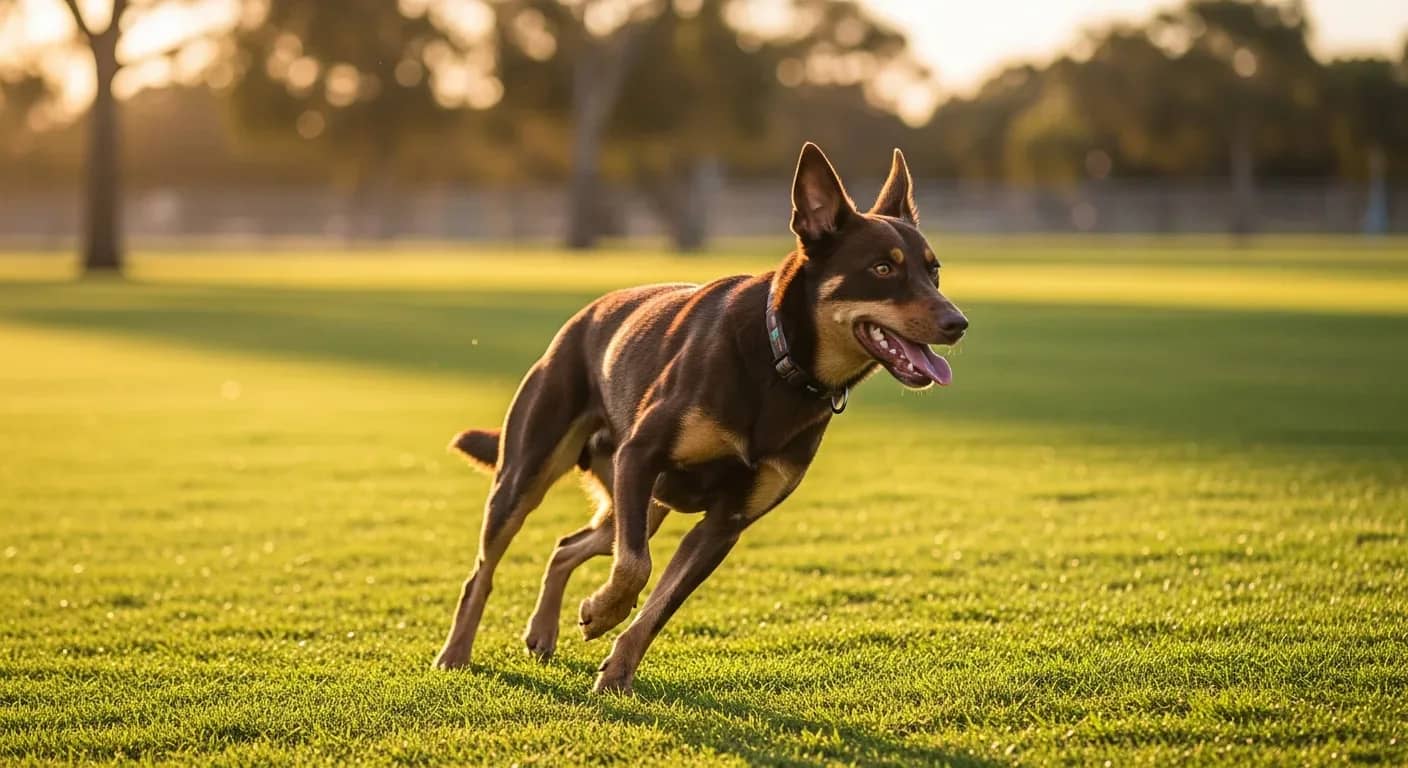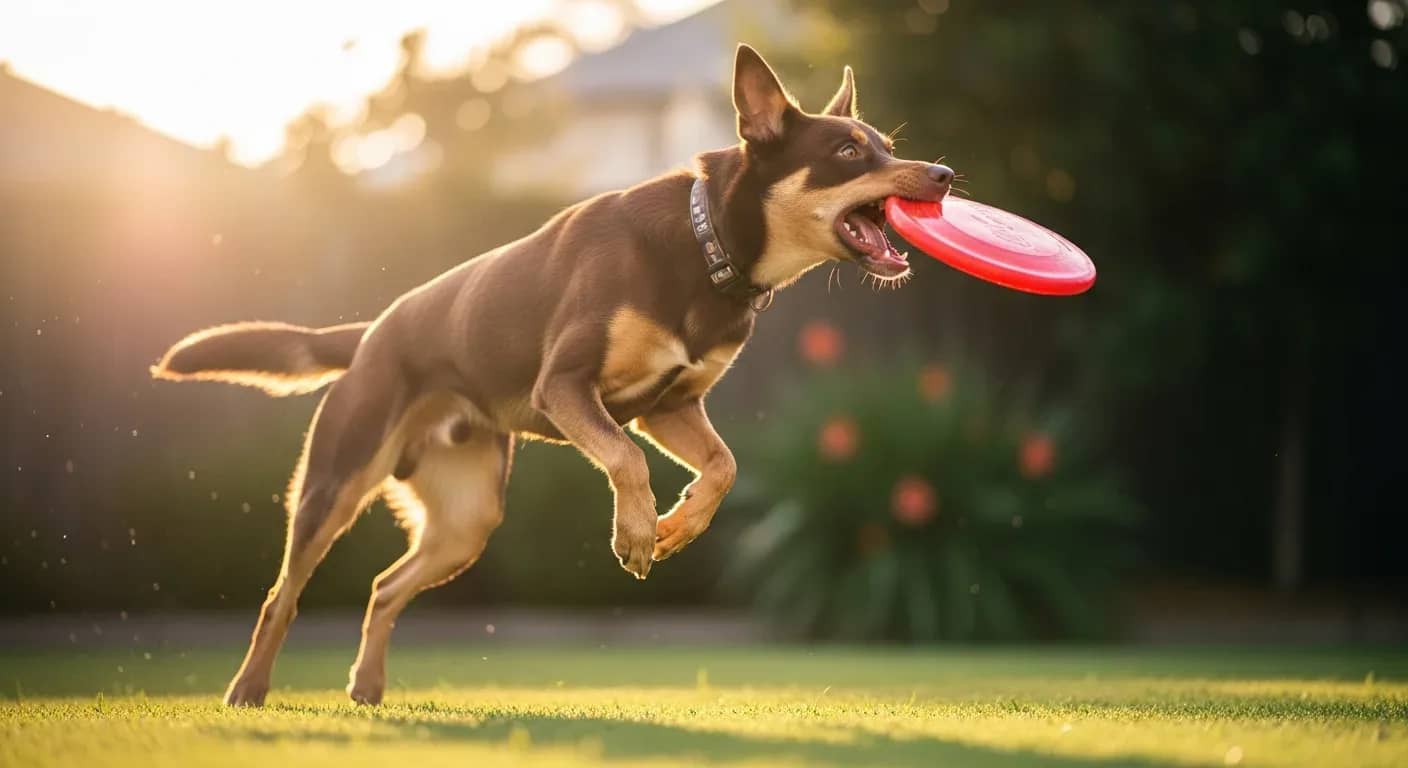

Your Kelpie tears across the backyard like a furry missile, ears pinned back, tongue out, completely in their element. It's hard to imagine anything slowing them down. But even the hardiest working dogs carry genetic vulnerabilities, and Australian Kelpies are no exception. Understanding what to watch for before symptoms appear is one of the most useful things you can do as an owner.
Kelpies were bred to work all day across rough terrain in harsh Australian conditions. That selective pressure produced a genuinely robust breed, but it also locked certain hereditary risks into the gene pool. Some of those risks show up early, some emerge slowly over years, and a few won't appear unless both parents carried a faulty gene. None of them are cause for panic, but all of them are worth knowing.
Hip Dysplasia: The Joint Problem Most Kelpie Owners Miss Early
Hip dysplasia is the most common structural health problem in Australian Kelpies. According to the Orthopedic Foundation for Animals, approximately 8.5% of Kelpies screened are found to have hip dysplasia, a condition where the ball and socket of the hip joint develop incorrectly, causing grinding, instability, and over time, painful arthritis.
The tricky part is the gap between the physical problem forming and the visible symptoms appearing. Hip dysplasia develops during growth but often doesn't show symptoms until middle age. By the time your Kelpie is visibly stiff getting up in the morning or reluctant to jump, the joint has often been degrading for years.
Early signs to watch for include a bunny-hop gait when running, stiffness after rest, reluctance to climb stairs, and reduced endurance on walks your dog previously handled with ease. A vet can confirm hip dysplasia via X-ray, ideally taken when the dog is around 12 to 18 months old as part of a health screening.
Management options range from weight control and controlled exercise to physiotherapy, joint supplements, and in more severe cases, surgical intervention. For Kelpies already showing signs of stiffness, joint supplements formulated for working dogs can support mobility as part of a broader management plan.
Progressive Retinal Atrophy: The Eye Problem You Cannot See Coming
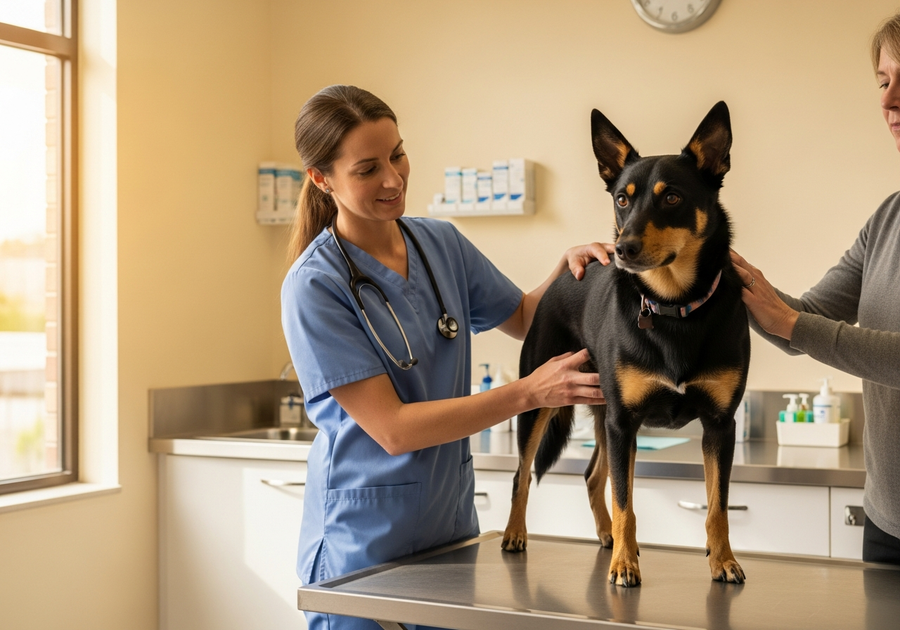
Progressive Retinal Atrophy, or PRA, is a hereditary eye condition where the retina gradually degenerates, beginning with night vision loss and progressing to full blindness over months or years. It is painless, which is why many owners don't realise anything is wrong until their dog starts bumping into furniture in low light.
There is no treatment or cure for PRA. Once degeneration begins, the process cannot be reversed. What can be controlled is whether your dog develops it at all. PRA in Kelpies is autosomal recessive, meaning a dog must inherit the faulty gene from both parents to be affected. A dog carrying only one copy will not go blind but can pass the mutation to its offspring.
Reputable breeders screen parent dogs for PRA status before mating. If you're purchasing a Kelpie puppy, ask for written evidence of PRA testing on both parents. Dogs with results showing "clear" or "carrier" status can still produce healthy offspring when matched correctly, but two carriers bred together creates risk.
If your adult Kelpie begins hesitating at dusk, seems disoriented in dimly lit rooms, or their pupils appear unusually dilated, arrange a veterinary ophthalmology assessment promptly. Kelpies that do lose their vision often adapt remarkably well when their home environment stays consistent, but early confirmation helps you plan effectively.
Cerebellar Abiotrophy: The Neurological Condition Unique to Working Kelpies
Cerebellar Abiotrophy, or CA, is a neurological condition that disproportionately affects Australian Working Kelpies. It involves the degeneration of Purkinje cells in the cerebellum, the brain region responsible for coordination and balance. Research from the University of Sydney confirmed that CA in Australian Working Kelpies has a hereditary basis, inherited as an autosomal recessive trait.
Signs typically appear in young dogs, often before 12 months of age, and include a staggering, wobbly gait, head tremors, difficulty judging distances, and general clumsiness that looks like a puppy that never quite found its coordination. The condition does not cause pain, but it is progressive and there is no cure. Mildly affected dogs can often live comfortable lives with appropriate management, while severely affected dogs may require more significant support.
A DNA test is available for CA in Working Kelpies and is used by responsible breeders to avoid producing affected pups. If you are looking at a Working Kelpie puppy, ask whether CA testing was performed on the parents. Show Kelpies and Working Kelpies are technically the same breed but have developed along different breeding lines, so CA prevalence may vary between the two populations.
Collie Eye Anomaly: A Structural Eye Defect Found in Kelpies
Collie Eye Anomaly, or CEA, is a congenital condition where the tissues of the eye develop abnormally during foetal development. It is typically diagnosed in young puppies and ranges from mild (a small area of underdevelopment that may never affect vision) to severe (retinal detachment and significant vision impairment).
CEA is named after the Rough Collie, where it was first described, but it also appears in Border Collies, Australian Shepherds, and Australian Kelpies, reflecting the shared herding dog lineage. Greencross Vets includes CEA in the list of conditions that can affect the Kelpie breed, and it is worth noting as a potential screening point for breeding dogs.
A veterinary ophthalmologist can diagnose CEA in puppies as young as five to seven weeks old. Mildly affected dogs often have no functional visual impairment and live full, active lives. Severely affected dogs may require monitoring and management, though vision loss cannot be reversed once it occurs.
Luxating Patella: When the Kneecap Slips
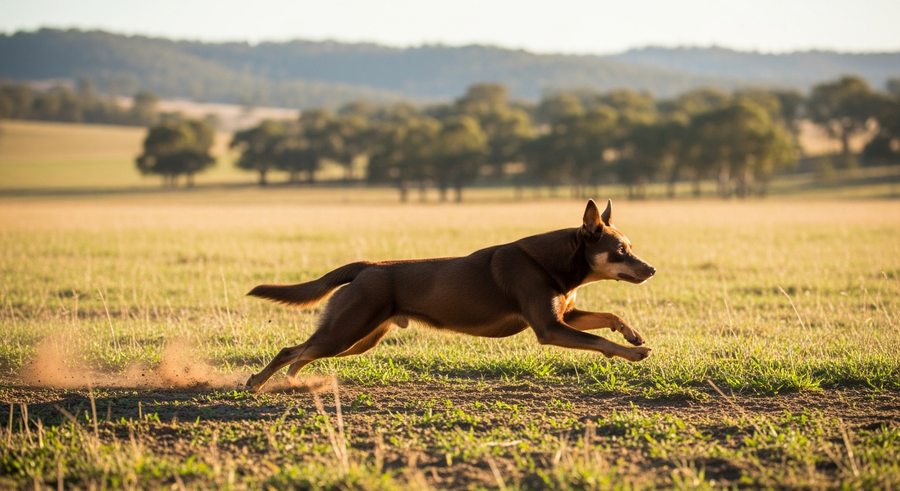
Patellar luxation is a condition where the kneecap slips out of its normal groove, causing a characteristic skipping or hopping movement as the dog tries to walk. In some dogs it pops back on its own; in others it stays displaced, causing pain and long-term joint damage if untreated.
It appears in Australian Kelpies primarily through genetic predisposition, though repetitive high-impact activity on hard surfaces can accelerate the problem. You may notice your dog occasionally lifting a back leg mid-walk, shaking it briefly, then continuing normally. That momentary skip is often the patella relocating itself.
Severity is graded from 1 (rare luxation that relocates on its own) to 4 (permanent dislocation). Grades 1 and 2 can often be managed conservatively with weight management, exercise modification, and physiotherapy. Grades 3 and 4 generally require surgery to prevent progressive joint degeneration.
Cryptorchidism: A Common Reproductive Issue in Male Kelpies
Cryptorchidism is the hereditary condition where one or both testicles fail to descend into the scrotum by the time a puppy reaches a few months of age. It is more common in Kelpies than in many other medium-sized breeds, and it carries health implications beyond just breeding.
Retained testicles are significantly more likely to develop testicular cancer later in life. A retained testicle sitting in the abdomen is also at higher risk of testicular torsion, a painful and potentially life-threatening condition. For these reasons, vets typically recommend surgical removal of undescended testicles, even in dogs that are not used for breeding.
If you have a male Kelpie puppy, your vet will check for testicle descent at early appointments. Most testicles descend by 8 weeks, and if they haven't descended by 6 months, they are unlikely to do so naturally. This is not a complex or urgent emergency, but it does warrant discussion with your vet about timing for desexing.
Skin and Coat Issues: More Common Than Owners Expect
Kelpies are low-maintenance on the grooming front, but their active outdoor lifestyle and double coat make them vulnerable to skin irritation. This is particularly relevant in Australia, where grass seeds, bindi-eyes, and subtropical heat create specific challenges for working and active dogs.
Grass seeds are a seasonal hazard that can embed in the coat, working their way through the skin and causing abscesses or migrating through tissue. Areas between the toes, the ear canals, and under the legs are the most common entry points. After exercise in long grass, particularly from October through April, run your hands through your Kelpie's coat with particular attention to the paws and ears.
Contact allergies and environmental allergies cause itching, redness, and recurrent skin infections in some Kelpies. If your dog is licking paws persistently, rubbing their face on surfaces, or developing recurring hot spots, a skin allergy assessment with your vet is worthwhile. Diet can play a role too, particularly gut health and immune function, with some owners finding that probiotic support helps reduce the frequency of skin flare-ups linked to gut-skin axis disruption.
Dental Disease: The Silent Health Problem in Active Breeds
Dental disease is one of the most common and most preventable health problems in Australian dogs, yet it consistently flies under the radar because dogs rarely show obvious pain until the disease is advanced. By age three, most dogs have some form of periodontal disease, and active breeds like Kelpies are no exception.
Tartar builds along the gumline, bacteria accumulate, and over time the gum and bone supporting the teeth deteriorate. In severe cases, bacteria from dental infections can enter the bloodstream and affect the kidneys, liver, and heart. The good news is that daily toothbrushing with dog-safe toothpaste, combined with regular veterinary dental checks, prevents most cases from progressing to this point.
Starting dental care early makes a significant difference. Puppies that are accustomed to having their mouths handled are far more cooperative as adults. If daily brushing isn't feasible, dental chews and water additives can help reduce plaque, though they are not as effective as brushing.
What Routine Health Screening Looks Like for Kelpies
Given the specific hereditary risks in Kelpies, proactive health screening is worth building into your routine rather than waiting for problems to emerge. Here is what that typically looks like at each life stage.
For puppies aged 8 to 16 weeks, a full physical examination including testicle descent check, eye assessment, and baseline joint palpation is the starting point. If buying from a registered breeder, ask for the PRA and CA test results for both parents before the puppy leaves.
Between 12 and 18 months, hip and elbow X-rays are worth discussing with your vet, particularly if you plan to use your Kelpie for physically demanding work. This is the age when developing joint abnormalities are most clearly visible on imaging, and early intervention gives the best management options.
At annual check-ups, dental scoring, joint assessment, eye inspection, and weight monitoring should be standard. Kelpies are energetic eaters who can quietly gain weight once their activity levels reduce in middle age, and even modest weight gain significantly increases the load on joints already managing early dysplasia.
Understanding your Kelpie's full health picture is easier when you take a systematic approach. The Hero Pet Health resource hub has vet-reviewed guides covering nutrition, supplements, and breed-specific care to help you make informed decisions at each stage of your dog's life. For a broader picture of how these conditions affect longevity, how long Australian Kelpies live is shaped significantly by which health risks are caught early and which are left unmanaged.
The Bottom Line
Australian Kelpies are genuinely hardy dogs with longer lifespans and fewer health problems than many breeds. The conditions covered here are not inevitable, and many Kelpies go their whole lives without experiencing any of them. But understanding the genetic risks, knowing the early signs, and building a relationship with a vet who understands the breed puts you in the best possible position to catch anything early.
If your Kelpie is already showing early signs of stiffness or you want to support their joints proactively, the best joint supplements for Australian Kelpies guide covers what the research actually supports. And if you want a personalised read on your individual dog's health needs, the Hero Health Assessment takes under two minutes and gives you a tailored recommendation based on your dog's age, weight, and lifestyle.