

Most Beagle owners are surprised to learn just how long these little scent hounds can actually live. A well-cared-for Beagle commonly reaches 13, 14, even 15 years, making them one of the longer-lived medium-sized breeds. But that impressive lifespan does not happen by accident.
At Hero Pet Health, we believe every dog deserves to live their longest, healthiest life, and for Beagle owners, understanding what drives longevity in this breed is the first step.
The truth is, a Beagle's longevity comes down to a handful of controllable factors: what they eat, how much they move, which health problems get caught early, and whether their owners know what to watch for as the years pass. This guide walks through everything Beagle owners in Australia need to know about lifespan, the most common causes of death at each life stage, and practical steps to help your Beagle live a long, healthy life.
How Long Do Beagles Live in Australia?
Beagles typically live between 12 and 15 years, with a median lifespan of around 13.5 years. In Australia, anecdotal reports from breeders and rescue groups suggest Beagles frequently reach the higher end of this range when given appropriate preventive care.
Compared to the broader dog population, this puts Beagles comfortably above average. Larger breeds like Irish Wolfhounds average just 6 to 8 years. Even many medium breeds max out at 12 to 13 years. The Beagle's compact frame is one reason for their longevity, as smaller body size tends to correlate with longer life across dog breeds. Research published in Scientific Reports confirmed that body size remains one of the strongest predictors of canine longevity.
Understanding the most common Beagle health problems is one of the best things you can do to protect your dog's lifespan. Knowing the risks ahead of time means you can catch problems early, before they shorten the years you have together.
What Affects a Beagle's Lifespan?
Several factors determine whether your Beagle reaches 12 years or 15. Some are genetic, most are environmental, and a surprising number are within your direct control.
Genetics and Breeding Quality
Beagles from responsible breeders who screen for hereditary conditions tend to live longer. Hip evaluation, eye testing, and cardiac screening are standard in well-run breeding programs. Beagles from unknown backgrounds or puppy mills are more likely to carry hidden genetic problems that surface in middle age.
The Dogs Australia National Breed Register is a useful starting point when researching Beagle breeders in Australia. Reputable breeders follow the breed standard and conduct health testing before breeding.
Weight Management
Beagles are famously food-motivated, which makes them one of the breeds most prone to obesity in Australia. Carrying excess weight puts direct strain on joints, the heart, and metabolic function, and it is a well-established factor in shortened lifespan across all breeds.
A healthy adult Beagle should weigh between 9 and 11 kg for females, and 10 to 13 kg for males. You should be able to feel their ribs without pressing hard, and there should be a visible waist when viewed from above. If your Beagle looks like a barrel from the top down, they need diet adjustment and more movement. Our guide to managing weight in Beagles covers the practical steps in detail.
Diet Quality
What your Beagle eats directly affects how long they live. A diet appropriate for their life stage, calorie needs, and any existing health conditions makes a meaningful difference over time. Beagles are scavengers by instinct; they will eat almost anything given the chance, which means owners need to take the lead on portion control and food quality.
High-quality protein, appropriate fat levels, and real whole-food ingredients support organ health, immune function, and energy across all life stages. For a full breakdown, see our Beagle nutrition and diet guide.
Exercise Levels
Beagles were bred to work all day in the field. They need substantial daily exercise to stay at a healthy weight, maintain muscle mass, and keep their minds occupied. Under-exercised Beagles tend to gain weight, develop behavioural problems, and are more likely to injure themselves chasing something the moment they get off the lead.
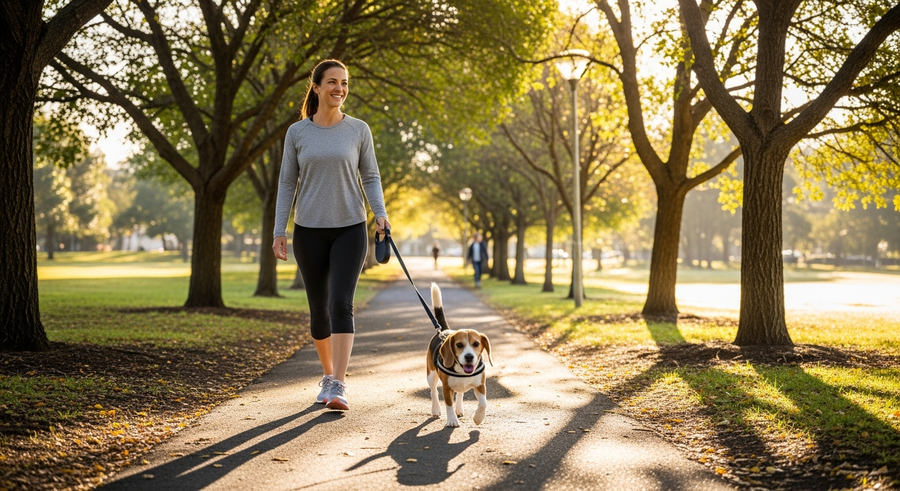
Adult Beagles typically need at least 45 to 60 minutes of proper exercise per day, ideally including off-lead time in a secure area. Read about Beagle exercise needs and activity ideas for age-appropriate routines.

Preventive Veterinary Care
Routine vet visits catch problems before they become serious. For Beagles, annual check-ups in the younger years and twice-yearly exams from age 7 onward allow vets to monitor for the conditions this breed is genuinely prone to, including hypothyroidism, intervertebral disc disease, and certain cancers.
Vaccinations, parasite control, and dental care are not optional extras. Beagles are known for dental disease, and untreated dental issues can lead to systemic infections that genuinely reduce lifespan. Regular professional dental scaling and daily toothbrushing extend both comfort and longevity.
Wondering where to start with your Beagle's health? The Hero Health Assessment takes 2 minutes and gives you a personalised plan based on your dog's age, weight, and lifestyle.
Start the Free AssessmentBeagle Life Stages: What to Expect at Each Age
Understanding how Beagles age helps owners provide the right care at each stage rather than treating a 10-year-old Beagle the same as a 2-year-old.
Puppy: 0 to 12 Months
Beagle puppies are energetic, curious, and intensely smell-driven from day one. The leading cause of death in puppies under 12 months is infection, including parvovirus and distemper. Completing the full vaccination series on schedule is critical, as even vaccinated puppies have a window of vulnerability during the inoculation period when they remain susceptible to parvovirus.
Socialisation during the 3 to 16-week window shapes a Beagle's temperament for life. Well-socialised puppies are more confident, less anxious, and easier to manage throughout adulthood.
Adolescent and Adult: 1 to 7 Years
This is the Beagle's prime. They are physically mature, mentally capable, and full of energy. The main risk in this period is trauma, specifically being hit by a vehicle. Beagles follow their nose with complete single-mindedness and have no road sense whatsoever. Secure fencing and on-lead walking near traffic are non-negotiable.
Obesity risk also climbs in this phase, especially after desexing. Monitor weight carefully and adjust food portions as activity levels change.
Senior: 8 Years and Older
Most vets consider a Beagle senior from around 8 years of age. At this point, the body starts showing the signs of aging: slower recovery from exercise, possible greyness around the muzzle, and the emergence of chronic conditions like arthritis, hypothyroidism, or cognitive changes.
Cancer becomes the most common cause of death in senior Beagles. A University of Georgia study that followed over 74,000 dogs across 82 breeds found that cancer is the leading cause of death in adult dogs generally, and Beagles are not exempt. Catching lumps, masses, or unexplained weight loss early gives far better treatment options.
The Leading Causes of Death in Beagles
Knowing what actually kills Beagles at different life stages helps owners focus preventive efforts where they matter most.
In Puppies (Under 1 Year)
- Infectious disease (parvovirus, distemper)
- Congenital defects
- Trauma (accidental injury)
In Adults (1 to 7 Years)
- Trauma (vehicle accidents are the top cause)
- Obesity-related complications (heart disease, diabetes, joint failure)
- Intervertebral disc disease (Beagles have a genetic predisposition)
In Senior Beagles (8 Years and Older)
- Cancer (the single most common cause of death)
- Heart disease
- Kidney failure
- Neurological conditions
Many of these causes are either preventable (trauma, obesity complications) or significantly more treatable when caught early (cancer, heart disease). Regular vet visits and attentive daily observation from owners make a real difference.
Health Conditions That Can Shorten a Beagle's Life
Beagles are a generally robust breed, but they carry genetic predispositions to certain conditions worth knowing about. Many of these are manageable, particularly when identified before they progress.
Intervertebral Disc Disease (IVDD)
Beagles are a chondrodystrophic breed, meaning their cartilage develops differently than in some other dogs. This makes them susceptible to intervertebral disc disease, where the cushioning discs between spinal vertebrae degenerate or rupture. Signs include reluctance to climb stairs, crying when touched along the spine, and in severe cases, partial or full paralysis. Weight management reduces the load on the spine and is one of the most effective preventive measures.
Hypothyroidism
Beagles are among the breeds most commonly diagnosed with hypothyroidism, a condition where the thyroid gland underproduces essential hormones. Symptoms include unexplained weight gain, lethargy, hair loss, and skin thickening. The good news is that hypothyroidism is easily managed with daily oral medication once diagnosed, and most affected Beagles live a completely normal lifespan with treatment.
Epilepsy
Beagles have a higher-than-average rate of epilepsy, with a genetic component identified in the breed. Epileptic Beagles can live full lives with appropriate anti-seizure medication and monitoring. Owners who notice their Beagle having unexplained episodes of muscle stiffness, convulsing, or losing consciousness should seek veterinary assessment promptly.
Dental Disease
Left untreated, dental disease allows bacteria to enter the bloodstream and cause damage to the heart, liver, and kidneys. Beagles are prone to tartar buildup, and many develop significant dental disease before the age of 3 without preventive care. Daily brushing combined with professional dental scaling as recommended by your vet is the most effective approach.
Beagle Pain Syndrome (Steroid-Responsive Meningitis Arteritis)
Beagle pain syndrome is an immune-mediated inflammatory condition specific to Beagles and a small number of other breeds. Affected dogs typically show neck pain, fever, reluctance to move, and a hunched posture. It usually appears in young adult Beagles between 6 and 18 months. The condition responds well to corticosteroid treatment when caught early, with most dogs making a full recovery.
How to Help Your Beagle Live Longer
The practical actions that extend Beagle lifespan are straightforward, though they do require consistency over years, not just weeks.
Keep them at a healthy weight
This single factor may do more to extend your Beagle's life than any other. Measure food portions, account for treat calories, and weigh your Beagle monthly. If their weight is creeping up, act early before it compounds.
Secure your property
Beagles follow scent trails with total focus. Vehicle accidents are the leading cause of death in adult Beagles. Solid fencing with no gaps or dig-under points, and on-lead walking near roads, saves lives.
Dental care from early on
Start tooth brushing as a puppy so your Beagle tolerates it as an adult. Pair daily brushing with annual professional dental checks, and dental treats or water additives as supplementary support.
Exercise appropriately for age
Young and adult Beagles need vigorous daily exercise. Senior Beagles still need movement, but pace and duration should match their energy levels and joint comfort. Low-impact activities like sniff walks, where the dog leads by nose rather than pace, provide excellent mental stimulation for older dogs with reduced mobility. Our guide to Beagle exercise needs covers how to adapt routines across life stages.
Regular vet check-ups
Annual exams for dogs under 7, twice yearly for senior Beagles. Blood panels from age 7 onward catch organ changes before they become critical. Do not skip these because your Beagle seems fine. Many serious conditions show no obvious symptoms until they are advanced.
Mental stimulation
Bored Beagles are unhappy Beagles. Chronic stress from boredom or separation anxiety takes a physical toll over time. Puzzle feeders, scent work, and consistent daily interaction support both mental health and general wellbeing.
When Is a Beagle Considered Old?
Most veterinarians classify Beagles as senior from around 8 years of age. At this point, check-up frequency should increase, and owners should begin watching more closely for age-related changes: reduced stamina, increased sleep, stiffness after rest, changes in appetite, or behavioural shifts that might suggest cognitive changes.
Many Beagles show no obvious signs of ageing until 10 or 11 years. Some continue hiking, swimming, and playing with near-puppy energy well into their early teens. But monitoring does need to increase regardless of how youthful a senior Beagle appears, because internal changes often precede visible ones.
If your Beagle is approaching their senior years, talk to your vet about a senior wellness bloodwork panel. Baseline values from when your dog is healthy make it much easier to spot meaningful changes later.
The Bottom Line
Beagles are one of the longer-lived medium-sized breeds, with a typical lifespan of 12 to 15 years in Australia. How close they get to that upper end depends significantly on the care they receive throughout their life: appropriate weight, daily exercise, preventive vet care, dental health, and protection from trauma.
The good news is that most of the factors that shorten Beagle lives are within an owner's control. Knowing the risks, watching for the signs, and acting early when something seems off gives your Beagle the best chance at a long, comfortable life. For a full picture of the health conditions to watch for, see our complete guide to Beagle health problems every owner should know.