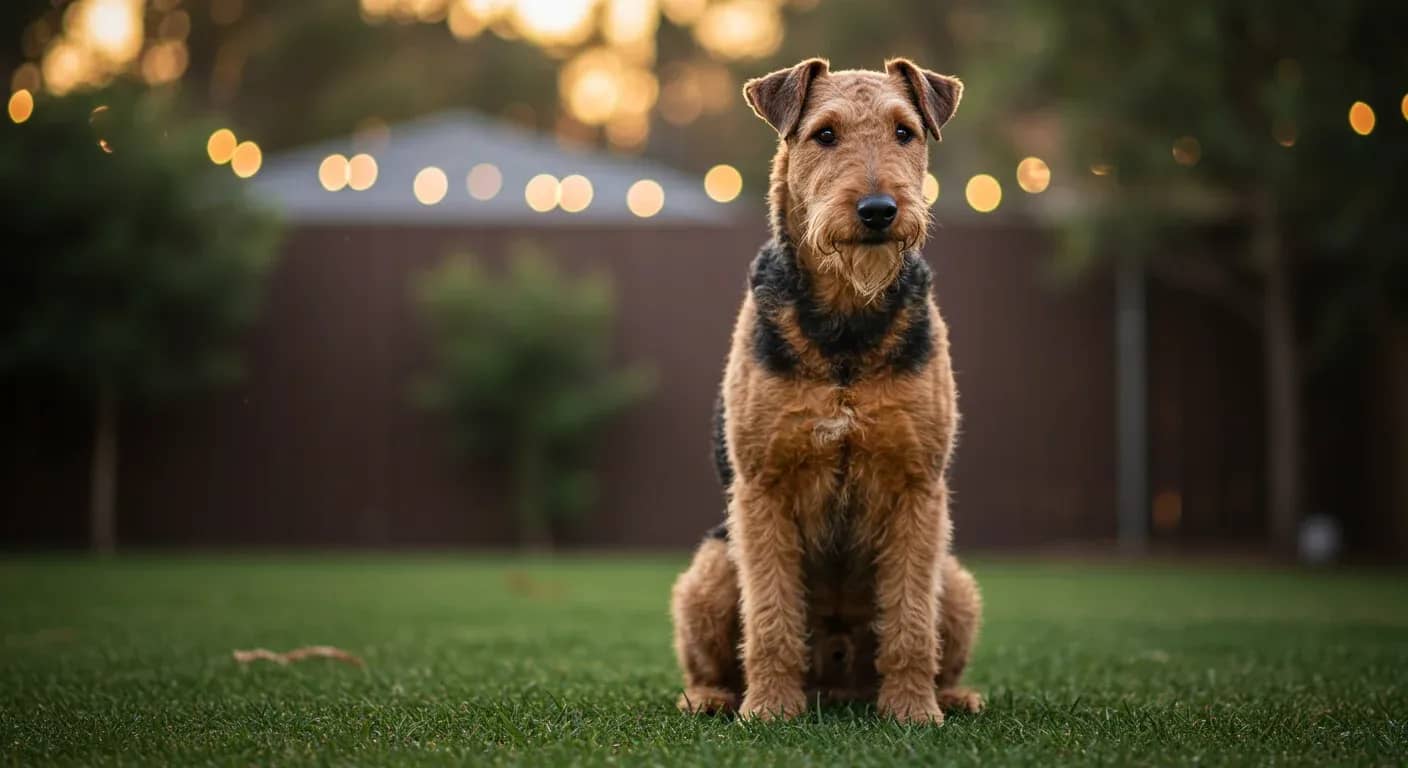

You might notice your Bichon's coat seems to require more attention than other breeds. That distinctive powder-puff appearance doesn't maintain itself, and many owners discover that standard grooming tools simply don't work effectively on their dog's unique coat texture.
The curly, dense, and fine coat that makes these dogs so appealing also creates specific grooming challenges. Without proper tools and techniques, what should be a manageable routine can quickly become frustrating for both you and your dog.
Understanding your dog's coat requirements
The Bichon's double coat consists of a soft, dense undercoat topped with curly outer guard hairs. This combination creates the breed's signature look but also means that loose hair gets trapped rather than falling out naturally. Research shows that this coat type requires brushing at least 3-4 times per week to prevent mats from forming.
Many Bichon owners worry when they see small tangles developing, but this is completely normal given the coat structure. The key is addressing these tangles before they become painful mats that require professional intervention.
Starting a grooming routine early makes an enormous difference. Puppies that experience gentle brushing every few days develop tolerance and often enjoy grooming sessions as they mature. Adult dogs introduced to grooming later may need more patience and gradual conditioning.
Essential grooming tools that actually work
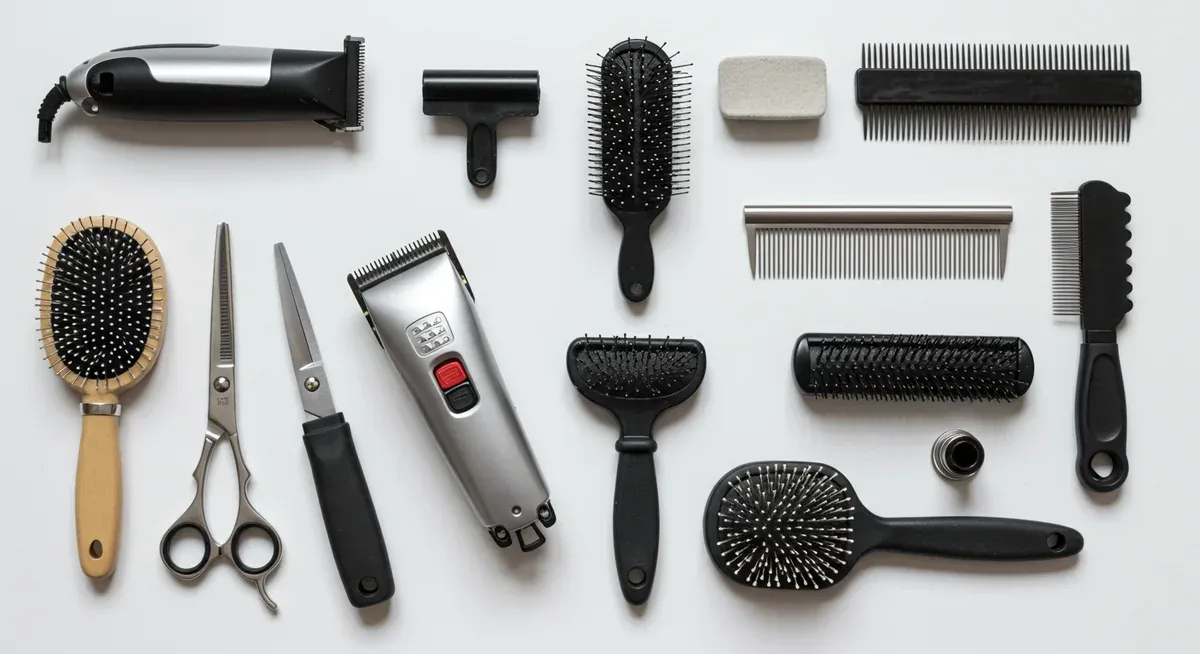
High-quality clippers with sharp blades and multiple comb attachments form the foundation of effective home grooming. Quiet, high-speed clippers designed for thick coats help keep anxious dogs calm while efficiently working through dense areas. The investment in professional-grade clippers, typically ranging from $50 to $200, pays off in easier grooming sessions and better results.
A soft or medium slicker brush serves as your primary detangling tool. Used gently, it removes loose hair and undercoat without damaging the natural curl pattern. Follow up with a pin brush to lift the hair away from the skin, maintaining the volume that gives these dogs their characteristic fluffy appearance.
Grooming scissors in various lengths handle the detailed work around sensitive areas. Chunker scissors, such as the Groom Professional Luminosa Chunker Scissor, allow for natural finishes and precise shaping, particularly important for maintaining the rounded head shape that defines the breed standard.
A dematting comb becomes essential when tangles do form. This specialized tool gently breaks up mats without cutting the hair, preserving coat length and density. Many owners find this tool invaluable for addressing problem areas before they require scissor work.
Bathing and drying techniques
Bathing every 3-4 weeks using hypoallergenic shampoo maintains coat health without over-drying the skin. Specialty whitening shampoos like DezynaDog Light and Bright, costing around $15-30 per bottle, help maintain the bright white coat colour while being gentle on sensitive skin.
The drying process proves just as important as the washing. High-velocity dryers, ranging from $100-300, thoroughly remove moisture that can lead to skin infections. Hands-free models allow you to brush while drying, helping to fluff the curls and prevent matting as the coat dries.
Never allow a Bichon's coat to air dry completely. The dense undercoat retains moisture for hours, creating ideal conditions for bacterial growth and skin irritation. Thorough drying also helps maintain the coat's natural volume and texture.
Mastering the brushing routine
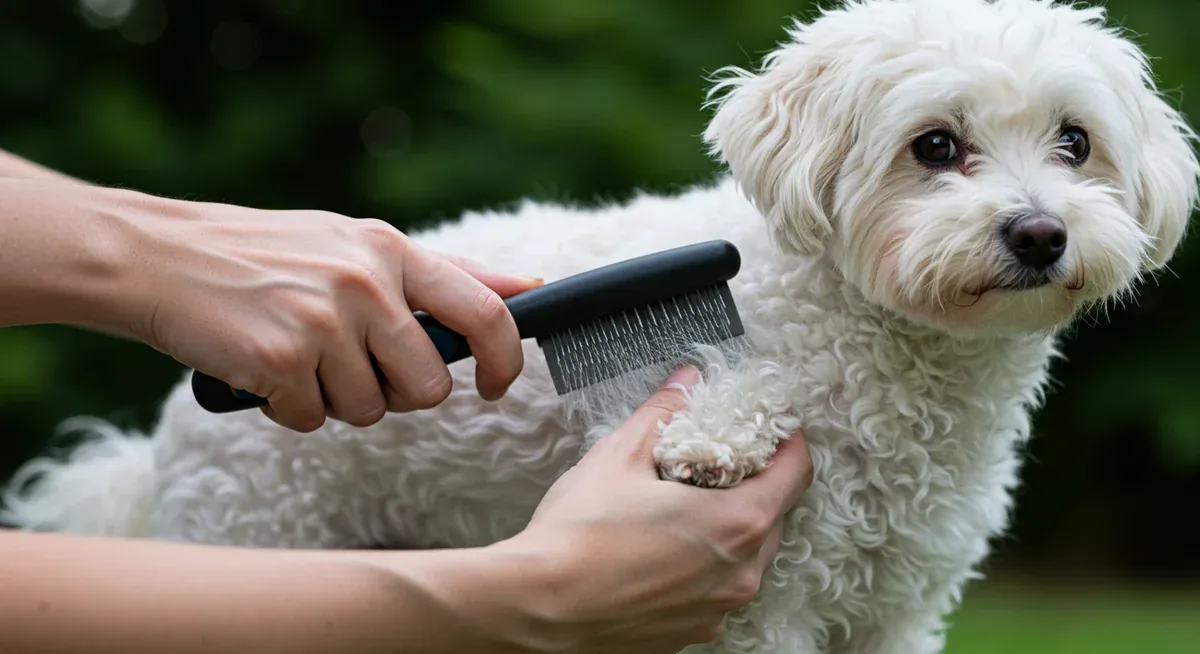
Begin each session with the slicker brush, working systematically through the coat to remove loose hair and minor tangles. Start at the legs and work upward, brushing in the direction of hair growth. Pay special attention to areas where matting commonly occurs: behind the ears, under the arms, and around the rear legs.
Follow with a pin brush to lift and separate the hair, creating the fluffy texture these dogs are known for. This two-step process ensures you address both the undercoat and the outer guard hairs effectively.
The head requires the most delicate approach. Brush gently from back to front, being careful around the eyes and ears. Many dogs find head brushing uncomfortable initially, so build tolerance gradually with short, positive sessions.
Trimming and shaping techniques
Professional grooming every 4-6 weeks maintains coat health and the breed's distinctive appearance, but home maintenance between visits keeps your dog comfortable and looking neat. Use clippers for body work, moving in downward strokes to maintain even length across the torso and sides.
Scissors handle the detailed shaping work. Blending scissors create smooth transitions on the legs, while chunker scissors shape the head and face. The goal is maintaining the rounded, teddy bear-like appearance that characterises a well-groomed Bichon.
Focus particularly on the feet, keeping hair trimmed short enough to prevent debris collection but long enough to maintain the breed's fluffy appearance. Regular trimming also prevents painful matting between the toes.
Preventing and addressing common problems
Matting remains the most frequent grooming challenge. When mats do form, work on them immediately using a dematting comb and patience. Hold the hair close to the skin to prevent pulling, and work from the outside of the mat inward. Severe mats may require professional removal to avoid skin damage.
Skin irritations often develop from inadequate drying or harsh products. Monitor for redness, excessive scratching, or unusual odours. Hypoallergenic shampoos and thorough drying prevent most skin issues, but persistent problems warrant veterinary consultation.
Grooming anxiety affects many dogs, particularly those not accustomed to handling. Use quiet equipment, maintain a calm environment, and keep initial sessions short and positive. Most dogs adapt within 2-3 weeks of consistent, gentle handling.
Building a sustainable routine
Success with Bichon grooming comes from consistency rather than perfection. Short, frequent brushing sessions work better than lengthy weekly marathons. Most owners find that 10-15 minutes of brushing every other day prevents most problems and keeps their dog comfortable.
Professional grooming monthly, combined with diligent home care, maintains both coat health and appearance. This approach also allows you to monitor your dog's skin condition and catch potential issues early.
Remember that grooming serves health purposes beyond appearance. Regular brushing distributes natural oils, removes debris, and provides opportunities to check for lumps, cuts, or skin changes. Many owners discover that their dogs genuinely enjoy the attention and bonding time that grooming provides.
The American Kennel Club (AKC) recommends regular professional grooming every 4-6 weeks for Bichon Frises to maintain their distinctive coat and prevent painful matting. For more grooming guides, see Schnauzer grooming techniques, managing German Shepherd shedding, and Airedale training and care.
Related reading
See also our guides on small dog mental enrichment and French Bulldog care considerations.