

Boston Terriers are one of those breeds that seem to charm everyone they meet. Compact, expressive, and full of personality, they've earned the nickname "the American Gentleman" for good reason. But as any experienced owner will tell you, those big eyes and flat faces come with some specific health considerations worth knowing about before any problems arise.
This guide covers the health issues most commonly seen in Boston Terriers in Australia, what signs to watch for, and what you can do to support your dog's wellbeing over the long term. Boston Terriers generally live 11 to 13 years, and with the right care and early awareness, many owners see their dogs comfortably reach that upper range. For more on what shapes longevity in this breed, our Boston Terrier lifespan guide covers the key factors in detail.
Brachycephalic Obstructive Airway Syndrome (BOAS)
The most significant health consideration for Boston Terriers is their brachycephalic anatomy. That flat face and compressed skull structure, the trait that makes them so instantly recognisable, also affects how they breathe. Brachycephalic Obstructive Airway Syndrome (BOAS) is the catch-all term for the breathing difficulties this anatomy can cause.
Three anatomical features contribute to BOAS in Boston Terriers:
- Stenotic nares: Narrowed nostril openings that restrict airflow on each breath
- Elongated soft palate: The roof of the mouth extends further back than it should, partially obstructing the airway
- Everted laryngeal saccules: Small pouches in the throat that can protrude into the airway
Not every Boston Terrier is equally affected. Some breathe easily and live full, active lives with minimal intervention. Others struggle significantly, particularly in warm weather or during exercise. Signs of breathing difficulty include noisy breathing at rest, loud snoring, laboured breathing after mild exercise, and in more severe cases, blue-tinged gums or collapsing episodes, both of which require immediate veterinary attention.
Heat is a serious risk for brachycephalic breeds. Boston Terriers cool themselves less efficiently than dogs with longer snouts, making them vulnerable to heatstroke in Australia's warm climate. Keep your dog in air conditioning during hot days, avoid exercise during the hottest parts of the day, and never leave them in a parked car.
Surgical correction is available for Boston Terriers with more severe BOAS and can significantly improve quality of life. Your vet can assess whether your dog's anatomy warrants surgical intervention. Starting with a reputable breeder who health-tests breeding stock reduces the risk of inheriting more severe anatomical abnormalities.
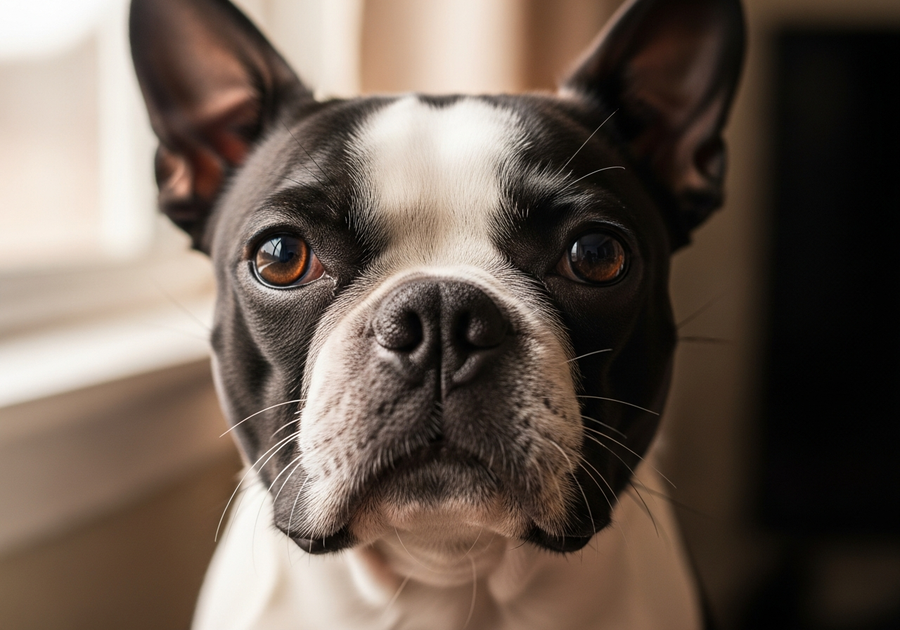
Eye Problems: A Boston Terrier Priority
Those large, prominent eyes are one of a Boston Terrier's most endearing features. They're also one of the breed's most vulnerable. The combination of shallow eye sockets and protruding eyes means Boston Terriers have less natural eye protection than most breeds, making injuries and eye conditions more common.
The most frequently seen eye issues in this breed include:
Corneal Ulcers
Boston Terriers are prone to scratches and abrasions on the cornea, the clear outer surface of the eye. These can happen from minor incidents: a rough play session, a brush against vegetation, or even self-inflicted scratching. Corneal ulcers cause pain, squinting, excessive tearing, and a cloudy appearance over the eye. They can progress quickly without treatment, so any sign of eye discomfort warrants a same-day vet call.
Cataracts
Boston Terriers have a higher-than-average risk of hereditary cataracts, which can develop relatively early in life compared to most breeds. Cataracts cause a cloudy or opaque appearance to the lens of the eye and progressively impair vision. Juvenile cataracts can sometimes appear in dogs as young as two to three years of age in this breed. Regular eye checks help catch this early, when management options are broader.
Glaucoma
Glaucoma occurs when fluid pressure builds up inside the eye, damaging the optic nerve. In Boston Terriers, it can develop acutely (sudden, painful, and vision-threatening) or chronically over time. Signs include a visibly enlarged eye, redness, cloudiness, and obvious pain. Acute glaucoma is a veterinary emergency. Eye pressure testing is part of a thorough annual health check for this breed.
Cherry Eye
Cherry eye happens when the gland in the third eyelid prolapses and becomes visible as a red, fleshy mass in the inner corner of the eye. It looks alarming but is not immediately painful. Surgical repositioning of the gland is the standard treatment. Leaving it untreated long-term can cause chronic irritation and dry eye.
Keratoconjunctivitis Sicca (Dry Eye)
Dry eye occurs when the tear glands don't produce adequate moisture. The cornea becomes chronically irritated and vulnerable to infection. It often causes a thick, mucousy discharge and frequent eye infections. Daily lubricating eye drops and sometimes immunomodulatory medication manage this condition effectively.
A practical habit for Boston Terrier owners: check your dog's eyes daily. You're looking for cloudiness, redness, discharge, squinting, or any change in the normal appearance of the eye. Catching eye problems early makes a significant difference to outcomes.
Patellar Luxation
Patellar luxation, where the kneecap slides out of its normal groove, is one of the most common joint issues in small breeds, and Boston Terriers are no exception. The kneecap typically pops back into place on its own, and the dog will often skip or hop for a few steps, then resume normal walking. This can be so brief that owners miss it.
Vets grade patellar luxation from I to IV based on severity. Grade I cases are mild and may never need treatment beyond monitoring. Grade III and IV cases typically require surgical correction. Untreated severe patellar luxation contributes to ongoing joint inflammation, discomfort, and eventually arthritis.
Weight management plays a direct role in how well dogs with patellar luxation cope. Extra body weight puts more stress on joints and accelerates wear. Keeping your Boston Terrier at a healthy weight is one of the most practical things you can do to reduce the impact of this condition over the long term. For a broader look at joint health support options, the dog joint health hub covers the key strategies in detail.
If you notice your dog occasionally skipping steps, holding a back leg up briefly, or seeming reluctant to jump, mention it to your vet at your next appointment. Regular check-ups allow vets to track patellar luxation grade over time.
Hemivertebrae: A Spine Concern
Boston Terriers have a characteristically short, often slightly corkscrew-shaped tail. This tail shape is caused by hemivertebrae, a condition where one or more vertebrae form in a wedge or butterfly shape rather than the normal rectangular shape. The same malformation that causes the distinctive tail can also occur in the spine itself, where it can have more significant consequences.
Spinal hemivertebrae in the thoracic (mid-back) region can cause compression of the spinal cord, leading to symptoms ranging from mild wobbling to progressive weakness or paralysis of the hind limbs. Some dogs with hemivertebrae never show any neurological symptoms at all. Others develop progressive signs as they age.
Signs that warrant veterinary attention include an unsteady gait, knuckling of the hind paws, weakness in the back legs, or changes in bladder or bowel control. X-rays and MRI can assess the location and severity of any spinal hemivertebrae. Treatment ranges from supportive management and anti-inflammatory medication to spinal surgery in severe cases.

Skin Allergies and Dermatitis
Skin problems are among the most common reasons Boston Terriers visit the vet. The breed's facial skin folds, combined with a genetic tendency toward allergies, makes skin issues a recurring concern for many owners.
Environmental allergies, food allergies, and contact allergies can all affect Boston Terriers. Common signs include excessive scratching, paw licking, recurring ear infections, red or inflamed skin, and patches of hair loss. The skin folds around the face and tail area are particularly prone to bacterial and yeast infections if not kept clean and dry.
For more detail on managing this specific concern, our guide to Boston Terrier skin issues covers the causes and treatments in detail.
If food allergies are suspected, a dietary elimination trial is the gold standard for identifying the culprit ingredient. This typically takes 8 to 12 weeks and requires strict adherence to the new diet. Your vet can guide you through the process properly.
Daily cleaning of the facial skin folds with a gentle, dog-safe wipe prevents moisture and debris buildup that leads to fold dermatitis and infection. For Boston Terriers prone to allergies, keeping an eye on the skin year-round, not just during flare-ups, reduces the frequency and severity of episodes.
Deafness
Congenital deafness is more common in Boston Terriers than in most breeds. It's linked to the same genetic pigmentation patterns responsible for the breed's white markings. Dogs with more white on the head, particularly those with predominantly white or piebald patterning, have a higher statistical risk of congenital deafness.
Deafness can affect one ear (unilateral) or both (bilateral). Dogs with unilateral deafness often function well and owners may not notice the deficit for years. Bilateral deafness is more obvious and requires training adaptations.
The BAER test (Brainstem Auditory Evoked Response) is a reliable diagnostic tool for evaluating hearing in dogs and can be performed as young as six weeks. Responsible breeders BAER-test their breeding stock and litters. If you have any concern about your dog's hearing, or if they're unusually unresponsive to sounds, speak to your vet about testing.
Epilepsy and Seizures
Boston Terriers have a higher-than-average incidence of epilepsy compared to many breeds. Idiopathic epilepsy, where no underlying structural cause is found, can develop between one and five years of age. Seizures can range from brief focal episodes to full generalised tonic-clonic events.
A single isolated seizure doesn't necessarily mean a dog has epilepsy, but any seizure should prompt a vet visit. If your dog has multiple seizures, or a seizure lasting more than five minutes (status epilepticus, which is a medical emergency), seek urgent veterinary attention. Most dogs with epilepsy can be managed effectively with medication that reduces frequency and severity of events significantly.
Gut Health and Digestive Sensitivity
Boston Terriers are a breed many owners describe as "gassy." The flat face and the way these dogs eat, often gulping air during meals, contributes to flatulence and digestive discomfort. Beyond flatulence, some Boston Terriers have genuinely sensitive digestive systems that benefit from a consistent, high-quality diet and attention to what they eat.
Dietary allergies, as discussed in the skin section, often manifest as digestive symptoms as well: loose stools, vomiting after meals, and variable appetite. If your Boston Terrier has recurring digestive upsets, a food trial may be warranted.
Slow-feeder bowls reduce air gulping at mealtimes and can make a practical difference to post-meal comfort. Some owners also find that dividing the daily food allowance into two or three smaller meals rather than one large meal reduces bloating and regurgitation. For context on the broader role of gut health in dogs, our dog gut health guide covers the signs of a gut that needs support and what to do about it.
Heart Conditions
Congenital heart disease, including defects in how the heart valves form, can occur in Boston Terriers. Heart murmurs are sometimes detected on routine physical examination in young or middle-aged dogs. Not every heart murmur progresses to significant heart disease, but regular cardiac assessment allows your vet to track any changes over time.
As Boston Terriers age, regular cardiac check-ups become increasingly important. Exercise intolerance, persistent coughing, and laboured breathing can all indicate cardiac issues worth investigating. Annual vet checks that include auscultation of the heart are the best early detection tool available.
Supporting Your Boston Terrier's Health in Australia
Understanding the common Boston Terrier health problems in Australia helps you advocate effectively for your dog. Being aware means earlier intervention, better outcomes, and fewer emergency situations.
Some practical habits worth building for Boston Terrier owners:
- Daily eye checks: Look for cloudiness, redness, squinting, or discharge. These dogs' prominent eyes are vulnerable.
- Clean facial folds daily: Moisture and debris in skin folds causes bacterial and yeast infections quickly in this breed.
- Manage heat carefully: Exercise before 8am or after 6pm during summer. Air conditioning is a health tool, not a luxury, for brachycephalic breeds in Australia.
- Watch body weight closely: Boston Terriers are prone to obesity, which worsens patellar luxation, breathing difficulties, and joint health.
- Twice-yearly vet check-ups for dogs over five, annually for younger dogs
- Annual eye pressure checks to screen for glaucoma from middle age onwards
For dogs showing early signs of joint stiffness or reduced mobility, supporting joint health proactively is worth discussing with your vet. Keeping joints well-supported before problems become obvious gives better long-term outcomes than waiting. If you're looking at daily joint supplement options for your Boston, the best dog joint supplements guide for Australia 2026 covers what ingredients to look for and how the main formulas compare.
Diet and digestive health also play a longer role than many owners realise. A well-functioning gut supports everything from skin health to immune function. If your Boston Terrier struggles with recurring skin flare-ups or digestive sensitivity, it's worth looking at both together.
Reputable breeders health-test for conditions like hereditary cataracts, patellar luxation, and deafness. If you're sourcing a Boston Terrier puppy, ask specifically what health testing the parents have had. It makes a real difference to your dog's baseline health risk.
When to Call Your Vet Urgently
Some situations in Boston Terriers need same-day or emergency veterinary care:
- Blue or pale gums (oxygen deprivation, serious breathing issue)
- Collapse or sudden inability to stand
- Sudden eye cloudiness, severe pain, or a rapidly enlarging eye (suspect acute glaucoma)
- Seizure lasting more than five minutes, or multiple seizures within 24 hours
- Signs of heatstroke: heavy panting, drooling, disorientation, collapse
- Progressive hind leg weakness or loss of bladder or bowel control
For anything else, if you notice a change from your dog's normal, trust your instincts and call the vet. Boston Terriers can be stoic about discomfort. A change in behaviour, energy, or appetite is often the first sign something needs attention.
The Bottom Line for Boston Terrier Health
Boston Terriers are a rewarding breed to own. They're affectionate, adaptable, and form strong bonds with their families. The health considerations outlined here are not a reason to avoid the breed. They're a reason to be informed and proactive.
The most impactful things you can do are routine: regular vet checks, daily eye and skin care, weight management, and prompt attention to anything that seems off. Most of the health issues this breed faces respond well to early intervention.
Every Boston Terrier is different. If you want a personalised view of what your specific dog might benefit from based on their age, weight, and lifestyle, the Hero Health Assessment gives you a tailored recommendation in under two minutes.