
You might notice your Border Collie hesitating at the bottom of the stairs or moving differently after a long walk. These subtle changes can be easy to miss in such an active breed, but they may signal hip dysplasia, a degenerative joint condition that affects many dogs. Understanding what to watch for and how to manage this condition can make a significant difference in your dog's comfort and mobility.
According to the American Kennel Club, hip dysplasia is a hereditary condition where the hip joint develops abnormally, and while Border Collies are less commonly affected than some breeds, active working dogs require careful monitoring.
Hip dysplasia develops when the hip joint forms abnormally, creating looseness between the ball and socket. This instability leads to cartilage damage and arthritis over time. While Border Collies have a moderate risk compared to larger breeds, their intense activity levels can put additional stress on compromised joints.
Recognising the early warning signs
Many Border Collies show subtle symptoms initially because of their naturally high pain tolerance and drive to remain active. The first signs often appear as changes in behaviour rather than obvious limping.
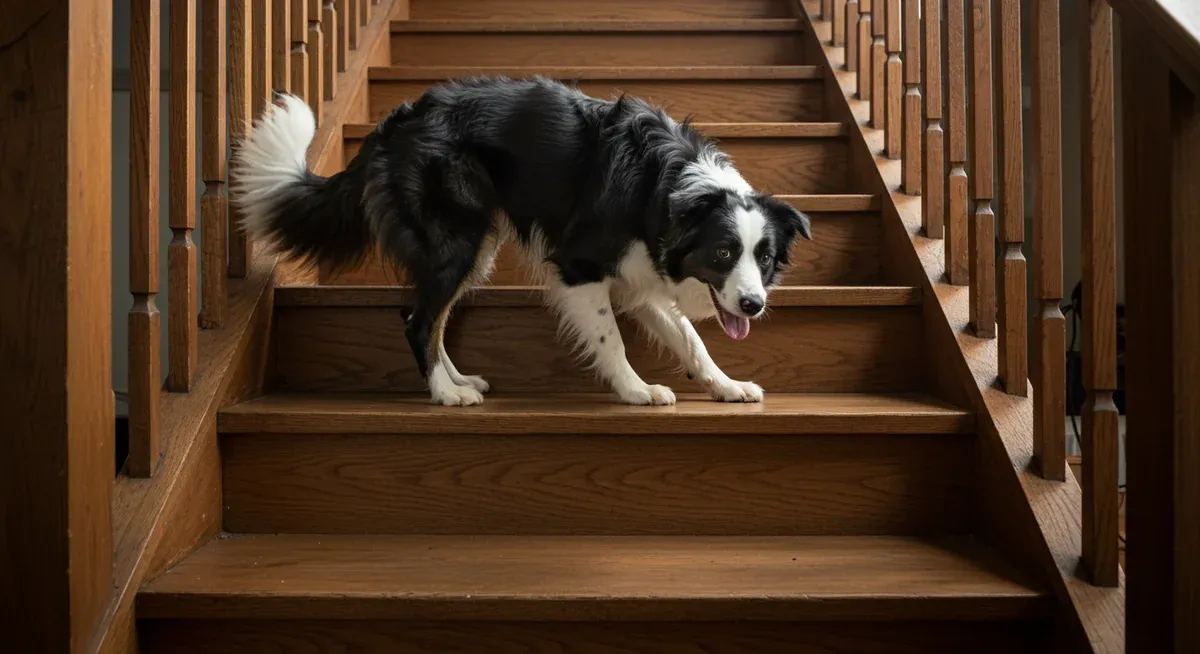
Watch for difficulty rising from sitting or lying down, particularly after rest periods. Your dog might take longer to get up in the morning or seem stiff after naps. You may also notice reluctance to climb stairs, jump into the car, or leap onto furniture they previously accessed easily.
One of the most telling signs in these dogs is decreased interest in exercise or play. When a typically energetic breed starts avoiding activities they once loved, it often indicates discomfort. Some dogs develop an intermittent lameness that comes and goes, making it easy to dismiss as a minor injury.
The "bunny hopping" gait is particularly common in affected dogs. Instead of alternating their hind legs when running or climbing stairs, both legs move together. This compensatory movement helps reduce stress on painful hip joints.
As the condition progresses, you might notice muscle loss in the hind legs due to reduced use, stiffness after exercise, and sensitivity when the hip area is touched. Some dogs become irritable or depressed due to chronic pain, showing personality changes that concern their owners.
Getting a proper diagnosis
If you suspect hip problems, your veterinarian will start with a physical examination, manipulating the hind legs to assess joint looseness, pain, and range of motion. They'll look for grinding sensations in the joint and note your dog's reactions to specific movements.
X-rays provide the definitive diagnosis, showing the severity of joint malformation and any arthritis development. Your vet will want a detailed history of symptoms, including when you first noticed changes and how they've progressed.
Blood work may be recommended to check for inflammation markers and rule out other conditions. Early diagnosis is crucial because it allows for interventions that can slow progression and improve long-term outcomes.
Understanding the causes
Hip dysplasia results from a combination of genetic predisposition and environmental factors. The condition involves looseness in the muscles, ligaments, and joint capsule surrounding the hip, causing the ball and socket to lose their proper fit.
While genetics play a major role, environmental factors during puppyhood can influence development. Over-exercising young puppies, rapid growth, and excessive jumping during the critical growth period can worsen the condition in genetically susceptible dogs.
Research shows that the high activity levels typical of working breeds can put additional stress on developing joints, making careful exercise management particularly important during the first year of life.
Managing symptoms through lifestyle changes
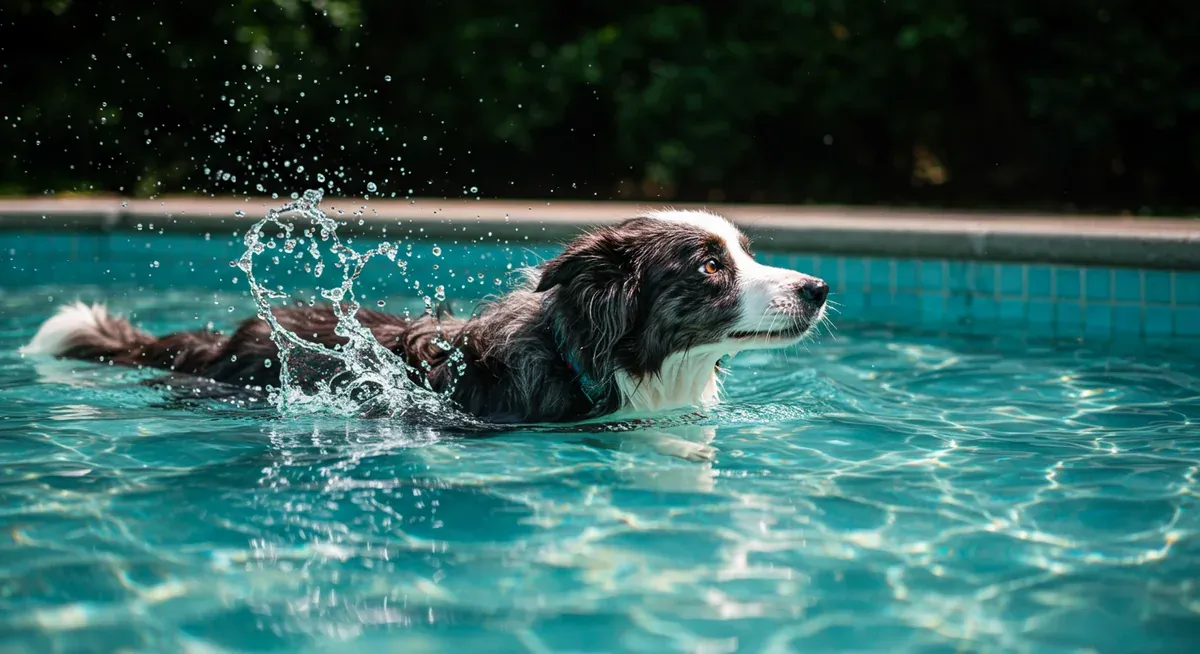
Effective management starts with controlled exercise that maintains muscle strength without overstressing the joints. Swimming provides excellent low-impact exercise, allowing your dog to stay fit while reducing joint load. Leash walks on soft surfaces work well, but avoid high-impact activities like jumping, running on concrete, or intense agility work during flare-ups.
Weight management is crucial since every extra pound increases joint stress. These naturally active dogs may need dietary adjustments if their exercise becomes limited. Work with your vet to determine the ideal weight and feeding plan.
Physical therapy can significantly improve outcomes. Hydrotherapy, massage, and targeted strengthening exercises help maintain joint function and muscle mass. Many dogs benefit from regular sessions with a canine rehabilitation specialist.
Joint supplements containing glucosamine, chondroitin sulfate, and omega-3 fatty acids may support cartilage health. Products like Cosequin or Dasuquin are commonly recommended, though results vary between individual dogs.
Provide orthopedic bedding to reduce joint pressure during rest. Raised food bowls can make eating more comfortable, and ramps can replace stairs where possible.
Medical treatment options
Pain management typically involves NSAIDs prescribed by your veterinarian to reduce inflammation and discomfort. These medications require monitoring for side effects, particularly with long-term use.
For chronic pain, additional medications like gabapentin or amantadine may be helpful. Some dogs benefit from injectable treatments such as hyaluronic acid or platelet-rich plasma therapy to improve joint lubrication and promote healing.
Your vet will tailor the medical approach based on your dog's age, severity of symptoms, and response to initial treatments. Regular monitoring ensures medications remain effective and safe.
Surgical solutions for severe cases
Surgery becomes an option when conservative management isn't sufficient or in young dogs with significant joint looseness. Several procedures are available depending on age and severity.
Juvenile Pubic Symphysiodesis works best in puppies under 20 weeks old, altering pelvic growth to improve hip socket alignment. Triple Pelvic Osteotomy suits young dogs without arthritis, repositioning the hip socket for better joint fit.
Femoral Head Ostectomy removes the ball portion of the joint, eliminating painful bone-on-bone contact. While this creates a "false joint," many dogs achieve good function with proper rehabilitation.
Total Hip Replacement represents the gold standard for severe arthritis, replacing the entire joint with prosthetic components. Though costly, often ranging from $3,000 to $6,000 per hip, it offers the best functional outcomes for appropriate candidates.
When to seek veterinary help
Contact your veterinarian at the first sign of limping, stiffness, or reluctance to exercise. Changes in gait, muscle loss in the hind legs, or persistent pain signs warrant prompt evaluation.
For further reading, explore our related guides on managing German Shepherd health, small dog health conditions, nutrition for joint health.
Don't wait for symptoms to worsen. Early intervention can significantly slow progression and improve your dog's quality of life. If you're considering breeding or have purchased a puppy from lines with known hip issues, discuss screening options like OFA or PennHIP evaluation.
Regular veterinary checkups allow for monitoring of the condition's progression and adjustment of treatment plans as needed. Your vet can help determine when it's time to consider more aggressive interventions or when current management strategies need modification.
With proper management, many dogs with hip dysplasia continue to live active, comfortable lives. The key lies in early recognition, appropriate treatment, and ongoing monitoring to ensure your dog maintains the best possible mobility and quality of life throughout their years.