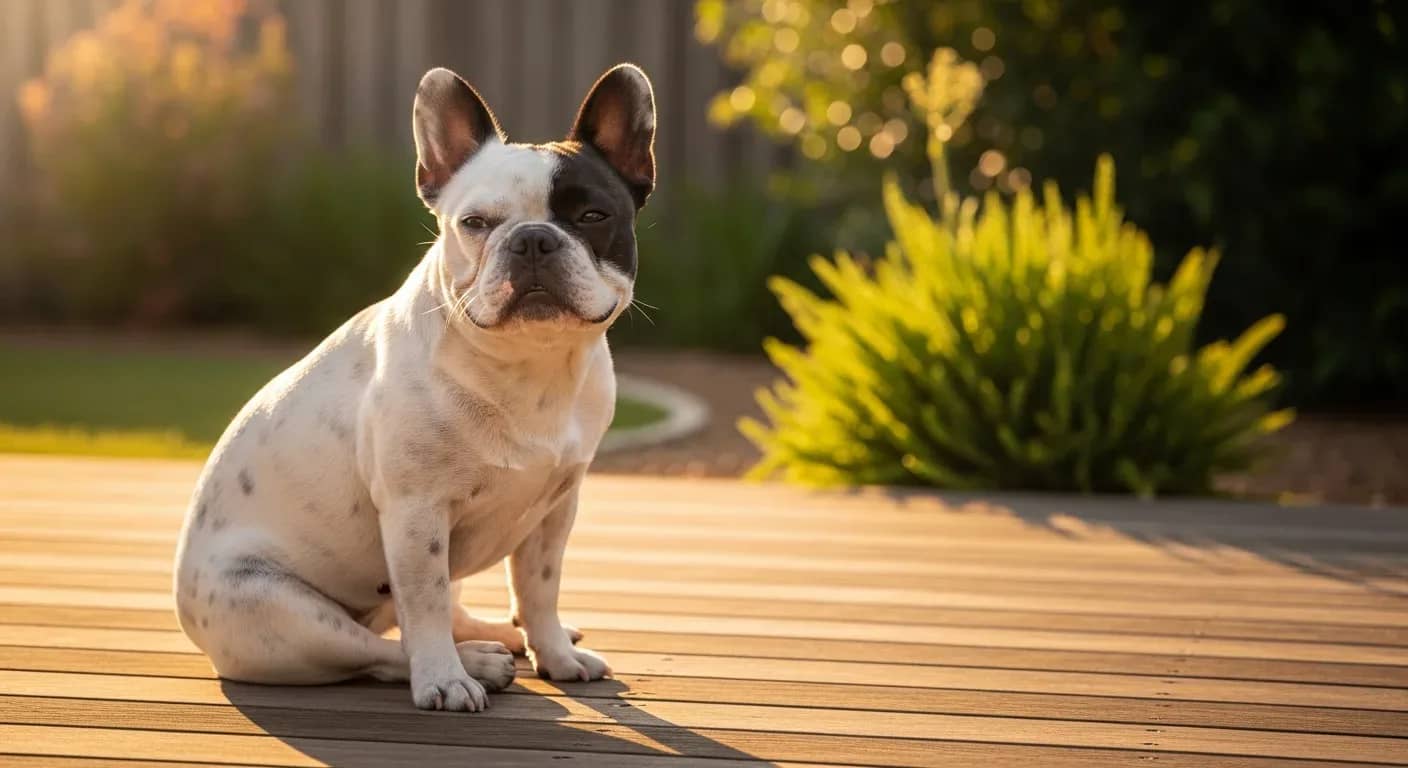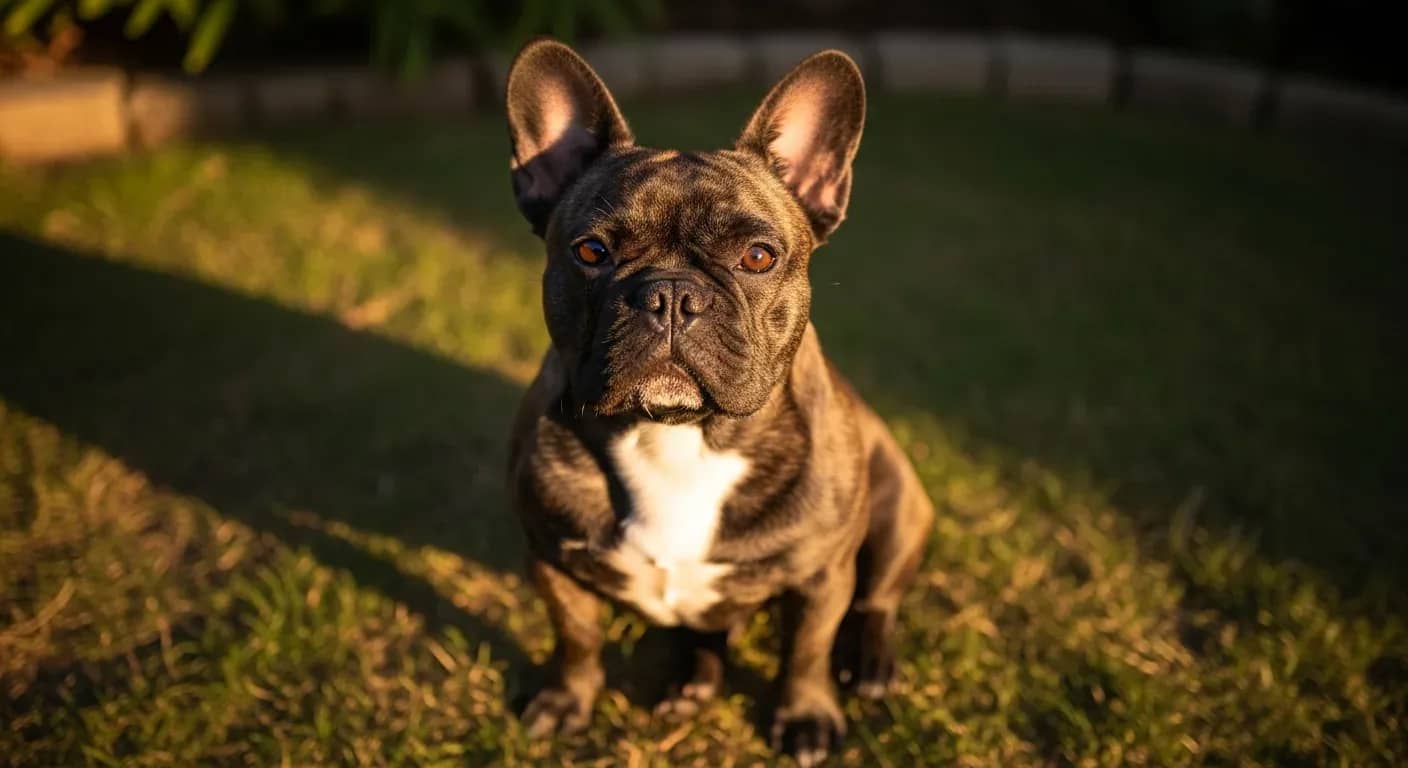

Understanding your French Bulldog's unique challenges
for house-training, French Bulldogs present a fascinating combination of intelligence and stubbornness that requires a tailored approach. Many owners find themselves wondering why their clever pup seems to understand the rules perfectly one day, then has an accident the next.
The reality is that these dogs have limited bladder control as puppies, and their determined personality means they'll test boundaries regularly. Their brachycephalic anatomy also plays a role. Those adorable flat faces that make French Bulldogs so endearing can cause them to tire easily, which affects how you structure potty breaks.
Research shows that French Bulldogs often have predictable digestive patterns, typically needing to eliminate 5-20 minutes after eating. This predictability becomes one of your strongest tools in establishing a successful routine.
Creating the foundation with routine and environment
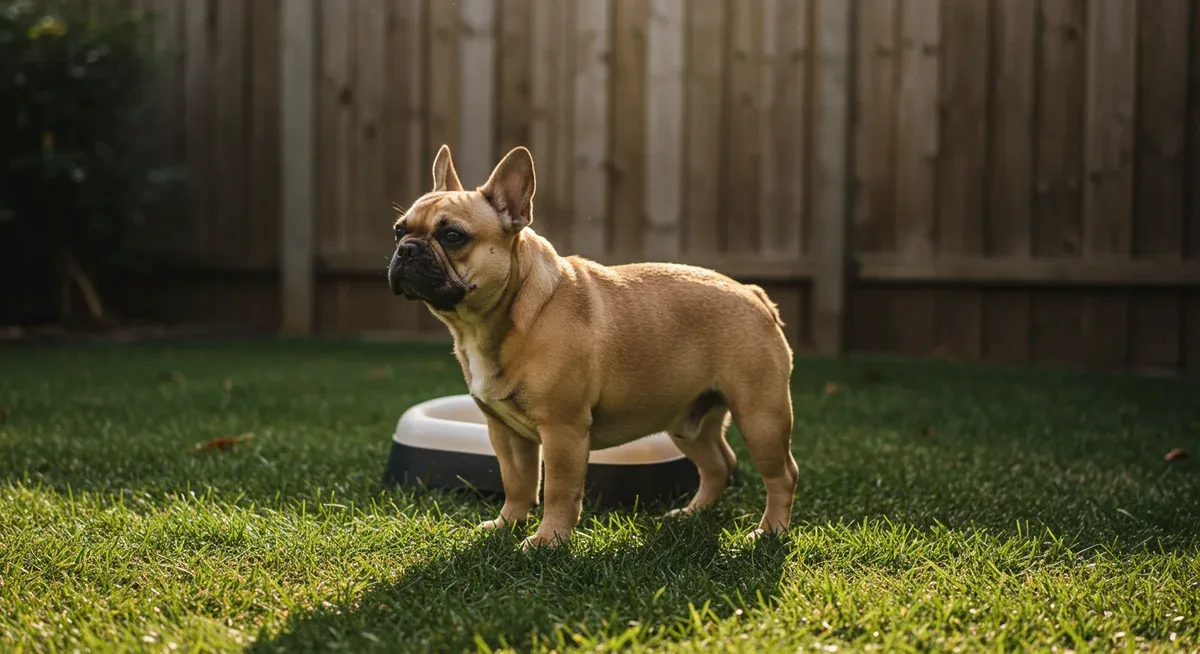
Success starts before your first training session. Choose a specific outdoor potty spot and stick with it religiously. Your dog will begin associating that particular area with elimination, making the process more intuitive over time.
Establish your schedule around key trigger times: first thing in the morning, after every meal, following naps and play sessions, and before bedtime. Puppies typically need to go out every 1-2 hours initially, though this extends as they mature.
Gather your essential supplies early. A 24-30 inch crate with a divider works perfectly for growing puppies, typically costing between $30-$100. You'll also want an enzymatic cleaner like Nature's Miracle (around $10-$20) and small, soft training treats your dog absolutely loves.
The power of positive reinforcement and commands
The moment your French Bulldog eliminates in the correct spot outdoors, you have a golden window for reinforcement. Praise lavishly and offer that special treat immediately. This timing creates the strongest possible association between the behaviour and the reward.
Introduce a command word like "potty" consistently during elimination. Say it gently while your dog is in the act, not before or after. Within a few weeks, this word becomes a powerful tool for encouraging elimination on cue.
Keep training sessions short and engaging. These dogs respond far better to multiple brief, positive interactions than lengthy training marathons that might frustrate their independent nature.
Supervision and confinement strategies
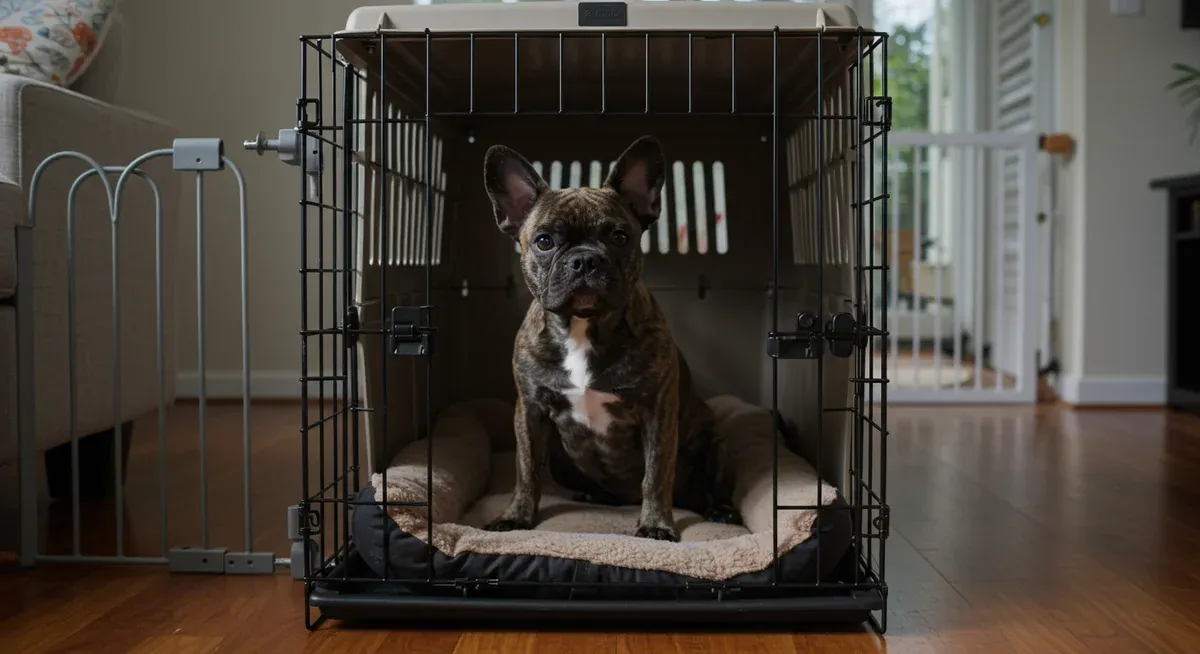
Constant supervision might sound exhausting, but it's temporary and incredibly effective. Use baby gates to limit your dog's access to the entire house, making it easier to watch for those telltale signs like sniffing, circling, or restlessness.
Crate training serves double duty here. It provides a safe space your dog will naturally want to keep clean, while teaching bladder control through gentle confinement. The key is sizing the crate correctly. Too large, and your pup might eliminate in one corner and sleep in another.
When you can't supervise directly, confinement prevents the formation of bad habits. Every accident indoors is a step backward, while every successful outdoor elimination builds the pattern you want.
Handling accidents and setbacks
Accidents will happen, and your response matters enormously. Never punish or rush your dog outside during an accident. This creates fear and confusion rather than understanding. Instead, calmly interrupt if you catch them in the act, then redirect to the appropriate outdoor spot.
Clean accidents thoroughly with enzymatic cleaners that break down odours invisible to humans but detectable by dogs. Regular household cleaners won't eliminate these scent markers that encourage repeat accidents in the same location.
If accidents persist despite consistent training, start keeping a potty journal. Track times, circumstances, and any patterns you notice. Sometimes the issue is medical rather than behavioural, particularly if you see sudden changes in elimination habits or signs like frequent urination, straining, or blood in urine.
Timeline expectations and troubleshooting
Habits typically take about 21 days to form with consistent training, though full house-training may take several months depending on your dog's age and temperament. Expect gradual improvement rather than sudden perfection.
Common challenges have straightforward solutions. Frequent indoor accidents usually indicate inconsistent scheduling or insufficient supervision. Stubborn refusal to eliminate outside often stems from fear, distraction, or simply testing boundaries. The solution remains the same: positive reinforcement, short engaging sessions, and unwavering consistency.
If your dog repeatedly marks the same indoor spot, residual odour is likely the culprit. Clean more thoroughly and consider blocking access to that area temporarily while the new outdoor habit strengthens.
When to seek professional help
Sometimes despite your best efforts, progress stalls or problems persist. Consult your veterinarian if accidents continue frequently after several weeks of consistent training, or if you notice any signs of urinary tract infection or other medical issues.
Professional dog trainers can also provide valuable guidance if you're struggling with particularly stubborn behaviour or if your specific living situation presents unique challenges.
Remember that house-training success comes down to patience, consistency, and understanding your dog's individual needs. With the right approach tailored to their unique temperament and physical traits, your French Bulldog will master this essential skill, creating a happier home for everyone involved.
Not sure what your dog needs next?
If symptoms keep coming back or you are juggling diet, skin, gut, or mobility concerns, use the free dog health assessment to get a practical starting plan in a few minutes.