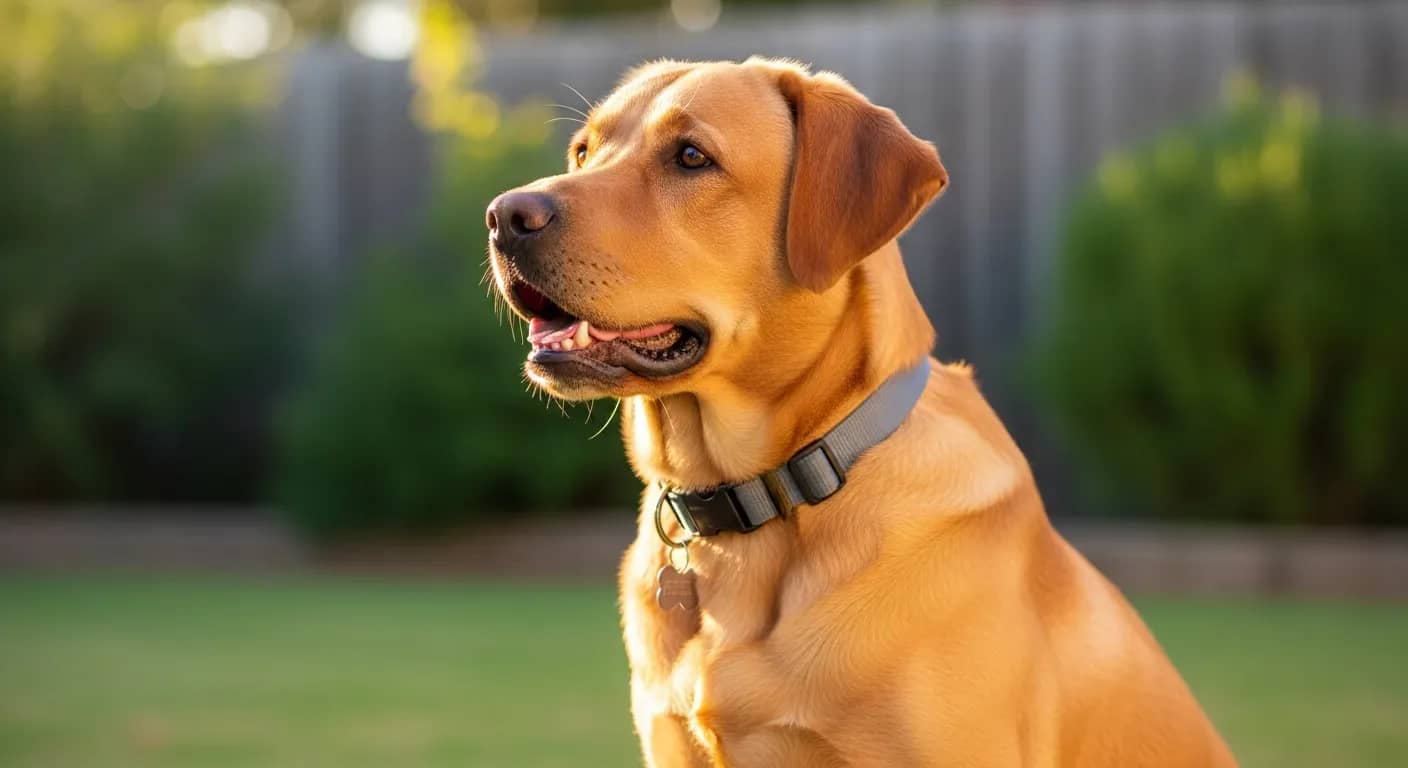

Many Labrador owners worry when they notice their energetic companion struggling to get up from their bed or hesitating before jumping into the car. These subtle changes often signal the beginning of hip dysplasia, a common inherited condition where the hip joint develops abnormally, causing joint looseness and eventual arthritis.
Hip dysplasia in Labradors isn't just about genetics. While these dogs are predisposed to the condition due to their large size and rapid growth rates, understanding the early warning signs and taking preventive action can significantly impact your dog's quality of life. Research tells us that a significant percentage of Labs are affected by joint issues, making this knowledge essential for every owner.
Recognising the early warning signs
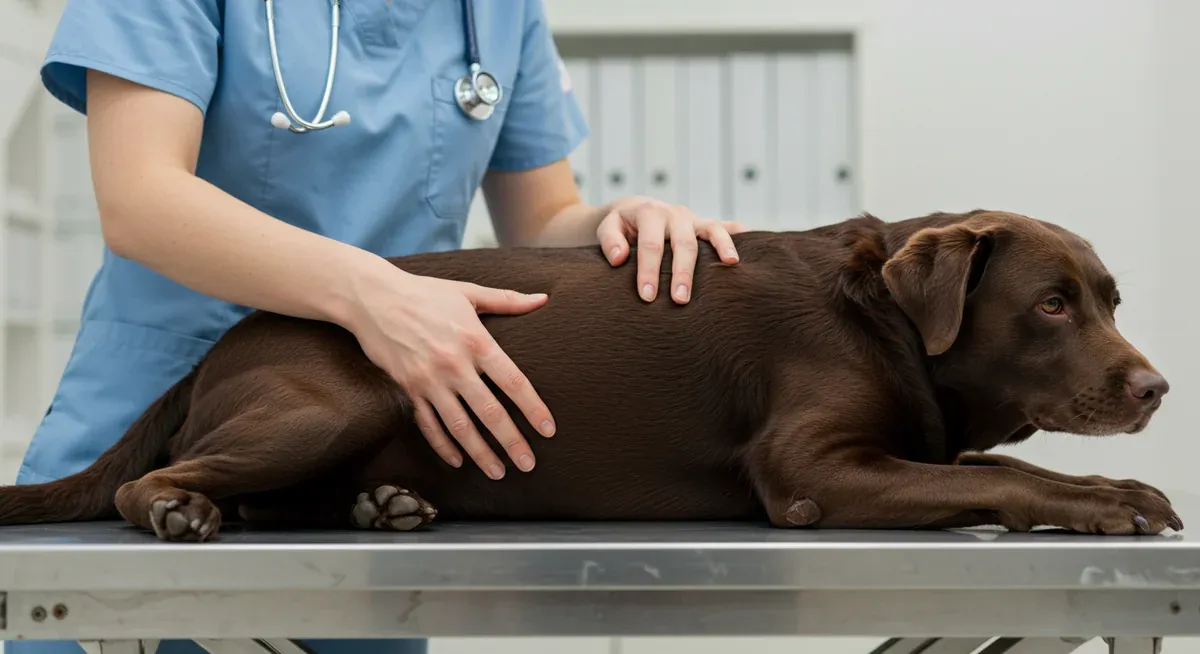
Your Labrador might not limp dramatically or cry out in pain. Instead, hip dysplasia often announces itself through subtle behavioural changes that owners sometimes dismiss as normal aging or laziness.
Watch for difficulty rising after rest, particularly in the morning or after long naps. Many dogs show reluctance to jump, run, or climb stairs, activities they previously enjoyed. You might notice decreased enthusiasm for walks or stiffness that seems to improve once they've warmed up with gentle movement.
More obvious signs include limping or lameness in the hind legs, audible clicking or grinding sounds from the hip joint during movement, and gradual muscle loss in the hindquarters. These symptoms warrant immediate veterinary consultation, as early intervention often leads to better outcomes.
Prevention strategies that work
Prevention starts in puppyhood with careful attention to nutrition and exercise. Large-breed puppy formulas are specifically designed to prevent excessive growth rates that can stress developing joints. These foods control calcium and phosphorus levels, supporting steady rather than rapid bone development.
Overfeeding poses a significant risk. Obesity exacerbates joint strain and accelerates hip dysplasia progression, making weight management crucial from day one. Many owners struggle with their Lab's enthusiastic appetite, but maintaining optimal body weight throughout life remains one of the most effective preventive measures.
Exercise requires a balanced approach during the critical growth period. Provide moderate, controlled activities that build muscle without overloading joints. Avoid high-impact activities or excessive running and jumping during puppyhood, when joint irritation can have lasting consequences.
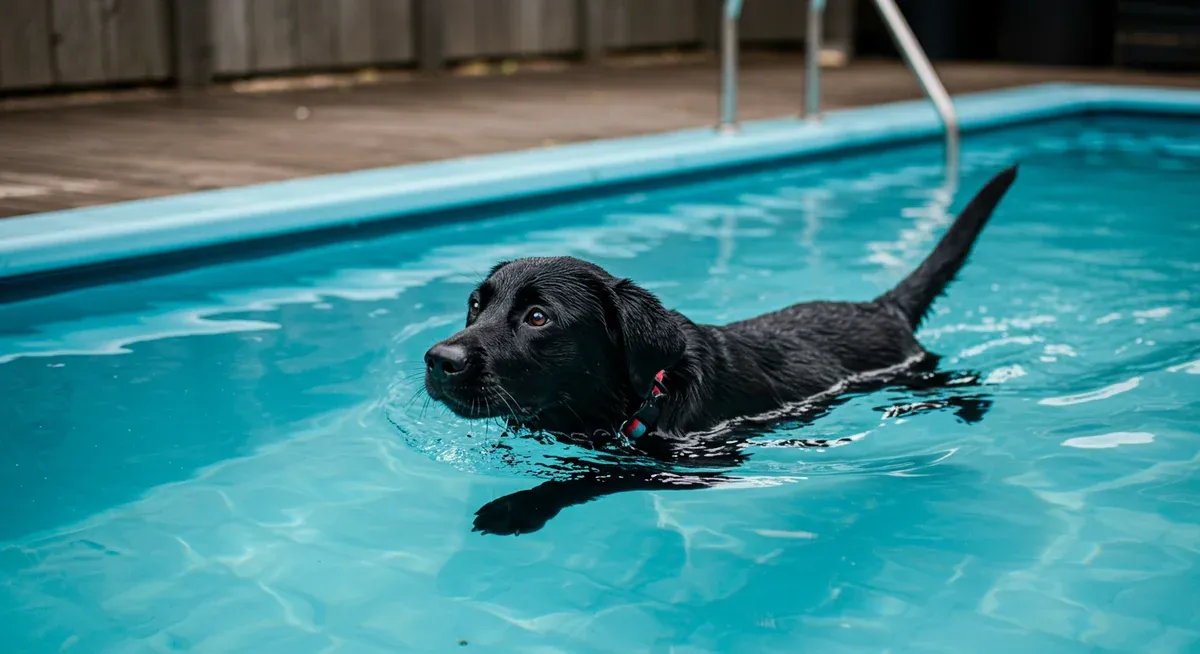
Swimming emerges as the ideal exercise for Labs at any age. These dogs typically love water, and hydrotherapy provides excellent low-impact exercise that maintains muscle tone and joint mobility without stressing developing or damaged joints. For more information on preventing hip dysplasia, visit Prudent Pet Insurance.
Treatment approaches for different stages
Medical management forms the foundation of most treatment plans. Pain control with nonsteroidal anti-inflammatory drugs such as Galliprant or Rimadyl reduces inflammation and discomfort, allowing dogs to maintain activity levels that support joint health.
Joint supplements containing omega-3 fatty acids, glucosamine, and chondroitin support cartilage health, though results vary between individual dogs. Some owners report noticeable improvements within weeks, while others see gradual changes over months of consistent supplementation.
Orthopedic braces offer a middle ground between medication and surgery. Devices like the Ortho Dog Hip Hound brace stabilise the hip joint, reducing bone grinding and associated pain. These braces work particularly well for mild to moderate cases and can be used during swimming sessions, perfect for water-loving Labs.
Physical therapy, acupuncture, and newer treatments like stem cell therapy provide additional options for managing symptoms and maintaining mobility. Many veterinary rehabilitation centres now offer complete programs designed specifically for dogs with hip dysplasia.
Surgical options and timing
Surgery becomes necessary when conservative management fails to maintain quality of life. The timing and type of procedure depend largely on the dog's age and severity of symptoms.
Juvenile Pubic Symphysiodesis represents the earliest intervention, performed on puppies under 20 weeks to redirect hip joint growth. This minimally invasive surgery can prevent more serious problems later but requires early diagnosis.
Triple Pelvic Osteotomy works best before 8 months of age, improving joint conformation in young dogs with developing dysplasia. The procedure involves cutting and repositioning pelvic bones to create better hip joint alignment.
Total hip replacement offers the best functional outcome for severe cases, restoring normal gait and motion. While expensive, ranging from $2,000 to $5,000 or more depending on the procedure, this surgery can transform the life of a severely affected dog.
Daily life adjustments that help
Living with hip dysplasia doesn't mean your dog can't enjoy life. Simple environmental modifications often make significant differences in comfort and mobility.
Orthopedic beds provide crucial support during rest periods, when joints can stiffen. Ramps reduce the need for jumping onto furniture or into vehicles, activities that stress compromised joints.
Regular, controlled exercise remains important even after diagnosis. Swimming continues to be ideal, but controlled leash walks on soft surfaces also help maintain muscle tone and joint flexibility. The key lies in consistency rather than intensity.
Slippery floors present particular challenges for dogs with hip problems. Carpet runners or yoga mats in high-traffic areas provide better traction and prevent falls that could worsen joint damage.
Making informed decisions about care
Treatment costs vary significantly depending on the approach chosen. Large-breed puppy food and joint-support diets typically cost $50-$80 per 30-pound bag, while supplements range from $30-$60 monthly. Hydrotherapy sessions generally run $50-$100 each, and orthopedic braces cost $150-$300.
The investment in prevention and early treatment often proves worthwhile. Dogs receiving appropriate management typically maintain good quality of life for years, enjoying activities like swimming, gentle hiking, and family time.
Regular veterinary check-ups allow for treatment adjustments as the condition progresses. What works in early stages may need modification as dogs age or if symptoms worsen.
By focusing on early prevention through proper nutrition and controlled exercise, combined with multimodal treatment approaches when needed, owners can significantly improve their dog's comfort and mobility. The goal isn't necessarily to cure hip dysplasia, but rather to manage it effectively so these beloved companions can continue enjoying active, comfortable lives alongside their families.