

You might notice your Dachshund clicking across hardwood floors or catching their nails on carpet. These are telltale signs that it's time for a nail trim. Many Dachshund owners feel anxious about this grooming task, especially given their dog's small size and often dark nails that make it difficult to see where the sensitive quick begins.
Regular nail trimming prevents discomfort and potential health issues that come with overgrown nails. When nails grow too long, they can cause your dog to walk differently, putting strain on their joints. For Dachshunds, with their unique body structure, maintaining proper nail length is particularly important for their overall mobility and comfort.
Choosing the right tools for small paws
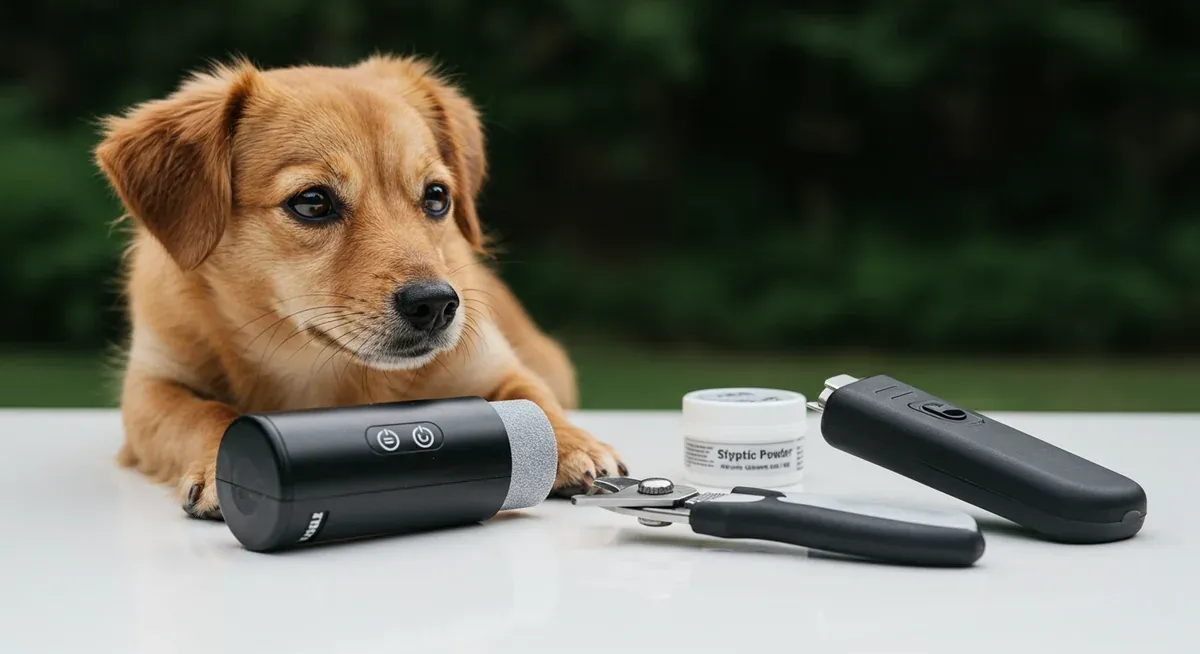
The tools you select can make the difference between a stressful ordeal and a manageable routine. For Dachshunds, consider investing in a nail grinder like the Dachshund LED Nail Grinder, which is specifically designed for small dogs and includes a light to help you avoid cutting into the quick. The LED feature proves invaluable when dealing with dark nails where the pink quick isn't visible.
If you prefer traditional clippers, Miller's Forge clippers come recommended for their safety features and effectiveness with small breeds. Expect to spend between $10 to $50 for quality nail clippers, or $20 to $100 for nail grinders depending on the features you want.
Always keep styptic powder or cornstarch within reach. Even experienced groomers occasionally nick the quick, and having these supplies ready helps you respond quickly and calmly if bleeding occurs.
Preparing your dog for success
The key to stress-free nail trimming lies in preparation that happens well before you pick up any tools. Start by getting your dog comfortable with paw handling during relaxed moments. Gently hold each paw while offering treats and praise, building positive associations with the sensation.
Once your dog accepts paw handling, introduce the trimming tool gradually. Let them sniff the nail grinder or clippers while the device is turned off. This desensitisation process might take several days or even weeks, but the investment in time pays off with a calmer, more cooperative dog.
Many dogs show initial resistance to the vibration or sound of nail grinders. You can help by turning the grinder on near your dog without touching their nails, rewarding calm behaviour with treats. Gradually work up to brief contact with the tool while it's running.
The trimming process step by step
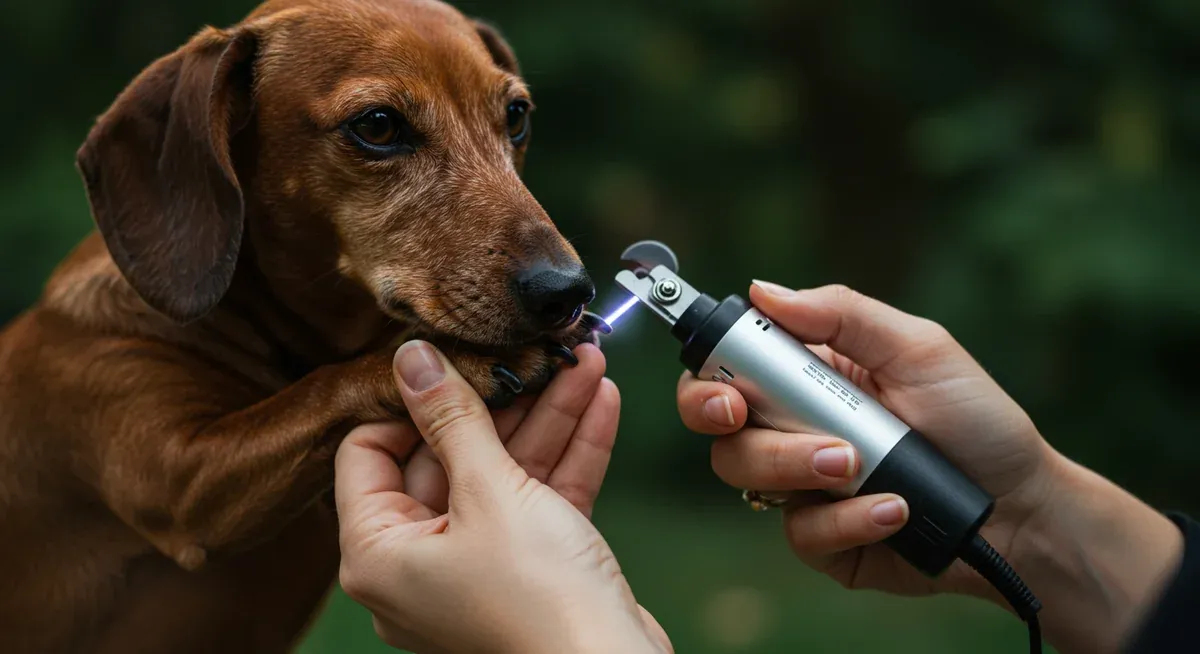
Choose a quiet, comfortable location for the nail trimming session. Some owners find success using a grooming hammock, while others prefer having a helper hold their dog securely. The goal is preventing sudden movements that could result in injury.
For dogs with light-coloured nails, you might see the quick as a pink stripe running through the nail. With dark nails, this becomes more challenging. Position yourself so you can see the nail clearly, and if using an LED grinder, take advantage of the light to help identify where the quick begins.
When using clippers, cut perpendicular to the nail and take small sections at a time. This conservative approach helps you avoid cutting into the quick. With a nail grinder, hold the tool at a 45-degree angle and work in short bursts, checking your progress frequently. The grinding action generates heat, so brief contact prevents discomfort.
After trimming, smooth any rough edges with an emery board or nail file. This finishing step prevents nails from catching on fabric or carpet and gives a more comfortable result for your dog.
When things don't go as planned
If you accidentally cut into the quick, stay calm. Your dog will pick up on your anxiety, which can make the situation more stressful for both of you. Apply styptic powder or cornstarch directly to the bleeding nail and apply gentle pressure. The bleeding typically stops within a few minutes.
Some dogs remain nervous despite gradual introduction to nail trimming. For these anxious pets, consider breaking the process into multiple short sessions. You might trim just one or two nails per session, gradually working up to complete paw care over several days.
Positive reinforcement works better than restraint for nervous dogs. High-value treats, praise, and patience often yield better results than trying to power through a stressful session.
Establishing a healthy routine
Most dogs need nail trims every 3-4 weeks, though this varies based on activity level and individual nail growth rates. Dogs that walk frequently on concrete or pavement may naturally wear their nails down and need less frequent trimming.
Watch for warning signs that indicate potential nail problems. Redness, swelling, or cracked nails may signal infections or other health issues that require veterinary attention. Regular trimming sessions give you the opportunity to monitor your dog's nail health closely.
Keep sessions short and positive. Most dogs tolerate nail trimming better when it becomes a predictable part of their grooming routine rather than an occasional ordeal.
Knowing when to seek help
If you feel uncomfortable trimming your dog's nails or if your dog shows extreme anxiety despite gradual conditioning, professional help is available. Veterinarians and professional groomers have experience handling anxious dogs and can often complete the task more quickly and safely.
Some dogs benefit from mild sedation for nail trims, particularly if they have had negative experiences in the past. Your veterinarian can discuss whether this option makes sense for your situation.
Professional grooming typically costs between $15-30 for nail trimming alone, which might be worthwhile for owners who struggle with the process at home. Many veterinary clinics also offer nail trimming services during regular visits.