

Have you noticed your dog becoming more anxious or stressed lately? From excessive barking to restless pacing, stress-related behaviours can significantly impact your dog's quality of life. What many pet owners don’t realise is that these behavioural issues might be closely linked to their dog's gut health.
Understanding the Gut-Brain Connection in Dogs
Recent research has highlighted a fascinating gut-brain connection that plays a crucial role in your dog's emotional wellbeing. This gut-brain axis acts as a two-way communication system between the digestive system and the brain, influencing mood and behaviour. The relationship between gut health and behaviour is more significant than many pet owners realise, with imbalances potentially leading to increased anxiety and stress.
When your dog experiences stress, it can create a harmful cycle. Stress disrupts the gut microbiome, the collection of beneficial bacteria in the digestive system, which in turn can lead to more anxiety and behavioural issues. This gut-brain connection helps explain why dogs with digestive problems often show signs of emotional distress, and vice versa.
How Stress Affects Your Dog's Gut Health
Chronic stress can negatively impact your dog's digestive system by:
- Disrupting the balance of beneficial bacteria
- Increasing gut inflammation
- Weakening the digestive system’s protective barrier
- Interfering with nutrient absorption
- Compromising immune function
These changes don’t just affect digestion, they can also influence your dog's mood and behaviour, potentially leading to more severe anxiety issues if left unaddressed.
The Role of Probiotics in Stress Management
This is where probiotics come in. These beneficial bacteria have shown remarkable potential in helping dogs manage stress and anxiety through their influence on the gut-brain connection. Research has demonstrated that specific probiotic strains can help reduce anxiety-related behaviours in dogs, including excessive barking, jumping, and nervous pacing.
The Science Behind Probiotics for Anxiety
Studies on probiotics for anxiety have shown promising results. Specific bacterial strains, particularly *Bifidobacterium longum* and various *Lactobacillus* species, have demonstrated significant calming effects. These probiotics work by:
- Restoring balance to the gut microbiome
- Reducing inflammation throughout the body
- Supporting the production of mood-regulating neurotransmitters
- Strengthening the gut barrier
- Improving overall digestive health
Research from Frontiers in Behavioral Neuroscience supports the effectiveness of probiotics in reducing anxiety-related behaviours in dogs.
Signs Your Dog Might Benefit from Probiotics
Watch for these signs that your dog's gut-brain axis might need support:
- Increased anxiety or stress-related behaviours
- Changes in appetite or digestive habits
- Reactive behaviour to normal situations
- Sleep disturbances
- Excessive grooming or other repetitive behaviours
Choosing the Right Probiotic Support
When considering natural solutions for better healthit's essential to choose probiotics specifically formulated for dogs. Look for products containing well-researched strains known for their calming effects. Quality matters, opt for supplements from reputable manufacturers that guarantee the viability of their probiotic strains.
Implementing Probiotics Effectively
For the best results when using probiotics for separation anxiety or other stress-related issues, consider these tips:
- Start with a small dose and gradually increase to the recommended amount
- Administer probiotics consistently at the same time each day
- Store products properly to maintain their effectiveness
- Combine probiotics with other stress-reduction strategies
- Monitor your dog's response and adjust as needed
Supporting Your Dog's Emotional Wellbeing
While calming supplements can help manage stress, they work best as part of a complete approach to your dog's emotional health. Consider these additional strategies:
- Maintain a consistent daily routine
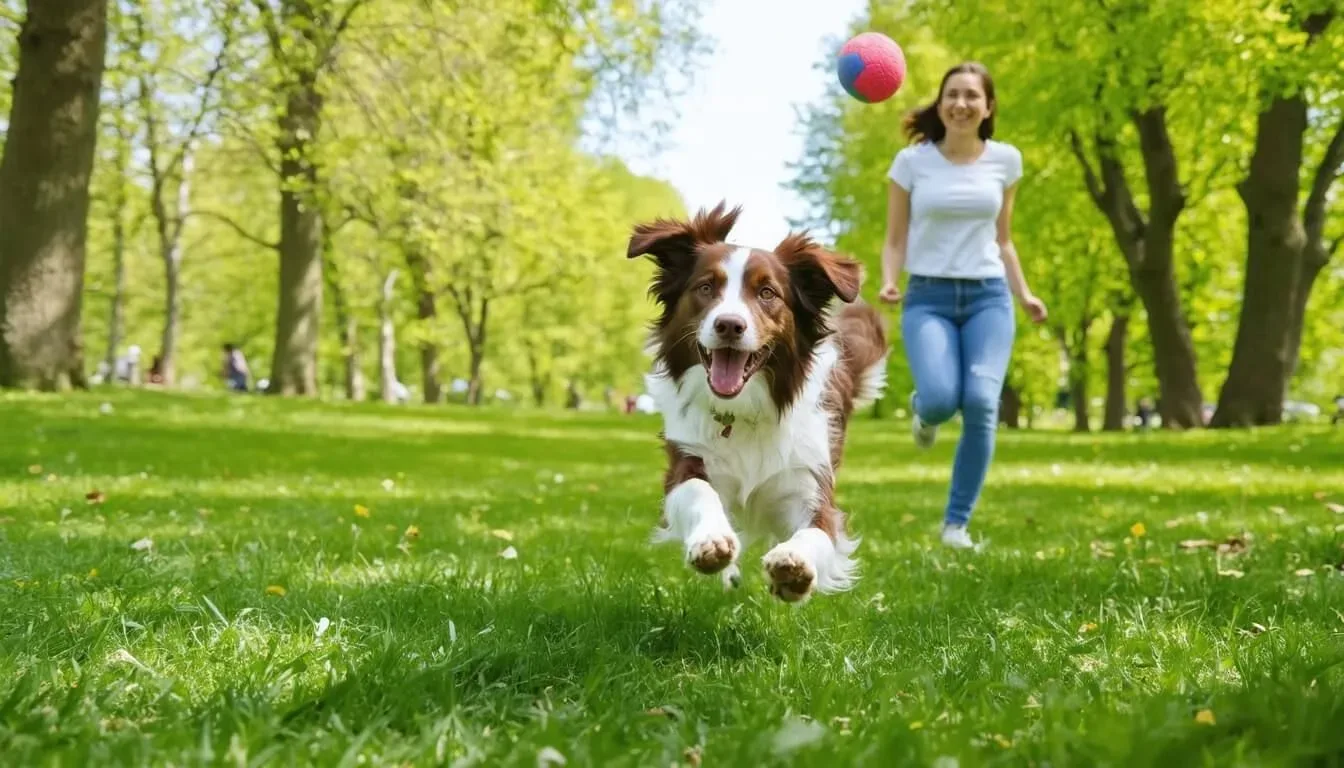
- Provide regular exercise and mental stimulation
- Create calm spaces in your home
- Use positive reinforcement training methods
- Make environmental modifications to reduce stress triggers
When to Seek Professional Help
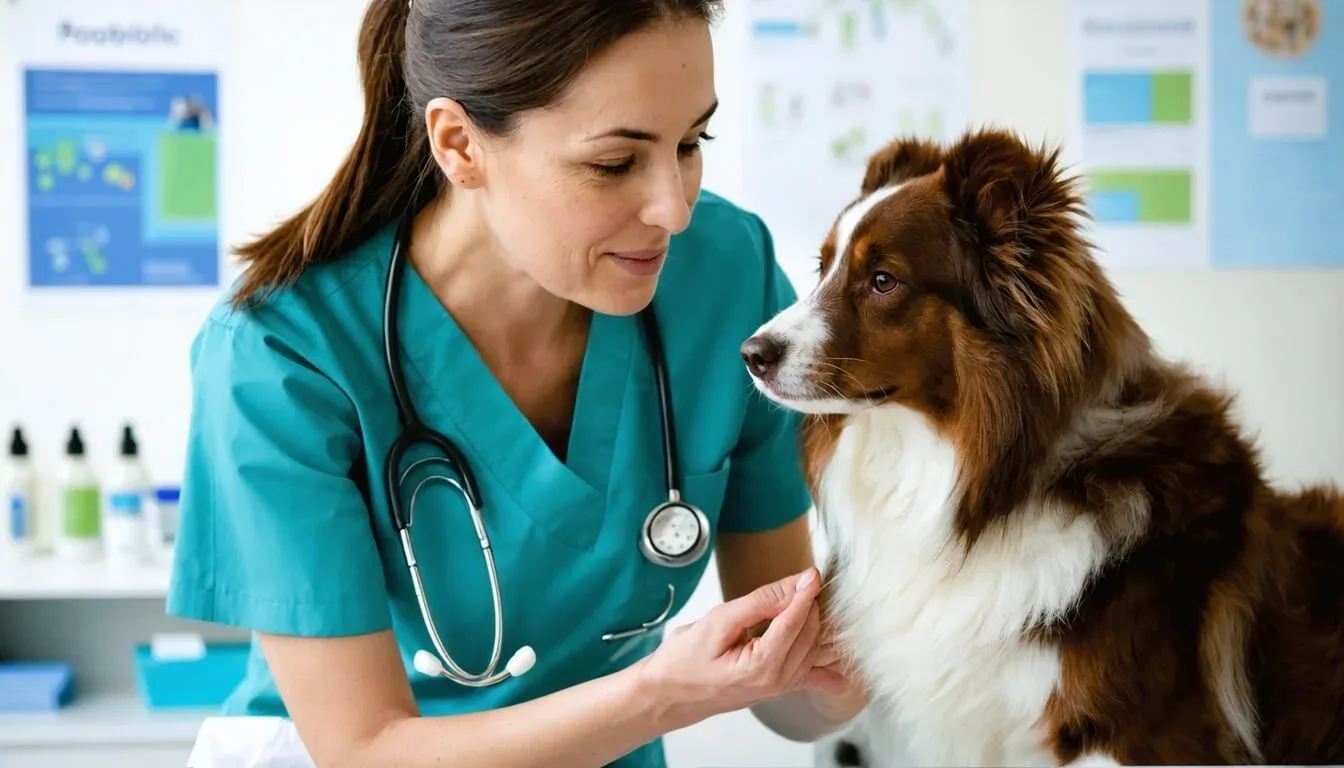
While probiotics can be beneficial for many dogs experiencing stress and anxiety, some situations require professional intervention. Consult your veterinarian if:
- Your dog's anxiety seems severe or is worsening
- There are sudden changes in behaviour
- You notice any concerning physical symptoms
- Current management strategies aren’t providing relief
Your veterinarian can help determine if probiotics might be beneficial for your dog and recommend specific products or combinations of treatments tailored to your pet’s needs.
How Probiotics Work in Your Dog's Gut
Your dog's gut contains trillions of microorganisms, bacteria, yeasts, and other microbes, forming the gut microbiome. Probiotics introduce beneficial bacteria, particularly Lactobacillus and Bifidobacterium species, that help crowd out harmful pathogens, support nutrient absorption, and produce short-chain fatty acids that nourish the gut lining. For stressed dogs especially, a balanced microbiome helps regulate serotonin and GABA production, neurotransmitters that calm the nervous system. When this balance is disrupted by chronic stress, digestion falters, gut permeability increases, and the stress-gut cycle intensifies. Consistent probiotic supplementation helps interrupt this cycle from the gut level up.
What to Look for in a Probiotic for Stressed Dogs
When selecting a probiotic to support a stressed dog, focus on:
- Evidence-backed strains: Bifidobacterium longum and Lactobacillus rhamnosus have the strongest research support for anxiety reduction
- CFU count: Aim for 1–10 billion CFUs per serving, more is not always better
- Prebiotic pairing: Products that include prebiotics (e.g. FOS or inulin) help the probiotics establish faster
- No artificial fillers: Avoid products with artificial sweeteners or flavours that can irritate sensitive guts
- Verified viability: Choose brands that guarantee live cultures through the expiry date, at time of manufacture
How Long Before You See Results?
For stress and anxiety management, probiotic results take longer than digestive improvements. Most owners see digestive changes within 1–2 weeks, but mood and behavioural shifts, calmer responses to triggers, less pacing, better sleep, typically emerge after 3–6 weeks of daily use. This reflects how long it takes the gut microbiome to meaningfully rebalance. Daily consistency is non-negotiable; missing doses resets progress. If you observe no change after 8 weeks, consult your vet about combining probiotics with other evidence-based approaches.
A Vet's Perspective
"Stress and gut health create a reinforcing cycle in dogs, stress disrupts the microbiome, and a disrupted microbiome amplifies stress. Addressing the gut with well-chosen probiotics is one of the most logical and evidence-informed starting points we have for managing stress-related behaviours."
Reflects the current consensus in veterinary behavioural medicine literature
Building a Long-Term Stress Management Plan
Probiotics work best as part of a broader strategy. Pair daily probiotic support with consistent routines, appropriate exercise, mental enrichment, and, where needed, environmental modifications. Dogs thrive on predictability; reducing unpredictability in their environment reduces cortisol production, which in turn reduces gut disruption. Think of gut support and behavioural management as two sides of the same coin, each reinforces the other.