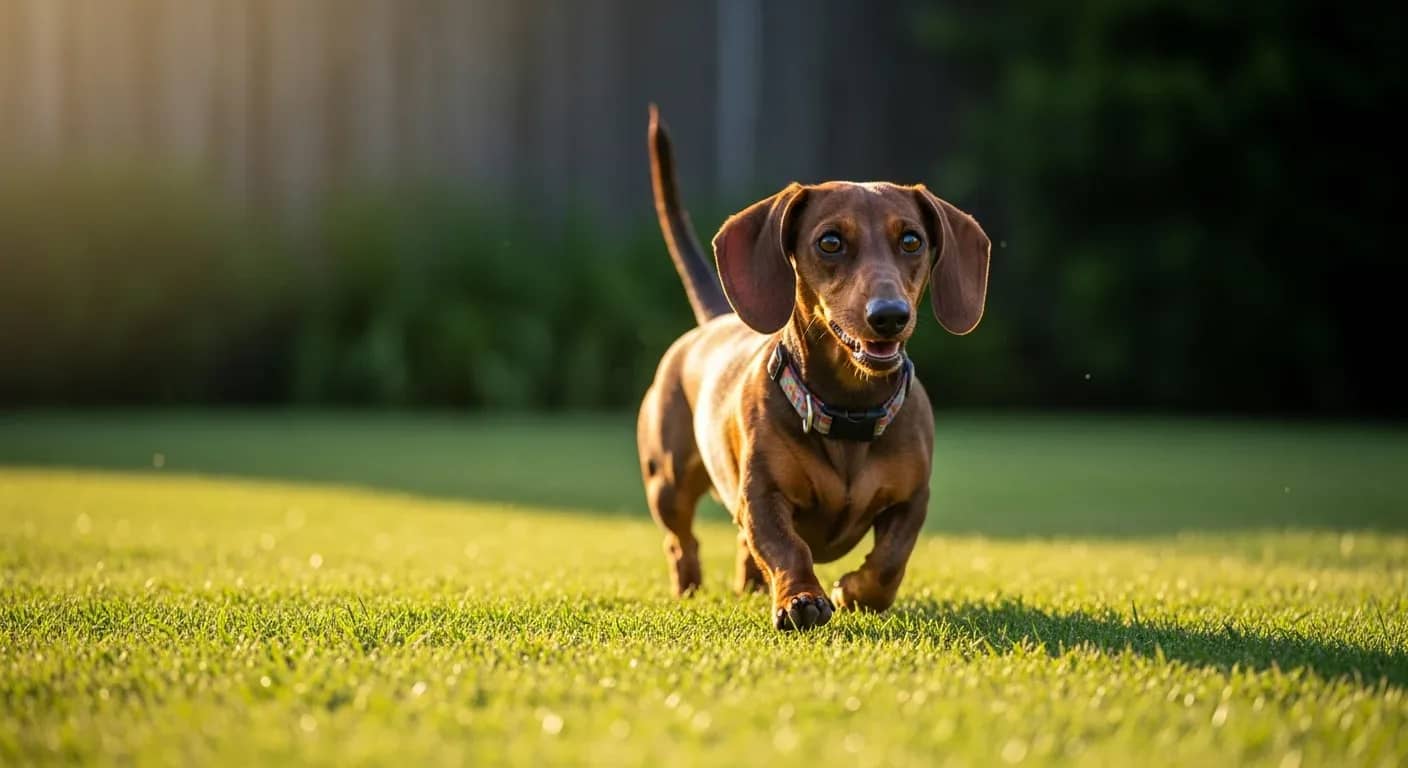

You might notice that your Dachshund puppy approaches training differently than other breeds. These intelligent dogs were originally bred to hunt badgers underground, which means they're naturally independent thinkers with strong instincts. This hunting heritage influences everything from their stubbornness during basic commands to their excellent problem-solving abilities.
🧠 Behaviour is often linked to gut health and nutrition. Take our free Dog Health Assessment to see if there's a health factor behind your dog's behaviour, results in 2 minutes.
Many new owners worry when their puppy seems more challenging to train than expected. The key is understanding that these dogs need a tailored approach that respects their unique traits whilst channelling their natural abilities in positive directions.
Building confidence through early socialisation
The critical socialisation window between 3 to 12 weeks sets the foundation for your puppy's entire training journey. During this period, your dog needs gentle, consistent exposure to various sounds, surfaces, and experiences that build confidence rather than overwhelm.
Start with daily handling that includes touching paws, ears, and mouth. This isn't just about getting them comfortable with grooming, it reflects the type of handling they would have received as working dogs. Many Dachshunds show improved confidence when they experience different textures underfoot, from carpet to grass to concrete.
Walking on various surfaces and exploring agility tunnels taps into their hunting heritage whilst building the confidence that makes all other training easier. These activities help reduce the anxiety and destructive behaviours that can develop when these naturally active dogs become bored or understimulated.
Mastering the potty training challenge
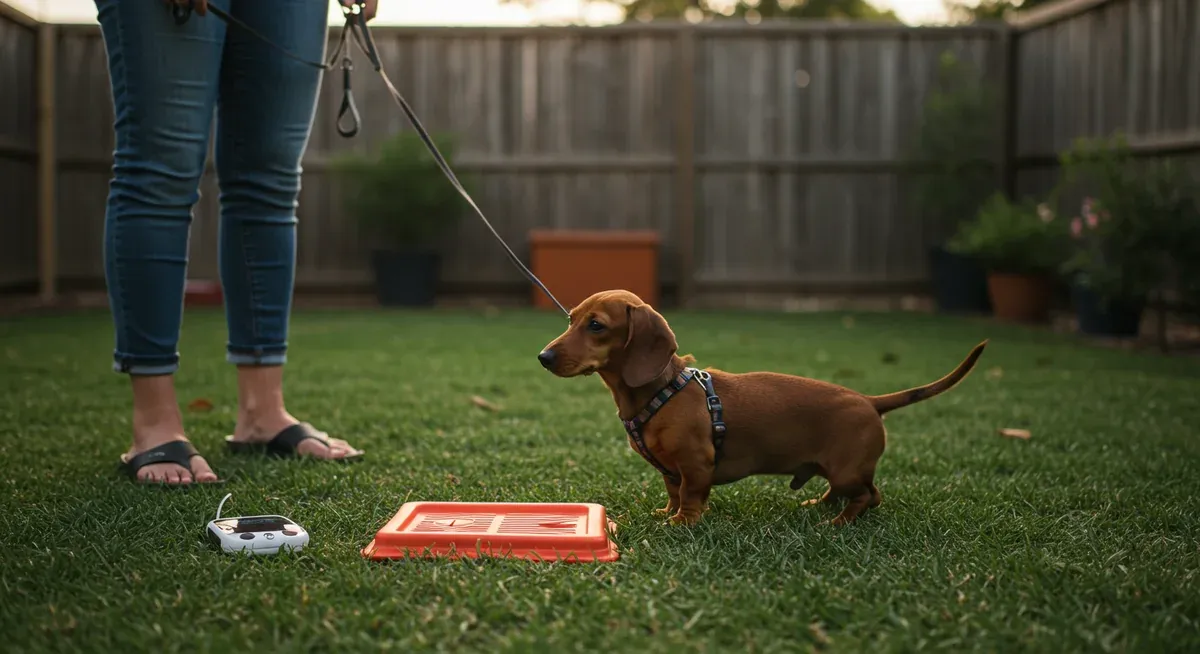
Have you wondered why housetraining seems particularly challenging with your puppy? The combination of small bladders and natural stubbornness means you'll need a more intensive approach than with many other breeds.
Start with potty breaks every 20-30 minutes for young puppies. Rather than waiting for signals that your dog needs to go out, take a proactive approach by setting regular intervals. Most owners find success by gradually extending these intervals as reliability improves, but the initial frequency is crucial for preventing accidents.
When accidents happen, thorough cleaning becomes essential. Use enzymatic cleaners like Nature's Miracle to completely eliminate odours that might encourage repeat elimination in the same spot. The scent-marking instinct runs strong in these dogs, so incomplete cleaning often leads to ongoing problems.
Expect gradual progress over several weeks rather than quick results. Many dogs show initial improvement within the first week of consistent scheduling, but lasting reliability typically develops over months rather than days.
Teaching basic commands effectively
for obedience training, context matters more than force. These intelligent dogs respond well to positive reinforcement but can become stubborn when they feel pressured or confused about expectations.
Keep training sessions short, around 2-3 minutes, repeated a few times throughout the day. Most Dachshunds show better focus and retention with multiple brief sessions than one longer training period. Use high-value treats that are small, soft, and particularly smelly to maintain their attention.
Start with basic commands like Sit, Down, and Stay, using both verbal cues and hand signals. The combination enhances understanding and gives you multiple ways to communicate. Food incentives work particularly well with this breed, though patience and consistency remain your most important tools.
You'll likely see initial progress within the first week, though mastery of basic commands typically takes several weeks of daily practice. Remember that their independent nature means they're always evaluating whether following your command serves their interests too.
Channelling natural instincts through nose work
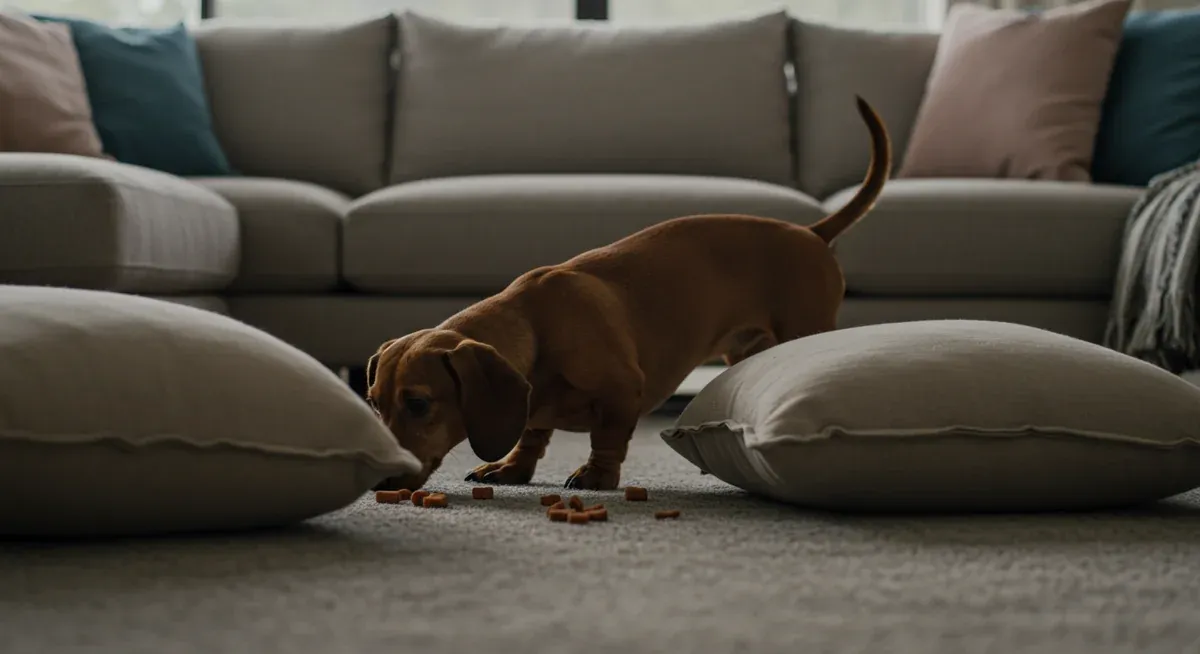
Your puppy's excellent scenting ability and strong prey drive aren't training obstacles, they're valuable assets when channelled correctly. Incorporating nose work games like "find it" with toys or treats provides mental stimulation that reduces boredom-related behaviours whilst strengthening your bond.
Did you know gut health affects behaviour? Our free Dog Health Assessment checks your dog's full health profile, including the nutritional factors that influence focus and calm.
Start simple by hiding treats around a single room and encouraging your dog to search. This type of mental exercise often tires them more effectively than physical activity alone. Interactive toys and scent games engage their mind in ways that satisfy their natural hunting instincts.
Many owners report that dogs who receive regular mental stimulation through nose work show improved focus during other training sessions. The confidence they gain from successfully using their natural abilities translates into better cooperation with basic obedience work.
Creating a safe space with crate training
Crate training provides both a management tool for housetraining and a secure retreat for your puppy. The key is making the crate a positive space rather than a punishment area.
Use food incentives and treats to encourage voluntary entry into the crate. Start with very short periods, perhaps just long enough for your dog to finish a special treat, then gradually increase duration as comfort builds. Choose a well-ventilated crate that's appropriately sized, with brands like MidWest or Petmate offering reliable options.
Most puppies adapt to crate training within a few weeks when the introduction is gradual and positive. The crate becomes particularly valuable during the housetraining process, as dogs naturally avoid soiling their sleeping area.
Addressing common behavioural challenges
These dogs can be vocal and determined when they want something. Early intervention with consistent positive reinforcement helps prevent excessive barking and stubborn behaviours from becoming entrenched habits.
Avoid harsh punishment, which often increases anxiety and can make training problems worse. Instead, redirect unwanted behaviours toward acceptable outlets. A puppy who's digging might benefit from a designated digging area or increased mental stimulation through puzzle toys.
Sometimes the reasons behind behavioural issues are medical, sometimes they're simply normal breed characteristics that need appropriate outlets. If you're seeing persistent aggression, fearfulness, or inability to housetrain after several months of consistent effort, consulting a professional trainer familiar with the breed becomes important.
Setting realistic expectations and timelines
Training progress varies significantly between individual dogs, but understanding general timelines helps you stay patient and consistent. Basic socialisation and exposure work best when started immediately and continued through the first 12 weeks.
For housetraining, expect gradual improvement over weeks rather than days. Basic command mastery typically develops over several weeks of daily short sessions. Behavioural issues respond best to early intervention, though some challenges may require professional guidance.
Consider professional help if you're dealing with persistent aggression, fearfulness, or if training efforts aren't showing progress after consistent application. Sometimes an experienced trainer can identify subtle issues that make the difference between success and frustration.
Remember that your puppy's hunting heritage means they're naturally intelligent and capable learners. With patience, consistency, and respect for their unique traits, you'll develop a well-trained companion who's both obedient and confident.
Support your dog from the inside out. Our free Health Assessment gives you a personalised plan covering nutrition, supplements, and lifestyle, tailored to your dog.