
Understanding your dog's unique coat structure
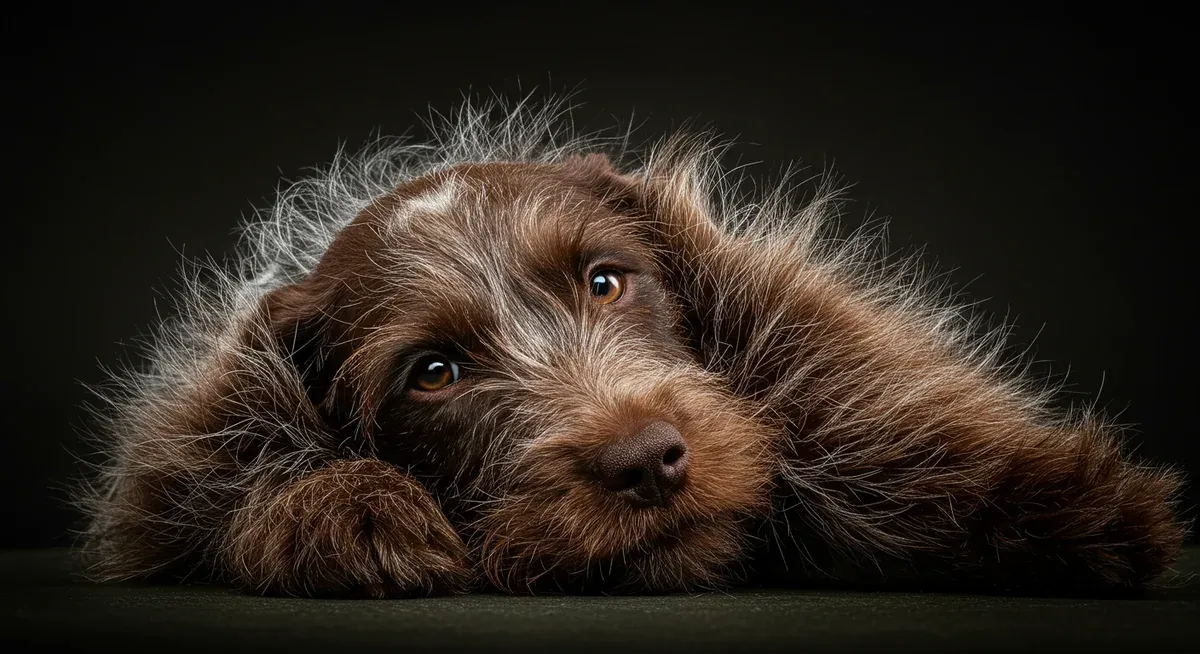
You might notice that your Wirehaired Pointing Griffon's coat feels different from other breeds you've encountered. That distinctive texture isn't accidental. These dogs were bred with a specific double coat designed for harsh hunting conditions, and understanding this structure explains everything about their shedding patterns.
The topcoat consists of coarse, wiry, straight hairs that provide protection from brush and weather. Underneath lies a dense, soft undercoat that insulates against cold and wet conditions. Those characteristic thick eyebrows and moustache? They're extensions of the undercoat, adding to the breed's distinctive appearance whilst serving a practical purpose.
This double coat system means your dog sheds differently than single-coated breeds. The undercoat does most of the seasonal shedding, whilst the topcoat remains relatively stable throughout the year. Many owners find this predictable pattern easier to manage once they understand what's happening.
Why seasonal shedding happens
Have you wondered why your Wirehaired Pointing Griffon seems to shed dramatically more during certain times of the year? This phenomenon, called "blowing coat," typically occurs twice annually during seasonal changes. It's not a problem to solve but rather a natural adaptation your dog's body makes to temperature changes.
During these periods, your dog sheds the dense undercoat to adjust insulation levels. Spring shedding prepares them for warmer weather by reducing their winter coat. Autumn shedding removes the lighter summer coat to make way for thicker winter insulation. The process usually lasts two to three weeks.
Between these seasonal periods, these dogs maintain minimal but continuous light shedding. This ongoing renewal removes old or damaged hair and allows new growth, keeping the coat healthy and functional. Research tells us this is part of the natural hair growth cycle that all dogs experience to some degree.
Factors that influence shedding patterns
Sometimes shedding increases beyond normal seasonal patterns, and the reasons vary considerably. Diet plays a significant role in coat health. Dogs fed high-quality food rich in omega-3 and omega-6 fatty acids typically maintain healthier coats with more manageable shedding.
Stress, health status, and environment also influence how much your dog sheds. A healthy, active lifestyle supports coat health and can reduce excessive shedding. Conversely, illness, hormonal changes, or environmental stressors may trigger increased hair loss.
Grooming practices make a substantial difference in how much loose hair ends up around your home. Regular brushing removes hair before it falls naturally, making even moderate shedders seem much more manageable. Without proper grooming, low-shedding breeds can appear to shed considerably more than they actually do.
Essential grooming techniques for managing shedding
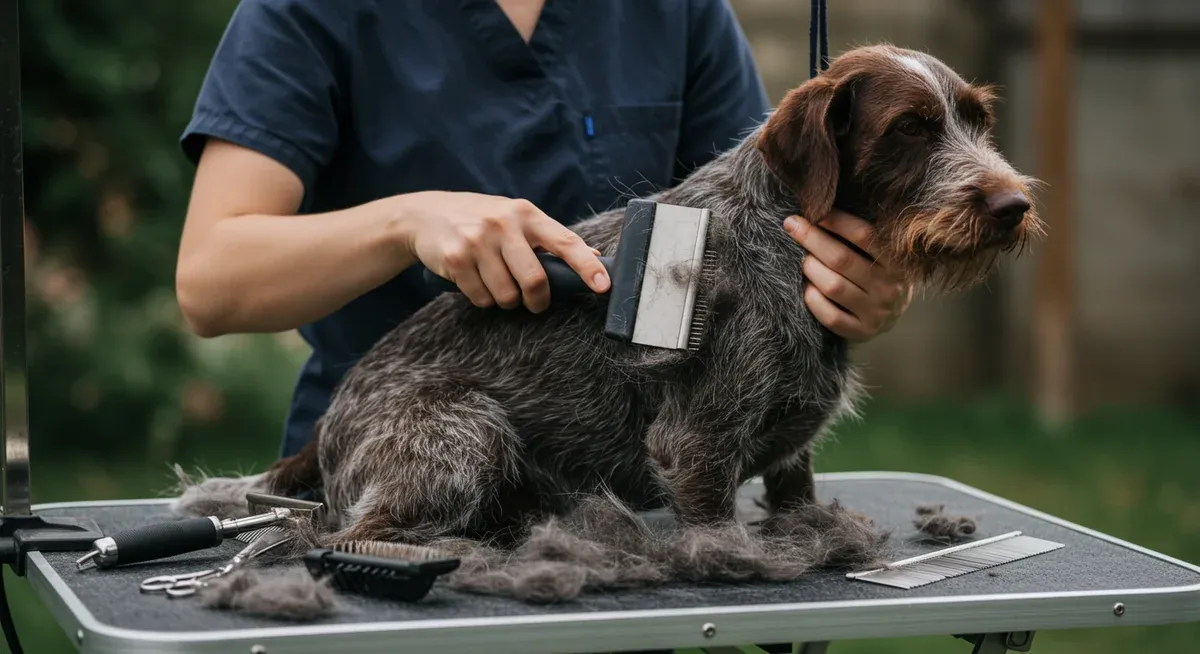
Your grooming approach should match your dog's coat type and shedding cycle. Use a slicker brush at least once or twice weekly to remove loose hair and prevent matting. During seasonal shedding periods, increase this frequency to daily brushing sessions.
Deshedding tools like the Furminator or SleekEZ prove particularly effective for removing undercoat, especially during blowing coat periods. These tools typically cost between $20 and $40 but make a noticeable difference in managing loose hair. Follow brushing with a metal comb to check for thick spots or tangles, particularly around the furnishings and leg hair.
Hand-stripping represents the gold standard for maintaining coat texture and colour in Wirehaired Pointing Griffons. This technique involves plucking dead hairs to preserve the wiry topcoat. For comprehensive guidance on this essential technique, explore our detailed grooming practices for Wirehaired Pointing Griffons. Whilst time-consuming, it maintains the coat's protective qualities better than clipping, which can soften the texture permanently. Many owners find professional help valuable for learning proper stripping technique.
When shedding signals health concerns
Most shedding falls within normal ranges, but certain patterns warrant veterinary attention. A sudden increase in shedding outside seasonal periods could indicate allergies, parasites, or systemic illness. Skin lesions or bald patches may signal infection, hormonal imbalance, or autoimmune disease.
Persistent itching, redness, or flaky skin often accompanies problematic shedding. These symptoms frequently indicate allergies or dermatitis requiring professional treatment. If shedding seems excessive or accompanies behavioural changes, consult your veterinarian for proper evaluation.
Normal seasonal shedding shouldn't cause skin irritation or create completely bare patches. Healthy shedding involves gradual hair loss across the coat, not concentrated areas of hair loss or accompanying skin problems.
Practical solutions for common coat problems
Matted or tangled coats often result from infrequent grooming rather than excessive shedding. Regular brushing and combing prevent most matting issues. For existing tangles, detangling sprays like Espree Silky Show Spray can help, though prevention remains more effective than treatment.
Dry, flaky skin frequently stems from over-bathing or poor diet. These dogs need baths only when genuinely dirty, using mild, oatmeal-based shampoos. Over-bathing strips natural oils, leading to skin irritation and potentially increased shedding. Most Wirehaired Pointing Griffons need bathing every few months unless they've gotten particularly dirty.
If your dog's coat feels soft and woolly rather than wiry, clipping may be the culprit. Avoid clipping the topcoat, as this permanently alters texture. Hand-stripping maintains the proper coat feel and appearance whilst supporting natural shedding patterns.
Creating an effective grooming routine
Consistency matters more than perfection when managing shedding. Start with short, manageable sessions rather than attempting lengthy grooming marathons. Most dogs respond better to brief, regular sessions than infrequent intensive grooming.
Invest in quality tools that make the job easier. A good slicker brush costs between $10 and $20, whilst professional deshedding tools range from $20 to $40. Quality tools last longer and work more effectively than cheaper alternatives.
During seasonal shedding periods, daily brushing sessions of 10 to 15 minutes can dramatically reduce loose hair around your home. Between these periods, twice-weekly sessions usually suffice. Regular grooming also allows early detection of skin issues or changes in coat condition that might require attention.