

Why your Great Pyrenees drools more than other breeds
You might notice your Great Pyrenees leaving wet spots wherever they rest, or find yourself constantly wiping drool from their chin. This isn't unusual for the breed. Great Pyrenees have naturally loose, pendulous lips and prominent jowls that make it difficult for them to retain saliva effectively.
This anatomical feature puts them in the same category as Saint Bernards, Mastiffs, and other large breeds with similar facial structures. The excess skin around their mouth acts like a collection point for saliva, which then drips out rather than being swallowed naturally.
Research shows that "dogs that don't slobber all the time can drip a bit of drool when they're anticipating something delicious. Saliva plays an important role in digestion." For breeds like yours, this normal process simply becomes more visible due to their facial anatomy.
Normal triggers that increase drooling
Many Great Pyrenees owners worry when they see their dog drooling, but several everyday situations naturally increase salivation. Food anticipation tops the list. The moment your dog hears the kibble hitting their bowl or catches a whiff of dinner preparation, their digestive system kicks into gear.
Heat plays a significant role too. These dogs carry thick, double coats designed for mountain climates, making them prone to overheating in warmer weather. When they pant to cool down, you'll often see increased drooling alongside the heavy breathing.
Excitement and anxiety can also trigger drooling episodes. Some dogs produce extra saliva when meeting new people, going for car rides, or experiencing stressful situations like thunderstorms or fireworks.
Medical causes requiring immediate attention
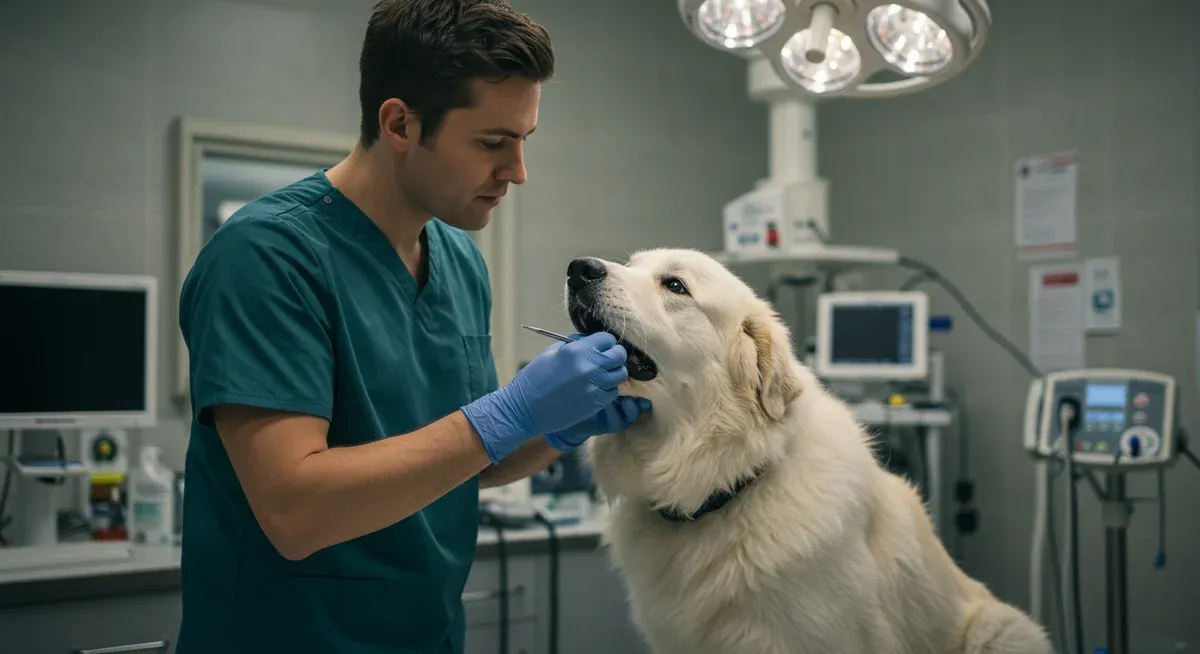
While some drooling is expected, sudden or excessive salivation often signals underlying health problems. Dental issues rank among the most common culprits. Gingivitis, periodontal disease, or oral infections cause pain and inflammation that triggers increased saliva production.
Foreign objects present another frequent concern. Dogs exploring with their mouths sometimes get sticks, stones, or plant matter lodged between their teeth or stuck in their gums. This irritation causes immediate discomfort and noticeable drooling, often from one side of the mouth.
Toxin ingestion demands emergency veterinary care. Common household and garden plants like chrysanthemums, azaleas, and tulips can cause drooling within minutes of consumption. Chemical exposure from cleaning products or antifreeze produces similar symptoms.
More serious conditions include heatstroke, organ disease affecting the liver or kidneys, neurological problems that interfere with swallowing, and oral growths or tumors. Research indicates that "there are a number of reasons that can cause excessive salivation in dogs and these include: irritation from foreign objects, dental problems, injuries, contagious diseases, heatstroke, poisons, growths, organ disease, and cancer."
Warning signs that need veterinary evaluation
Recognising when normal drooling crosses into concerning territory helps you respond appropriately. A sudden increase in drooling, especially if your dog typically doesn't drool much, warrants immediate attention. Drooling from only one side of the mouth often indicates a localised problem like a foreign object or dental issue.
Watch for changes in saliva consistency too. White, foamy saliva can signal nausea or toxin exposure. If your dog stops eating or drinking while drooling excessively, this combination suggests significant discomfort or illness.
Behavioural changes accompanying drooling provide important clues. Dogs pawing at their face, showing reluctance to have their head touched, or displaying unusual restlessness often indicate oral pain. Bad breath, difficulty swallowing, lethargy, vomiting, or diarrhea alongside increased drooling all require prompt veterinary assessment.
Daily management strategies
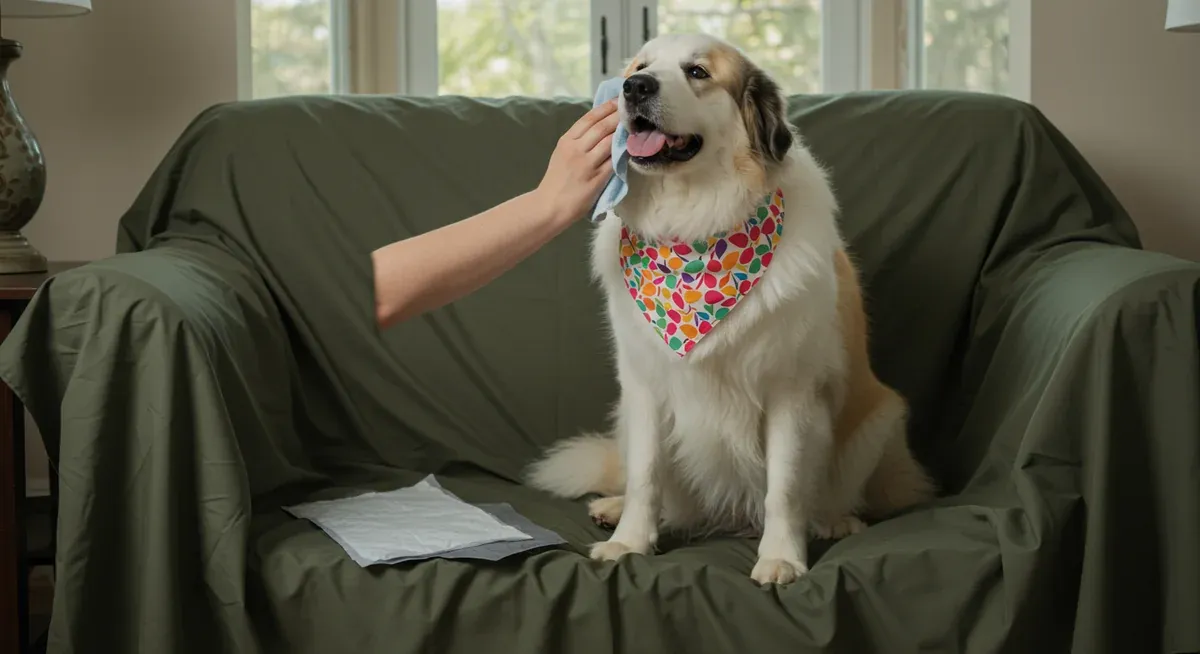
Living comfortably with a drooling dog requires practical solutions that work for both of you. Absorbent bandanas or drool rags become essential tools. Keep several washable options on hand so you always have a clean one ready. Brands like Ruffwear and Outward Hound offer durable, absorbent bandanas designed specifically for heavy droolers.
Regular face wiping prevents skin irritation and keeps your dog more comfortable. After meals and drinks, gently clean around their mouth and chin with a damp cloth. This simple routine prevents saliva from sitting on their skin and causing redness or bacterial growth.
Protect your furniture and floors with waterproof covers or drool pads placed under your dog's favourite resting spots. These washable barriers save your belongings while giving your dog comfortable places to relax without restriction.
Preventive oral health care
Maintaining good oral hygiene reduces drooling related to dental problems and keeps your dog healthier overall. Regular teeth brushing with dog-specific toothpaste helps prevent the buildup of bacteria that leads to gum disease and increased salivation.
Start slowly if your dog isn't used to having their teeth brushed. Begin by letting them taste the toothpaste, then gradually introduce the brush. Products like Virbac C.E.T. Enzymatic Toothpaste are formulated specifically for dogs and come in flavours they actually enjoy.
Schedule annual dental check-ups with your veterinarian. Professional cleanings remove tartar that home brushing can't address, and regular examinations catch problems before they become painful or cause excessive drooling.
Environmental safety measures
Creating a safe environment reduces the risk of toxin-related drooling emergencies. Survey your garden for plants that could cause problems if ingested. Remove or fence off chrysanthemums, azaleas, tulips, daffodils, and other toxic species that might tempt a curious dog.
Store household chemicals, medications, and automotive products in secure cabinets your dog cannot access. Even small amounts of antifreeze, cleaning products, or human medications can trigger dangerous symptoms including excessive drooling.
During hot weather, provide multiple sources of fresh water and shaded areas where your dog can cool down. Great Pyrenees are particularly susceptible to overheating due to their thick coats, making heat-related drooling a common summer concern.
Monitor your dog's activity levels during warm weather and avoid strenuous exercise during peak heat hours. Early morning and evening walks help prevent the overheating that leads to excessive panting and drooling.


