

Understanding your Irish Setter's natural shedding pattern
You might notice your Irish Setter leaving more hair around the house during spring and autumn, and wonder if this amount is normal. These dogs have a distinctive long, silky double coat that naturally sheds moderately throughout the year, with increased hair loss during seasonal transitions as they adjust their coat density.
According to the American Kennel Club, Irish Setters have a dense, silky double coat that sheds moderately throughout the year and requires regular grooming to stay manageable.
The fine texture of their coat means loose hairs can seem more noticeable than with other breeds. Unlike some dogs that shed heavily for just a few weeks, Irish Setters tend to have a more consistent, moderate shedding pattern that can become problematic when their coat health is compromised.
Environmental factors play a significant role in shedding cycles. Indoor heating during winter or air conditioning in summer can disrupt natural seasonal patterns, causing your dog to shed more than expected. This happens because artificial temperature control confuses the coat's natural response to seasonal changes.
How diet directly affects shedding
Many owners don't realise how dramatically diet influences their dog's shedding. A nutrient-rich diet forms the foundation of healthy coat maintenance, with quality protein serving as the building block for strong hair follicles. When dogs receive inadequate nutrition, their hair becomes brittle and breaks easily, leading to excessive shedding.
Omega-3 and omega-6 fatty acids are particularly crucial for these dogs. These essential fats support skin health and create the natural oils that keep hair strong and flexible. Without sufficient fatty acids, you'll notice increased shedding along with a dull, dry-looking coat.
Foods heavy in fillers like corn, rice bran, and by-products often provide inadequate nutrition for coat health. Research shows that dogs fed high-quality diets with proper nutrient profiles typically show improved coat condition and reduced shedding within several weeks of dietary changes.
Choosing the right nutrition for coat health
Premium dog foods formulated for skin and coat health often include fish oil, flaxseed, and other natural oil sources. Brands like RSPCA specifically address coat health needs. While these foods cost more, typically $50 to $80 for a 30-pound bag, the investment often reduces shedding and improves overall coat condition.
Essential vitamins like vitamin E and biotin support hair follicle health from within. Quality commercial foods usually include these nutrients in appropriate ratios, though some owners choose to supplement with fish oil or flaxseed oil under veterinary guidance.
Hydration plays an equally important role. Dehydration leads to dry skin and brittle hair, significantly increasing shedding. Your dog should have constant access to fresh water, especially during exercise or hot weather when they lose more fluids through panting.
Effective grooming strategies
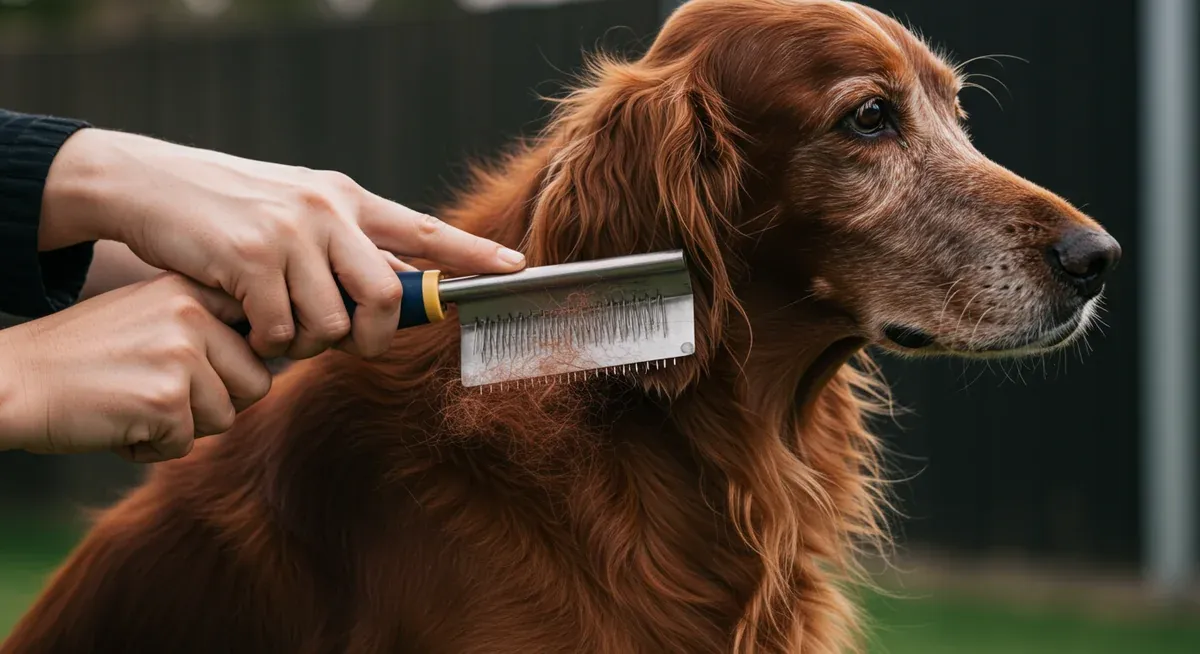
Regular grooming becomes essential with this breed's coat type. These dogs require brushing several times weekly, or daily during heavy shedding periods, to remove loose hair before it falls around your home. The process also distributes natural skin oils throughout the coat, improving hair strength and reducing breakage.
Slicker brushes work well for the longer outer coat, while grooming gloves can help with the undercoat. Many owners find that consistent brushing actually reduces the time spent cleaning hair from furniture and clothing, as they're removing loose hair before it naturally falls out.
The brushing technique matters as much as frequency. Work in sections, brushing from skin level outward to catch loose undercoat hairs. Pay particular attention to areas where the coat tends to mat, such as behind the ears and under the legs, as matted hair often breaks and sheds excessively.
Recognising when shedding signals health problems
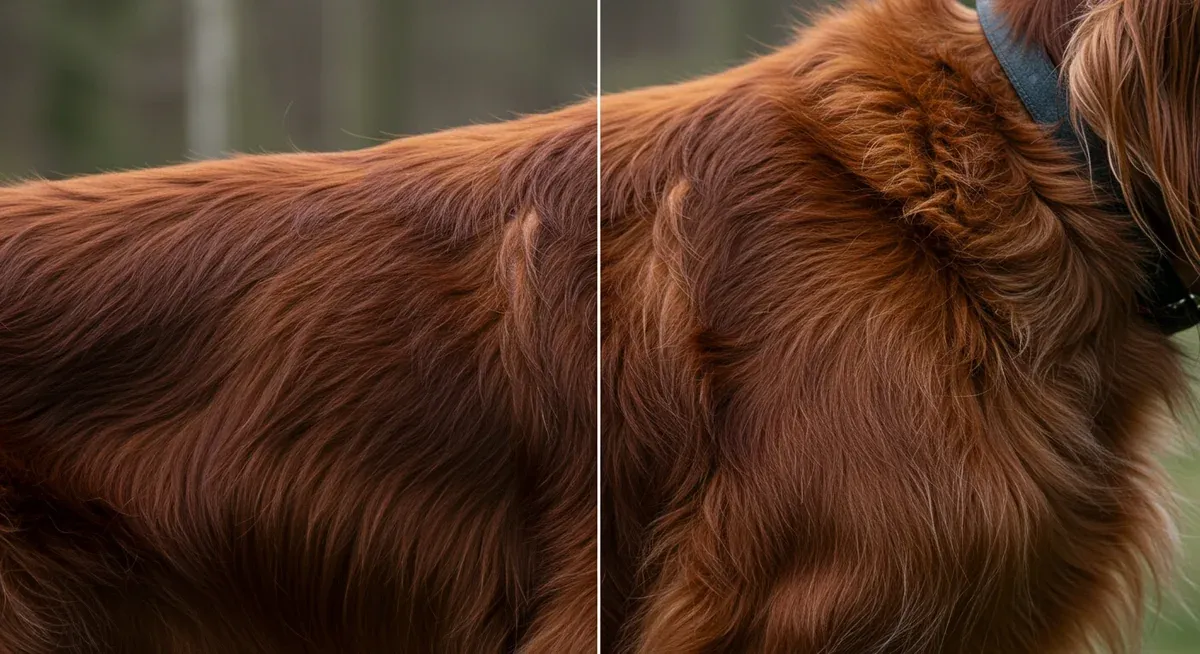
Sometimes increased shedding indicates underlying health issues rather than normal seasonal changes. Allergies, skin infections, and hormonal imbalances like hypothyroidism can all cause excessive hair loss. If shedding is accompanied by bald spots, persistent itching, or changes in skin colour or texture, veterinary evaluation is warranted.
Stress can also trigger increased shedding. Changes in routine, moving house, or other environmental disruptions may cause temporary increases in hair loss. Maintaining consistent feeding, exercise, and grooming schedules helps minimise stress-related shedding.
Watch for patterns in the shedding. Normal seasonal shedding typically affects the entire coat evenly, while medical issues often create patchy hair loss or concentrated shedding in specific areas. Any sudden, dramatic increase in shedding deserves professional attention.
Practical steps to reduce excessive shedding
Start with diet evaluation. Feed a high-quality, balanced diet rich in animal protein and omega fatty acids. Brands like Blue Buffalo Wilderness emphasise skin and coat health through their ingredient selection. Look for foods listing specific protein sources as the first ingredient rather than generic terms like "meat meal."
For further reading, explore our related guides on Airedale Terrier grooming guide, understanding dog communication, nutrition guide for dogs.
Establish a regular grooming routine that fits your schedule. Even three thorough brushing sessions weekly can significantly reduce loose hair around your home. During seasonal shedding periods, daily brushing prevents loose hair from accumulating and becoming more noticeable.
Monitor environmental factors that might increase shedding. Maintain consistent indoor temperatures when possible, and ensure your dog has a comfortable, stress-free environment. Address any changes in routine gradually to minimise stress-related hair loss.
Keep track of shedding patterns and any accompanying symptoms. This information helps veterinarians identify potential health issues if excessive shedding develops. With proper nutrition, regular grooming, and attention to overall health, most Irish Setters maintain beautiful coats with manageable shedding throughout their lives.