
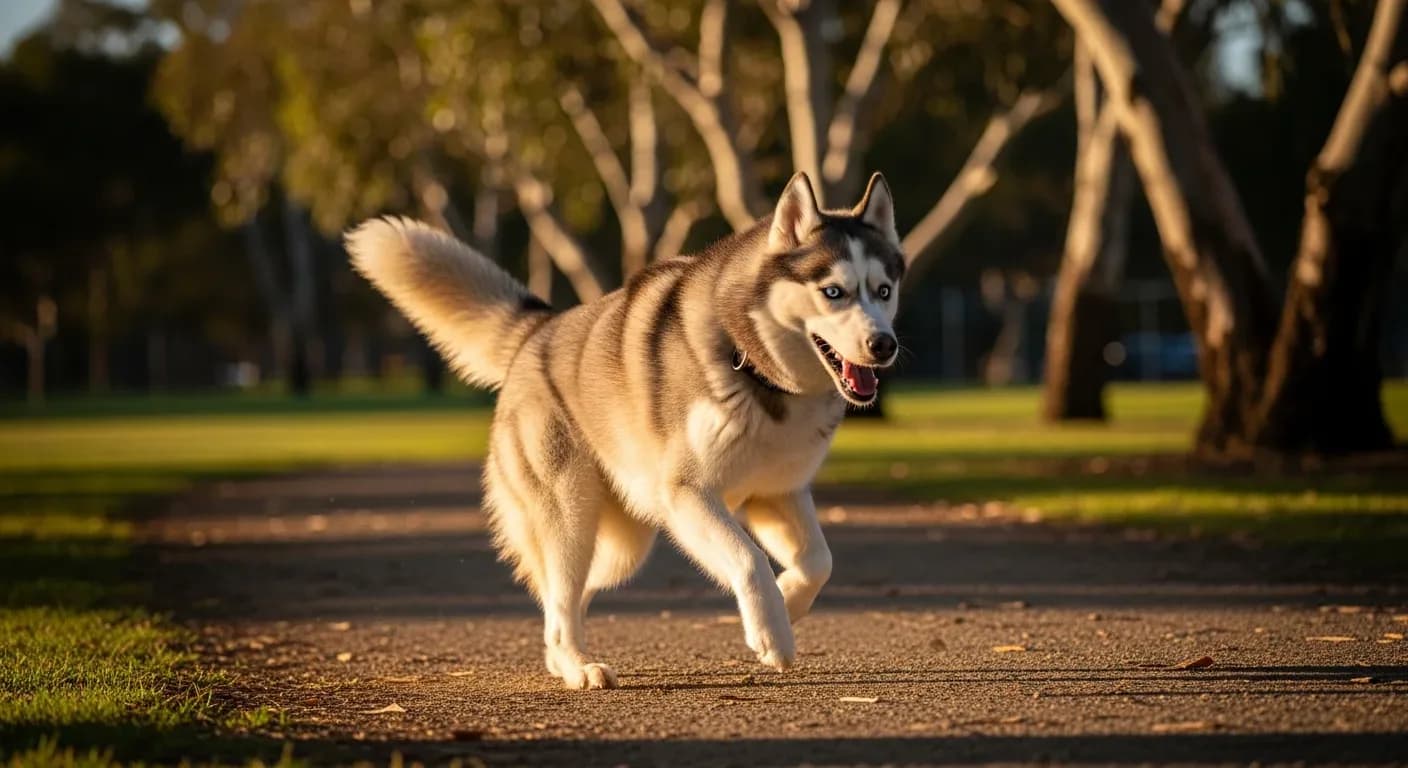
Siberian Huskies were built for endurance. Centuries of pulling sleds across frozen terrain shaped a dog with an extraordinary engine, but that same athleticism comes with a cost: their joints take a beating over a lifetime. If your Husky is still bounding around the backyard at seven years old, you might assume the joint conversation can wait. It usually can't.
This guide covers what Australian Husky owners need to know about joint health, which supplement ingredients actually matter, what to avoid, and how to choose something worth buying.
Why Siberian Huskies Are Prone to Joint Problems
Huskies are a medium-to-large working breed, typically weighing between 16 and 27 kilograms. Their muscular build and high activity levels mean significant and repeated loading on their joints throughout life. This is particularly true for Huskies who run, hike, or participate in dog sports, but even suburban Huskies who get two solid walks a day are clocking serious kilometres over their lifetime.
The breed has a documented predisposition to a range of health conditions, and hip dysplasia sits near the top of that list. Hip dysplasia occurs when the hip joint doesn't form correctly, causing the ball and socket to grind rather than slide smoothly. It's partly genetic and partly environmental, which is why weight management, appropriate exercise, and early nutritional support all play a role in outcomes.
Beyond hip dysplasia, Huskies can develop general osteoarthritis as they age, particularly in the elbows and lower spine. Arthritis in dogs is progressive, meaning the earlier you support joint health, the better you can slow that progression. A 2021 review published in Frontiers in Veterinary Science found that nutritional interventions started before clinical signs of joint disease were significantly more effective at maintaining mobility than those started after symptom onset.

What to Look For in a Joint Supplement for Huskies
The supplement market for dogs is crowded and largely unregulated. Products range from well-formulated, evidence-backed options to glorified biscuits with a sprinkle of one ingredient. Knowing what to look for cuts through the noise fast.
MSM (Methylsulfonylmethane)
MSM is an organic sulphur compound that plays a critical role in maintaining the structural integrity of connective tissue, including cartilage, tendons, and ligaments. Sulphur is a key building block for the proteins that give these tissues their strength and flexibility. Research in dogs suggests MSM can reduce joint inflammation and improve comfort in dogs with early-stage joint changes. It's one of the most well-studied ingredients in veterinary joint support.
Collagen Peptides
Collagen makes up approximately 70% of the dry weight of cartilage. When cartilage breaks down, collagen is what's being lost. Supplementing with hydrolysed collagen peptides provides the amino acid building blocks (primarily glycine, proline, and hydroxyproline) that the body uses to repair and maintain cartilage tissue. Many mainstream dog supplements overlook collagen entirely in favour of glucosamine, which is worth noting because collagen addresses the structural component directly.
Turmeric (Curcumin)
Turmeric's active compound, curcumin, is one of the most researched natural anti-inflammatory agents available. Chronic low-grade inflammation is a key driver of progressive joint deterioration in dogs, and managing that inflammation without relying solely on pharmaceutical NSAIDs is where turmeric earns its place in a daily supplement. A 2017 study published in Phytotherapy Research found curcumin demonstrated comparable anti-inflammatory activity to pharmaceutical compounds in select models. Bioavailability matters here, so look for formulas that account for absorption.
Vitamin C
Dogs synthesise their own vitamin C, unlike humans, but under periods of physical stress or during tissue repair, dietary supplementation can support the body's collagen synthesis pathway. Vitamin C is a co-factor in the enzymatic reactions that produce and cross-link collagen fibres. For a working or active breed like a Husky, this supportive role becomes particularly relevant as the dog ages and natural collagen turnover slows.
Not sure whether your Husky needs joint support yet? The Hero Health Assessment takes 2 minutes and gives you a personalised supplement recommendation based on your dog's age, weight, and activity level.
Start the Free AssessmentWhat to Watch Out For When Buying Dog Joint Supplements
A few things are worth checking carefully before you buy.
Many popular products lead with a single ingredient that has mixed evidence behind it in dogs. That's not a dealbreaker on its own, but a single-compound product is not providing the layered support that collagen, anti-inflammatory action, and connective tissue building requires. Check the active ingredients list. A quality supplement should list at least three or four distinct active compounds with their per-dose quantities clearly shown.
Products that are largely composed of starches, sugars, and artificial flavours with a token amount of one active compound won't deliver meaningful benefit regardless of what the label says. A long ingredients list can hide a product that's mostly filler. Check the active ingredient section specifically, not the full ingredient deck.
For a broader comparison of the leading joint supplement options across all breeds in Australia, the full dog joint supplements guide covers ingredient comparisons and what to prioritise.
Hero's Approach to Joint Support
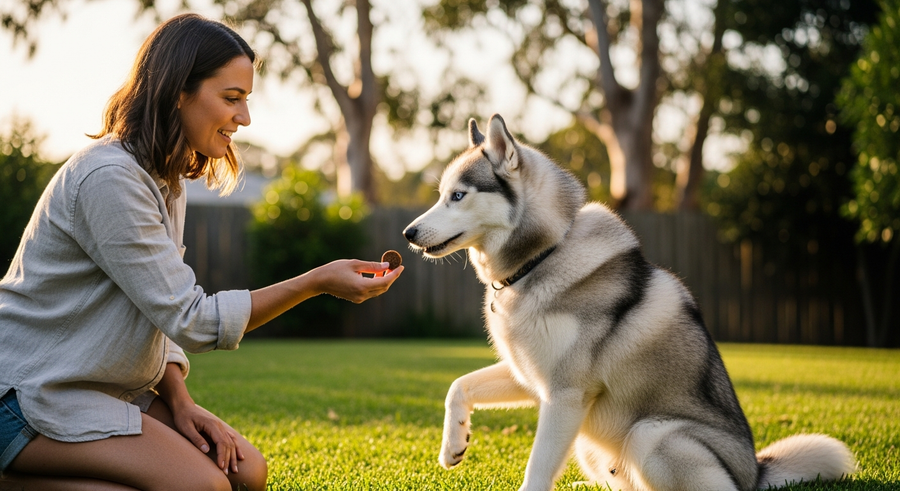
Hero's Joint Daily Chews use a collagen-first formula with four active ingredients: MSM, collagen peptides, turmeric, and vitamin C. This is a different approach to the majority of mainstream joint products. The formulation centres on collagen as the structural backbone of cartilage, with MSM providing sulphur-based connective tissue support, turmeric managing inflammation, and vitamin C supporting the collagen synthesis pathway. The formulation centres on collagen as the structural backbone of cartilage, with MSM providing sulphur-based connective tissue support, turmeric managing inflammation, and vitamin C supporting the collagen synthesis pathway.
The chews are grain-free, free from animal products, and made in Australia. They're vet-reviewed and come with a lifetime money-back guarantee. At $59.95 for a pack of approximately 60 chews, most dogs get one chew per day, making each pack a two-month supply for a smaller Husky or a month's supply for a larger one depending on weight-based dosing.
The soft chew format is worth mentioning for Huskies specifically. Huskies are notorious for selective eating and can be particular about what they accept. Most dogs treat a soft chew as a reward rather than a supplement, which makes daily consistency far easier. You can find the Hero Joint Daily Chews here if you want to check the full ingredient list and dosing guide.
How Joint Supplements Fit Into a Broader Husky Health Routine
Joint supplements work best as part of a broader approach rather than a standalone fix. For Huskies, a few factors interact directly with joint health outcomes.
Weight is the most significant controllable variable. Every extra kilogram of body weight adds disproportionate load to the joints, particularly the hips and knees. Huskies are not typically prone to obesity the way some breeds are, but it's worth monitoring, especially in desexed or less active dogs.
Exercise quality matters more than exercise quantity for joint health. High-impact repetitive activity (excessive jumping, steep terrain, very long runs on hard surfaces) puts more joint stress than the same energy expenditure through varied, moderate movement. Huskies thrive with long walks, hikes, and mental stimulation rather than intense repetitive exercise sessions.
If your Husky's parent dogs or siblings have hip dysplasia history, that's relevant context for your vet. Genetic predisposition doesn't guarantee the condition, but it's information worth having when deciding when to start preventive joint support. For Huskies with known hip dysplasia history in the family, starting supplements at age 2-3 rather than waiting until mid-life is a conversation worth having with your vet.
Other large and working breeds face similar joint challenges. If you're curious how Husky joint needs compare, the considerations for German Shepherds and Labradoodles overlap significantly given their similar size and activity profiles.
Signs Your Husky May Need Joint Support
Joint changes in dogs often start subtly. Owners frequently look back and realise the signs were there for months before they registered as a pattern.
- Hesitation before jumping onto the couch, into the car, or up stairs
- Slower to get moving after rest, particularly in the morning or after sleeping
- Stiffness on walks that eases after 10-15 minutes of movement
- Licking or chewing at a particular joint repeatedly
- Reduced enthusiasm for activities they previously enjoyed
- Slight gait changes, especially rear leg weakness or bunny-hopping on back legs
If you're noticing any of these, a vet check is the right first step. Your vet can assess whether there are structural changes, recommend imaging if needed, and help you decide on an appropriate combination of management strategies. Joint supplements are one piece of that picture, but they work alongside veterinary care, not instead of it.
The Bottom Line
Siberian Huskies are built tough, but their joints carry the cost of their athletic nature over time. Starting daily joint support before symptoms appear, choosing a formula with a complete active ingredient profile, and maintaining healthy weight and varied exercise will give your Husky the best foundation for staying mobile and comfortable as they age.
Every Husky is different, and the right time to start, the right formula, and the right dose will vary. If you want a personalised recommendation based on your dog's specific profile, the Hero Health Assessment gives you a tailored plan in under two minutes.