
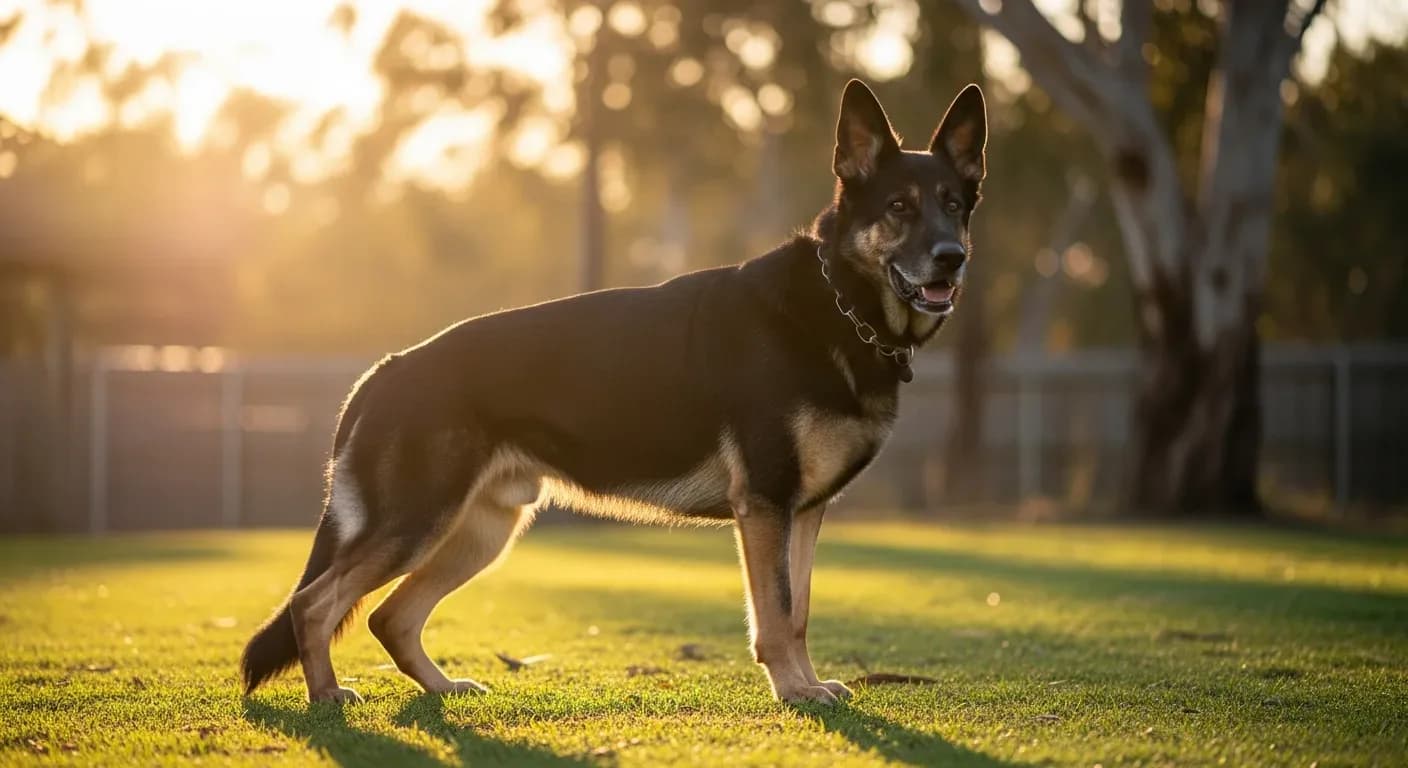
Watching a German Shepherd struggle to stand up after a nap, or hesitate at the back step they used to fly down, is one of those moments that catches owners off guard. This breed was built to work, and that powerful frame comes with one of the highest hip dysplasia rates of any large breed. Joint care is not a luxury for German Shepherds. It is part of the daily plan, ideally starting well before any limp shows up.
The Australian climate, your dog's exercise routine, their weight, and the supplement you choose all play a role. This guide covers what actually matters for German Shepherd joint health in Australia, what to look for in a daily supplement, and how a daily chew routine fits in.
Why German Shepherds Are at Higher Joint Risk
German Shepherds are predisposed to hip and elbow dysplasia, two conditions that affect how the joint forms and ages. According to the Orthopedic Foundation for Animals, around 20.6% of evaluated German Shepherds (about 1 in 5) show some degree of hip dysplasia. That rate is roughly four times higher than in many medium-sized breeds.
The reasons are partly genetic and partly structural. The breed's deep chest, sloped topline, and powerful hind drive put extra load through the hip and stifle joints with every stride. Add the typical German Shepherd lifestyle of long walks, fast running, and sometimes a bit of agility or working tasks, and you have a dog whose joints are working harder than the average pet.
Australian researchers have studied this closely. A 2013 study in PLOS One analysed records of 13,124 Australian-born German Shepherds and confirmed that breeding selection alone has only slowly reduced hip dysplasia rates over 25 years. In other words, even well-bred lines benefit from joint support, especially as dogs move into middle age.
For a complete picture of breed-specific health risks, our guide to common German Shepherd health problems covers what to watch for at every life stage.
When to Start Joint Support for a German Shepherd
Most owners think about joint care once they spot a limp. By that point the joint has usually been changing for months or years. Earlier is better, and the right starting age depends on what you are trying to do.
For prevention and long-term cartilage support, vets often suggest starting daily joint nutrients between ages 3 and 5 in large breeds like the German Shepherd. The breed reaches skeletal maturity around 18 to 24 months, and the years that follow are when wear-and-tear risk starts to compound. German Shepherd lifespan averages 9 to 13 years in Australia, and the back third of that life often involves some joint slowdown without proactive care.
If your dog is already showing signs (slow to rise, reluctance to jump, stiff after rest, lagging on walks, licking a hip or knee), start sooner and book a vet check the same week. Joint supplements support comfort and mobility but do not replace a proper veterinary diagnosis or treatment plan.
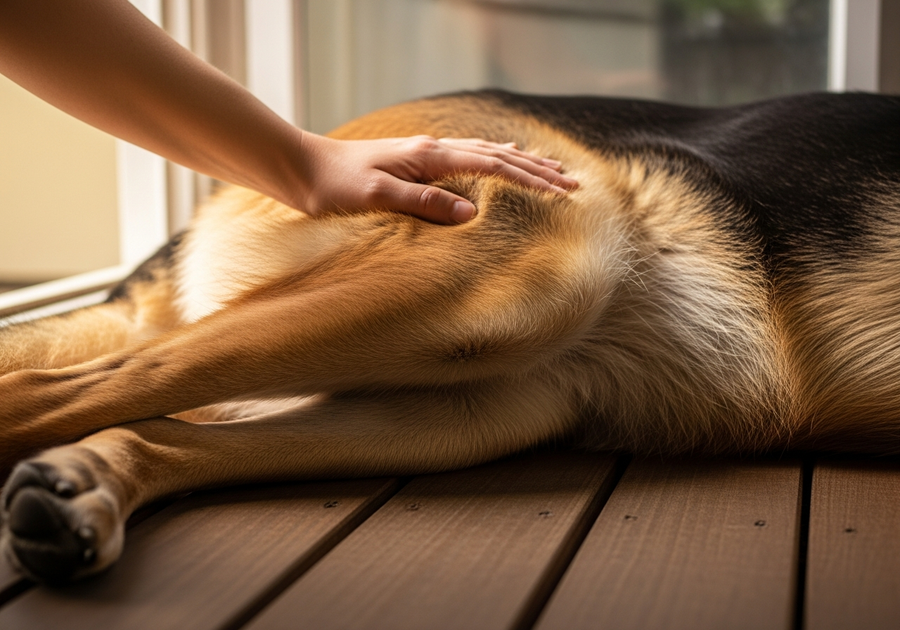
Early signs to watch for in your German Shepherd
- Hesitating before jumping into the car or onto the couch
- Bunny-hopping with both hind legs together, especially up stairs
- Slower to stand after sleeping or resting on the cool tiles
- Shifting weight off one leg when standing still
- Reduced enthusiasm on the second half of a walk
- Audible clicking or popping from the hips during movement
These signs are easy to miss in a stoic working breed. German Shepherds often hide discomfort until it becomes hard to ignore. If two or more of these show up over a few weeks, talk to your vet.
Evidence-Backed Ingredients That Support Joints
Different ingredients work through different pathways. The four below have a growing body of canine and human evidence behind them, and they pair well in a single daily chew. This is the combination Hero uses in its Australian-made formula.
Collagen peptides
Collagen is the structural protein that makes up cartilage and connective tissue. A 2024 study in PLOS One found that dogs with osteoarthritis who received bioactive collagen peptides daily for 12 weeks showed measurable gait improvements on a force-plate treadmill, plus better quality-of-life scores. Collagen peptides give the body the building blocks to maintain and repair cartilage as dogs age.
MSM (methylsulfonylmethane)
MSM is a sulphur-rich compound that supports anti-inflammatory pathways and cartilage health. A randomised pilot trial on osteoarthritis pain showed significant improvements in pain and physical function over 12 weeks. In dog formulations, MSM is most often combined with collagen and turmeric for layered support.
Turmeric (curcumin)
Turmeric contains curcumin, a polyphenol with established anti-inflammatory effects. A randomised, placebo-controlled canine trial published in BMC Veterinary Research tested a diet supplemented with curcuminoids, hydrolysed collagen, and green tea extract in dogs with osteoarthritis and found improvements in mobility scores. Turmeric is best absorbed when paired with a fat source, which is why a soft chew format works well.
Vitamin C (ascorbic acid)
Vitamin C is a cofactor in collagen synthesis and an antioxidant that helps neutralise oxidative stress in joint tissue. Dogs synthesise some Vitamin C themselves, but supplementation provides a useful boost when the body is recovering from exertion or carrying age-related load.
Daily Routines That Protect German Shepherd Joints
A supplement is one piece of the plan. The other pieces matter at least as much. Three habits make the biggest difference for this breed.
Keep weight under control
Every extra kilo on a German Shepherd is roughly four extra kilos of force through the hip on each stride. A lean body condition (where you can feel ribs without pressing hard, and there is a clear waist tuck) is the single most powerful joint protection you can give. Talk to your vet about an ideal weight target, then stick to it with measured meals and structured exercise.
Choose joint-friendly exercise
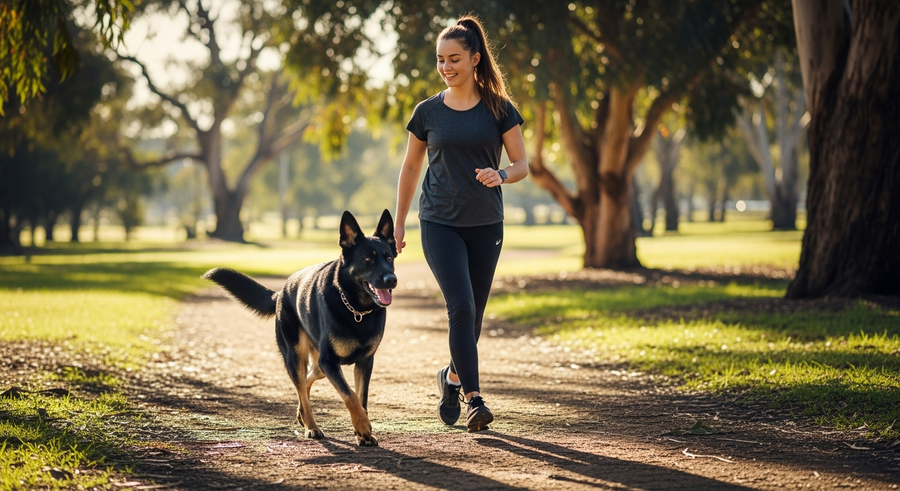
German Shepherds need movement. They were bred for it. The trick is choosing low-impact options as they age. Daily walks at a steady pace, swimming, gentle off-lead time on grass, and structured trotting work are all kinder to the hips than repetitive ball-throwing or jumping out of utes. Our guide on regular exercise for German Shepherds covers what works at each life stage, and the swimming guide explains why hydrotherapy is so useful for senior dogs.
Soft surfaces, traction, and rest
Polished floorboards and tile, common in Australian homes, are a quiet enemy of older joints. Slipping puts unpredictable load through hips and knees. Runners on hallways, ramps for the car, and a supportive memory-foam bed reduce the cumulative wear that adds up over years. If your dog is already on arthritis medication, our piece on managing arthritis in senior German Shepherds sits alongside this routine.
How Long Until You See Results
Most ingredients in a joint supplement are working from week one, but the visible payoff usually arrives between weeks 4 and 12. Collagen peptides need time to feed into cartilage maintenance. Turmeric's anti-inflammatory effect builds with steady daily intake. Owners often notice the second half of a walk feels easier, the morning rise looks less stiff, or the dog volunteers a play bow they had not offered in months.
If you see no change after 12 weeks of daily use at the right dose, that is your signal to call the vet. Joint supplements support healthy joints, but they do not treat structural problems like advanced hip dysplasia, cruciate injuries, or spondylosis. Those need a clinical plan.
Not sure where to start with your German Shepherd's daily care? The Hero Health Assessment takes about two minutes and gives you a tailored supplement plan based on your dog's age, weight, and lifestyle.
Choosing an Australian-Made Daily Chew
For families who want a daily option without ordering from overseas, look for an Australian-made chew that combines collagen peptides, MSM, turmeric, and Vitamin C in one soft format, with weight-based dosing on the pack and a clear refund policy. Hero's Joint Daily Chews tick those boxes, are vet reviewed, ship free on orders over $69, and are backed by a lifetime money-back guarantee. Most German Shepherds treat the chew like a small training reward, which makes the daily habit easy to keep.
Joint care for a German Shepherd is a long game. The dogs that stay mobile into their senior years are usually the ones whose owners started early, kept their weight tight, chose the right exercise, and stuck with a daily routine they actually trusted.
The Bottom Line
German Shepherds carry a higher-than-average joint risk because of their build and breed history. The right plan combines lean weight, low-impact daily movement, supportive surfaces at home, and a daily joint supplement built on evidence-based ingredients. A daily chew that combines collagen peptides, MSM, turmeric, and Vitamin C, made in Australia, fits that brief and pairs naturally with the other habits above.
Every German Shepherd is different. If you want a personalised recommendation in under two minutes, the Hero Health Assessment will pull it together based on your dog's age, weight, and lifestyle.