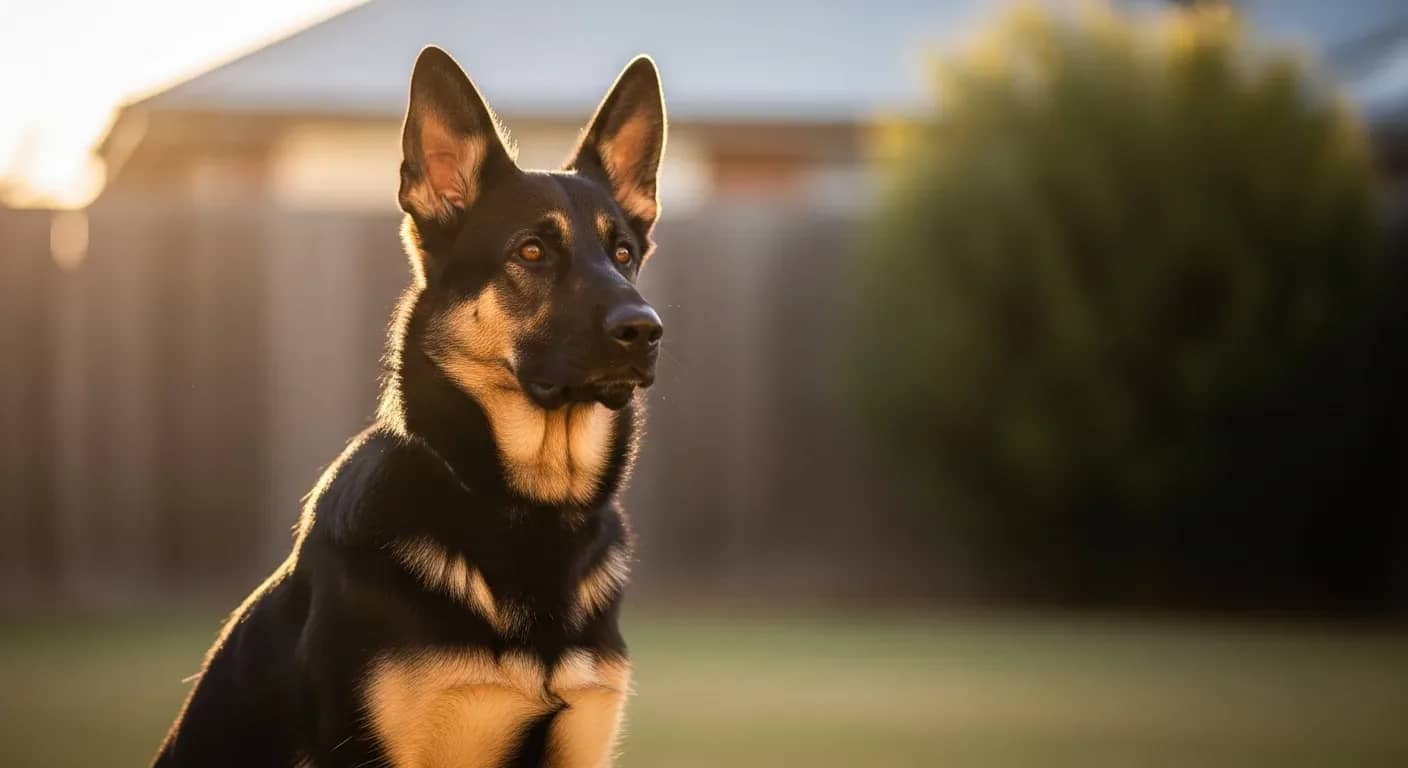

Most German Shepherd owners know their dog won't live forever. What catches many off guard is just how quickly those years seem to pass, and how much the choices made in the early years can shape what the senior years look like.
The average German Shepherd lifespan in Australia sits between 9 and 13 years. That's a wide range, and it exists for good reason: genetics, diet, exercise, and preventive care all pull in different directions. Some Shepherds stay sharp and active well into their twelfth year. Others start showing signs of age-related decline at seven or eight.
Understanding what drives that difference is one of the most practical things you can do as a German Shepherd owner.
How Long Do German Shepherds Live Compared to Other Breeds?
As a large breed, German Shepherds follow the general pattern where bigger dogs live shorter lives than smaller ones. A Chihuahua might reach 15 or 16 years. A German Shepherd reaching 13 or 14 is genuinely impressive. A Mastiff or Great Dane often struggles to reach 10.
This isn't a coincidence. Larger dogs age faster at the cellular level. Research published in The American Naturalist found that for every 4.4 pounds of body weight, a dog's lifespan decreases by roughly one month. German Shepherds, typically weighing 22-40 kg, sit squarely in the large breed category where this effect is most pronounced.
Within their size class, though, GSDs hold up reasonably well. Proper care can push a German Shepherd's lifespan toward the upper end of that 9-13 year window, and that's worth working toward.
What Affects a German Shepherd's Lifespan Most?
Several factors consistently separate the dogs that thrive into their senior years from those that decline earlier. None of them are guarantees, but all of them are within an owner's control to some degree.
Genetics and Breeding Line
The single biggest predictor of longevity is the breeding line a dog comes from. German Shepherds from reputable breeders who screen for hip dysplasia, elbow dysplasia, and degenerative myelopathy are statistically more likely to live longer, healthier lives. The German Shepherd Dog Council of Australia runs a hip and elbow dysplasia scheme, and buying a puppy from breeders who participate is one of the best decisions you can make before the dog even comes home.
Dogs with both parents having good hip scores inherit a lower baseline risk. That doesn't eliminate problems, but it shifts the odds meaningfully.
Hip and Joint Health
Hip dysplasia is the health issue most closely associated with German Shepherds, and for good reason. It's one of the leading causes of reduced quality of life and early euthanasia in the breed. A 2013 study in PLOS Genetics examined canine hip dysplasia in GSD breed data and found meaningful heritability for the condition, confirming both the genetic component and the value of breeding programs aimed at reducing it.
Managing joint health proactively matters as much as genetics. Dogs that maintain a healthy weight put less stress on their hips and elbows. If you're already seeing signs of stiffness or reluctance to jump, managing hip dysplasia in German Shepherds covers the practical steps. For owners looking at daily joint support, the best joint supplements for German Shepherds in Australia breaks down what the evidence actually supports.
Weight Management
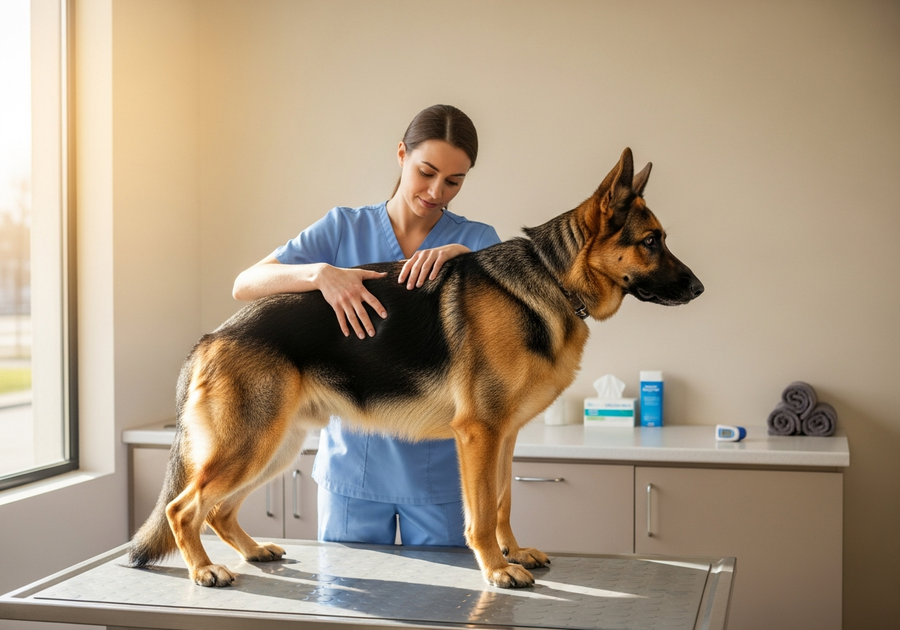
Overweight German Shepherds age faster. There's no gentler way to put it. Excess body weight accelerates joint deterioration, increases the load on the heart, and is associated with shorter lifespans in dogs across multiple studies. German Shepherds can be prone to weight creep, especially as they age and their activity levels naturally drop.
A simple rule: you should be able to feel your dog's ribs without pressing hard, but not see them from a distance. If you're unsure whether your Shepherd is at a healthy weight, your vet can give you an honest assessment. They won't judge you for asking.
Degenerative Myelopathy
Degenerative myelopathy (DM) is a progressive neurological condition that affects the spinal cord. It's strongly associated with German Shepherds and typically appears in dogs aged 5 years and older. The early signs look like back leg weakness, stumbling, or dragging a paw. It progresses gradually, and there's no cure, but the condition isn't painful, and good management can preserve quality of life for a significant period.
DNA testing can identify whether a dog carries the genetic mutation linked to DM. It doesn't guarantee the dog will develop the condition, but it's useful information for owners and breeders. Talk to your vet about whether testing makes sense for your dog.
Bloat (Gastric Dilatation-Volvulus)
Bloat is a medical emergency that kills quickly if not treated. German Shepherds, like other deep-chested large breeds, are at higher risk than the general dog population. The stomach fills with gas and can twist on itself, cutting off blood supply. Signs include a visibly swollen abdomen, unproductive retching, restlessness, and distress.
If you see those signs, don't wait. Drive to an emergency vet immediately. Knowing the nearest 24-hour vet clinic before you need it is genuinely important for German Shepherd owners.
Preventive measures include feeding two smaller meals rather than one large one, avoiding vigorous exercise for an hour after eating, and using a slow-feeder bowl. Some owners and vets choose prophylactic gastropexy (a surgical procedure that tacks the stomach to prevent twisting) during desexing. It's worth discussing with your vet.
Life Stage Breakdown: Puppy to Senior
Understanding how German Shepherds age through their different life stages helps you give them the right care at the right time.
Puppy (0-2 Years)
The puppy years are when the foundations get laid. German Shepherds grow fast, and that rapid growth puts real stress on developing joints. Avoid high-impact exercise like repetitive jumping or running on hard surfaces until the growth plates close, typically around 18 months. The rule of thumb is 5 minutes of structured exercise per month of age, twice daily.
This stage is also critical for socialisation. German Shepherds that aren't well-socialised as puppies can develop anxiety and reactivity that affects their wellbeing for life. Early, positive exposure to different people, environments, sounds, and situations pays dividends for years.
Adult (2-7 Years)
These are typically a German Shepherd's best years. They're settled, confident, physically capable, and deeply bonded to their family. The health work during this period is mostly about maintenance: regular vet check-ups, dental care, a quality diet, and enough exercise to keep their weight in check and their mind engaged.
Watch for early signs of joint stiffness. German Shepherds often show subtle changes in how they move before they show obvious pain. Hesitating before jumping into the car, being slower to rise from a rest, or a slight change in their gait can all be early signals worth discussing with your vet.
Senior (7+ Years)
Most vets consider German Shepherds senior from around 7 years of age, earlier than smaller breeds. Twice-yearly vet visits rather than annual ones make sense at this stage, as conditions can develop and progress more quickly. Blood panels to check organ function, dental cleanings, and joint health assessments all become more important.
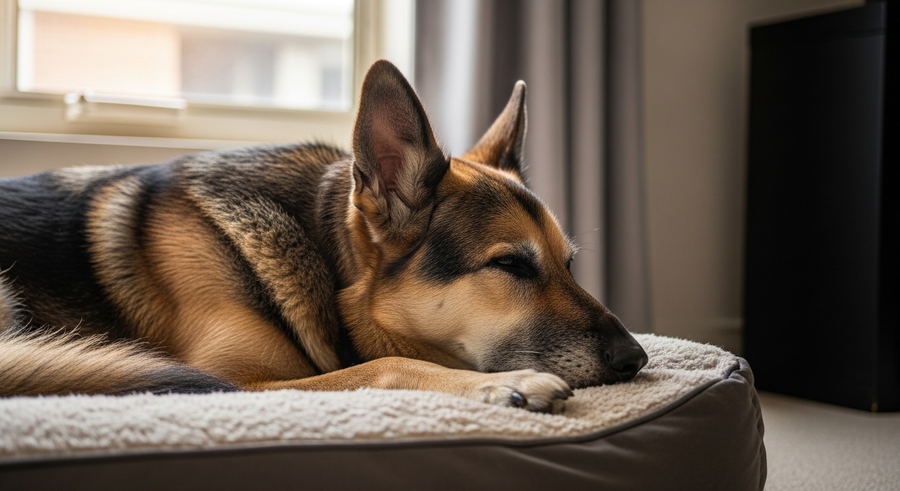
Senior German Shepherds often need modifications to their environment: ramps instead of stairs, orthopaedic bedding, and adjustments to exercise intensity. The goal isn't to do less; it's to do the right things. Swimming, for example, is outstanding for senior Shepherds because it maintains muscle mass and cardiovascular health without loading their joints.
What the Longest-Lived German Shepherds Have in Common
Talk to owners of German Shepherds who reached 12, 13, or even 14 years, and certain patterns emerge. These dogs weren't necessarily from exceptional breeding lines, though that helped. The common threads tend to be:
- Kept at a lean, healthy weight throughout their life
- Given regular, appropriate exercise that adapted as they aged
- Received consistent preventive vet care, including dental work
- Ate a quality diet without constant variation that stressed their digestion
- Had owners who caught early warning signs and acted on them quickly
None of those things are remarkable. They're just consistent. The dogs that live longest tend to have owners who pay attention and act on what they notice, rather than waiting until something becomes obvious.
Gut Health and Overall Longevity
German Shepherds are well-known for having sensitive digestive systems. Loose stools, bloating, and food sensitivities are common in the breed, and gut health has a broader impact on overall health than many owners realise. A well-functioning gut supports immune function, mood, and even joint health through its role in managing systemic inflammation.
German Shepherds prone to digestive upset often benefit from consistent diet management and gut support. Probiotics for German Shepherds covers what the research says about gut health support for the breed specifically.
Mental Health and Stress
German Shepherds are working dogs in the most literal sense. They were bred to have a job, and without adequate mental stimulation and purpose, they suffer. Chronic stress and anxiety don't just affect behaviour; there's growing evidence they affect physical health and longevity too.
A German Shepherd that spends long stretches alone, without adequate exercise or mental engagement, is more likely to develop anxiety-related behaviours and may experience elevated cortisol levels that affect overall health over time. If your Shepherd shows signs of stress, spotting and addressing anxiety in German Shepherds is worth reading.
Regular exercise, training, puzzle feeders, and quality time with their family aren't extras for German Shepherds. They're part of what keeps the breed healthy and happy.
When to Talk to Your Vet
German Shepherd owners should have a relationship with a vet who knows the breed's specific health risks. That means:
- Annual check-ups minimum, twice yearly from age 7
- Discussing hip and elbow health proactively, not just when problems arise
- Talking about bloat prevention before it's ever an emergency
- Asking about genetic health testing if you have a young dog
- Getting prompt advice any time something seems off, even if you're not sure it's serious
German Shepherds are stoic dogs. They often mask pain and discomfort until it's significant. Owners who know their dog well are usually the first to notice something's changed, and acting on that early instinct is one of the most valuable things you can do.
The Bottom Line
Nine to thirteen years is what the statistics say. But the quality of those years matters as much as the number. A German Shepherd that's well cared for, properly exercised, mentally engaged, and seen by a vet who knows the breed can have a genuinely full life at every stage.
The senior years don't have to mean decline. Many German Shepherds in their tenth or eleventh year are still hiking, still playing, still deeply connected to their families. They're slower, yes. They need more sleep and more careful exercise management. But they're present, happy, and engaged.
That outcome doesn't happen by accident. It's the result of all the small, consistent decisions that got made along the way. Not sure where to start with your German Shepherd's health? The Hero Health Assessment takes two minutes and gives you a personalised plan based on your dog's age, weight, and lifestyle.