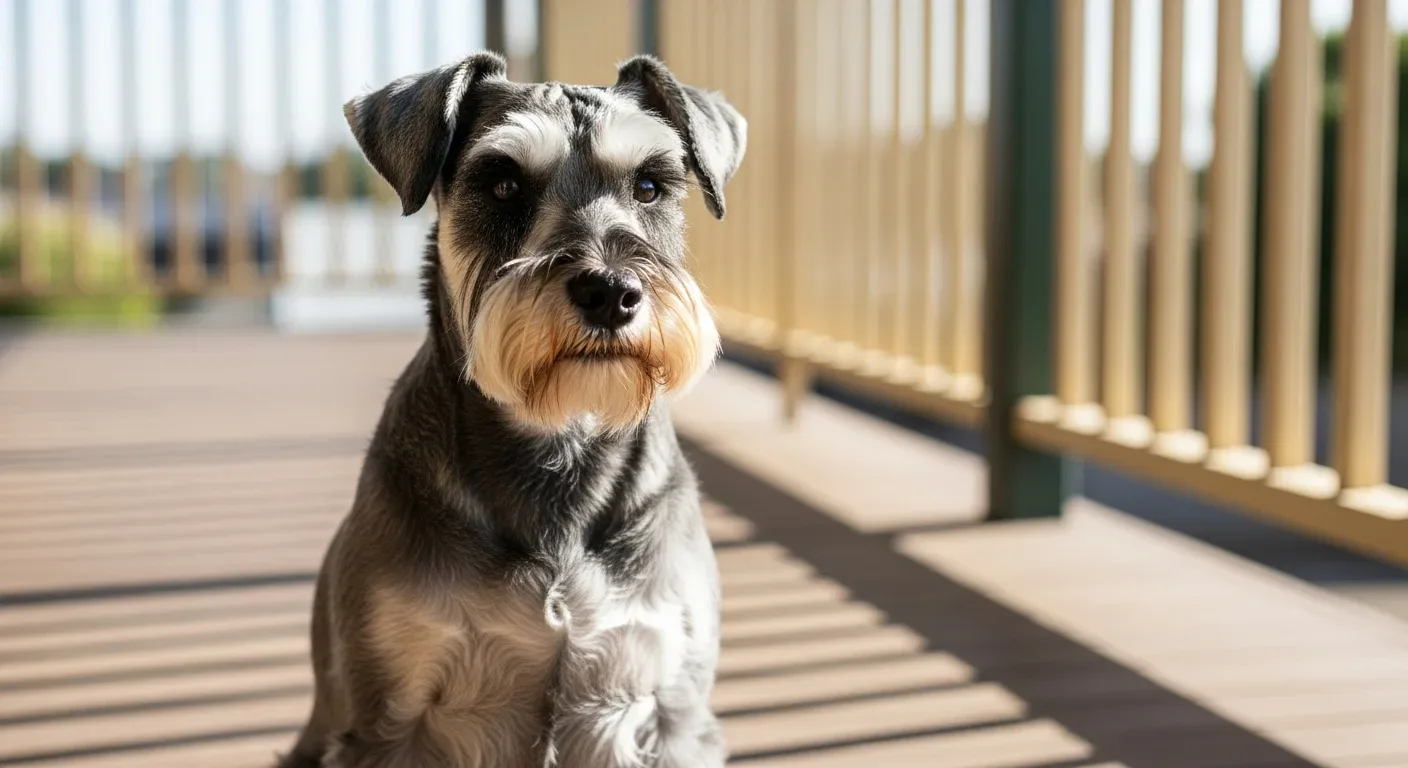
Miniature Schnauzers are brave enough to stand their ground against a dog three times their size, and clever enough to figure out how to open the pantry. What can catch owners off guard is when all that boldness and alertness turns inward: into restlessness, excessive barking, or a dog that falls apart the moment you pick up your keys.
Anxiety in Miniature Schnauzers is more common than most owners expect. The breed's natural temperament, combined with the typically urban environments they now live in, creates conditions where low-level stress can quietly compound over time. The good news is that with the right daily support, most dogs calm down significantly. This guide covers what drives anxiety in the breed, which supplement ingredients the research supports, and how to build a routine that actually makes a difference.
Why Miniature Schnauzers Are Prone to Anxiety
Miniature Schnauzers were bred to be alert, tenacious farmyard dogs. Their job was to hunt vermin and guard the property, so a sharp eye, a tendency to bark at strangers, and a constant awareness of their environment is baked into the breed. In a modern household, that vigilance can easily tip into anxiety when there is nothing specific to guard against.
They are also highly intelligent dogs. Intelligence in dogs is a double-edged trait: it means they are highly trainable and emotionally responsive, but it also means they notice and process stress more acutely than less sensitive breeds. A Schnauzer will clock your departure routine well before you reach the front door. Understanding how anxiety sits alongside other health concerns for the breed is covered in our guide to common Miniature Schnauzer health problems every owner should know.
Their compact size adds another layer. Because so many Miniature Schnauzers live in apartments and suburban homes, they often do not get the consistent physical and mental outlet that keeps working breeds mentally balanced. That pent-up energy frequently shows up as hypervigilance, reactivity, or anxious behaviours that owners mistake for normal Schnauzer personality.
Recognising Anxiety in Your Miniature Schnauzer
One of the trickiest parts of managing Schnauzer anxiety is that many of the signs are easy to dismiss as just how Schnauzers are. Excessive barking, territorial behaviour at the fence, shadowing you from room to room: these can feel like personality quirks rather than stress signals. They often are both.
Watch for these patterns, especially if they have intensified over time:
- Barking that escalates beyond alerting to actual distress sounds
- Pacing, circling, or an inability to settle even when relaxed
- Destructive behaviour (chewing, scratching) primarily when left alone
- Trembling or hiding during thunderstorms or fireworks
- Excessive licking of paws or flanks, a common self-soothing behaviour
- Yawning, lip licking, or whale eye in non-threatening situations
- Loss of appetite when something in their environment has changed
According to VCA Animal Hospitals, anxiety is one of the most commonly addressed behavioural issues in veterinary practice, with alert and intelligent breeds showing particular sensitivity to environmental changes and routine disruptions.
If you are seeing several of these signs regularly, a daily calming supplement is worth considering alongside any training adjustments you make.
Key Ingredients to Look for in a Calming Supplement
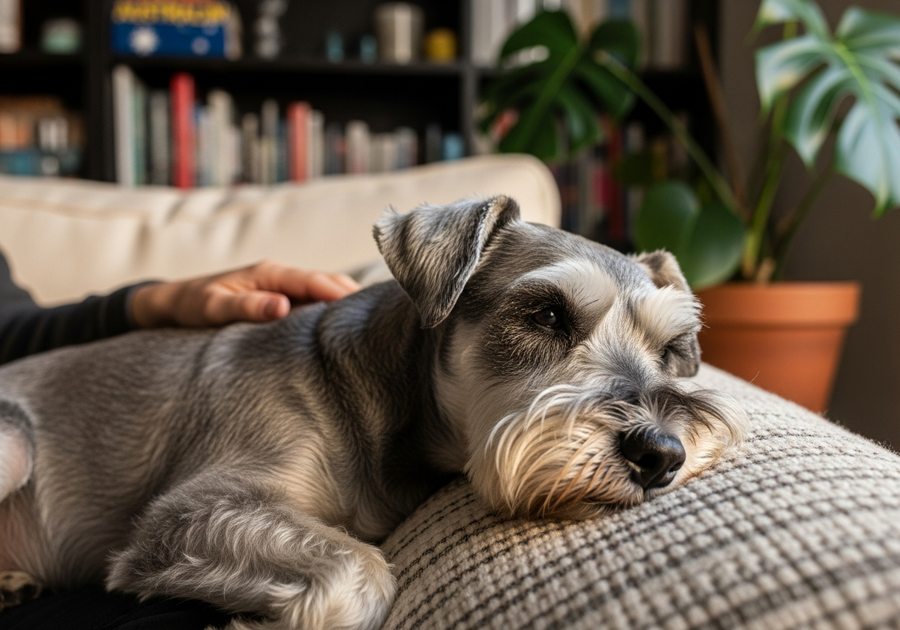
Not all calming supplements work the same way. The most effective ones combine ingredients that support the nervous system at multiple points, rather than relying on a single mechanism. Here is what the research supports for dogs, and why each ingredient earns its place in a quality formula.
L-Tryptophan
L-tryptophan is an essential amino acid that serves as a precursor to serotonin, the neurotransmitter most closely associated with mood regulation and feelings of calm. Dogs cannot produce it themselves, so dietary intake matters. The MSD Veterinary Manual highlights tryptophan as a key ingredient recommended by veterinary nutritionists for breeds with heightened stress sensitivity, particularly those prone to reactive behaviour.
Magnesium
Magnesium plays a direct role in nervous system function. Low magnesium is associated with higher cortisol output in mammals, and dogs are no different. Supplementing magnesium helps buffer the stress response, particularly in dogs that are chronically reactive rather than acutely anxious. Schnauzers running at a high baseline stress level throughout the day are good candidates for magnesium support.
Ashwagandha
Ashwagandha is an adaptogenic herb that helps the body regulate its own stress response rather than suppressing it. This means calmer baseline behaviour without sedation. Research published in Frontiers in Veterinary Science has examined adaptogenic compounds for canine stress management with encouraging results, supporting their inclusion in daily calming formulas for anxious breeds.
Chamomile
Chamomile has mild anti-anxiety properties and has been used in traditional herbal medicine for centuries. In dogs, it works gently on the central nervous system and also supports digestive comfort. This dual action matters because many anxious dogs show gut symptoms including loose stools or reduced appetite when under stress. The connection between gut health and behaviour is explored further in our guide to probiotics for Miniature Schnauzers.
Vitamin B1 (Thiamine)
Thiamine is essential for healthy nerve function. Deficiency in B vitamins is linked to heightened anxiety responses, and supplementing helps maintain normal neurological signalling. It is particularly relevant for dogs on highly processed diets where B vitamin bioavailability may be lower than ideal.
Jerusalem Artichoke
Jerusalem artichoke is a prebiotic fibre source that feeds beneficial gut bacteria. A well-balanced gut microbiome produces calming neurotransmitters and regulates stress hormones, meaning gut health directly influences how calm your dog feels day to day. Supporting the gut is one of the more underrated tools for managing anxious dogs, and it works alongside calming supplements rather than competing with them.
Daily Supplements vs As-Needed Products
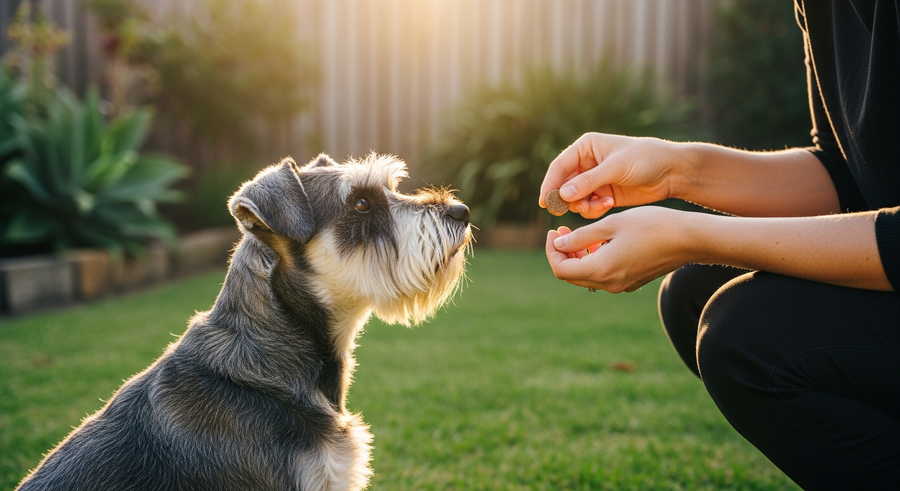
There are two categories of calming products for dogs. Daily supplements build up over weeks and lower baseline stress. As-needed products (ThunderShirts, pheromone sprays, or fast-acting veterinary medications) address acute situations. They serve different purposes and work well together.
Daily calming supplements take 4 to 6 weeks to show their full effect. Ingredients like tryptophan and ashwagandha need consistent intake to meaningfully shift baseline neurotransmitter levels. Owners sometimes abandon them after one week expecting immediate results, and that is the most common reason they appear not to work. Consistency is what matters most.
The goal of daily supplementation is to lower your dog's ambient stress level so that when a trigger occurs, your Schnauzer is starting from a calmer baseline and their reaction is proportionally smaller. You are raising the ceiling on what they can handle without tipping into a stress spiral.
Hero's Calming Daily Chews combine all six of the ingredients above (Magnesium, L-Tryptophan, Vitamin B1, Jerusalem Artichoke, Ashwagandha, and Chamomile) in a soft chew format that most dogs take willingly as part of their daily routine. They are Australian-made and vet-reviewed, designed for consistent daily use. Find out what your Miniature Schnauzer specifically needs with Hero's Calming Daily Chews, backed by a lifetime money-back guarantee.
Not sure where to start with your Miniature Schnauzer's daily support? The Hero Health Assessment takes 2 minutes and gives you a personalised supplement recommendation based on your dog's age, weight, and anxiety patterns.
Start the Free AssessmentSupporting Calm Behaviour Beyond the Supplement
Daily supplements work best as part of a broader approach to your Schnauzer's wellbeing. A few things that genuinely move the needle:
Mental stimulation
Miniature Schnauzers need their brains engaged. Puzzle feeders, sniff walks where you let them lead by nose rather than pace, and short training sessions all help deplete the mental energy that would otherwise fuel anxious behaviour. A mentally tired Schnauzer settles far more easily than one that has been physically exercised but mentally under-stimulated.
Consistent daily routines
Anxious dogs thrive on predictability. Meals, walks, and sleep at the same times each day reduce the cognitive load of uncertainty. Even small inconsistencies in a Schnauzer's routine can trigger vigilance spikes that compound across the day, particularly in dogs already running at a high baseline stress level.
Managing joint comfort as they age
One often-overlooked driver of anxiety in older dogs is physical discomfort. A dog that is uncomfortable will be harder to settle regardless of what you give them. If you have a Schnauzer approaching their senior years, our guide to joint supplements for Miniature Schnauzers covers what to watch for as they mature.
Gradual exposure to triggers
Consistent, positive exposure to anxiety triggers helps reduce reactivity over time. The key is gradual. Forcing a reactive Schnauzer into overwhelming situations typically makes anxiety worse. Start at a distance where they can observe the trigger without reacting, and build slowly from there with positive reinforcement and patience.
When to Talk to Your Vet
Daily calming supplements suit dogs with mild to moderate generalised anxiety, situational stress from storms or travel, and separation distress that is not severe. They are not a replacement for veterinary support when anxiety becomes more serious.
Reach out to your vet if:
- Your Schnauzer is injuring themselves through anxious behaviour (excessive licking creating wounds, escape attempts causing physical harm)
- Anxiety has come on suddenly in an otherwise calm dog, since sudden behavioural changes often signal an underlying physical cause
- They are refusing food or losing weight because of stress
- Daily function is affected and they will not settle, engage, or interact normally
Your vet may recommend prescription medication alongside supplements and behavioural strategies, and that is completely appropriate for dogs that need more support. Supplements and medication are not mutually exclusive. For broader context on how the breed changes across its lifetime, our guide to how long Miniature Schnauzers live and what to expect as they age is worth reading alongside this one.
The Bottom Line
Miniature Schnauzers are wired to be alert and reactive. That is part of what makes them such great companions. But when that alertness tips into chronic anxiety, daily supplementation with the right ingredients can shift the baseline significantly. Consistency matters most: supplements need 4 to 6 weeks to work properly, and they perform best alongside good routines and regular mental stimulation.
Every Miniature Schnauzer is different in how they express stress and what drives it. If you want a personalised daily supplement recommendation based on your dog's age, weight, and specific patterns, the Hero Health Assessment gives you a clear answer in under two minutes.