

Have you noticed your Boston Terrier making unusual snoring sounds or struggling to catch their breath after a short walk? These charming, flat-faced companions bring tremendous joy to their families, but their distinctive appearance comes with specific health considerations that every owner should understand.
Many Boston Terrier owners worry when they first hear their dog's noisy breathing or notice their pet tiring quickly during exercise. The reality is that these dogs face several breed-specific health challenges, but with proper knowledge and proactive care, most can live full, healthy lives spanning 11 to 13 years.
Understanding breathing challenges in flat-faced dogs

The most significant health concern for these dogs is Brachycephalic Airway Syndrome, a condition directly related to their shortened skull and nose structure. You'll recognise this issue through several telltale signs: persistent snoring, noisy breathing even at rest, difficulty exercising in warm weather, occasional regurgitation, and in severe cases, episodes of collapse.
The narrow nostrils and compressed trachea that give Boston Terriers their distinctive appearance also make breathing more laborious. During hot weather or intense exercise, this becomes particularly problematic. Many owners find their dogs simply cannot keep up with activities they previously enjoyed when temperatures rise above 25°C.
Managing this condition requires adjusting your approach to exercise and environment. Schedule walks during cooler parts of the day, ensure constant access to fresh water, and provide plenty of shade when outdoors. Some dogs benefit from surgical interventions to widen nostrils or shorten an elongated soft palate, though this requires consultation with a veterinary specialist.
Eye health requires constant vigilance
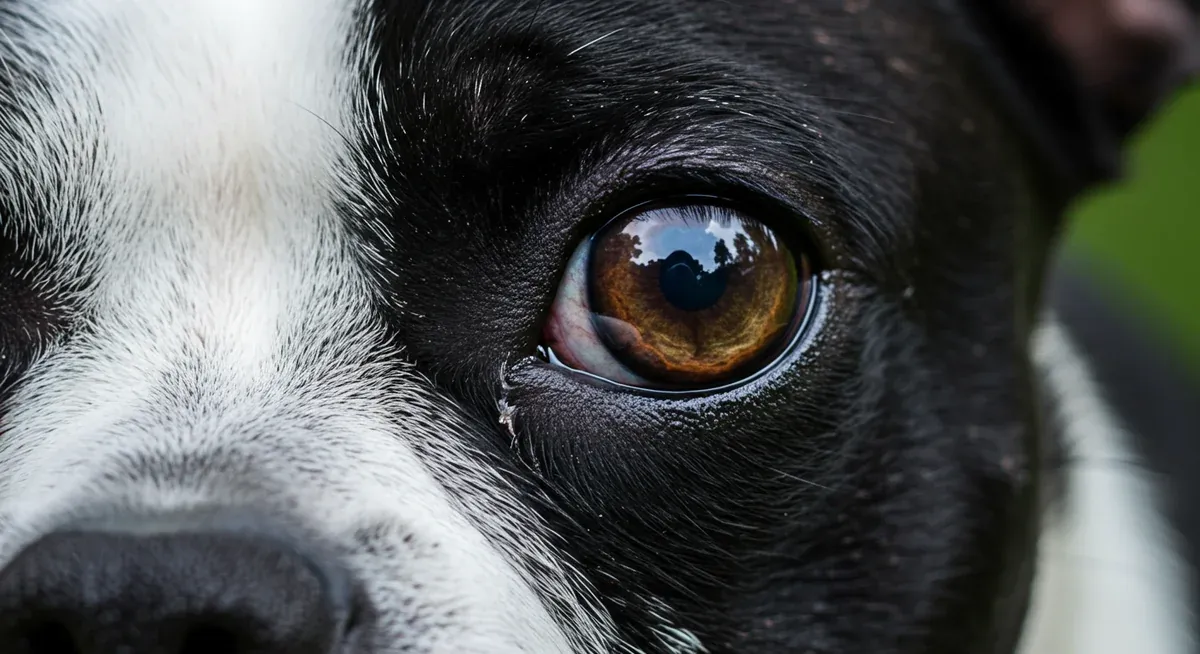
Boston Terriers face multiple eye conditions that can significantly impact their quality of life. Cherry eye presents as a red, swollen mass in the corner of the eye, while cataracts cause cloudiness that can progress to blindness. Glaucoma creates painful pressure within the eye, and keratoconjunctivitis sicca, commonly called dry eye, leaves the eyes appearing dull and uncomfortable.
Watch for squinting, excessive redness, unusual discharge, or any cloudiness in your dog's eyes. Dry eye specifically causes a characteristic dull appearance rather than the bright, alert expression these dogs typically display. Many owners notice their dog pawing at their face or showing reluctance to go outside in bright sunlight.
Regular eye examinations become crucial for early detection. Dogs diagnosed with dry eye typically require daily eye ointment applications, while other conditions may need surgical intervention. The key lies in catching these problems early, before permanent damage occurs.
Recognising Cushing's disease symptoms
Research shows that Cushing's disease affects Boston Terriers more frequently than many other breeds. This condition, caused by tumours on either the pituitary or adrenal glands, creates an overproduction of cortisol that dramatically alters your dog's behaviour and appearance.
The symptoms develop gradually, making them easy to dismiss initially. Excessive water drinking often appears first, followed by frequent urination that may include accidents in previously house-trained dogs. Hair loss typically occurs in symmetrical patterns, while persistent panting and abdominal swelling become increasingly noticeable.
Diagnosis requires blood tests to measure cortisol levels, and treatment involves lifelong medication management. Dogs with Cushing's disease need regular monitoring through blood tests, but with proper treatment, most maintain good quality of life for years after diagnosis.
Managing allergies and skin irritations
Skin problems frequently plague these dogs, manifesting through excessive scratching, persistent itching, and recurring ear infections. Environmental allergens, food sensitivities, or contact irritants can trigger these reactions, making identification challenging for owners.
A balanced, high-quality diet forms the foundation of skin health, while regular grooming helps identify problems early. Some dogs benefit from hypoallergenic diets or specific supplements, though determining the right approach often requires veterinary guidance and sometimes elimination trials.
When allergies persist despite dietary changes, your veterinarian might recommend allergy testing or prescription treatments. The goal is managing symptoms while identifying and avoiding triggers whenever possible.
Joint and mobility concerns
Patellar luxation, where the kneecap slips out of its normal position, causes pain and distinctive limping in affected dogs. You might notice your dog occasionally skipping on one leg or showing reluctance to jump or climb stairs. Hip dysplasia, though less common, can also affect these dogs as they age.
Maintaining an appropriate weight significantly reduces stress on joints, while regular, moderate exercise helps preserve mobility. Swimming provides excellent low-impact exercise for dogs with joint concerns. Some owners find joint supplements helpful, though discussing options with your veterinarian ensures appropriate choices for your dog's specific needs.
Severe cases of patellar luxation may require surgical correction, particularly if the condition significantly impacts your dog's mobility or quality of life.
Hearing loss and adaptation strategies
Both congenital and age-related deafness occur in Boston Terriers, sometimes developing so gradually that owners don't immediately notice the change. Dogs adapt remarkably well to hearing loss, often relying more heavily on visual cues and vibrations.
Regular hearing assessments help track any changes, while adapting your communication methods ensures continued connection with your dog. Hand signals, vibrating collars, and visual cues can effectively replace verbal commands when necessary.
Proactive health management strategies
Regular veterinary visits remain essential for early detection and management of these various conditions. Many owners find that establishing relationships with veterinary specialists, particularly ophthalmologists and internal medicine specialists, provides additional expertise when complex conditions arise.
Modern technology offers new monitoring options, with devices like smart collars providing continuous health tracking. These tools can alert owners to changes in activity levels, sleep patterns, or other indicators that might signal developing health issues.
Maintaining detailed health records helps track patterns and provides valuable information for veterinary consultations. Note changes in appetite, energy levels, bathroom habits, and behaviour, as these observations often provide crucial diagnostic clues.
According to PetMD, Boston Terriers are among the breeds most commonly affected by brachycephalic airway syndrome, making proactive respiratory management essential. For related advice, see our articles on managing small breed health concerns and recognising breed-specific health risks.
Understanding these health challenges shouldn't discourage potential or current owners. With proper knowledge, regular veterinary care, and proactive management, most Boston Terriers live happy, fulfilling lives despite their breed-specific vulnerabilities. The key lies in recognising problems early and working closely with veterinary professionals to develop appropriate treatment plans.