

Chihuahuas are the longest-lived purebred dogs you can own. While a Great Dane might share your life for seven or eight years, your Chihuahua is likely to still be demanding morning cuddles when you're well into your middle age. That's a beautiful thing, and also a real responsibility.
Most Australian Chihuahuas live between 14 and 18 years, with plenty reaching the high teens and some exceptional individuals making it past 20. Understanding what drives longevity in the breed, and what cuts it short, puts you in a much better position to give your dog every possible advantage.
How Long Do Chihuahuas Live in Australia?
The accepted lifespan range for Chihuahuas is 12 to 20 years, with 14 to 16 years being the most commonly cited average among Australian veterinarians. That upper range isn't a fluke. Chihuahuas consistently outperform larger breeds because smaller body size is strongly associated with slower cellular ageing in dogs.
The longest-lived Chihuahua on record, Megabyte, reached 20 years and 265 days. That's an outlier, but it points to genuine biological potential in the breed. More practically, a Chihuahua raised with good food, regular vet care, and basic safety precautions in place can realistically reach 16 to 18 years without much drama.
What separates the 12-year dogs from the 18-year dogs isn't luck. It's mostly a handful of controllable factors that compound over time.
Why Small Dogs Live Longer: The Biology Behind It
The relationship between body size and lifespan in dogs is one of the more curious patterns in veterinary science. Larger breeds age faster at a cellular level, accumulating the sort of oxidative damage and metabolic strain that leads to earlier organ decline. A Great Dane's heart has to work proportionally harder, its joints carry greater load, and its cellular turnover rate is simply higher.
Chihuahuas carry none of those burdens. Their cardiovascular systems are efficient relative to their size, their joints bear minimal load, and their metabolic rate, while higher per kilogram than larger dogs, doesn't translate into the same accelerated ageing pressure. A 2013 study published in PLOS ONE examining over 74,000 dogs found that for every 4.4 kg increase in body weight, the risk of death increased by roughly 1% per month, a significant compounding effect over a lifetime.
This doesn't mean Chihuahuas are invincible. It means their baseline biology gives them a longer runway, and what you do with that runway depends on the care you provide.
Leading Causes of Death in Chihuahuas
Knowing what actually kills Chihuahuas is more useful than general health advice. A University of Georgia study that tracked over 74,000 dogs across 20 years identified the top causes of death for the breed specifically.
Cardiovascular Disease (18.5% of adult deaths)
Heart disease is the leading cause of death in adult Chihuahuas, accounting for nearly one in five deaths. Most of these cases occur in senior dogs aged 14 and above, and the most common condition is mitral valve disease, a progressive deterioration of the heart valve that reduces pumping efficiency over time. Regular cardiac check-ups from around age 8 onwards are worth building into your routine. Your vet can detect the early murmurs that precede more serious decline, giving you time to manage the condition rather than react to a crisis.
Trauma (16.8% of adult deaths)
This one catches most people off guard. Trauma is the second leading cause of death in adult Chihuahuas, and it's almost entirely preventable. Being hit by a car, accidentally stepped on, dropped from height, or injured by a much larger dog accounts for a shocking proportion of Chihuahua deaths. Out of 82 purebred dog breeds studied, the Chihuahua ranked seventh most likely to die from trauma.
The practical implications: always supervise your Chihuahua around larger dogs, never leave them unattended near traffic, be mindful of picking them up and setting them down carefully, and ensure your yard and home are secure. These aren't overcautious suggestions. The data makes them genuinely important.
Infection and Dental Disease (10.5% of adult deaths)
Parvovirus, distemper, leptospirosis, and sepsis all feature in the infection category. Most are vaccine-preventable or avoidable with basic hygiene. The sepsis cases, however, have a specific Chihuahua connection worth knowing: tooth decay that goes untreated can spread infection into the bloodstream. Chihuahuas have notoriously crowded teeth in small jaws, which accelerates tartar build-up and decay. Dental care isn't cosmetic for this breed. It's directly tied to longevity. For more detail on this, the Chihuahua health problems guide covers dental and other chronic conditions in depth.
Key Factors That Affect Chihuahua Lifespan
Beyond the causes of death, there are several lifestyle and care factors that consistently separate long-lived Chihuahuas from those that struggle in their teens.
Dental Health
Worth repeating because it's consistently underestimated: Chihuahuas have some of the worst teeth of any breed. Their small mouths crowd 42 adult teeth into a jaw that really can't accommodate them all, leading to misalignment, food trapping, and accelerated tartar. Left unaddressed, periodontal disease advances to tooth loss, jaw bone damage, and the systemic infection risk described above.
Daily brushing is the gold standard. If that's not realistic, dental chews, water additives, and professional cleans under anaesthetic every 1 to 2 years are worth the investment. Your vet can guide you on what's appropriate given your dog's current dental state.
Weight Management
Obesity shortens Chihuahua lives more significantly than most owners realise. At 2 to 3 kg, an extra 200 grams represents nearly 10% of body weight, equivalent to a 70 kg person carrying 7 extra kilos every day. The joint stress, cardiac load, and metabolic strain compound over years. Keeping your Chihuahua lean is one of the highest-return health decisions you can make. For guidance on what healthy looks like for the breed, the resource on maintaining a healthy Chihuahua weight covers assessment and practical feeding strategies.
Diet Quality
Chihuahuas are prone to hypoglycaemia (low blood sugar), particularly as puppies and young adults. Small, frequent meals of high-quality food help stabilise blood glucose and prevent the energy crashes that stress their small systems. High-protein, nutrient-dense diets without excessive fillers serve the breed well. Australian pet parents looking for specifics on feeding will find the Chihuahua dietary needs guide a useful starting point.
Regular Veterinary Care
Annual vet check-ups catch the early warning signs that owners miss at home. Heart murmurs, early kidney changes, dental progression, weight creep, and subtle mobility shifts all show up in routine examinations before they become serious problems. For senior Chihuahuas (typically 8 and above), twice-yearly visits are a reasonable upgrade. The cost of prevention is consistently lower than the cost of treatment, both financially and in terms of your dog's wellbeing.
Exercise and Mental Stimulation
Despite their size, Chihuahuas need daily physical activity and mental engagement to thrive. Short, regular walks suit them well: two 15-minute outings daily is a solid baseline for a healthy adult. They're surprisingly capable of agility work and trick training, and the mental effort involved in structured play keeps their minds sharp into old age. Dogs that are sedentary and bored tend to develop anxiety-related behaviours that add chronic stress to their lives, and chronic stress has measurable effects on health and longevity.
Coat Care and Temperature Regulation
Chihuahuas, particularly the smooth-coated variety, have very little insulation against cold. They're not well suited to cold Australian winters without a jacket, and hypothermia risk is real for small dogs left outdoors in cool temperatures. Equally, they overheat quickly in summer. Keeping your Chihuahua comfortable in temperature extremes reduces the physiological stress load on their system over time.
Male vs Female Chihuahua Lifespan
The difference is small but consistent across studies: female Chihuahuas tend to live slightly longer than males. The reasons are partly hormonal and partly genetic, though the gap is typically only a year or two. Desexing timing can also play a role, as early desexing in females removes the protective effects of oestrogen on bone density and cardiovascular health. This is an area where a conversation with your vet about optimal timing is worthwhile.
Smooth Coat vs Long Coat Chihuahuas: Does Coat Type Affect Lifespan?
No meaningful evidence suggests that coat type affects how long a Chihuahua lives. The two coat varieties share the same underlying genetics and health predispositions. The practical care differences: long coats need more brushing, smooth coats lose heat faster. Neither translates into lifespan differences in well-cared-for dogs.
Signs Your Chihuahua Is Ageing Well
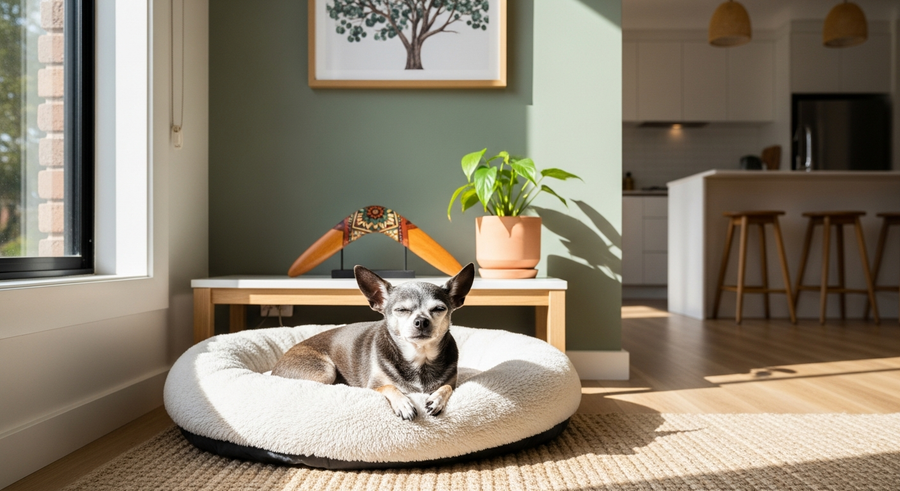
A senior Chihuahua ageing well typically still shows interest in food and play, maintains good muscle mass relative to their size, moves without apparent discomfort or stiffness, has clear eyes and pink gums, and sleeps normally without excessive lethargy. Their personality usually stays consistent. The spirited, loyal character Chihuahuas are known for doesn't fade with age in healthy dogs.
Warning signs that warrant a prompt vet visit include sudden weight loss, new lumps or bumps, changes in thirst or urination frequency, coughing (which in older Chihuahuas can indicate cardiac issues), any limping or reluctance to be touched, and confusion or disorientation that's new.
Chihuahuas with respiratory issues like tracheal collapse may also show symptoms that worsen with age. The guide on managing tracheal collapse in Chihuahuas is worth reading if your dog has a honking cough or shows exercise intolerance.
What Age Is Senior for a Chihuahua?
Most veterinary guidelines consider Chihuahuas to enter their senior years around 10 to 11 years of age. This is later than larger breeds, which become senior at 7 to 8. The practical implication: your Chihuahua has a longer middle period of healthy adult life before the senior adjustments are needed.
Once senior, the key adjustments are more frequent vet visits (twice yearly), monitoring for the cardiac and dental issues common in the breed, adapting exercise to any mobility changes, and considering whether dietary adjustments make sense. Many senior Chihuahuas remain active and spry well into their teens with attentive care.
The Bottom Line
Chihuahuas are genuinely long-lived dogs, with a realistic healthy lifespan of 14 to 18 years for well-cared-for individuals in Australia. The breed's small size is a biological advantage, but it doesn't run on autopilot. Dental health, weight management, trauma prevention, regular vet care, and sensible feeding are the controllable factors that make the real difference between a 12-year dog and an 18-year dog.
Your Chihuahua is capable of being a companion for nearly two decades. The care habits you build now, especially in their first few years, are what determine whether they get close to that potential. Start with the foundations, work with your vet, and don't wait for problems to appear before acting.
Not sure where your Chihuahua's health stands right now? The Hero Health Assessment takes about two minutes and gives you a personalised overview based on your dog's age, weight, and current health picture. It's a useful starting point if you want to be more proactive about their long-term wellbeing.