

Your Cocker Spaniel bounces through the back door, ears flying, tail going like a propeller. They are one of Australia's most loved breeds, and if you have one, you have probably asked yourself the same question every Cocker owner eventually asks: how long will we have together?
The good news is that Cocker Spaniels are one of the longer-lived medium-sized breeds. With the right care, many reach their mid-teens, and a few remarkable dogs have gone well beyond that. But lifespan is not just luck. It is shaped by genetics, the health conditions your dog carries in their bloodline, and the daily choices you make as their owner.
This guide covers everything you need to know about Cocker Spaniel lifespan in Australia, the health conditions that matter most, and the practical steps that give your dog the best chance at a long, healthy life.

Average Cocker Spaniel Lifespan in Australia
Cocker Spaniels typically live between 12 and 15 years, with most healthy dogs landing around 12 to 13 years. English Cocker Spaniels tend to sit at the higher end of this range, while American Cocker Spaniels average slightly lower at 10 to 14 years.
These figures compare favourably with other breeds of similar size. A Cavalier King Charles Spaniel, for example, often averages 9 to 14 years due to the prevalence of mitral valve disease in that breed. Cocker Spaniels carry different health risks, and with proactive management, many owners report their dogs living comfortably into their early to mid-teens.
Genetics remain the strongest single factor. Dogs from health-tested breeding lines, where parents have been screened for hereditary conditions before mating, consistently outlive dogs from unscreened backgrounds. If you are choosing a puppy, asking about health testing is the single most valuable question you can ask a breeder.
The Health Conditions That Most Affect Cocker Spaniel Lifespan
Understanding what shortens a Cocker Spaniel's life is the first step toward preventing it. Several conditions are more common in this breed than in the general dog population. For a thorough overview, see our guide to common health issues in English Cocker Spaniels.
Immune-Mediated Haemolytic Anaemia (IMHA)
IMHA is one of the most serious health conditions in Cocker Spaniels. The immune system mistakenly attacks the dog's own red blood cells, causing severe anaemia. It can develop rapidly and become life-threatening within days if not treated. Symptoms include sudden lethargy, pale or yellow gums, rapid breathing, and collapse.
Cocker Spaniels are genetically predisposed to IMHA at a higher rate than most breeds. Treatment typically involves immunosuppressive medications and sometimes blood transfusions. Dogs that survive the acute phase can go on to live normal lives, but the condition can recur. Annual blood panels from middle age onwards are the best way to catch early changes before a crisis develops.
Ear Infections (Otitis Externa)
The Cocker Spaniel's signature long, floppy ears are beautiful, but they create a warm, dark environment where bacteria and yeast thrive. Chronic ear infections are one of the leading reasons Cocker owners visit the vet, and untreated infections can progress from the outer ear into the middle and inner ear, causing serious neurological damage over time.
Routine ear cleaning after baths and swimming, combined with keeping the hair inside the ear canal trimmed, dramatically reduces infection rates. Learn to recognise the early signs: head shaking, scratching at the ear, a yeasty smell, or dark discharge. Catching an infection early means a straightforward treatment course. Left untreated, the same infection can become a surgery-level problem.
Progressive Retinal Atrophy (PRA) and Other Eye Conditions
Cocker Spaniels are prone to several inherited eye conditions, with Progressive Retinal Atrophy being the most significant. PRA causes gradual degeneration of the retina, eventually leading to blindness. While it does not shorten lifespan directly, dogs that lose their vision can develop secondary anxiety and are at greater risk of accidents.
Glaucoma and cataracts are also more common in the breed. Annual eye examinations from age four onwards allow your vet to detect early changes. Reputable breeders screen breeding dogs for PRA using DNA tests, so checking that parents have been tested is worthwhile when choosing a puppy.
Hip Dysplasia
Hip dysplasia, where the hip joint develops abnormally, causes progressive arthritis and pain. It is more common in Cocker Spaniels than the breed's size might suggest. Affected dogs often show stiffness after rest, reluctance to jump, and a bunny-hop gait when running.
Maintaining a lean body weight is the single most effective thing owners can do to slow progression. Excess weight dramatically increases the load on already compromised joints. Gentle, low-impact exercise such as swimming and leash walking is preferable to high-impact activities that stress the hips. Joint supplements and prescription anti-inflammatory medications can significantly improve quality of life for affected dogs.
Hypothyroidism
The thyroid gland regulates metabolism, and Cocker Spaniels have a higher-than-average rate of hypothyroidism, where the gland underproduces thyroid hormone. Signs include unexplained weight gain, lethargy, a dull coat, and skin problems. It is easily managed with daily oral medication once diagnosed, and treated dogs typically have a normal lifespan.
Kidney Disease
Chronic kidney disease becomes more common in Cocker Spaniels from around eight years of age. The condition progresses slowly, and many dogs live comfortably for years with a kidney-supportive diet and regular monitoring. Twice-yearly blood and urine testing from age seven allows early detection before symptoms appear, which gives treatment a much better chance of slowing progression.
What Actually Extends a Cocker Spaniel's Life
The gap between a Cocker who makes it to ten and one who reaches fifteen often comes down to a handful of consistent habits. None of these are complicated, but together they make a significant difference.
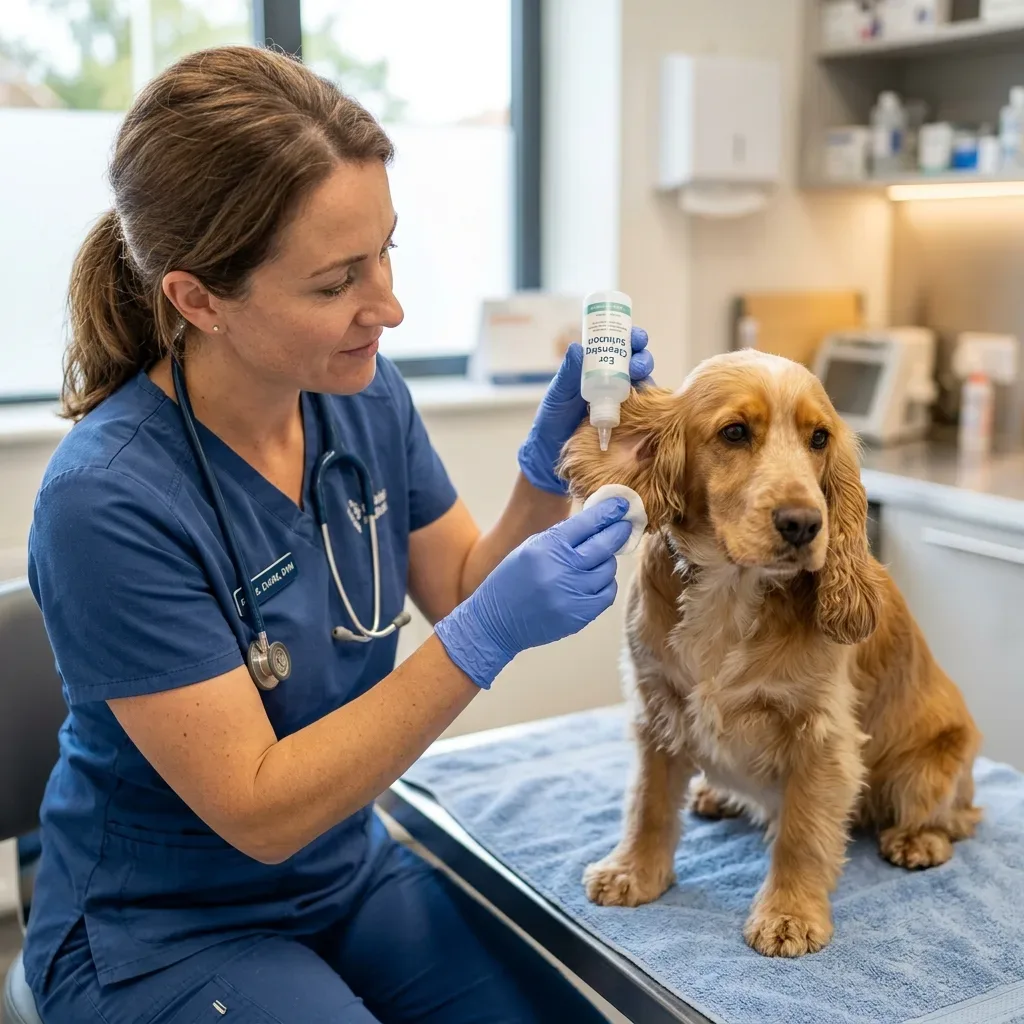
Routine Ear Cleaning
Clean your Cocker's ears every one to two weeks, and always after swimming or bathing. Use a vet-recommended ear cleaning solution, never cotton buds, which push debris deeper. If you notice any smell, redness, or discharge, book a vet appointment within a few days rather than waiting. Chronic ear infections are one of the most preventable causes of significant health problems in this breed. For full guidance on grooming, including ear care, see our guide to grooming your English Cocker Spaniel.
Weight Management
Cocker Spaniels are enthusiastic eaters and prone to weight gain. An overweight Cocker puts extra load on joints already at risk of dysplasia, increases the risk of diabetes and heart disease, and can reduce life expectancy by two to three years compared with a lean dog of the same breed.
The test is simple: you should be able to feel your dog's ribs easily with gentle pressure, with a visible waist when viewed from above. If you cannot feel the ribs without pressing, your dog is carrying too much weight. Talk to your vet about a calorie target, and be strict about treats counting toward the daily total.
Dental Care
Periodontal disease affects the majority of dogs over the age of three, and Cocker Spaniels are no exception. Bacteria from infected gums enter the bloodstream and have been linked to kidney, liver, and heart disease. Brushing your dog's teeth three to four times per week, using a dog-specific toothpaste, is the most effective prevention. Dental chews and water additives offer some benefit but are not a substitute for brushing.
Annual Blood Testing from Middle Age
From age five onwards, annual blood and urine panels give your vet a baseline and allow early detection of kidney disease, thyroid issues, and anaemia-related changes. Many of the conditions that shorten Cocker Spaniels' lives are manageable when caught early but difficult to treat once they have progressed. Blood testing is one of the highest-value investments you can make in your dog's long-term health.
Choosing a Health-Tested Breeder
For anyone still choosing a puppy, this is the single most impactful decision you will make. Responsible breeders in Australia test their dogs for hip dysplasia, progressive retinal atrophy, and other hereditary conditions before breeding. They provide documentation of these tests and are transparent about the health history of both parents.
A puppy from health-tested parents costs more upfront. It saves considerably more over the course of the dog's life, and more importantly, it gives your dog the best possible genetic foundation for a long, healthy life.
Exercise That Suits Their Body
Cocker Spaniels are active dogs that need daily exercise, but the type matters as much as the amount. Two 30-minute walks per day, combined with off-leash play in a secure area, suits most adult Cockers well. Avoid repetitive high-impact activities such as jumping from heights or very long runs on hard surfaces, particularly as the dog ages. Swimming is excellent for Cockers, providing cardiovascular benefit without joint stress.
Twice-Yearly Vet Checks from Age Seven
Once your Cocker reaches seven years old, consider switching to twice-yearly vet check-ups. Dogs age faster than humans, and six months in a senior dog's life is equivalent to several human years. More frequent checks allow earlier detection of the kidney disease, dental problems, and joint changes that become common in older Cockers.
Cocker Spaniel Lifespan vs Similar Breeds in Australia
Putting Cocker Spaniel lifespan into context helps set realistic expectations:
- English Cocker Spaniel: 12 to 15 years
- American Cocker Spaniel: 10 to 14 years
- Cavalier King Charles Spaniel: 9 to 14 years (heart disease is a significant factor)
- Springer Spaniel: 12 to 14 years
- Cocker Spaniel cross (Spoodle): 12 to 15 years
Among spaniel-type breeds, Cocker Spaniels fare relatively well, particularly when the main threats to their health are managed proactively.
Signs of Ageing in Cocker Spaniels
Most Cockers begin showing signs of ageing from around eight to nine years. Knowing what to expect helps you distinguish normal ageing from health changes that need veterinary attention.
Normal age-related changes include grey muzzle fur, slightly reduced activity, longer recovery times after exercise, and mildly stiffer movement in the mornings. These are gradual and progressive.
Changes that warrant a vet visit include sudden weight loss, marked increase in thirst or urination, difficulty breathing, loss of appetite, new lumps or bumps, significant changes in gum colour, or any sudden change in behaviour or coordination. These can indicate the onset of the kidney disease, anaemia, or other conditions that Cocker Spaniels are prone to in their senior years.
The Role of Genetics and Breeding in Lifespan
Genetics set the ceiling on your dog's potential lifespan, but daily care determines how close to that ceiling they get. A dog from excellent breeding lines with poor nutrition and no preventive care will often underperform. A dog from modest breeding lines with excellent care and proactive health monitoring will often exceed expectations.
The most reliable predictors of a long-lived Cocker Spaniel are: health-tested parents, a lean healthy weight maintained throughout adult life, regular ear care, routine dental hygiene, and consistent veterinary monitoring from middle age onwards.
For more breed-specific guidance written with Australian dogs in mind, explore the Hero Pet Health blog, where you will find detailed resources covering each stage of your dog's life.
The Bottom Line
Most Cocker Spaniels live between 12 and 15 years. The dogs that reach the top of that range are not simply lucky. They have owners who take ear health seriously, keep their weight lean, brush their teeth, test their blood regularly from middle age, and choose vets who know the breed.
The conditions that most often cut Cocker Spaniel lives short, including IMHA, chronic ear infections, and kidney disease, are either manageable or preventable when caught early. That is genuinely good news. It means the choices you make every week have a real and measurable impact on how long your dog lives and how well they live.
Not sure where your Cocker Spaniel sits in terms of health? Our free dog health assessment asks a few targeted questions about your dog's breed, age, and symptoms and gives you a personalised snapshot of the areas most worth monitoring. It takes under two minutes and is a practical first step for any Cocker owner thinking about their dog's long-term health.
Your Cocker is counting on those choices. Make them count.