

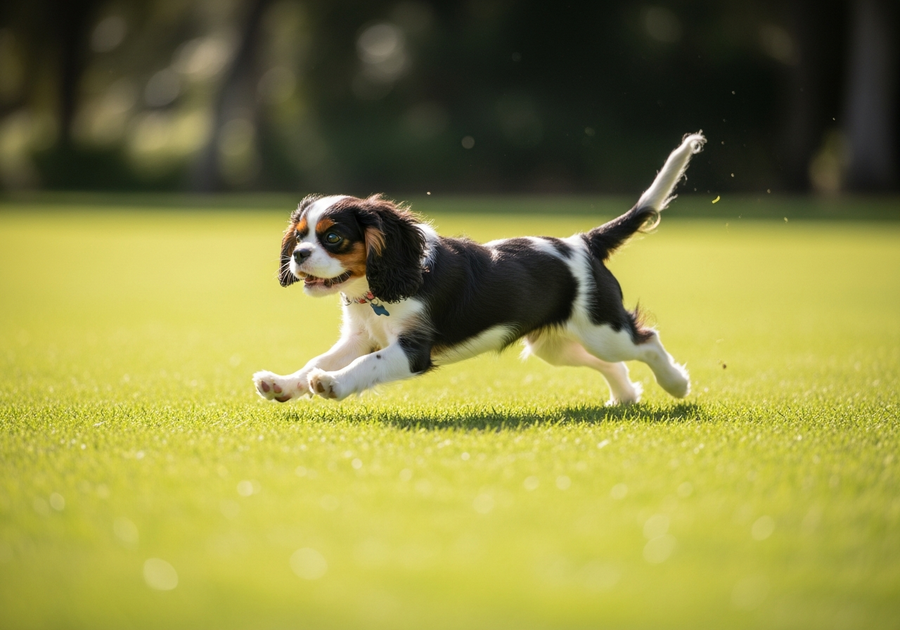
Your Cavalier King Charles Spaniel stares up at you with those enormous dark eyes, silky ears framing their face like a portrait from a royal painting. If you've fallen for this breed, you've probably wondered: how long will we have together?
The honest answer is that Cavaliers typically live between 9 and 14 years, with many well-cared-for dogs reaching 12 to 13 years. That range is wide, and there's a real reason for it. Understanding what drives those numbers is the most useful thing you can do for your dog right now.
Average Cavalier King Charles Spaniel Lifespan in Australia
Most sources put the average Cavalier lifespan at around 11 to 12 years, though some well-bred dogs with regular veterinary care live to 13 or 14. This sits slightly below the average for small dogs in Australia, where breeds like the Maltese often reach 13 to 15 years.
The difference comes down to breed-specific health vulnerabilities. Cavaliers are genetically predisposed to a handful of serious conditions, particularly heart disease, that can shorten their lives if not caught and managed early. But "predisposed" is not the same as "inevitable". With the right knowledge and care, many Cavalier owners get well over a decade with their dog.
Australia has an active Cavalier community, and the Cavalier King Charles Spaniel Club of NSW and the equivalent clubs in other states run health-screening programs specifically designed to address the breed's known vulnerabilities. Buying from a breeder who participates in these programs makes a measurable difference to your dog's long-term health.
The Health Conditions That Most Affect Cavalier Lifespan
Two conditions stand above the rest when it comes to Cavalier longevity: mitral valve disease and syringomyelia. Every prospective Cavalier owner should understand both.
Mitral Valve Disease (MVD)
MVD is the single biggest factor in Cavalier lifespan. According to data from CavalierHealth.org, over half of all Cavaliers develop MVD by age five, and more than 90% are affected by age ten. The disease causes the heart's mitral valve to degenerate over time, eventually leading to congestive heart failure if untreated.
This sounds alarming, but the picture isn't all grim. Dogs with MVD caught early can be managed with medication for years. The Cavalier Health Foundation and international research programs (including the EPIC trial, a multi-country study published in the Journal of Veterinary Internal Medicine) have shown that starting certain cardiac medications before symptoms appear significantly delays the onset of heart failure. Your vet can screen for MVD with a basic stethoscope examination.
Syringomyelia (SM) and Chiari-Like Malformation (CM)
Syringomyelia is a neurological condition where fluid-filled cavities form within the spinal cord, often because the skull is slightly too small for the brain. It's also called "neck scratcher's disease" because one hallmark sign is a dog scratching at their neck or shoulder area, often without making contact.
Not every Cavalier with the underlying anatomy develops symptoms, but the condition can cause significant pain and affects quality of life in those that do. MRI scanning is the only reliable way to diagnose it. Responsible breeders in Australia use MRI screening protocols to reduce the prevalence of SM in their lines.
Other Conditions to Watch
Beyond MVD and SM, Cavaliers are also prone to:
- Eye conditions, including cataracts and retinal issues
- Hip dysplasia, which affects mobility in older dogs
- Ear problems, partly due to those heavy, low-set ears trapping moisture
- Dental disease, which in Cavaliers carries extra risk because oral bacteria can travel to the heart and worsen existing cardiac issues
- Obesity, which accelerates joint problems and puts additional strain on an already-vulnerable heart
None of these make Cavaliers a "bad" breed. They make Cavaliers a breed that rewards attentive ownership. Knowing what to watch for means you can act early, and early action genuinely changes outcomes.

What Actually Extends a Cavalier's Life
There's no magic. But there are several things that consistently make a difference across this breed, and the evidence is fairly clear about what they are.
Annual Cardiac Screening
The Cavalier Health MVD Breeding Protocol recommends that Cavaliers be heart-screened annually by a cardiologist from age two and a half onwards. Even outside the breeding context, asking your vet to listen to your dog's heart at every check-up gives you the best chance of catching MVD before it progresses. Once a murmur is detected, the frequency of monitoring increases.
Weight Management
Obesity is one of the most modifiable risk factors in any dog's lifespan. For Cavaliers, carrying extra weight compounds both heart disease and joint problems. The breed standard puts healthy Cavaliers at 5.9 to 8.2 kg. If your dog is consistently above that, it's worth talking to your vet about a weight-management plan. Thirty grams of extra daily food over months adds up faster than people realise.
Dental Care
For most dog breeds, dental disease is a quality-of-life issue. For Cavaliers, it's also a cardiac concern. Bacteria from periodontal disease can enter the bloodstream and directly affect the heart. Regular brushing at home, combined with professional dental cleans when needed, is genuinely protective for this breed in a way it isn't quite as critical for others.
Choosing a Responsible Breeder
This matters more for Cavaliers than almost any other breed. A responsible Australian breeder will provide MRI results for SM/CM for both parents (typically tested at 2.5 years or older), cardiac certificates showing the parents were heart-clear at the time of mating, and documentation that hip scores have been assessed. Paying more upfront for a well-bred dog almost always means fewer heartbreaking and expensive health interventions later.
Exercise That's Right for Their Body
Cavaliers are moderately active dogs that benefit from 30 to 45 minutes of daily exercise. They're not endurance athletes. Long, hard runs in hot weather are genuinely risky for this breed, partly because of their heart vulnerabilities and partly because of their brachycephalic (short-muzzled) features. Two moderate walks a day, some indoor play, and mental stimulation through training or puzzle activities covers most of what they need.
Australian summers add another layer here. Cavaliers in Queensland or Western Australia in particular need to be exercised early in the morning or in the evening during heatwaves. Heat stress can be dangerous for them.
Regular Veterinary Check-Ups
This is the most consistent piece of advice across every veterinary source. Cavaliers benefit from at least annual check-ups when young and healthy, and twice-yearly checks once they hit six or seven years. The conditions that threaten their longevity most are detectable with routine clinical examination. The vet doesn't need expensive equipment to find a heart murmur or notice neurological symptoms that might point to SM.
Cavalier Lifespan vs. Similar Breeds in Australia
To put Cavalier lifespans in context, it helps to look at comparable breeds:
- Cavoodle: 12 to 15 years. The Poodle influence adds genetic diversity that often reduces MVD prevalence. Cavoodle lifespan reflects the hybrid vigour benefit.
- Golden Retriever: 10 to 12 years. Similar average to Cavaliers but for different reasons. Goldens face cancer risks that Cavaliers largely don't share.
- French Bulldog: 10 to 12 years. Brachycephalic health challenges create a comparable lifespan ceiling, though the specific conditions differ. French Bulldog lifespan is heavily influenced by respiratory function.
- King Charles Spaniel (the larger English Toy Spaniel cousin): 10 to 12 years, with similar cardiac concerns.
The Cavoodle comparison is particularly relevant for Australians considering one breed versus the other. The crossbreed advantage is real in terms of cardiac health, though individual variation still exists in both directions.
Signs of Ageing in Cavaliers
Cavaliers are considered seniors from around age eight, though many are still full of energy and very healthy at that age. What you might notice as they move through their senior years:
- Slowing down on walks, tiring more easily
- A persistent cough, especially after exercise or when lying down (this can be an early sign of heart failure and needs veterinary attention)
- Scratching at the neck or shoulders without apparent cause
- Stiffness after rest, particularly in cold weather
- Changes in appetite or drinking habits
- Cloudy eyes or reduced visual response
Any of these changes are worth raising with your vet promptly. For Cavaliers especially, early intervention on cardiac and neurological signs often translates to months or years of better-quality life.
The Role of Genetics and Breeding in Lifespan
The genetic picture for Cavaliers is complicated by the breed's history. The breed was re-established from a very small number of dogs in the twentieth century, which created a narrow gene pool and concentrated certain health issues. Understanding the full range of Cavalier King Charles Spaniel health problems is part of being a prepared owner, and working closely with a vet who knows the breed gives you the best possible foundation.
That said, selective breeding programs in Australia and globally have made genuine progress on both MVD and SM over the past two decades. The breeding protocols developed by the International Veterinary Working Group on CKCS Heart Disease have demonstrably reduced the prevalence of early-onset MVD in lines that follow them. It's a slow process, but the trend is in the right direction.
For you as an owner, this means that pedigree matters but it's not destiny. A dog from health-tested parents has a statistically better chance of a longer, healthier life. But good breeding doesn't guarantee perfect health, and some dogs from untested lines live long lives. It shifts the odds, not the certainty.
The Bottom Line
The average Cavalier King Charles Spaniel in Australia lives around 11 to 12 years, with dogs from health-screened lines and attentive owners regularly reaching 13 or 14. The breed's vulnerabilities are real, particularly around heart disease, but they are manageable with regular monitoring and prompt action.
The single most impactful things you can do are: buy from a breeder who screens for MVD and SM, keep your Cavalier at a healthy weight, brush their teeth, and get them cardiac-checked every year once they pass two years old. None of that is complicated. It's the kind of consistent attention that makes the difference between the lower and upper ends of that lifespan range.
For personalised guidance on your Cavalier's health at every life stage, the Hero Pet Health health assessment can help you build a care plan around your individual dog's age, weight, and health history. And explore the Hero Pet Health blog for practical, vet-informed guides on keeping your dog healthy at every stage of life.