

French Bulldogs have a way of turning first-time Frenchie owners into lifelong devotees. Their bat ears, squished faces, and enormous personalities make them one of Australia's most loved companion breeds. But if you've started searching "french bulldog lifespan australia", you've probably already sensed that this breed comes with a few question marks around their health.
The honest answer is that French Bulldogs typically live between 10 and 14 years, with most settling around the 10 to 12 year mark. That's a respectable run for a small breed, though it does require some active effort on your part to get them there in the best possible shape.
What Does the Research Actually Say?
You may have come across a headline claiming French Bulldogs only live 4.5 years. That figure comes from a 2022 paper in Scientific Reports by researchers at the Royal Veterinary College in the UK, which analysed life table data from over 30,000 dogs. The 4.5 year median reflects a UK population where many Frenchies had severe brachycephalic health complications and were surrendered or euthanased early.
Other breed health datasets put French Bulldog life expectancy at around 10.2 years, which aligns more closely with what Australian vets and breeders report. The difference matters because "median survival" captures data skewed by unhealthy individuals and early deaths, while a well-cared-for Frenchie in a healthy home is on a very different trajectory.
Australian sources, including Dogs Australia, list the breed's lifespan as 12 to 16 years for healthy individuals. The realistic middle ground for most owners is 10 to 12 years, with some reaching 14 or beyond.
Factors That Affect French Bulldog Lifespan
How long your Frenchie lives is shaped by a combination of genetics, environment, and the decisions you make as their owner. None of these factors act in isolation, and you have more influence over the outcome than you might expect.
Brachycephalic Health Complications
The same flat face that makes French Bulldogs so distinctive is also their greatest health challenge. Brachycephalic Obstructive Airway Syndrome (BOAS) affects a significant proportion of the breed and ranges from mild snoring to serious respiratory compromise. Dogs with severe BOAS tire more easily, overheat faster, and are at higher anaesthetic risk.
If your Frenchie struggles to breathe during normal activity, snores heavily at rest, or shows signs of respiratory distress, speak with your vet about a formal BOAS assessment. Surgical correction can genuinely improve quality and length of life in affected dogs. Understanding the full picture of French Bulldog health problems is one of the best investments you can make as a new owner.
If your Frenchie already snores, it's worth reading more about why French Bulldogs snore and what it means for their breathing so you know when normal becomes a concern.
Weight and Body Condition
French Bulldogs have a natural tendency to gain weight, and because their build is already compact, even a kilogram or two of excess weight puts meaningful strain on their breathing and joints. A 2020 review in Frontiers in Veterinary Science confirmed that obesity is a significant contributor to shortened lifespan across brachycephalic breeds.
A healthy adult Frenchie should weigh between 8 and 14 kilograms, though the right target depends on their frame. Your vet can assess their body condition score and help you find the ideal range. Most adult Frenchies do well on two measured meals per day rather than free-feeding.
Genetics and Breeder Quality
Not all French Bulldogs are created equal from a health standpoint. Reputable breeders screen for common conditions like BOAS, spinal issues, and hereditary eye problems before breeding. Dogs from health-tested lines tend to have fewer problems and live longer than those from unscreened breeding programs.
If you're buying a puppy, ask specifically about health testing certificates and whether the parents have been assessed for BOAS. It is a question worth raising, even if the answer feels uncomfortable.
Spinal and Joint Health
Intervertebral disc disease (IVDD) is disproportionately common in French Bulldogs due to their chondrodystrophic body type, which causes abnormal cartilage development in the spinal discs. Symptoms can range from mild back pain to sudden paralysis in severe cases.
Keeping your Frenchie lean, avoiding repetitive high-impact activities like jumping from heights, and watching for early signs (yelping when picked up, reluctance to use stairs, changes in posture) can all reduce risk. Supporting their joint health proactively from early adulthood is worthwhile for most of the breed.
Dental and Skin Health
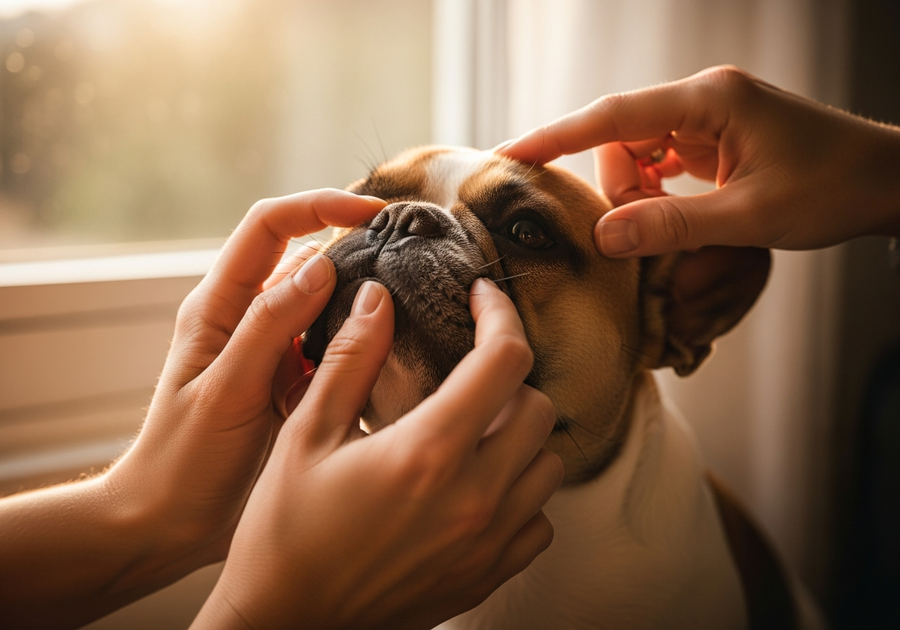
Dental disease is consistently one of the top causes of premature decline in small breeds, and French Bulldogs are no exception. Their compact jaw structure means teeth are crowded and more prone to tartar and gum disease. Regular dental care, whether brushing, dental chews, or professional cleans, adds years by reducing the systemic load of chronic infection.
Their facial folds also require weekly cleaning to prevent skin fold dermatitis. Left unchecked, persistent skin infections cause chronic discomfort and, over time, can contribute to more serious complications.
How to Maximise Your French Bulldog's Lifespan
The practical question for most owners isn't just how long Frenchies live on average. It's what you can actually do to tip the odds in your dog's favour.
Regular Vet Check-Ups
Annual wellness exams catch problems before they become emergencies. For French Bulldogs, bi-annual check-ups after the age of 7 are worthwhile given how quickly their health can shift in their senior years. Ask your vet to include a BOAS assessment, spinal palpation, dental scoring, and body condition review at each visit.
Temperature Management
French Bulldogs cannot regulate their temperature efficiently. Heatstroke is a real and serious risk in Australian summers, especially for dogs with more severe BOAS. Keep exercise to cooler parts of the day (early morning or evening), never leave your Frenchie in a parked car, and watch for signs of overheating including excessive panting, drooling, and gum colour changes.
Controlled, Low-Impact Exercise
Frenchies need daily movement but not intense cardio. Two short walks of 15 to 20 minutes per day, plus some indoor play or sniff games, keeps most adults mentally stimulated and physically fit without overtaxing their airways. Understanding your French Bulldog's energy levels helps you find the right balance between enough activity and too much.
Nutrition That Supports Their Unique Physiology
French Bulldogs are prone to food sensitivities, flatulence, and digestive upset. A diet based on high-quality protein, moderate fat, and minimal fillers suits most individuals in the breed. Many Frenchies do better on limited-ingredient formulas that reduce the chance of dietary reactions.
Supporting gut health is also worth considering, as a well-functioning digestive system underpins immune function and general wellbeing. If your Frenchie has regular loose stools, gassiness, or skin flare-ups that seem diet-related, it's worth discussing with your vet. Probiotics for French Bulldogs have become a popular addition to daily routines for owners managing these issues.
Proactive Joint Support
Many owners wait until their Frenchie is visibly stiff before thinking about joint health. By that point, some degeneration has already occurred. Starting proactive support from around 3 to 5 years of age, when the breed is still in its prime, gives connective tissue the best chance to stay resilient.
If you're exploring joint supplements, the ingredients to look for include MSM, collagen peptides, turmeric, and vitamin C. These support cartilage health and reduce inflammation through nutritional means. Joint supplements for French Bulldogs are worth researching early, before problems arise rather than after.

Signs Your French Bulldog Is Ageing Well
A French Bulldog ageing well into their senior years (typically 8 and beyond) tends to look like this: they're still interested in food and play, their coat has reasonable condition, they're moving comfortably without limping, and their breathing hasn't significantly worsened compared to their younger years.
Red flags that warrant a prompt vet visit include sudden changes in activity level, any new lumps or bumps, unexplained weight loss, increased thirst or urination, and any change in breathing pattern, especially if they seem to be working harder to breathe at rest.
What Age Is Considered Senior for a French Bulldog?
Most veterinary guidelines classify French Bulldogs as senior from around 7 to 8 years of age. This is when more frequent health monitoring pays dividends. Some owners notice a gradual slowing around this age, though many Frenchies remain lively and engaged well into their teens with attentive care.
Senior Frenchies benefit from a few specific adjustments: slightly lower calorie intake to compensate for reduced activity, more frequent vet check-ups, softer bedding to reduce pressure on joints, and continuing mental enrichment through puzzle feeders and games to keep their minds sharp.
The Bottom Line
A French Bulldog raised with good breeding, attentive veterinary care, appropriate nutrition, and an environment suited to their physical needs can absolutely reach 12 years and beyond. The breed's health challenges are real, but they are also largely manageable with the right knowledge and habits in place from early on.
Your Frenchie is relying on you to understand what makes them tick, and what makes them tick better. The effort you put into their care in years one through five pays back in the years that follow. Start with the fundamentals, work with your vet, and don't wait for problems to appear before thinking about prevention.
Not sure where to start? Take the Hero Pet Health Assessment to get personalised recommendations for your Frenchie based on their age, weight, and current health picture.