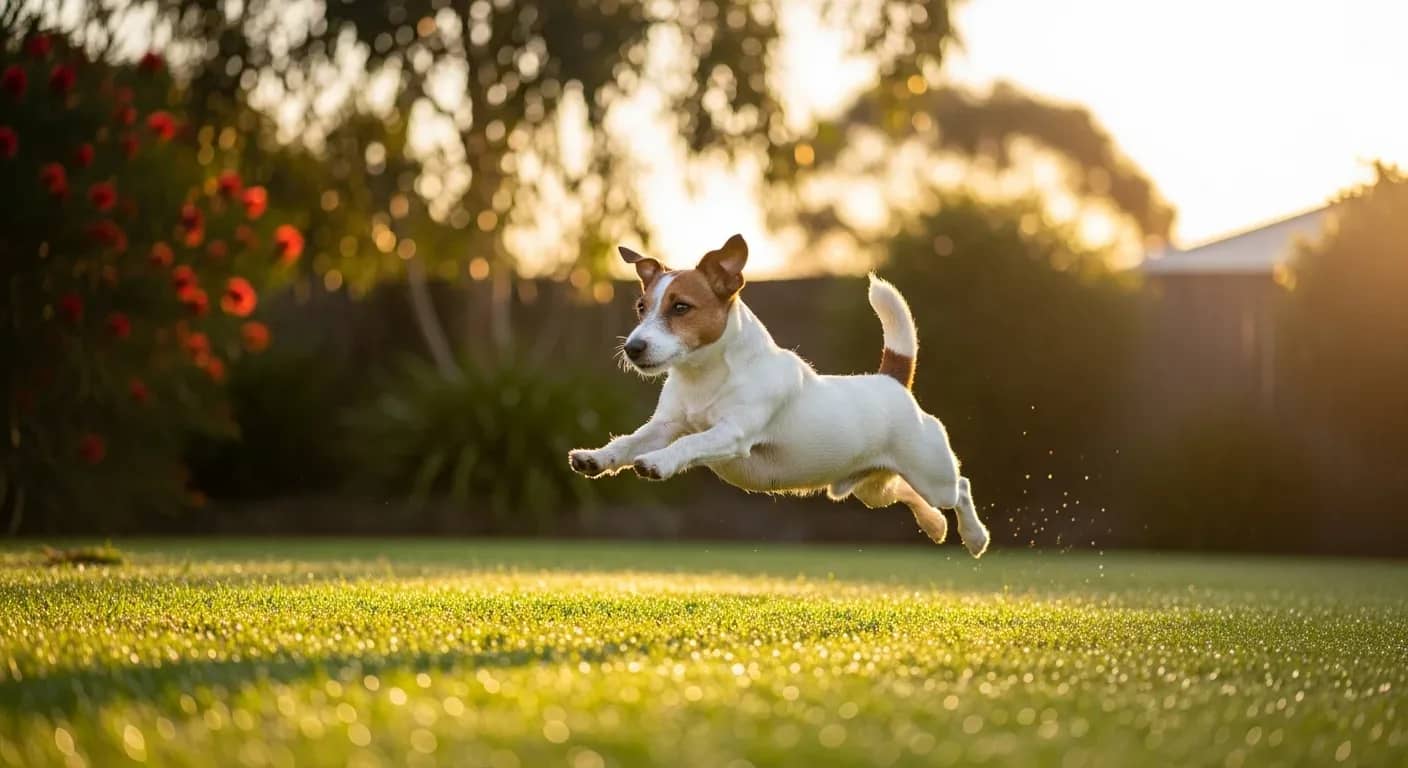

If you own a Cavoodle or you are thinking about bringing one home, the first question most people ask is: how long will they actually live? It is a fair question. Bringing a dog into your family is a long-term commitment, and understanding what to expect from a Cavoodle's lifespan helps you plan, prepare, and make the most of every year together.
The good news is that Cavoodles are a genuinely long-lived breed by any standard. And with the right care, many live well beyond the average. Here is what the evidence shows and what you can do to give your Cavoodle the best possible run.
What Is the Average Cavoodle Lifespan in Australia?
Most Cavoodles in Australia live between 12 and 15 years. Some live even longer. The range you will see cited most often is 10 to 15 years, with 12 to 14 being the realistic average for most dogs raised with good nutrition and regular vet care.
To put that in context, the average lifespan across all dog breeds is around 10 to 13 years. A Cavoodle sitting comfortably at the top of that range is a meaningful statement about the breed's overall health profile.
Part of what makes Cavoodles long-lived is where they sit in terms of body size. Small to medium dogs consistently outlive large and giant breeds. A Cavalier King Charles Spaniel crossed with a Toy or Miniature Poodle produces a dog that weighs between 5 and 12 kilograms depending on parentage. That compact size works in their favour when it comes to longevity.
Why Cavoodles Often Outlive Their Parent Breeds
To understand a Cavoodle's lifespan, it helps to look at the two breeds that created them.
The Cavalier King Charles Spaniel has an average lifespan of around 9 to 10 years. That is notably shorter than many small breeds, and the reason comes down to one primary health issue: mitral valve disease (MVD). MVD is a degenerative heart condition that affects over half of all Cavaliers by age five and more than 90 percent by age 10. It is the leading cause of death in the breed and a serious genetic liability.
The Miniature or Toy Poodle, by contrast, is one of the longest-lived dog breeds in existence. Studies consistently put the Miniature Poodle's median lifespan at 14 to 16 years. They are hardy, genetically diverse within their size class, and rarely carry the severe heritable diseases that affect some other small breeds.
When you cross a Cavalier with a Poodle, something useful happens genetically. Because MVD in Cavaliers is inherited through specific recessive pathways, a dog that only carries one copy of those genes from the Cavalier parent rather than two is significantly less likely to develop the full disease. This effect, where crossbred dogs benefit from reduced expression of recessive genetic conditions, is what breeders refer to as hybrid vigour.
Hybrid vigour does not make a Cavoodle immune to health problems. But it does mean that the most serious condition shortening the Cavalier's lifespan has a meaningfully reduced chance of developing in a well-bred F1 Cavoodle. The result is a dog that tends to fall closer to the Poodle end of the lifespan spectrum than the Cavalier end.
Common Health Issues That Can Affect a Cavoodle's Lifespan
Knowing what to watch for is half the battle. While Cavoodles are generally healthy, they can inherit conditions from both parent breeds. Understanding the risks lets you catch things early when treatment is most effective.
Heart disease
Even with hybrid vigour, some Cavoodles will develop heart conditions, particularly if they have a higher proportion of Cavalier genetics (as in F1b or multigenerational crosses). Annual cardiac check-ups from around age 5 are worth discussing with your vet, especially if you know the health history of both parents.
Syringomyelia
This neurological condition, where fluid-filled cavities develop in the spinal cord, is another Cavalier inheritance. The Sydney Animal Hospitals breed guide notes it as one of the conditions Cavoodle owners should be aware of. It can cause pain and discomfort, particularly in the neck and shoulder area. Signs include scratching at the neck or shoulder without contact, sensitivity to touch, and unusual head posture. A vet neurologist can diagnose it, and early management makes a significant difference to quality of life.
Joint health
Both parent breeds can pass on joint vulnerabilities. Poodles occasionally develop patella luxation (where the kneecap slips out of position), and Cavaliers can develop hip and elbow issues. In Cavoodles, patella luxation is the most commonly observed joint problem. Signs typically appear in middle age and can range from barely noticeable to significantly impacting mobility. If your Cavoodle starts skipping a leg occasionally, that is worth a vet assessment. Signs your dog needs joint support covers what to look for and when to act.
Epilepsy
Both Cavaliers and Poodles carry some genetic risk for epilepsy, and Cavoodles can be affected. Seizures in Cavoodles are not common, but they do occur in some lines. If your dog has a seizure, a vet visit is urgent regardless of duration or apparent recovery.
Eye conditions
Progressive retinal atrophy (PRA) is a retinal degeneration disease that can cause progressive vision loss. Poodles are among the breeds affected. DNA testing of parent dogs can identify carriers, so asking your breeder whether parents have been tested for PRA is a reasonable question before you commit.
For a deeper look at the full range of conditions that can affect the breed, the guide to Cavoodle health problems every owner should know is a useful starting point.
What Affects How Long Your Cavoodle Lives?
Genetics sets the ceiling. How you raise and care for your Cavoodle determines where within that range they actually land. These are the factors that matter most.
Diet and nutrition
A complete, high-quality diet appropriate for your dog's life stage is the foundation of a long life. This means protein from real meat sources, appropriate fat levels for energy and coat health, and no unnecessary fillers that add bulk without nutritional value. Obesity is a significant longevity risk in all dogs, Cavoodles included. Extra weight stresses joints, strains the heart, and increases the risk of diabetes and certain cancers. Keeping your Cavoodle lean throughout their life is one of the single highest-impact things you can do for their longevity.
Exercise
Cavoodles need around 30 to 45 minutes of exercise per day. Regular activity keeps weight in check, supports cardiovascular health, maintains muscle tone that protects joints, and provides the mental stimulation this breed craves. The ideal exercise pattern is two shorter walks per day rather than one long session, which is gentler on the joints and better for the cardiovascular system over time.
Dental care
This one surprises a lot of owners. Poor dental health is directly linked to shorter lifespan in dogs. Australian veterinary guidance from Greencross Vets consistently lists dental disease as a major contributor to reduced lifespan in small breeds. Bacteria from gum disease can enter the bloodstream and contribute to damage in the heart, kidneys, and liver over time. Brushing your Cavoodle's teeth several times per week, supplemented with regular professional dental cleans as your vet recommends, can add real years to your dog's life. The smaller jaw structure common in Cavoodles means teeth can be more crowded and plaque accumulates faster than in larger breeds, making dental maintenance even more important.
The cost of professional dental work in Australia may surprise you. The guide to dog teeth cleaning costs in Australia breaks down what to expect and why it is money well spent.
Regular vet check-ups
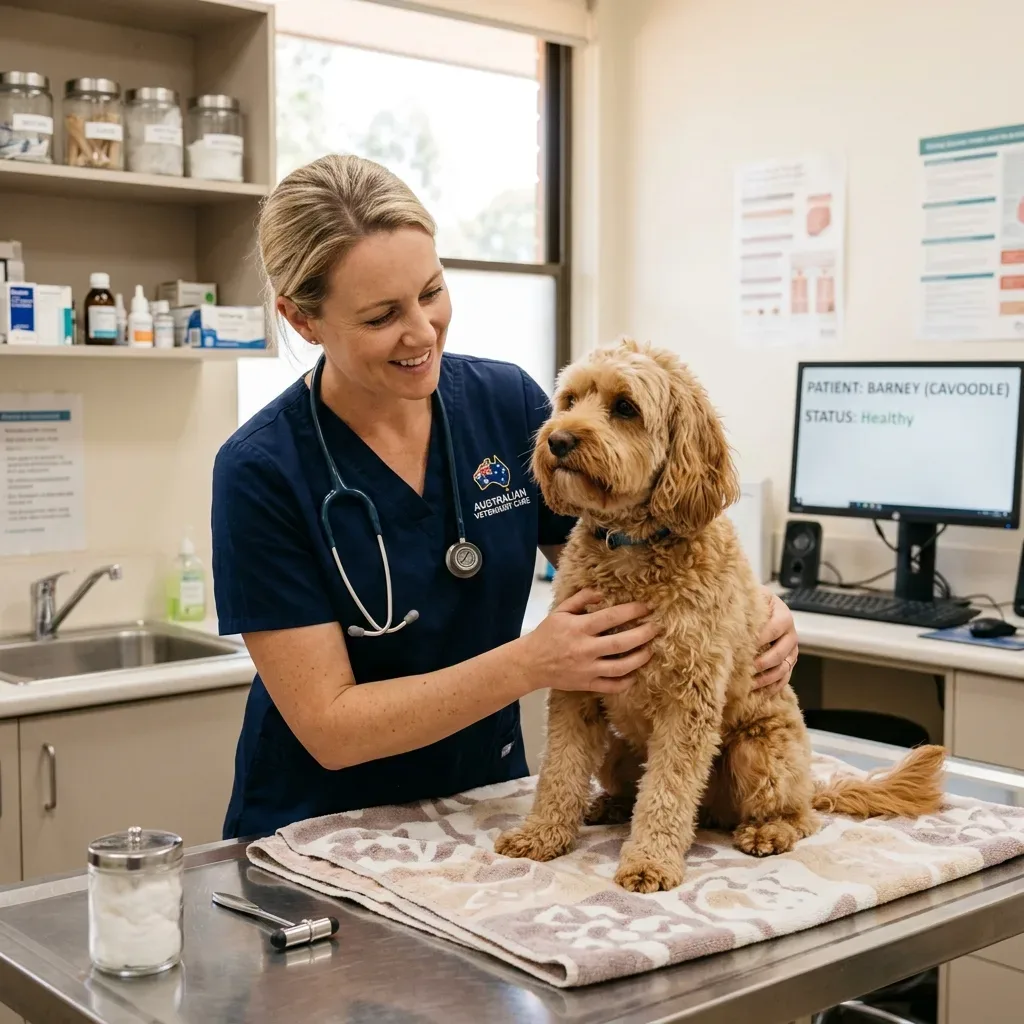
Annual wellness exams are worth more than they might appear. For younger dogs, they catch early signs of developing conditions when intervention is most effective. For older dogs (from around age 8 in Cavoodles), biannual check-ups give your vet the chance to monitor cardiac function, joint health, and organ function more closely. Early detection of conditions like early-stage MVD or joint degeneration means earlier treatment, which directly affects both quality and length of life.
Joint health as they age
As Cavoodles move through middle age, joint health becomes increasingly relevant to their quality of life and, indirectly, their lifespan. Dogs with painful joints exercise less, which leads to weight gain, which further stresses the joints and the heart. Addressing joint health proactively from around age 5 to 6, before obvious symptoms develop, can prevent that downward spiral. The best joint supplements for Cavoodles in Australia covers what to look for and what the evidence says about the most effective options.
Mental and emotional wellbeing
Cavoodles are deeply social dogs that do not do well with prolonged isolation. Chronic stress and anxiety have measurable physical effects in dogs, including elevated cortisol, reduced immune function, and behavioural patterns that can lead to injury. If your Cavoodle shows signs of anxiety, calming supplements for Cavoodles may be worth exploring alongside behavioural strategies.
Signs Your Cavoodle Is Aging Well
Knowing what healthy aging looks like in a Cavoodle helps you catch when things are starting to shift. A Cavoodle aging well in their senior years (generally from age 9 or 10 onward) will still show interest in their environment, maintain a healthy appetite, sleep deeply without obvious discomfort, and continue to engage socially with family members.
Signs that something may be developing and worth a vet conversation include unexplained weight loss or gain, changes in thirst or urination, increasing stiffness particularly after rest, coughing or laboured breathing, new lumps or bumps, and any sudden change in energy or behaviour. None of these are emergencies on their own, but each warrants attention rather than a wait-and-see approach in a senior dog.
Getting the Most Years from Your Cavoodle
Cavoodles are genuinely one of the better bets in Australian dog ownership when it comes to lifespan. They benefit from hybrid vigour, they sit in the longer-lived small-to-medium size bracket, and they are free from the most extreme heritable diseases that cut the lifespan of some purebreds significantly short.
The dogs that make it to 14, 15, or beyond are almost always dogs raised with consistent attention to the basics: quality food, daily activity, dental care that started early, and a vet who knew them well enough to catch things before they became serious. None of that is complicated. It is just a commitment to paying attention over the long term.
Your Cavoodle is built to be around for a long time. The foundations you put in place now, and the habits you maintain through their middle and senior years, are what will determine which end of that lifespan range they reach. Not sure where to start? Take the free Hero Health Assessment to get personalised guidance for your Cavoodle.