
Recognising the Subtle Shift in Your Dog's Movement
As dog parents, we know our heroes better than anyone. We know the exact rhythm of their tail wag and the specific pitch of their "I'm hungry" bark. But when it comes to joint health, the changes are often so gradual that they slip under the radar until they become impossible to ignore.
Joint discomfort doesn't always look like a dramatic limp. In many cases, it manifests as a quiet slowing down, a subtle hesitation before jumping, or a slight change in how they greet you at the door. Catching these early signs is the single most effective way to protect your dog's long-term quality of life and keep them moving comfortably well into their senior years.
1. Stiffness After Resting (The "Slow Rise")
One of the most common early indicators of joint support needs is stiffness immediately after a nap or a long night's sleep. You might notice your dog takes a few extra seconds to get their legs underneath them or walks with a slightly rigid gait for the first few minutes of their morning walk.
This "warm-up" period often improves as they move around, which leads many owners to assume it's just a natural part of ageing. However, a 2022 review published in PubMed highlights that these clinical signs are frequently the first indicators of degenerative joint disease, where the cartilage cushion between bones begins to wear down.
2. Reluctance to Jump or Climb Stairs
Has your dog started hesitating at the bottom of the stairs or waiting for you to lift them into the car? This avoidance of vertical movement is a classic sign of joint discomfort. Activities that once felt effortless, like hopping onto the couch for a cuddle, now require a level of impact that their joints are struggling to absorb comfortably.
3. Changes in Play Style and Stamina
If your fetch-obsessed Border Collie is suddenly content to watch the ball roll past, or your Beagle is cutting your afternoon walks short, pay attention. Dogs are masters at hiding pain, but they cannot hide their reduced capacity for exercise. They aren't being "lazy" or "slowing down because they're old"; they are often simply managing the inflammation that comes with movement.
4. Licking or Chewing Specific Joints
Just as we might rub a sore shoulder, dogs often use their mouths to soothe uncomfortable areas. Constant licking or chewing at a particular hip, hock, or wrist can be a sign of localized joint pain. Over time, you might even notice staining on their fur or a thinning of the coat in these areas.
5. "Bunny-Hopping" When Running
Watch your dog from behind when they run in the backyard. Do they use both back legs together in a "bunny-hop" motion rather than a smooth, alternating stride? This gait change is often used to minimize the weight and impact on a specific sore joint, particularly in the hips.
6. Muscle Loss (Atrophy)
When a joint hurts, a dog will naturally shift their weight to their healthier limbs. Over weeks and months, the muscles surrounding the uncomfortable joint will begin to shrink from disuse. You might notice that one thigh looks thinner than the other, or that their hindquarters appear less muscular than they used to be.
7. Irritability or Changes in Temperament
Pain changes personality. If your normally social hero is suddenly grumbling when the kids get too close or avoiding physical contact, it may be because they are protecting a sore joint. A sudden increase in anxiety or irritability is often a cry for help that has nothing to do with behaviour and everything to do with physical comfort.
How to Support Your Dog's Mobility
If you have noticed one or more of these signs, the best time to act is now. Supporting joint health isn't just for senior dogs; it's a lifelong commitment to maintaining the integrity of their cartilage and managing inflammation before it becomes chronic.
Daily movement is essential, but it should be low-impact. Gentle walks on soft surfaces like grass are far better for their joints than high-impact games of fetch on hard ground. Maintaining a healthy weight is also critical, as every extra kilogram puts unnecessary stress on already struggling joints.
For targeted support, many Australian vets recommend introducing high-quality joint support chews. When looking for a supplement, look for ingredients with proven efficacy in supporting connective tissue and managing inflammation. Our Hero Joint formula focuses on four key actives: MSM, Collagen Peptides, Turmeric, and Vitamin C. These specific ingredients are selected for their high bioavailability and role in supporting natural repair processes.
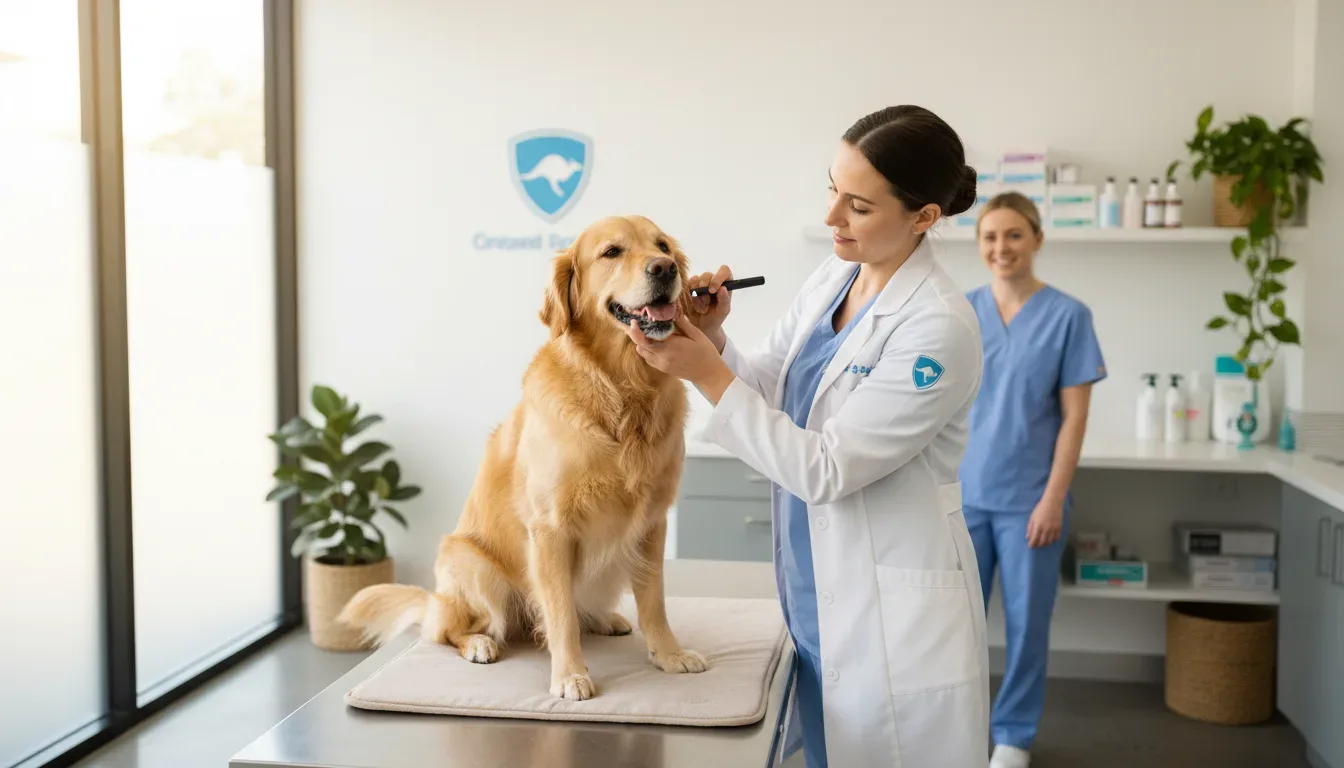
Remember, your vet is your best partner in this journey. If you are concerned about your dog's mobility, always schedule a professional check-up to get an accurate diagnosis and a tailored plan for their specific needs.