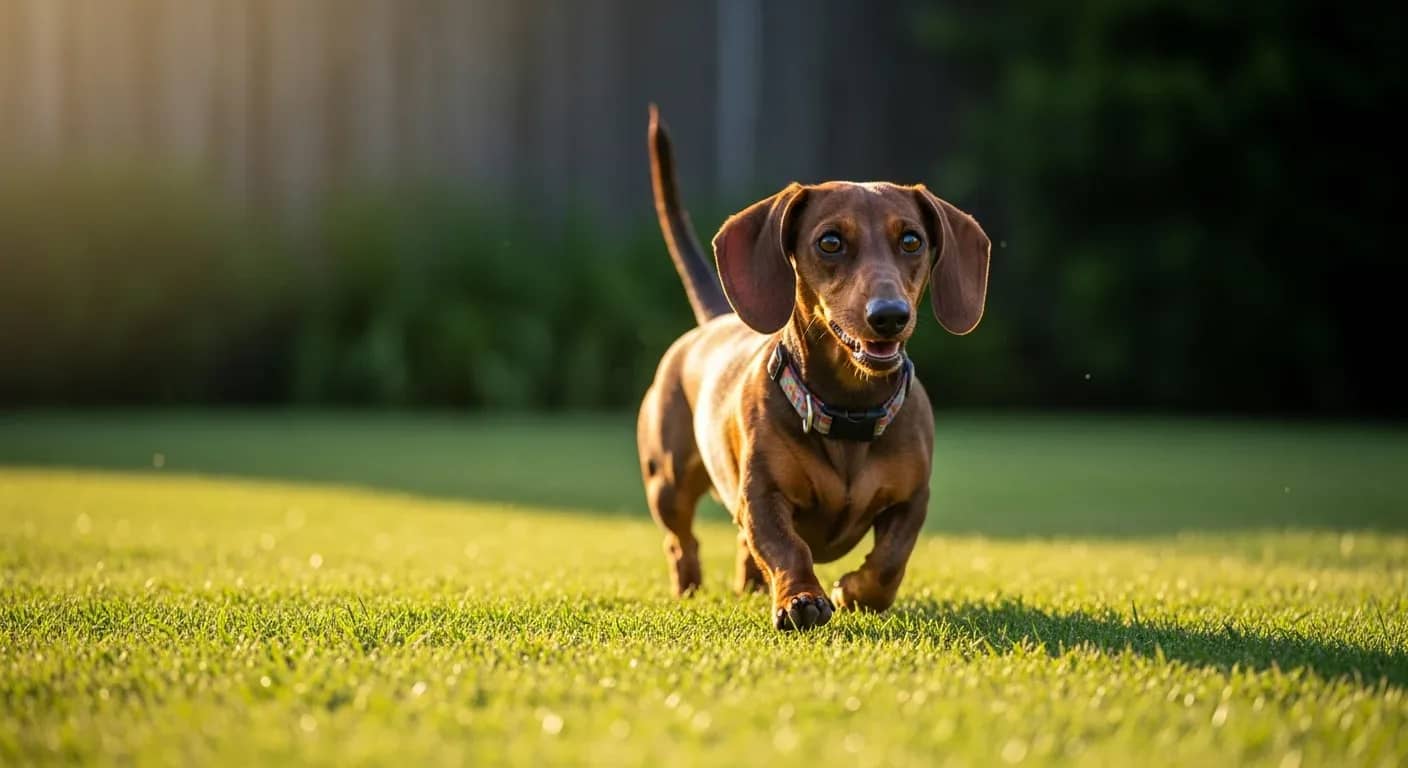

Dachshunds are famously long-lived dogs, which makes sense for a breed that seems to have so much personality packed into such a small frame. If you've just welcomed one into your home, or you're deep into the sausage-dog years with a faithful companion by your side, understanding what shapes a dachshund's lifespan gives you real tools to help them thrive.
The short answer: most dachshunds live between 12 and 16 years. Some push past that, and a few reach their late teens. But averages only tell part of the story. The full picture includes genetics, weight, back health, and the everyday choices you make as their person.
How Long Do Dachshunds Live on Average?
The typical dachshund lifespan sits at 12 to 16 years, which puts them well above the average for dogs overall. A 2022 study published in Scientific Reports found the median lifespan across all dog breeds in the UK was 12.5 years, while dachshunds tracked at the higher end of that range.
Miniature dachshunds tend to outlive their standard counterparts by a year or two on average, which follows a well-established pattern: smaller dogs generally live longer than larger ones. If you have a miniature, you might realistically expect 14 to 17 years of good company.
Coat type (smooth, wirehaired, or longhaired) doesn't appear to affect lifespan in any meaningful way. Whether your dachshund is a sleek smooth-coat or a floofy longhair, what matters far more is their body condition and how you manage their unique health vulnerabilities.
What Affects a Dachshund's Lifespan the Most?
Lifespan in dachshunds isn't just a genetic lottery. Several controllable factors can add years, or shave them off, depending on how well they're managed.
Back Health and IVDD
The single biggest health threat to dachshunds is intervertebral disc disease (IVDD). Up to 25% of dachshunds develop IVDD at some point in their lives, according to PetMD. The condition occurs when the cushioning discs between spinal vertebrae bulge or rupture, pressing on the spinal cord. In severe cases, it can cause permanent paralysis.
IVDD doesn't necessarily shorten a dachshund's life, but it's the leading cause of serious health crises in the breed. Managing it well means keeping their weight in check, limiting high-impact activities (no flying off the couch), and acting fast if you notice signs like back pain, reluctance to move, dragging paws, or changes in bladder control. Early treatment significantly improves outcomes. For a full breakdown of this condition and how to manage it daily, read our guide to managing back problems in dachshunds.
Body Weight
Obesity is one of the most preventable factors in dachshund health. Extra weight puts direct pressure on an already-vulnerable spine, increases the risk of IVDD, and contributes to heart disease and diabetes. Dachshunds are enthusiastic eaters who will absolutely convince you they're starving, even after a full meal.
A healthy adult miniature dachshund weighs between 4 and 5 kg. A standard dachshund should sit between 7 and 15 kg depending on their frame. Regular weigh-ins and portion control matter far more than most owners realise. If your vet mentions your dachshund is looking "a bit round," take that note seriously.
Genetics and Breeding Quality
Responsible breeding reduces the inherited risk of health problems. Breeders who screen for genetic conditions, including IVDD-associated spinal malformations, produce healthier lines. If you're choosing a dachshund puppy, ask whether parents were health-screened and whether the breeder has DNA testing records. The American Kennel Club's dachshund breed profile outlines the key health conditions breeders should be screening for, and the same principles apply to reputable Australian breeders.
Dental Disease
Gum disease is one of the most underrated threats to dog longevity. Chronic dental infection contributes to kidney, liver, and heart disease over time. Dachshunds, with their small mouths and crowded teeth, are particularly prone to dental buildup. Regular brushing and annual professional cleaning make a genuine difference over a 15-year lifespan.
Common Health Problems That Can Shorten a Dachshund's Life
Beyond IVDD, dachshunds have a few recurring health concerns that owners should know. Being aware of them early means you're more likely to catch problems while they're still manageable.
Heart Disease
Mitral valve disease is common in small breeds, including dachshunds. The mitral valve between the heart chambers begins to leak over time, reducing cardiac efficiency. Most dogs don't show symptoms until later stages, so annual vet checks with a heart auscultation (listening with a stethoscope) are valuable from about age 5 onwards.
Cushing's Disease
Hyperadrenocorticism (Cushing's disease) occurs when the adrenal glands produce too much cortisol. Dachshunds develop this at a higher rate than many other breeds. Signs include increased thirst and urination, a pot-bellied appearance, hair thinning, and lethargy. It's manageable with medication but requires diagnosis before treatment can begin.
Skin and Coat Issues
Pattern baldness, acanthosis nigricans (skin thickening and darkening), and colour-dilution alopecia in blue or fawn dachshunds are breed-specific skin conditions. While they're rarely life-threatening, they can signal immune or hormonal imbalances worth monitoring. Our guide on dachshund skin problems and treatments covers what to watch for in each coat type.
Ear Infections
Those beautiful floppy ears trap moisture and debris, creating ideal conditions for chronic ear infections. Repeated infections, if untreated, can affect hearing and quality of life over time. Regular ear checks and cleaning go a long way. We've covered this fully in our article on dachshund ear infections, causes and treatments.
How to Help Your Dachshund Live Longer
Genetics set the ceiling. Your management raises the floor. These habits consistently correlate with longer, healthier lives in dachshunds.
Keep Their Weight in the Healthy Range
This is the single most impactful thing you can do. A healthy weight protects the spine, the heart, and the joints. Feed measured portions rather than free-feeding, limit treats to under 10% of daily calories, and resist those pleading brown eyes between meals. Our dachshund diet guide has practical advice on what and how much to feed at each life stage.
Protect the Back Every Day
Install dog ramps or steps next to furniture and beds so your dachshund doesn't have to jump. Keep them on a lead near stairs they might race up and down. Avoid activities that involve twisting jumps, like frisbee or high-intensity fetch with jumps. These small daily decisions accumulate into years of a healthier spine. Our guide on preventing back problems in dachshunds goes deeper into the daily habits that make the biggest difference.
Stay on Top of Preventive Vet Care
Annual health checks (and twice yearly from age 7 onwards) catch problems while there's still time to act. Heartworm, fleas, ticks, and intestinal parasites should be managed with a regular prevention routine appropriate for your region in Australia. Vaccinations should be kept current according to your vet's schedule.
Support Their Gut Health
Digestive sensitivity is common in dachshunds, particularly around food transitions, stress, and antibiotic courses. A stable gut microbiome supports immune function and helps the body absorb nutrients more efficiently. Many dachshund owners find daily digestive support makes a noticeable difference, especially in dogs prone to soft stools or bloating. Our guide to probiotics for dachshunds covers what to look for and how to use them effectively.
Keep Their Mind and Body Active
Dachshunds were bred to hunt, which means they have strong instincts and a real need for mental stimulation. Daily walks, nose work games, and puzzle feeders keep them engaged and reduce stress-related behaviours that can accelerate ageing in dogs. They don't need marathon exercise sessions, but they do need consistent, daily movement and challenge.
Not sure what your dachshund needs to support their health at their current life stage? The Hero Health Assessment takes 2 minutes and gives you a personalised supplement plan based on your dog's age, weight, and lifestyle.
Start the Free AssessmentSigns Your Dachshund Is Ageing Well
Senior dachshunds (from around age 8 to 10 onwards) go through predictable changes. Knowing what's normal versus what needs a vet check helps you act early.
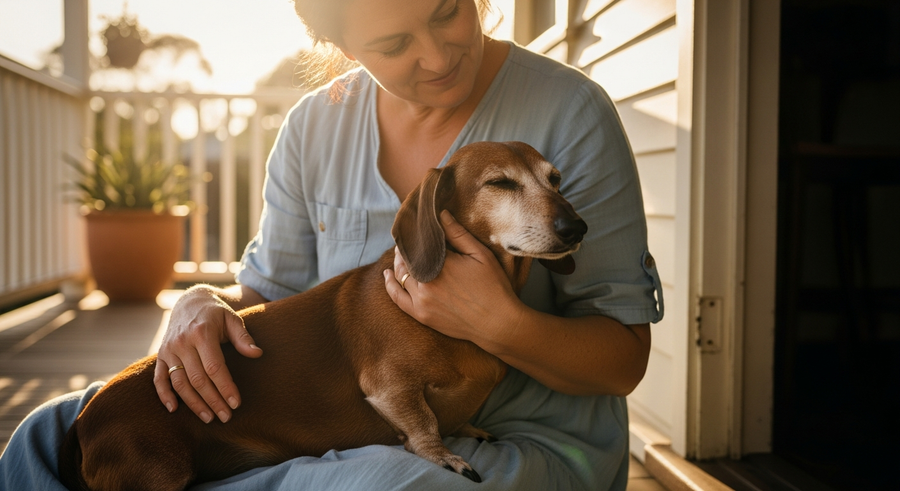
Normal age-related changes include a greying muzzle, slightly reduced exercise tolerance, longer sleep times, and some stiffness after resting. These don't require medical intervention beyond regular check-ups and possible dietary adjustments for senior dogs.
Changes that warrant a vet visit include sudden weight loss or gain, increased thirst or urination, changes in bathroom habits, new lumps or bumps, changes in gait or coordination, confusion or disorientation, and significant changes in appetite. None of these are automatically emergencies, but they're all worth investigating promptly rather than waiting.
One thing that doesn't change much: the personality. Most dachshund owners report their dogs stay characteristically lively, opinionated, and attached to their people well into their senior years. It's one of the things that makes this breed so easy to love for the long haul.
The Bottom Line
The average dachshund lifespan in Australia sits between 12 and 16 years, with miniatures often living into their mid-teens or beyond. The breed is genuinely long-lived, but that longevity depends on managing their specific vulnerabilities, particularly IVDD, obesity, and dental disease, across every life stage.
The good news is that the most impactful factors are within your control: healthy weight, back protection, regular vet care, and a diet that supports their digestive and overall health. Dachshunds are built to be companions for the long haul. With the right support, they usually are.
Every dachshund is different. If you want to know exactly what your dog needs at their current age and size, the Hero Health Assessment will give you a personalised recommendation in under two minutes.