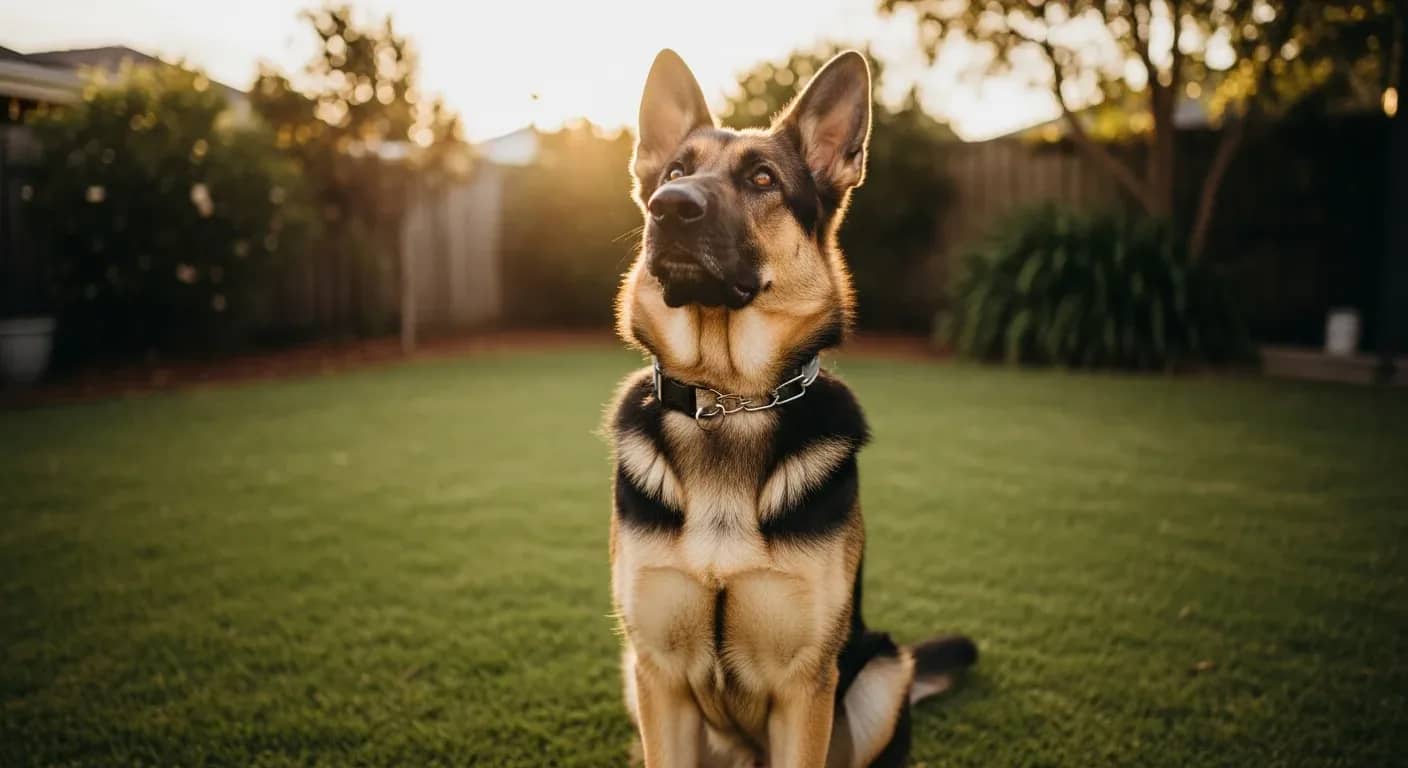

Why Australian Dogs Fear Thunderstorms and Fireworks
For many Australian dogs, the sound of a summer storm rolling across the plains or the crackle of New Year Eve fireworks triggers a state of deep distress. This isnt just a dislike of loud noises; it is often a profound phobia that can lead to destructive behaviour, injuries, and long-term anxiety. According to a 2024 study in the Australian Veterinary Journal, nearly 75% of owners reported their dogs displayed fear-associated behaviours during noise events, yet many felt unsure how to manage it effectively.
Understanding that this fear is a biological response rather than a lack of training is the first step toward helping your dog. When a dog hears a loud, unpredictable noise, their body enters a fight-or-flight state, releasing cortisol and adrenaline. In a safe home environment, we can help dampen this response through a combination of environmental management and natural support like calming supplements.
Environmental Management: Creating a Safe Haven
During a storm or firework display, your dog needs a dedicated safe zone where they feel protected. This should ideally be a small, interior room with few windows, or a crate if your dog is already crate-trained. You can further reduce their distress by following these steps:
- Sound Insulation: Close all windows and curtains to dampen the noise and block out flashes of lightning or fireworks.
- White Noise: Play calming music or use a white noise machine to help mask the unpredictable bangs from outside.
- Safe Den: Provide a comfortable bed, perhaps an unwashed piece of your clothing for a familiar scent, and high-value treats to create a positive association.
Natural Calming Ingredients That Support Your Dog
While some dogs require prescription medication from a vet, many benefit from daily natural support that helps regulate their stress response. When looking for a calming aid, specific ingredients have been shown to support a balanced mood in dogs:
- Ashwagandha: An adaptogen that helps the body manage stress. A 2022 randomized controlled trial found that dogs receiving ashwagandha root extract showed significant reductions in signs of fear and anxiety.
- L-Tryptophan: An essential amino acid that acts as a precursor to serotonin, the hormone responsible for mood regulation and calm.
- Magnesium: Often called the relaxation mineral, magnesium supports muscle relaxation and helps regulate the nervous system during stressful events.
- Chamomile: A traditional herb used for its gentle calming properties and ability to soothe restlessness.
- Jerusalem Artichoke: This prebiotic fibre supports the gut-brain axis, ensuring your dog digestive health remains stable even when stress levels are high.
For Australian owners seeking a convenient way to provide these ingredients, Hero Calming Daily Chews combine all five in a vet-reviewed formula made right here in Australia. Because these ingredients work best when built up in the system, starting a daily routine before storm season begins is often the most effective strategy.
Common Signs of Noise Phobia in Dogs
It is important to recognise the early signs of distress before they escalate into a full panic attack. Every dog expresses fear differently, but common symptoms include:
- Pacing or inability to settle down.
- Excessive panting even when it is cool.
- Trembling or shaking.
- Hiding in small, confined spaces like cupboards or under beds.
- Seeking constant physical contact with their owners.
- Drooling or refusal to eat high-value treats.
By identifying these signs early, you can move your dog to their safe haven and begin your calming protocol before the worst of the noise arrives.
What to Do During the Event
How you behave during a storm or fireworks display significantly impacts your dog. It is a myth that comforting a fearful dog reinforces their fear; however, your own calm presence is their strongest anchor. Stay with your dog if they seek your company, use a calm, low voice, and offer gentle physical contact if they find it soothing. If your dog prefers to hide under a bed or in a cupboard, allow them to stay there. Forced interaction can increase their stress levels.
If your dog shows extreme signs of distress, such as chewing through doors, jumping through windows, or trembling for hours after the event, it is critical to consult your veterinarian. They can assess whether a multi-modal approach involving behavioural therapy and prescription medication is necessary for your dog safety. For many owners, a combination of natural calming treats and environmental management provides sufficient relief for moderate anxiety.
The Role of Long-Term Support
Addressing noise phobia is rarely a quick fix. It requires a consistent approach that focuses on lowering your dog overall baseline stress levels. This is where daily supplementation becomes vital. Unlike acute prescription options, ingredients like Magnesium and L-Tryptophan work by supporting the baseline health of the nervous system. When your dog is generally calmer on a day-to-day basis, they are better equipped to handle the sudden spikes in stress caused by a thunderstorm or fireworks display.
We also recommend consulting with a certified veterinary behaviourist who can guide you through desensitisation and counter-conditioning exercises. These involve playing low-level recordings of storm sounds while your dog is relaxed and gradually increasing the volume over several weeks while providing positive reinforcement.