
Most dog owners know when something is off. The restless pacing at 2am. The way your dog won't stop licking their paws. The shredded couch cushion you came home to after a perfectly normal Tuesday. But knowing something's wrong and understanding what it means are two different things.
Dog anxiety is more common in Australia than many owners realise. A study of 13,700 dogs published in Scientific Reports by the University of Helsinki found that 72.5% of dogs showed at least one highly problematic anxiety-related behaviour. Yet the signs are easy to miss, particularly in the early stages when behaviours seem minor or easy to explain away.
This guide covers the most reliable signs of anxiety in dogs, the triggers that most commonly set them off in Australian households, and what you can actually do to help, starting today.
Why Dogs Develop Anxiety
Anxiety in dogs isn't a character flaw or a sign that you've done something wrong. It has real biological roots. Dogs are social animals that evolved alongside humans, which makes them highly sensitive to social cues, environmental changes, and perceived threats. When the nervous system is activated by a trigger, the body responds with stress hormones like cortisol and adrenaline, producing the behaviours we see.
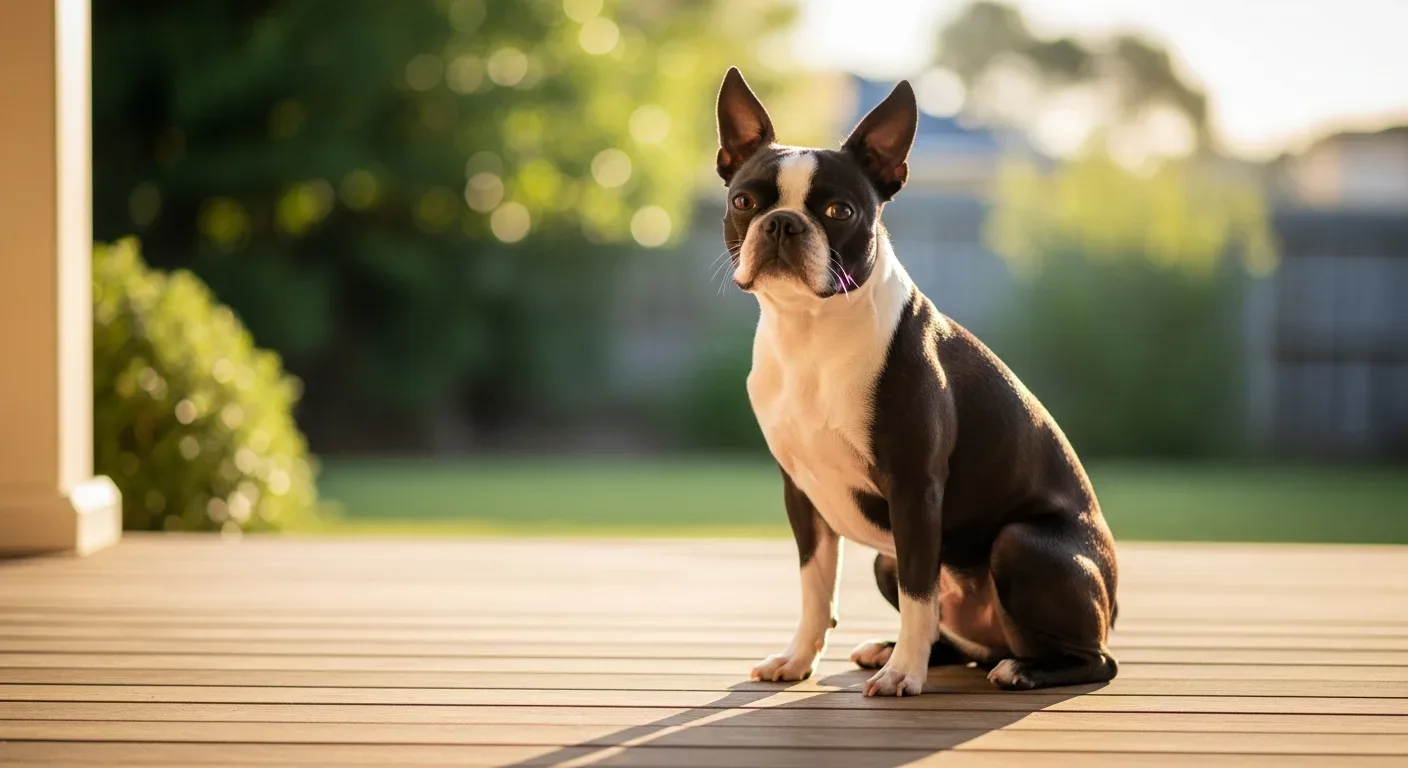
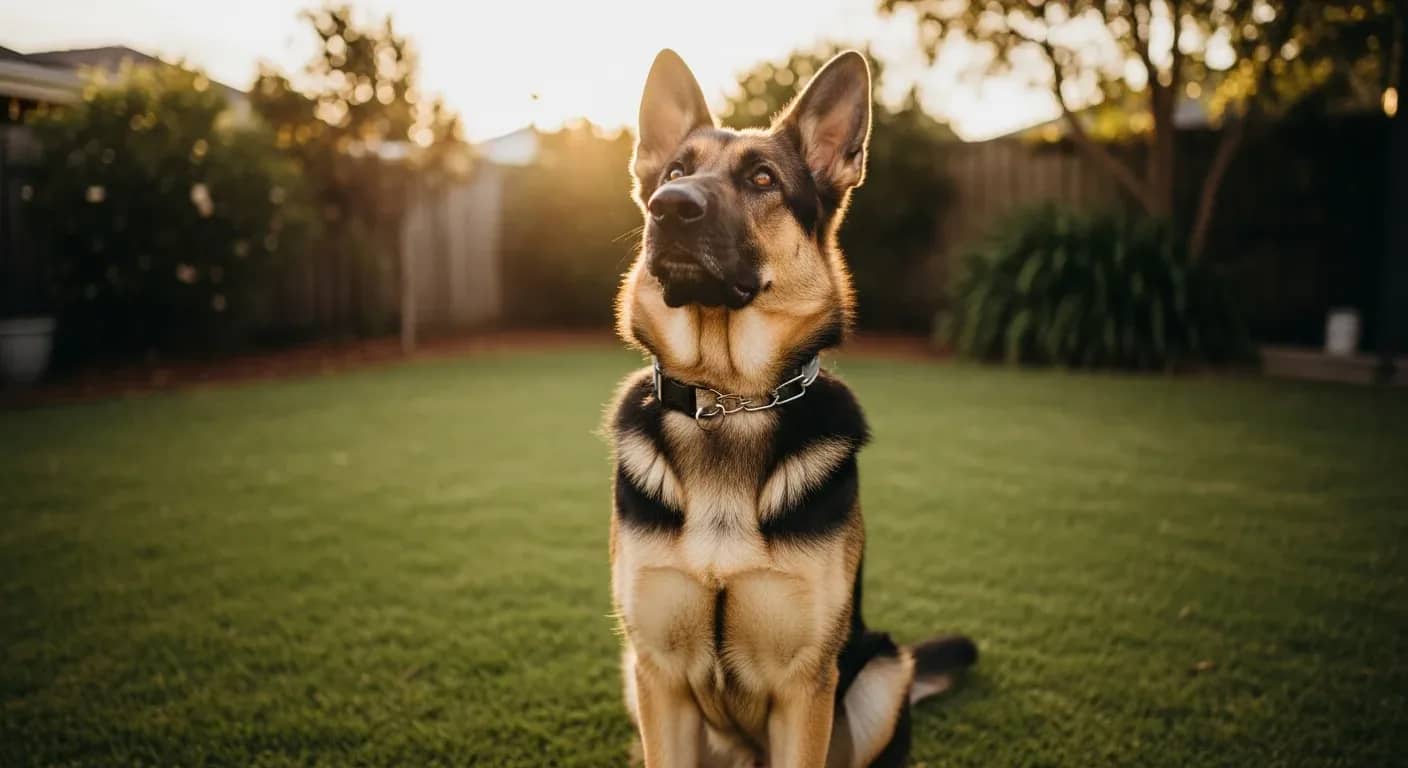
Some dogs are genetically predisposed to higher anxiety. Breeds bred for close human partnership, such as Border Collies, Cavoodles, and German Shepherds, are particularly sensitive to changes in routine and owner presence. Others develop anxiety through early experiences, or lack of them. Puppies who weren't adequately socialised before 16 weeks are statistically more likely to show fearful behaviour later in life.
In Australia, a few environmental factors make anxiety especially common. The extreme heat of summer can make outdoor activity unpredictable, disrupting routines. Fireworks during New Year and other events are a well-known trigger. And for many households, the shift back to full-time office work after years of working from home left dogs who had grown used to constant company suddenly alone for eight hours a day.
The 10 Most Common Signs of Anxiety in Dogs
Anxiety shows up differently depending on the dog, the trigger, and how long the anxiety has been building. Some signs are obvious; others look like normal behaviour until you see the pattern. Here are the ten you should know.
1. Excessive Panting or Yawning (Without a Clear Physical Reason)
Panting after a run makes sense. Panting while sitting calmly on the couch does not. Anxious dogs pant as a stress response, and they often yawn in the same way, not because they're tired, but because yawning is a calming signal in canine body language. If your dog pants or yawns repeatedly in specific situations (visitors arriving, car journeys, before a storm), that's worth noting.
2. Pacing and Inability to Settle
An anxious dog often can't rest. They'll walk back and forth along the same path, move between rooms, or circle repeatedly. This is the nervous system in an activated state, unable to stand down. You might see it most clearly in the evenings or when your routine is disrupted.
3. Destructive Behaviour
Chewed furniture, scratched doors, shredded cushions. When dogs are anxious, particularly during periods of separation, they redirect stress into physical activity. It's not defiance; it's a release valve. If the destruction happens specifically when you're gone or about to leave, separation anxiety in dogs is a likely factor worth exploring further.
4. Excessive Barking or Whining
Barking at the postman is normal. Barking for extended periods, whining when you leave the room, or howling while you're at work points to anxiety. Neighbours reporting excessive vocalisation when you're away is a strong indicator that something is distressing your dog in your absence.
5. Hiding or Seeking Unusual Amounts of Comfort
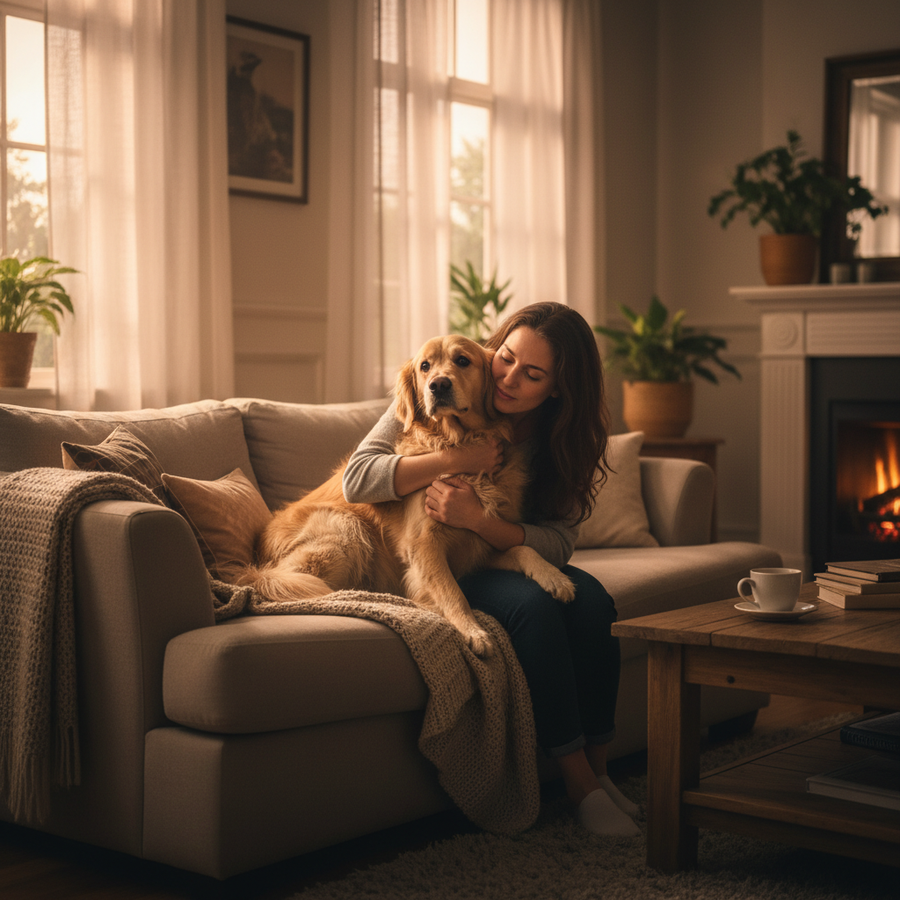
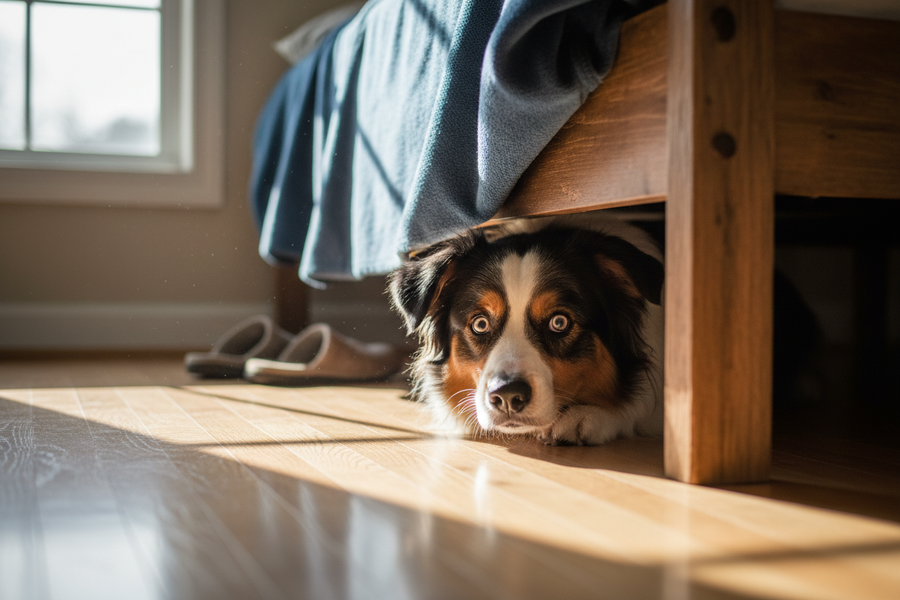
Some anxious dogs go small, retreating under the bed, behind the couch, or into a corner. Others go the opposite direction, becoming clingy and seeking constant physical contact. Both are stress responses. The key is whether it's out of character or tied to specific triggers.
6. Trembling or Shaking
Shaking in a dog who isn't cold or unwell is a clear sign the nervous system is in overdrive. Thunderstorms are a classic trigger, but some dogs will shake in response to raised voices, veterinary visits, or car trips. If your dog is trembling frequently, noise sensitivity and environmental triggers may be worth investigating in more detail.
7. Changes in Appetite
Chronic anxiety often affects eating. Some dogs refuse food entirely when stressed; others eat compulsively. If your dog's appetite has shifted without a change in food or obvious illness, anxiety could be the cause. A persistently anxious dog who stops eating well can experience secondary health problems over time.
8. Excessive Licking or Chewing (Themselves)
Repetitive self-directed behaviours, constant paw licking, chewing at their flank, or grooming to the point of causing sores, are common anxiety outlets. These behaviours are sometimes called stereotypies and they serve the same function as human nail biting: a way to discharge nervous tension. Always rule out allergies or skin conditions first, but if a vet clears physical causes, anxiety is often the culprit.
9. Accidents Inside the House
A house-trained dog who suddenly starts urinating or defecating indoors may be experiencing acute anxiety rather than a lapse in manners. This often happens in response to separation, a sudden loud noise, or extreme stress. It can also occur when a dog is too anxious to settle and wait for their next walk.
10. Aggression Toward People or Other Dogs
Anxiety-based aggression is frequently misread as dominance or bad behaviour. A fearful dog who snaps, growls, or lunges is often trying to increase the distance between themselves and whatever is scaring them. If your dog shows aggression in specific situations (strangers, other dogs, vet clinics) rather than generally, a fear-based response is far more likely than a temperament issue.
What Triggers Dog Anxiety?
Knowing the signs is useful. Knowing the triggers helps you address the root cause rather than just managing the symptoms. The most common triggers for dogs in Australia include:
- Separation from owners -- the most widespread form of anxiety, particularly in dogs who have bonded very closely with one person
- Loud noises -- thunderstorms, fireworks, construction, or traffic. A 2020 study published in Frontiers in Veterinary Science found noise sensitivity in dogs to be highly heritable, meaning some breeds and bloodlines are significantly more prone to it
- Changes in routine -- new work hours, a new baby, moving house, a new pet, or the loss of a companion animal
- Veterinary visits -- the combination of unfamiliar smells, handling, and past negative experiences makes vets a reliable anxiety trigger for many dogs
- Car travel -- for dogs who don't travel regularly or who associate car trips with unpleasant destinations
- Socialisation gaps -- dogs who weren't exposed to different people, environments, and stimuli during their critical development window often show generalised anxiety as adults
How to Help a Dog With Anxiety: A Practical Approach
There's no single fix, but there is a framework that actually works. The most effective approach combines environmental management, behavioural support, and where appropriate, nutritional support.
Step 1: Identify and Reduce Triggers Where Possible
This sounds obvious, but it's often skipped. Keep a simple log for one week. Note when anxious behaviours occur, what was happening immediately before, who was present, and what the environment was like. Patterns emerge quickly. Once you know your dog's specific triggers, you can take targeted action rather than treating anxiety as a vague, unmanageable problem.
Step 2: Build a Consistent Daily Routine
Predictability reduces anxiety. Dogs who know when they'll be fed, walked, played with, and left alone tend to cope better with the unavoidable disruptions that come with modern life. If you're returning to regular office hours after working from home, start adjusting your dog's schedule gradually, at least two to three weeks before the change takes effect.
Step 3: Create a Safe Space
A specific location where your dog can retreat and feel safe has genuine calming value. This could be a crate with a familiar blanket, a corner of the bedroom, or a covered dog bed positioned away from foot traffic. The key is to let the dog choose to use it rather than sending them there as a consequence of anxiety-driven behaviour.
Step 4: Consider Positive Reinforcement Training
For dogs with specific phobias (storms, strangers, other dogs), a qualified trainer or veterinary behaviourist can use gradual exposure and counter-conditioning techniques to systematically reduce the fear response. This approach takes time, but it addresses the cause rather than masking the symptoms. PPG Australia maintains a directory of force-free accredited trainers across the country.
Step 5: Support the Nervous System With Daily Nutrition
Supplements won't fix anxiety on their own, but certain ingredients have good evidence supporting their role in nervous system regulation. A daily calming routine for dogs, rather than as-needed use, is more effective for dogs with generalised or chronic anxiety because the goal is to maintain a calmer baseline over time, not just dampen acute episodes.
Ingredients with evidence behind them include:
- Magnesium -- plays a role in regulating the nervous system and has been studied for its calming effect in both humans and animals
- L-tryptophan -- an amino acid precursor to serotonin, which supports mood regulation
- Ashwagandha -- an adaptogenic herb with research supporting reduced stress markers in mammals
- Chamomile -- traditionally used for mild calming effects, with some evidence for reducing anxiety-related behaviours in dogs
- Vitamin B1 -- supports healthy nervous system function
Hero's Calming Daily Chews contain all five of these active ingredients, formulated for daily use. They're made in Australia, vet reviewed, and come with a lifetime money-back guarantee. As with any supplement, allow at least two to three weeks of consistent daily use before assessing the effect.
Step 6: Talk to Your Vet
If your dog's anxiety is severe, affecting their quality of life, or not responding to the above measures, a veterinarian is the right next step. Some dogs benefit from prescription anti-anxiety medication, particularly when used in conjunction with behavioural training. Chronic anxiety is genuinely uncomfortable for dogs, and effective treatment exists.
Anxiety in Puppies vs Adult Dogs
Anxiety can look different depending on life stage. Puppies are naturally more reactive because their nervous systems are still developing and the world is genuinely new and unpredictable. Many puppy anxiety behaviours, constant whining, mouthing, difficulty settling, are normal developmental phases rather than signs of a lasting problem.
That said, the socialisation window between 3 and 16 weeks is critical. Positive exposure to different people, animals, surfaces, sounds, and environments during this period builds the resilience that prevents anxiety later in life. If that window was missed, it doesn't mean a dog is condemned to anxiety, but it does mean more careful, patient work will be needed.
In older dogs, new anxiety can sometimes signal an underlying health issue. Cognitive dysfunction syndrome (similar to dementia in humans) can cause confusion and distress in senior dogs that presents as anxiety. Pain from arthritis or other conditions can also increase reactivity. If anxiety appears suddenly in an older dog with no obvious trigger, a veterinary check is warranted before assuming a behavioural cause.
When to See a Veterinary Behaviourist
Most anxiety is manageable with the steps above. But some dogs need specialist help. Consider a referral to a veterinary behaviourist if your dog:
- Shows aggression related to fear, especially toward family members
- Causes injury to themselves through compulsive behaviours (severe licking, scratching)
- Can't be left alone for any period without extreme distress
- Has not responded to six or more weeks of consistent management
- Has a history of trauma or inadequate early socialisation
Veterinary behaviourists are specialists with postgraduate training in animal behaviour. They can prescribe medication if needed and design a structured behaviour modification plan. Your regular vet can provide a referral.
Supporting Your Dog's Long-Term Wellbeing
Anxiety management is a long game. The goal is not to eliminate your dog's stress responses (they serve a function) but to build their resilience so ordinary life events don't tip them into persistent distress. That means routine, safe spaces, gradual exposure, and where it fits, daily nutritional support to maintain a calmer baseline.
For more on managing specific anxiety types, the dog anxiety hub covers separation anxiety, noise phobias, travel anxiety, and more in detail. If you're looking at the full calming supplement landscape, the 2026 guide to calming treats for dogs compares the main options available in Australia.
Your dog doesn't need to live with chronic anxiety. With the right approach, most dogs make real progress.