

Recognising the warning signs
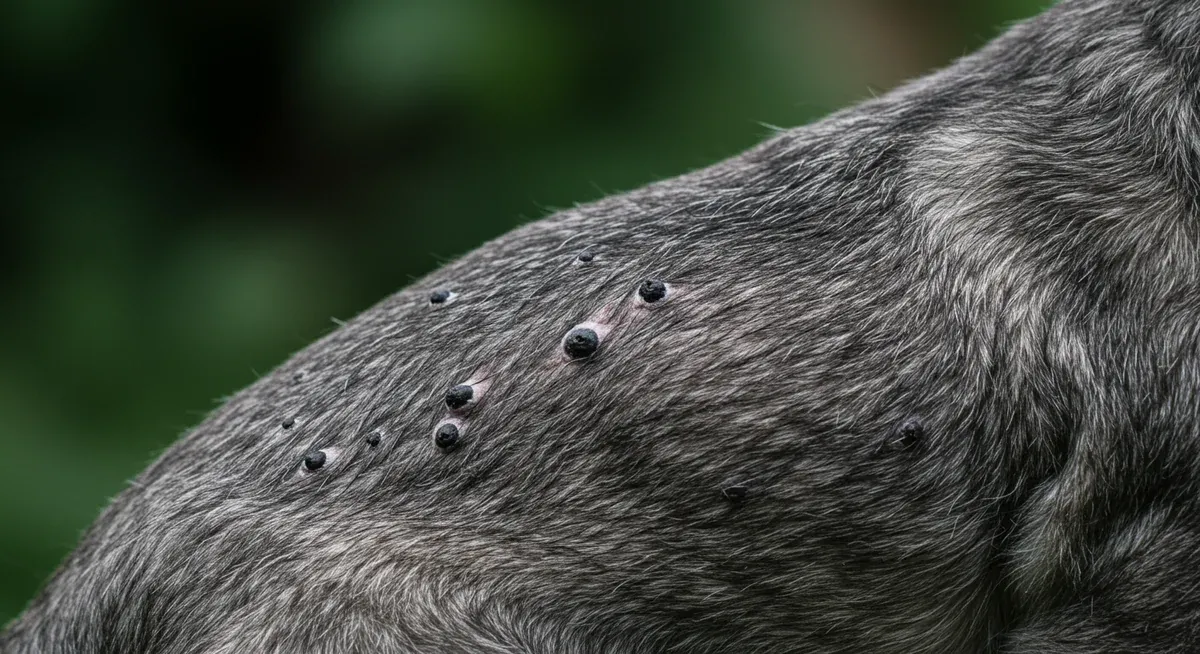
You might notice your Schnauzer developing small dark spots along their Schnauzer look remarkably like human blackheads. This isn't your imagination. Many Schnauzer owners worry when they first spot these comedones, but they're actually part of a well-documented breed-specific condition.
Schnauzer Comedo Syndrome primarily affects Miniature Schnauzers, creating dilated hair follicles that appear as blackheads along the back midline. In mild cases, these remain asymptomatic and purely cosmetic. However, severe cases progress to pimples, crusts, hair loss, and noticeable itching.
Watch for skin thickening, redness, or a strong odour developing around these areas. These symptoms often indicate secondary bacterial infections have taken hold, requiring more intensive treatment than the original condition.
Understanding environmental allergies in your dog
Environmental allergies, or atopy, represent another common challenge for these dogs. Unlike food allergies that cause digestive upset, atopy triggers intense itching and skin irritation from airborne allergens like pollen, dust mites, or mould spores.
Your dog might scratch excessively, particularly around the face, ears, and paws. Many owners notice the scratching intensifies during specific seasons, suggesting environmental triggers rather than food-related causes. The constant scratching often leads to secondary skin infections, creating a cycle that's difficult to break without proper intervention.
Atopy typically develops between six months and three years of age. If your young dog shows persistent itching without obvious external parasites, environmental allergies deserve serious consideration.
When seborrhea complicates matters
Seborrhea often accompanies other skin conditions in these dogs, creating additional layers of complexity. This condition affects the skin's natural oil production, leading to either excessively oily or dry, flaky skin.
You'll recognise seborrhea by the greasy feel of your dog's coat or, conversely, by excessive dandruff and dry patches. The condition often produces a distinctive musty odour that regular bathing doesn't eliminate. Seborrhea rarely occurs alone, instead appearing alongside allergies or hormonal imbalances.
The interplay between seborrhea and other conditions means treating just one aspect rarely provides complete relief. Comprehensive management addressing all contributing factors typically yields better results.
Professional diagnosis makes the difference
While recognising symptoms helps you act quickly, professional diagnosis remains crucial for effective treatment. Veterinary dermatologists can distinguish between similar-looking conditions and identify underlying causes that aren't immediately obvious.
Skin scrapings, bacterial cultures, and allergy testing provide specific information about your dog's condition. These tests guide targeted treatment rather than the trial-and-error approach that often prolongs suffering and increases costs.
Many skin conditions share similar symptoms but require different treatments. What works for bacterial infections won't address allergies, and treatments for Comedo Syndrome differ significantly from seborrhea management.
Treatment approaches that work
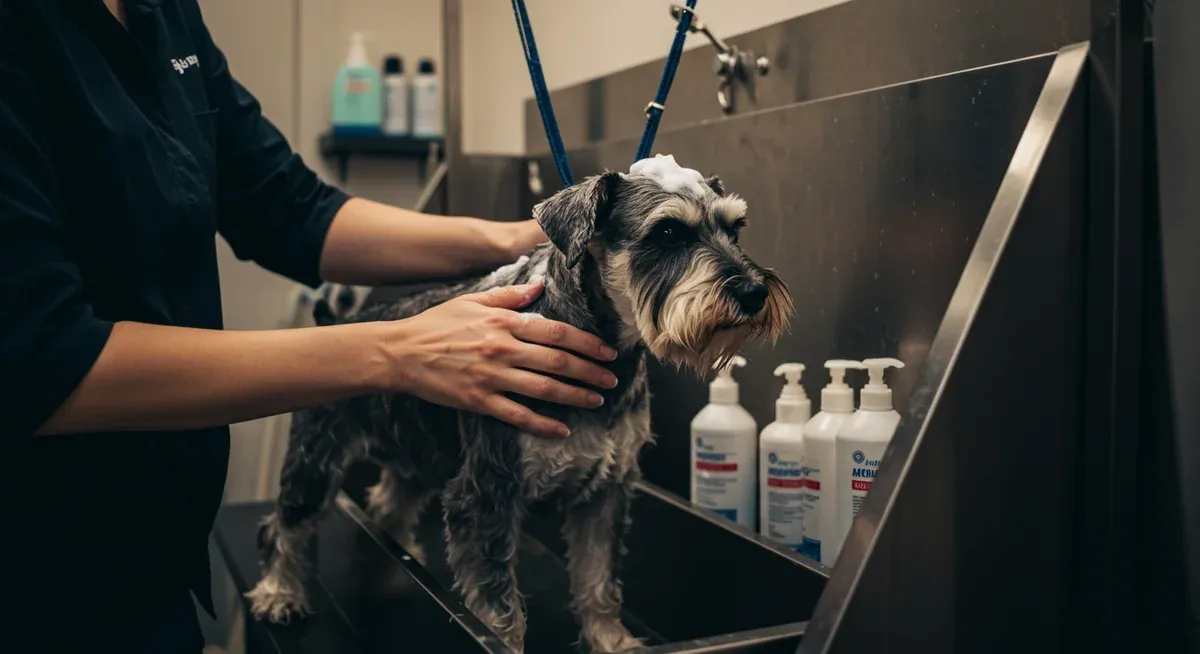
Treatment success depends heavily on accurate diagnosis and consistent application. For Schnauzer Comedo Syndrome, mild cases often respond well to specialised shampoos containing benzoyl peroxide or salicylic acid, used twice weekly.
Severe cases with secondary infections typically require antibiotic therapy alongside topical treatments. The combination approach addresses both the underlying keratinization disorder and bacterial complications.
Environmental allergies benefit from multi-modal management including antihistamines, omega-3 fatty acid supplements, and sometimes immunotherapy. Topical treatments provide immediate relief while systemic approaches address underlying sensitivity.
Seborrhea treatment focuses on normalising oil production through medicated shampoos and, when necessary, oral medications that regulate skin cell turnover.
Prevention and long-term management
Regular grooming plays a crucial role in preventing skin condition flare-ups. Weekly brushing removes dead skin cells and distributes natural oils, while monthly baths with appropriate shampoos maintain skin health.
Environmental management helps dogs with atopy. High-quality air filters, regular washing of bedding in hot water, and minimising exposure to known triggers reduce symptom severity.
Nutrition supports skin health from within. High-quality proteins and omega-3 fatty acids provide building blocks for healthy skin cell production. Some dogs benefit from limited-ingredient diets that eliminate potential food sensitivities.
Consistent monitoring allows early intervention when problems develop. Most skin conditions respond better to early treatment than to management after complications arise.
Knowing when to seek help
Immediate veterinary attention becomes necessary when you notice rapid changes in skin condition, signs of pain, or systemic symptoms like lethargy or appetite loss. Secondary infections can develop quickly and may require aggressive treatment.
Persistent itching that interferes with sleep or normal activities warrants professional evaluation. Chronic scratching creates trauma that perpetuates skin problems and reduces quality of life.
If home management strategies aren't providing relief within two to three weeks, professional guidance can identify missed factors or suggest alternative approaches. Skin conditions often have multiple contributing factors that require comprehensive treatment plans.


