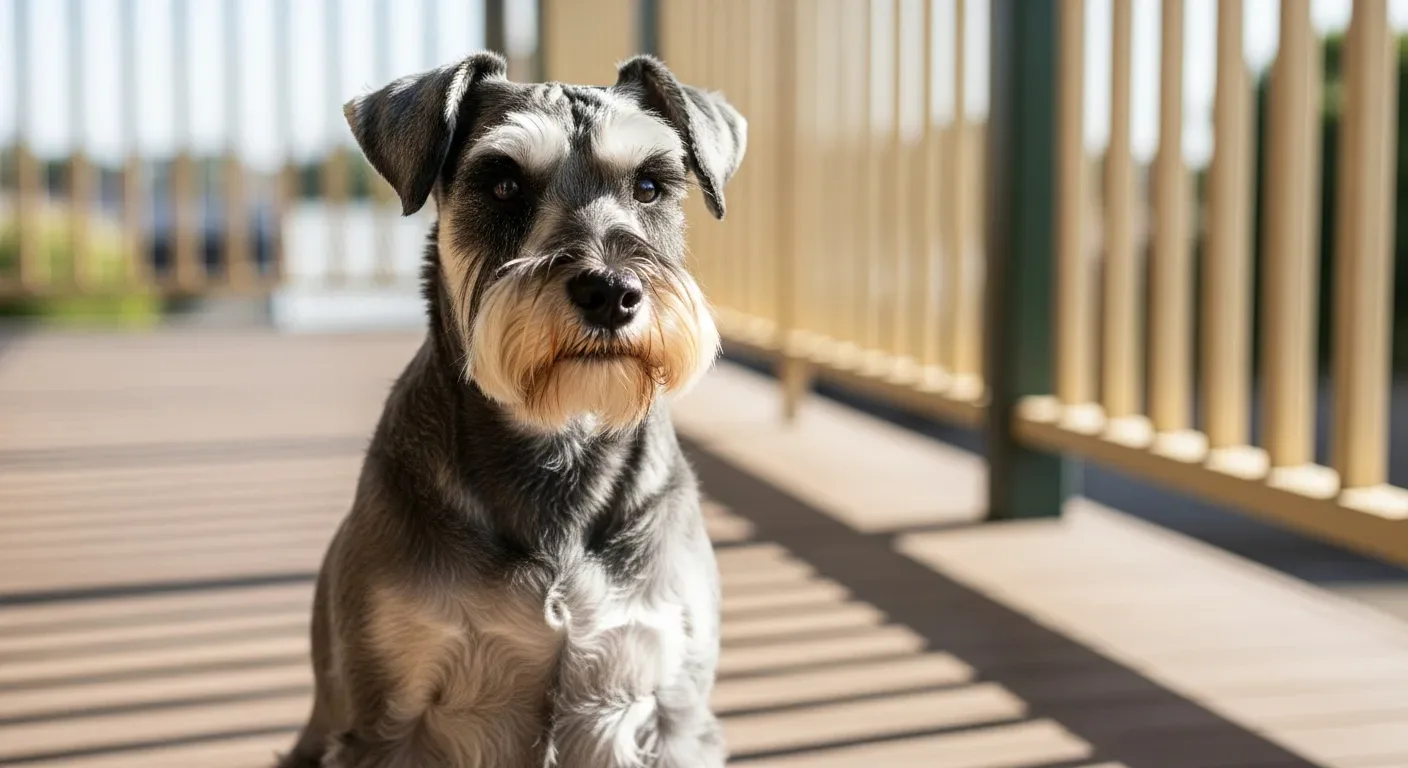

You might notice your Mini Schnauzer has quite the personality from the moment they enter your home. These spirited dogs bring a unique blend of boldness, playfulness, and unwavering loyalty that can both delight and challenge new owners. Understanding their temperament isn't just helpful, it's essential for building the strong relationship these dogs crave.
The bold and vocal nature you'll encounter
Your Mini Schnauzer will likely announce visitors, passing dogs, and interesting sounds with enthusiastic barking. This vocal nature stems from their watchdog instincts, though they're less protective than their larger Standard and Giant Schnauzer cousins. Many owners find this alertness reassuring, but it does require management.
Research shows that these dogs tend to be bold around larger dogs, sometimes showing assertiveness that can get them into trouble. This confidence, whilst endearing, means you'll need to supervise interactions carefully. They're naturally wary of strangers and unfamiliar dogs, which is normal breed behaviour rather than a problem to fix.
The key is channeling this alertness productively. Teaching a "quiet" command early and rewarding calm behaviour helps establish boundaries. Most respond well to positive reinforcement techniques, though consistency is crucial for lasting results.
Energy levels and exercise needs
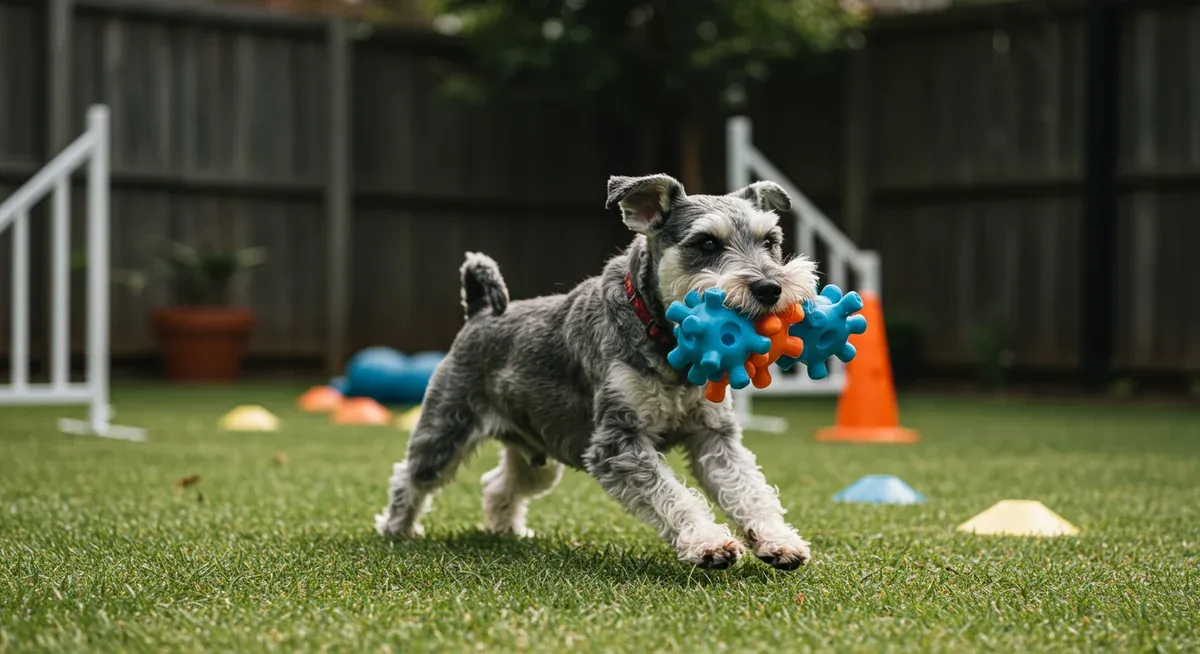
These dogs bring high energy and playfulness that demands daily outlets. Without adequate physical exercise and mental stimulation, you'll likely see excessive barking or destructive chewing develop. The research is clear: they need 30-60 minutes of daily exercise to stay mentally and physically balanced.
Interactive toys work particularly well for mental stimulation. Brands like Kong or Nina Ottosson puzzle toys can keep them engaged when you're busy. Many owners find that puzzle feeders at mealtimes help satisfy their need for mental challenges whilst slowing down eating.
Daily walks combined with off-leash play in secure areas provide the ideal exercise combination. A comfortable harness like the Ruffwear Front Range can help manage pulling whilst keeping them comfortable during longer walks.
Family relationships and social bonds
You'll find that your dog forms incredibly strong bonds with family members, often developing a favourite person. This affectionate nature makes them excellent companions, but it also means they don't cope well with being left alone for extended periods. They thrive on companionship and want to be involved in family activities.
With children, they're generally excellent when properly supervised. The research indicates they do particularly well in active households with children, though supervision remains important for safe interactions. Teaching children respectful behaviours, such as not disturbing the dog during meals or rest, helps prevent any issues.
Their independent streak balances their affection, meaning they're not typically clingy but do want regular interaction and attention from their family.
Socialisation requirements for success
Early and consistent socialisation proves crucial for helping these dogs become comfortable with strangers, other dogs, and various environments. Their natural wariness of unfamiliar situations can become problematic without proper exposure during puppyhood.
When introducing them to other pets, gradual introductions work best. They can live harmoniously with cats and smaller pets if socialised early and carefully. However, their prey drive and assertive nature mean supervision is necessary, especially initially.
The socialisation window is particularly important for this breed. Dogs that miss early socialisation often show increased wariness and assertiveness later, which becomes much harder to modify in adulthood.
Training approaches that work
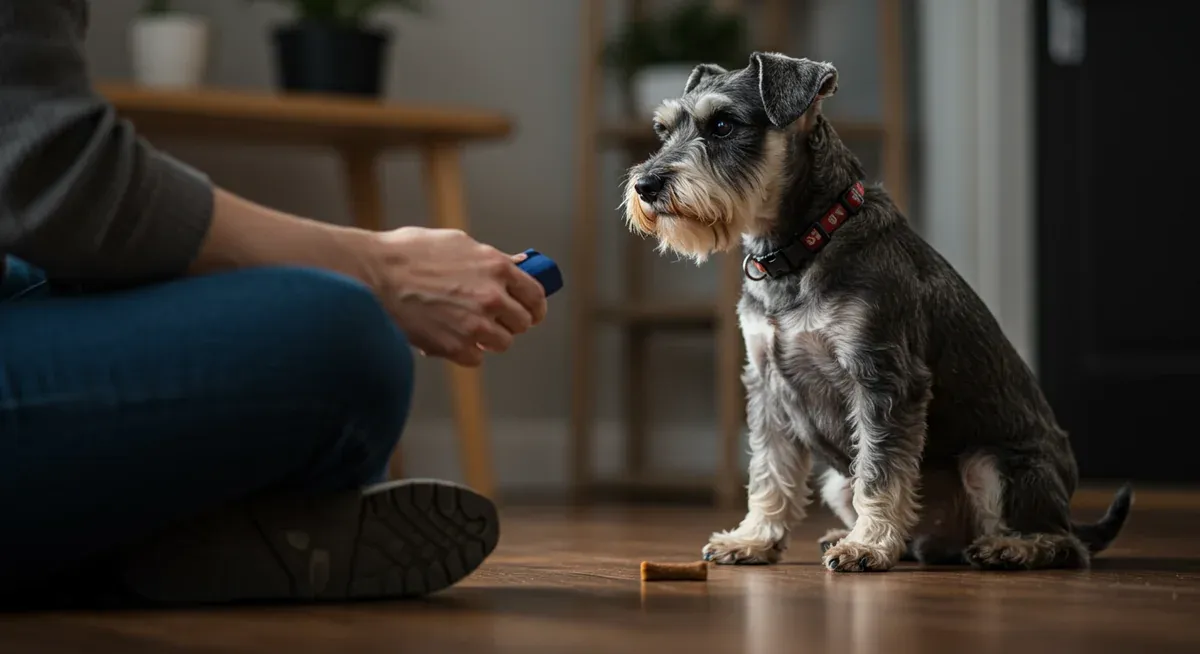
These intelligent dogs learn quickly but can show stubbornness, making training both rewarding and occasionally challenging. They respond best to engaging, varied training sessions that prevent boredom. Short, five-minute sessions twice daily typically work better than longer, less frequent training periods.
Positive reinforcement techniques prove most effective. High-value treats like small pieces of chicken or commercial training treats such as Zuke's Mini Naturals help maintain their attention during training sessions. Clicker training works particularly well with this breed's intelligence and eagerness to engage.
Managing their barking requires specific attention. Teaching a "quiet" command and avoiding reinforcement of nuisance barking helps establish appropriate boundaries. Most owners see initial progress within the first week, though lasting change typically takes three to four weeks of consistent application.
When to seek professional guidance
Sometimes behavioural issues persist despite consistent home training efforts. If excessive barking, aggression, or anxiety continues to interfere with family life or socialisation, consulting a certified professional dog trainer or veterinary behaviorist becomes necessary.
Behavioural problems that develop suddenly might indicate underlying health issues. Regular grooming every 4-6 weeks and health checks support overall wellbeing, which directly influences behaviour. Signs of stress or anxiety, such as destructive behaviour or excessive vocalisation, may indicate unmet needs requiring professional assessment.
Professional help is particularly valuable for addressing resource guarding, severe separation anxiety, or aggression issues that can occasionally develop if early socialisation was inadequate.
Setting realistic expectations
Understanding that your Mini Schnauzer's vocal, alert nature is part of their breed character helps set appropriate expectations. They're not quiet lap dogs, but rather engaging, interactive companions that want to be involved in household activities.
Their bold personality combined with their smaller size creates a unique dynamic. They often don't realise their size limitations, which can lead to challenging larger dogs or attempting activities beyond their physical capabilities. This confidence is part of their charm but requires thoughtful management.
With proper socialisation, consistent training, adequate exercise, and mental enrichment, these dogs develop into well-adjusted, delightful companions. Their intelligence and eagerness to engage make the training process rewarding, even when their occasional stubbornness tests your patience. The key is understanding their needs and working with their natural temperament rather than against it.