

Why your Beagle's appetite needs special attention
Have you noticed how your Beagle seems perpetually interested in food? This isn't just your imagination. These dogs are naturally food-motivated, which makes them wonderful to train but also puts them at higher risk for obesity. Understanding exactly how much your dog should eat becomes crucial for their long-term health and happiness.
Many Beagle owners struggle with portion control because their dogs are so convincing when asking for more food. The breed's hunting background means they're programmed to eat when food is available, making it your job to manage their intake carefully. Research shows that obesity is one of the most common health issues in this breed, making proper diet management essential rather than optional.
Daily calorie requirements by life stage
Your dog's calorie needs change significantly throughout their life. Puppies require roughly 55 calories per pound of body weight per day to support their rapid growth and high energy levels. For very young puppies under four months, this can increase to approximately 116 kilocalories per pound due to their intense developmental needs.
Adult Beagles need about 45 calories per pound per day, while senior dogs require slightly less at around 42 calories per pound daily. A typical 25-pound adult would need roughly 1,125 calories per day, which usually translates to 1.5 to 2 cups of high-quality dog food, depending on the specific brand's calorie density.
These numbers serve as starting points. Your dog's actual needs may vary based on their activity level, metabolism, and overall health. Active dogs who go on long walks or participate in agility training may need slightly more, while less active dogs may need less to maintain a healthy weight.
Creating the right feeding schedule

Free feeding rarely works well for these food-motivated dogs. Instead, establish a routine of two to three meals per day at consistent times. This approach helps with behaviour management, supports housebreaking efforts, and prevents the overeating that often occurs when food is always available.
Set a 15 to 20-minute window for each meal. If your dog doesn't finish their food within this timeframe, remove the bowl and save the remaining food for the next meal. This teaches them to eat when food is offered rather than grazing throughout the day.
For dogs that eat too quickly, slow-feeder bowls like the Outward Hound Fun Feeder or PetSafe Healthy Pet Slow Feeder can prevent gulping and related digestive issues. Fast eating can lead to bloating and discomfort, so managing eating speed becomes part of overall health care.
Choosing nutrient-rich foods
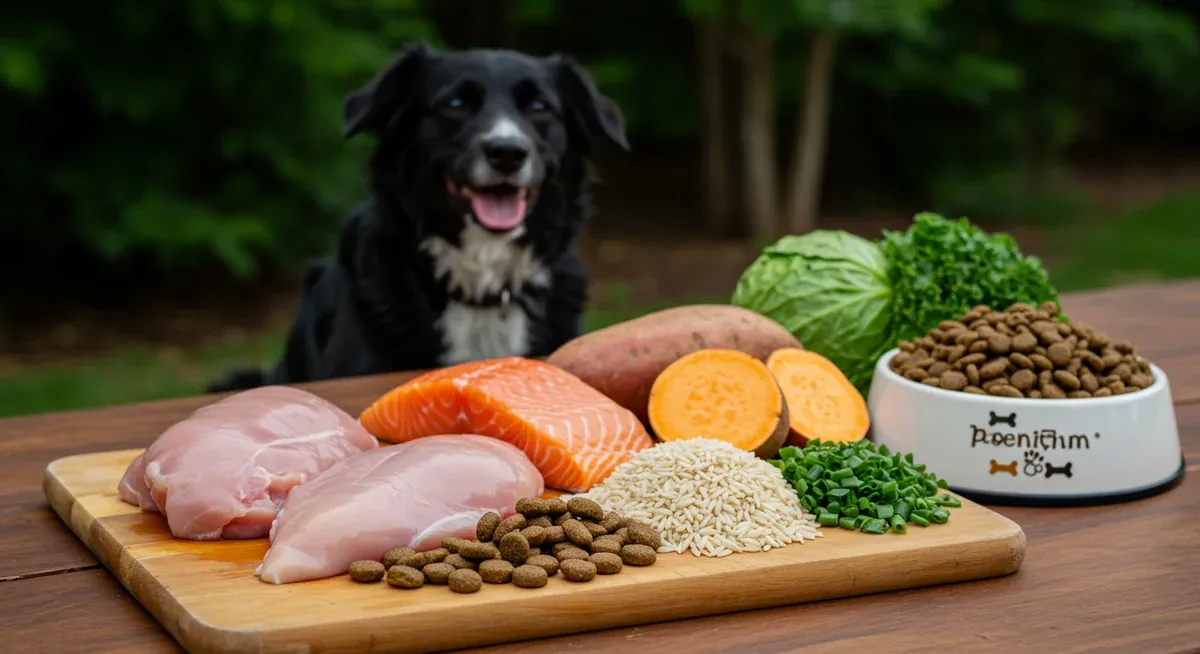
Quality matters more than quantity when selecting your dog's food. Look for options where high-quality protein sources like chicken, beef, lamb, or fish appear as the first ingredient. These proteins support muscle maintenance and provide the energy your active dog needs.
Healthy fats, particularly omega-3 and omega-6 fatty acids from sources like fish oil, flaxseed, and chicken fat, promote skin and coat health while providing concentrated energy. Complex carbohydrates such as sweet potatoes, brown rice, and barley offer sustained energy and better digestion compared to simple carbohydrates that can contribute to weight gain.
Fiber sources like pumpkin, carrots, and green beans help with digestion and increase satiety without adding excessive calories. This is particularly valuable for dogs prone to weight gain. Essential vitamins and minerals, including vitamins A, D, E, B-complex, calcium, and phosphorus, support immune function, bone health, and organ function.
Managing treats and extras
Treats should never exceed 10% of your dog's daily calorie intake. For a dog eating 1,125 calories daily, this means no more than 112 calories from treats. This might seem restrictive, but it's essential for maintaining proper nutrition balance and preventing weight gain.
Choose small, low-calorie treats with natural ingredients, or consider making homemade treats where you control the ingredients. Training treats should be tiny, just enough to reward the behaviour without significantly impacting daily nutrition. Many owners find that breaking regular treats into smaller pieces works well for training sessions.
Remember that table scraps and human food can quickly add unwanted calories and may cause digestive upset. Stick to dog-appropriate treats and factor them into the daily calorie count.
Special considerations for different life stages
Puppies need nutrient-dense food that supports growth and brain development. Avoid giving them human food, as this can create allergies and nutritional imbalances during this critical development period. Puppy-specific formulas typically provide the concentrated nutrition growing dogs need.
Senior dogs face different challenges. Their slower metabolism means they need fewer calories, but they benefit from diets rich in healthy fats and fiber. Joint-supporting nutrients become more important, and some seniors do better with more frequent, smaller meals to aid digestion.
Throughout all life stages, regular weight monitoring helps you adjust portions as needed. Your veterinarian can perform body condition scoring during regular visits to ensure your dog maintains an ideal weight.
When professional guidance becomes necessary
Watch for signs that indicate a need for veterinary consultation. Sudden weight gain or loss, lethargy, digestive upset, or changes in skin and coat condition can signal underlying health issues that affect dietary needs. Sometimes what appears to be a feeding problem actually reflects a medical condition requiring professional attention.
Regular veterinary check-ups help tailor diet plans to your individual dog's needs. Your vet can recommend specific brands or formulations if your dog has particular health concerns, and they can help you adjust portions as your dog ages or their activity level changes.
Choose foods with AAFCO approval to ensure nutritional adequacy, and don't hesitate to discuss any concerns about your dog's eating habits, weight, or overall condition with your veterinary team. Proper nutrition forms the foundation of good health, making it worth the investment in professional guidance when needed.