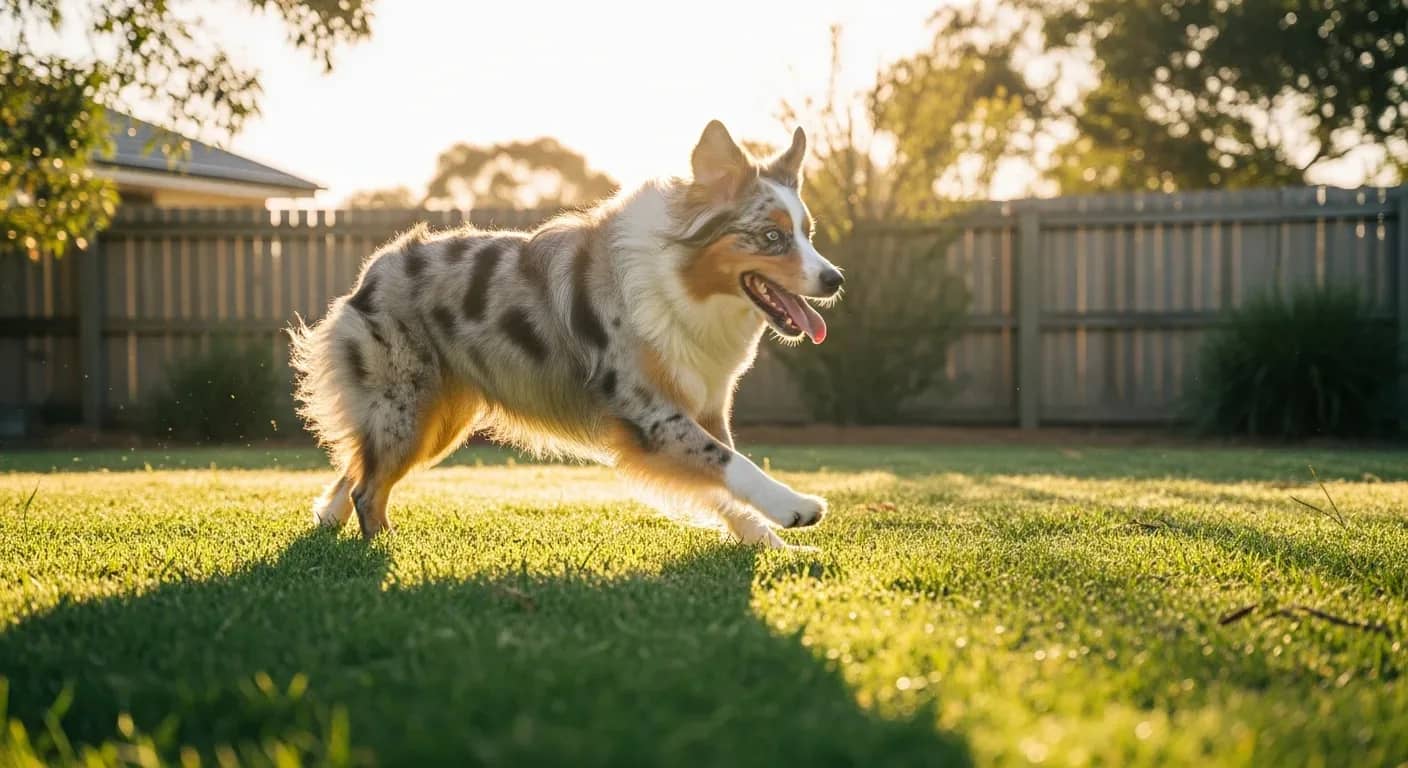

When you bring an Australian Shepherd into your life, you are welcoming one of the most energetic, devoted, and intelligent breeds around. From the moment they race across a park to the afternoon they settle beside you on the couch, Aussies leave an impression. Naturally, one of the first things owners want to know is: how long will this dog be part of my family?
The answer depends on genetics, lifestyle, and the health choices you make together. This guide covers everything Australian owners need to know about the Australian Shepherd lifespan, from the average numbers through to the specific conditions that can cut a life short, and the practical steps that help your Aussie reach their full potential.
Average Australian Shepherd Lifespan
Australian Shepherds typically live between 12 and 15 years. Most owners can reasonably expect 12 to 14 years with average care, while well-managed dogs often reach 14 or 15. Individual dogs have been recorded living to 18, though this is exceptionally rare.
Females tend to outlive males by roughly six months, a pattern consistent across most medium-to-large breeds. The 2017 ASHGI longevity survey found the average Aussie lifespan to be closer to 11 years, a figure that has concerned breed health advocates. The downward trend is largely attributed to an increase in cancer deaths in dogs that have not yet reached old age, which means the steps you take during the middle years of your dog's life carry real weight.
Compared to other herding breeds, Aussies sit in a similar range to Border Collies (12 to 15 years) and slightly below Shetland Sheepdogs, which frequently reach 14 to 16. Larger dogs generally have shorter lifespans than smaller ones due to higher metabolic demands and faster cell turnover, so an Aussie at 40 to 65 pounds sits in a moderately favourable position on the size-longevity curve.
What Shapes How Long an Australian Shepherd Lives
Lifespan is the result of genetics, environment, and the specific choices made around nutrition, exercise, and veterinary care. No single factor dominates, but the combination of all of them over many years creates a meaningful difference.
Genetics and Breeding History
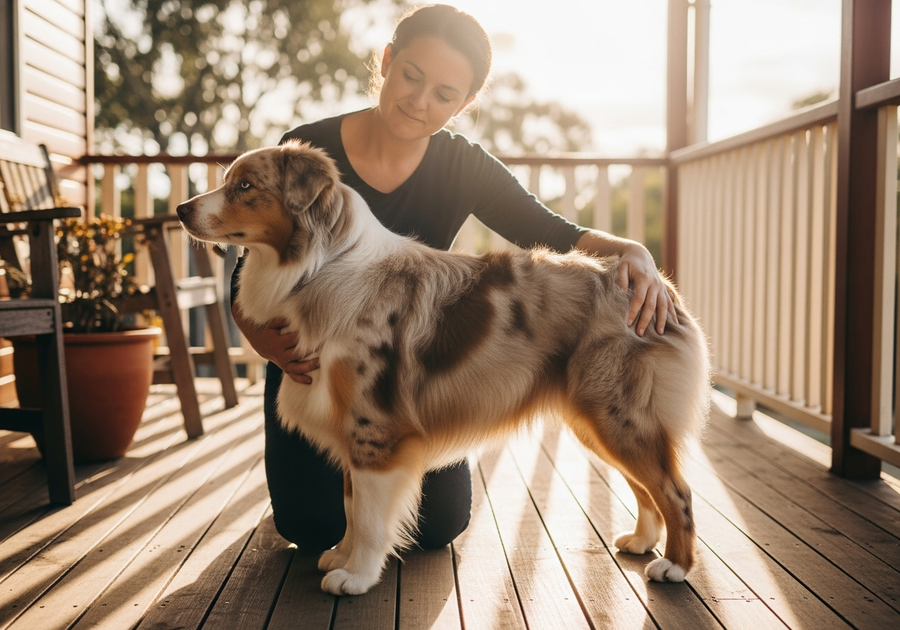
The ASHGI longevity data paints a nuanced picture: dogs from health-tested lines with long-lived relatives tend to outlive dogs from untested breeding stock by a measurable margin. If you are selecting a puppy, ask breeders for documentation of hip, elbow, and eye health certifications for both parents. This is not a guarantee, but it is a meaningful filter.
One genetic factor unique to Aussies deserves particular attention. The MDR1 gene mutation, now formally known as ABCB1, is present in roughly 50% of Australian Shepherds. This mutation affects how the blood-brain barrier functions in response to certain medications. Dogs carrying two copies of the mutation face serious neurological risk if given ivermectin, loperamide, or several commonly used chemotherapy drugs. Knowing your dog's MDR1 status does not change their lifespan directly, but it prevents a preventable emergency that could end a life prematurely. A simple DNA test from your vet can identify status early.
Weight and Body Condition
Obesity shortens lives. Research across multiple breeds consistently shows that lean dogs live 1.5 to 2 years longer than overweight counterparts. For an Aussie, this means keeping ribs palpable with a light touch, maintaining a visible waist tuck when viewed from above, and monitoring body condition score monthly. Australian Shepherds love food, and their herding background means they can look deceptively fit even when carrying extra weight. The test is touch, not appearance.
Exercise and Mental Stimulation
Aussies were bred to work all day. Without adequate physical and cognitive outlets, they can develop anxiety, destructive behaviours, and chronic stress responses that wear on their systems over time. A well-exercised Aussie that receives structured activity and mental challenges tends to maintain a healthier weight, better cardiovascular function, and a more settled temperament into their senior years. At least 60 to 90 minutes of purposeful activity daily is a good baseline for an adult Aussie in their prime.
Nutrition and Dental Health
A diet rich in bioavailable protein, omega-3 fatty acids, and antioxidants supports cellular repair and reduces chronic inflammation. For Australian owners, the quality of commercial dog food varies widely, so checking ingredient quality matters. Dental disease is another quiet life-shortener: bacteria from infected gums can enter the bloodstream and create low-grade damage to the heart, kidneys, and liver over years. Regular brushing, dental chews, and professional cleans extend not just tooth health but systemic health.
Health Conditions That Affect Australian Shepherd Longevity
Certain breed-specific conditions are more common in Australian Shepherds and, if unmanaged, can significantly shorten lifespan or reduce quality of life during the later years. Being aware of them puts you in a far stronger position to act early.

Hip and Elbow Dysplasia
Hip dysplasia is one of the most common inherited conditions in the breed, causing improper development of the hip joint and leading to osteoarthritis, pain, and reduced mobility. Dogs with moderate to severe dysplasia often require lifelong management and may experience a notably reduced quality of life in their senior years. Early screening and weight control are the two most effective prevention strategies. For dogs already diagnosed, joint support, physiotherapy, and in some cases surgical intervention can maintain function for longer.
The guide to Australian Shepherd hip dysplasia on this site covers the full prevention and management picture in detail, including what to look for before clinical signs become obvious.
Progressive Retinal Atrophy
Progressive retinal atrophy, or PRA, is a group of hereditary eye diseases that cause the retina's photoreceptors to degrade over time, eventually resulting in complete blindness. PRA is not painful and does not shorten lifespan directly, but the anxiety and disorientation that can accompany vision loss, particularly in working-line dogs, can affect overall quality of life. No cure currently exists. Ethical breeders screen for PRA before breeding, so asking for genetic eye certification is worthwhile when selecting a puppy.
Epilepsy
Epilepsy occurs at above-average rates in Australian Shepherds compared to many other breeds. Idiopathic epilepsy, which appears without an identifiable structural cause, typically emerges between one and five years of age. While many epileptic dogs live full, normal lives with anticonvulsant medication, uncontrolled seizures can carry risks. Working with a veterinarian to find an effective medication protocol early is important.
Cancer
Cancer has become the leading cause of death in Australian Shepherds according to ASHGI longevity survey data, with rates rising in dogs younger than the traditional senior window. Common types include haemangiosarcoma and lymphoma. Annual bloodwork from age seven, combined with regular physical examinations, offers the best chance of catching early markers before symptoms appear. The Australian climate means sun-related skin cancers are also worth monitoring in dogs with lighter pigmentation or thin coats on the nose and ears.
The Senior Aussie: What to Expect After Age 8
Australian Shepherds are generally considered senior from around 8 to 9 years old. This is often when the first subtle changes appear, including slightly longer recovery times after hard exercise, reduced tolerance for summer heat, or a gradual slowing of pace on walks. These changes do not mean decline is inevitable; they mean the care strategy needs to evolve.
Annual vet visits should shift to twice yearly. Bloodwork becomes valuable here, as it can identify shifts in kidney function, thyroid levels, or liver markers months before clinical symptoms become visible. Adjusting food to a senior formulation with appropriate protein and lower calories helps manage weight as activity levels naturally decrease. Softer bedding and ramps or steps for furniture access protect joints. Mental engagement remains important throughout: scent work, puzzle feeders, and gentle training sessions keep a senior Aussie cognitively sharp and emotionally satisfied.
Want to know exactly what your Australian Shepherd needs to stay healthy at every life stage? The Hero Health Assessment takes two minutes and gives you a personalised plan based on your dog's age, weight, and lifestyle.
Start the Free AssessmentPractical Steps to Extend Your Aussie's Healthy Years
Longevity is not a single big decision; it is the compounding effect of small, consistent choices over years. These are the areas where Australian Shepherd owners consistently see the most return.
- Test for MDR1 early and share results with every vet your dog sees, including emergency vets. This prevents accidental administration of drugs that carry serious risk for affected dogs.
- Keep weight lean throughout life, not just in old age. The benefit of a lean body condition accumulates over years; catching weight gain at two kilograms is far more effective than addressing it at ten.
- Provide structured daily exercise that matches your dog's life stage. High-impact activities suit young Aussies well; as they age, swimming and leash walks preserve joint health better than hard running on firm surfaces.
- Prioritise dental hygiene as a year-round habit, not a yearly event. Daily brushing or consistent use of dental chews meaningfully reduces the systemic bacterial load from gum disease.
- Schedule biannual vet visits after age seven and request blood panels. The cost of early detection is always lower than the cost of managing a condition in crisis.
- Monitor for herding-related injuries particularly during the middle years. Aussies who work or compete in agility are at higher risk of shoulder, knee, and paw injuries that, if repeatedly untreated, can lead to chronic joint problems that emerge prominently in old age.
The Bottom Line
Australian Shepherds are resilient, capable dogs with a solid lifespan for a breed of their size. The 12 to 15 year range is achievable for most, and the dogs that reach the upper end of that window tend to have had attentive, consistent care from early on. Genetics set the starting point, but your decisions as an owner fill in the rest of the picture.
For the broader picture of what it takes to keep any dog thriving, Hero Pet Health has resources across nutrition, joint health, gut health, and more, all designed for Australian dog owners.