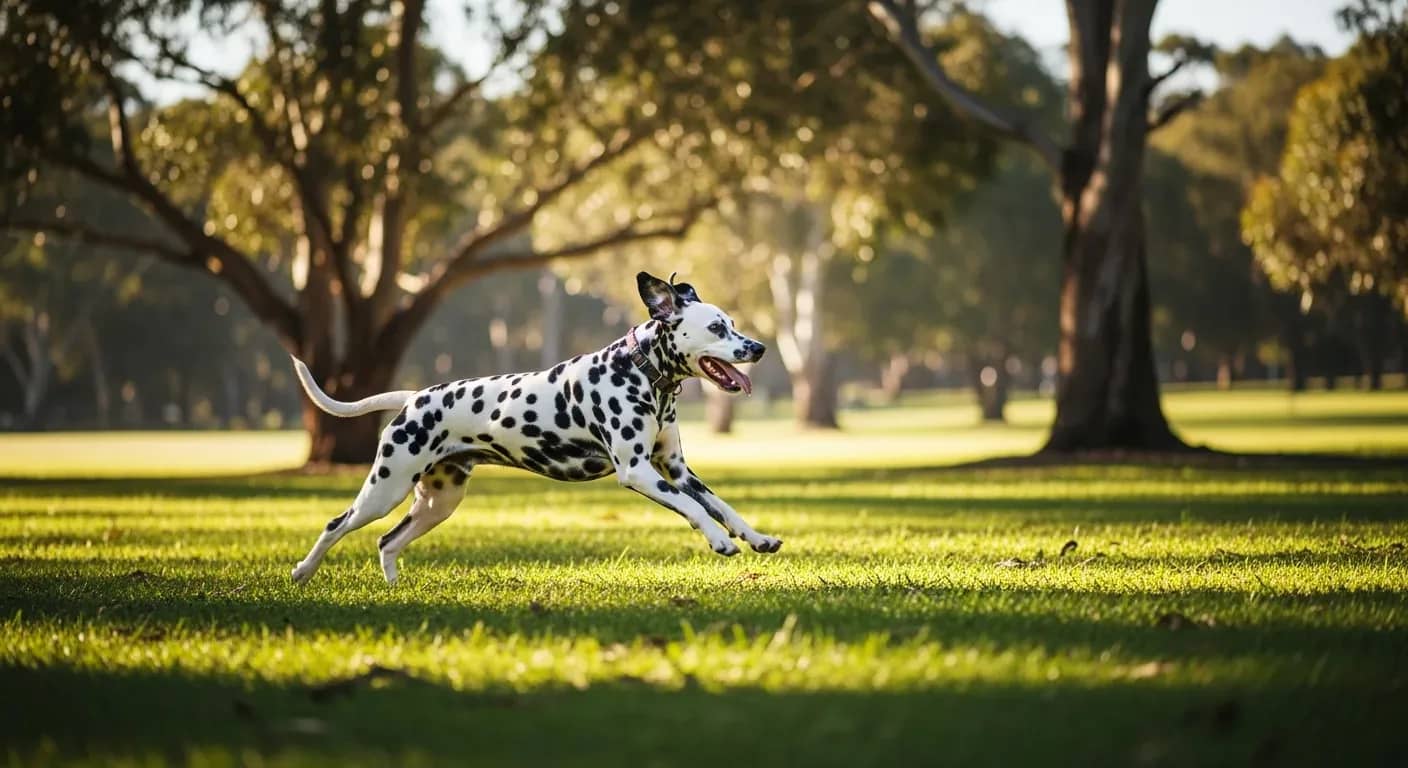
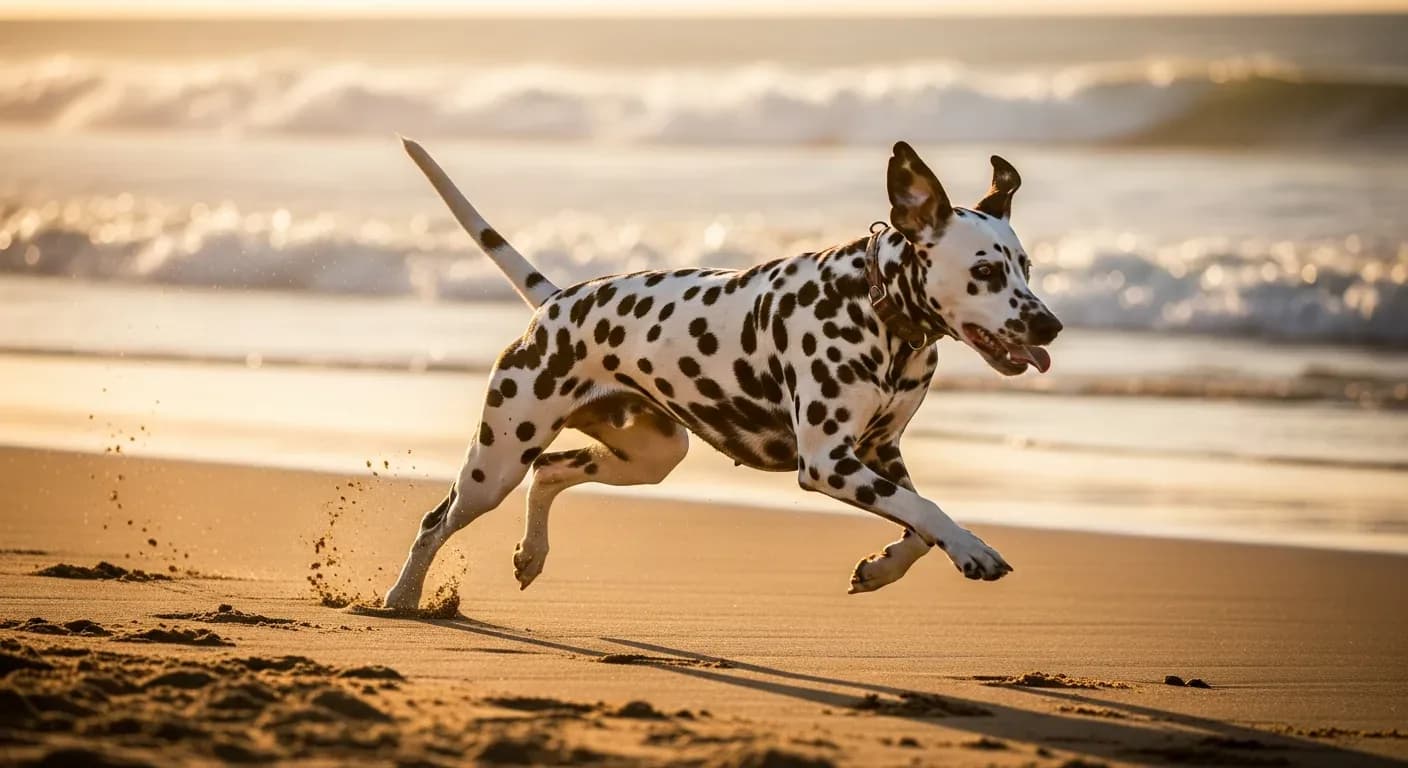
Dalmatians are one of the most distinctive dogs in Australia, instantly recognisable by their spots and their spirited, energetic nature. They're also one of the breeds most likely to have a sensitive gut, and that sensitivity runs deeper than most owners expect.
The reason comes down to their liver. Dalmatians process purines differently to every other dog breed. Where other dogs convert uric acid into easily excreted allantoin, Dalmatians lack the enzyme to do this properly, leaving uric acid to accumulate in the bloodstream and urine. That same metabolic quirk affects how they absorb and use nutrients across the digestive tract.
For Dalmatian owners thinking about gut health, this context matters. A probiotic that works well for a Labrador may not be the most strategic choice for a dog whose entire digestive chemistry works differently. Understanding that distinction is the starting point for making a decision that actually helps your dog.
Why Dalmatians Have Sensitive Digestive Systems
The purine metabolism issue is the headline, but it's not the whole story. Dalmatians also tend to develop food sensitivities at a higher rate than many other breeds. Australian vets frequently see Dalmatian owners presenting dogs with intermittent loose stools, chronic wind, and what gets described as a "picky" stomach that reacts to changes in diet or routine.
Some of this is linked to their historically active lifestyle. Dalmatians were bred to run alongside carriages for hours at a stretch, and that kind of sustained physical demand required a digestive system that could process food quickly and efficiently. In a modern household context, where the run-all-day energy meets a sit-at-home routine, that digestive sensitivity can show up as bloating, gas, and inconsistent bowel habits.
The gut microbiome, the population of bacteria and other organisms living in the digestive tract, plays a significant role in moderating these symptoms. When the microbiome is balanced, digestion runs more smoothly, nutrients are absorbed properly, and the immune system gets the signalling it needs. When it's disrupted, by stress, antibiotics, dietary changes, or illness, Dalmatians tend to show the effects quickly and clearly.
If you want a broader picture of the health conditions Dalmatians are prone to, the complete guide to Dalmatian health problems covers the full picture, including urinary health, deafness, and skin concerns alongside digestive issues.
What Probiotics Actually Do for Dalmatians
A probiotic introduces live microorganisms into the gut with the goal of supporting the existing microbial population. The right probiotic can help restore balance after disruption, support the gut lining, and improve how efficiently food is broken down and nutrients extracted.
For Dalmatians specifically, there are a few outcomes that matter most:
Digestive consistency is the most obvious benefit. Dalmatians with chronic loose stools or sensitive stomachs often show improvement within a few weeks of daily probiotic use, though results do vary between individuals.
Immune support is the less discussed benefit, but arguably more important for Dalmatians. A significant portion of the immune system, somewhere around 70%, is located in the gut. When the gut microbiome is balanced, immune function tends to be more regulated and less reactive. For a breed with known sensitivity to environmental and food triggers, this matters.
Antibiotic recovery is another area where probiotics earn their place. Dalmatians with urinary stone issues sometimes require antibiotic courses, and antibiotics are notoriously disruptive to gut flora. A probiotic that survives alongside antibiotics, rather than being killed by them, can significantly reduce the digestive side effects of those treatment courses.
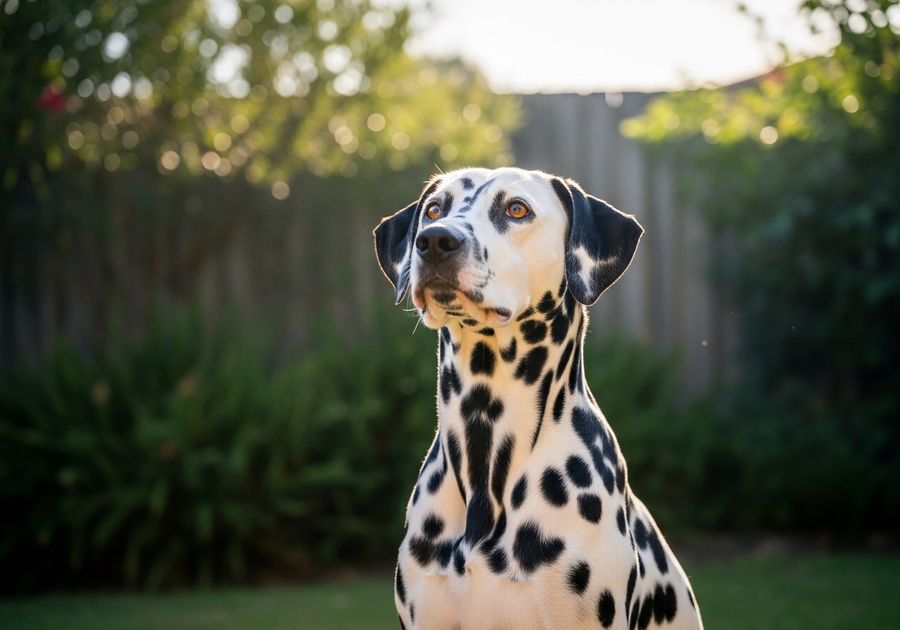
The Case for S. boulardii in Dalmatians
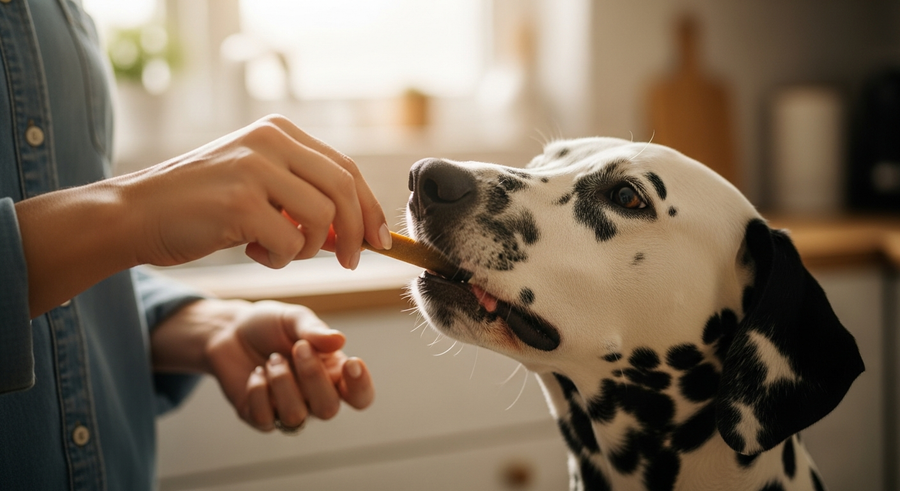
Most dog probiotics on the Australian market use bacterial strains, typically Lactobacillus or Bifidobacterium species. These can be effective, but they come with one practical limitation: they're killed by antibiotics. If your Dalmatian needs an antibiotic course for a urinary tract infection or stone-related complication, a bacterial probiotic stops working for the duration of that treatment.
Saccharomyces boulardii is a yeast, not a bacterium. That distinction matters because antibiotics do not affect yeast. S. boulardii can continue supporting gut health throughout and after an antibiotic course, which is particularly relevant for a breed that frequently encounters urinary-related health interventions.
Research on S. boulardii is reasonably strong for this kind of application. A review published in the World Journal of Gastroenterology found consistent evidence that S. boulardii supports intestinal barrier function and reduces gut permeability, two outcomes that are relevant to dogs with sensitive digestive systems.
For Dalmatians prone to gut disruption, a yeast-based probiotic that works continuously, including during antibiotic treatment, offers a practical advantage over bacterial alternatives. Hero's Probiotic Daily Chews use S. boulardii as the active ingredient, delivering 10 billion CFU per chew in a grain-free, wheat-free formula.
Ingredients to Look for and Ingredients to Avoid
For Dalmatians, ingredient scrutiny matters more than for most breeds. Their purine metabolism issue means that certain ingredients can add unnecessary uric acid load to a diet that already has to be managed carefully.
High-purine ingredients like organ meats, anchovies, and sardines that appear in some supplement formulas are worth avoiding. Dalmatians don't need the extra purine burden, and some owners managing low-purine diets for urological reasons will find these ingredients directly counterproductive.
Prebiotics are worth looking for. They feed the probiotic organisms and help sustain gut flora populations between doses. A probiotic without a prebiotic component tends to have shorter-lived effects.
Digestive enzymes, when included, can help Dalmatians that struggle to break down certain food components efficiently. They're an added benefit rather than essential, but useful for dogs with more complex digestive sensitivities.
Grain-free formulations are generally preferable for Dalmatians, who often have wheat or grain sensitivities. This is worth checking on any supplement you're considering.
If your Dalmatian has been managing a joint supplement alongside gut support, the approach in the Dalmatian joint supplement guide is worth reading in parallel, since ingredient compatibility across multiple supplements is relevant for this breed.
The Right Dose and How to Give It
Dosing for probiotics is typically weight-based. Most recommendations follow something like one chew per 15 to 20 kilograms of body weight, though the specific product label should be your reference for any supplement you use. A 25-kilogram Dalmatian and a 35-kilogram Dalmatian will have different requirements, and the breed covers a fairly wide weight range between individuals.
Consistency matters as much as dosage. A probiotic given occasionally when symptoms appear is far less effective than one given daily as part of an established routine. The goal is to maintain a stable microbiome population over time, not to intervene reactively when things go wrong.
Morning feeding is generally the most reliable time to administer a probiotic, since the stomach is less acidic and the probiotic organisms have a better environment for reaching the intestine. That said, the most important factor is choosing a time you can stick to every day.
Some Dalmatians are cautious about new supplements, particularly if their digestive sensitivity has made them wary of anything unfamiliar. A soft chew format tends to work well because it can be offered as a treat rather than hidden in food, making the introduction much smoother. Most Dalmatians accept chews readily once they realise it's not a pill or powder.
Your vet should be part of this conversation, especially if your Dalmatian has an active urinary stone condition or is on a medically supervised low-purine diet. A vet can confirm that any probiotic you're considering is compatible with your dog's specific management plan.
How Long Before You See Results
Most Dalmatian owners notice a difference in digestive consistency within two to four weeks of daily probiotic use. Stools tend to firm up, gas reduces, and the general sensitivity to routine disruptions improves.
Immune-related benefits, like reduced reactivity to environmental triggers, tend to take longer to become apparent. Two to three months of consistent daily use is usually required before owners can assess whether the probiotic is making a meaningful difference in that area.
Not every dog responds the same way. Some Dalmatians show rapid improvement, others take longer, and a small number don't respond to a particular probiotic at all and do better on a different formulation. Giving a probiotic a full eight-week trial before concluding it's not working is a reasonable approach.
If you're also thinking about your Dalmatian's lifespan and long-term health, there's a lot of useful context in the Dalmatian lifespan guide, including what daily habits make the biggest difference across their life stages.
Not sure which supplement is right for your Dalmatian? The Hero Health Assessment takes two minutes and gives you a personalised recommendation based on your dog's age, weight, and lifestyle.
Start the Free AssessmentThe Bottom Line
Dalmatians have a digestive system that genuinely benefits from support. Their unique purine metabolism, combined with their tendency toward food sensitivity and their frequent encounters with antibiotics for urinary issues, makes gut health an important part of caring for this breed.
A well-chosen probiotic, given consistently as part of a daily routine, can improve digestive stability, support immune function, and maintain gut health through and after antibiotic courses. For Dalmatians specifically, a yeast-based probiotic like S. boulardii offers the practical advantage of working continuously regardless of antibiotic treatment.
Every Dalmatian is different. If you want to know exactly what your dog needs, the Hero Health Assessment will give you a personalised recommendation in under two minutes.