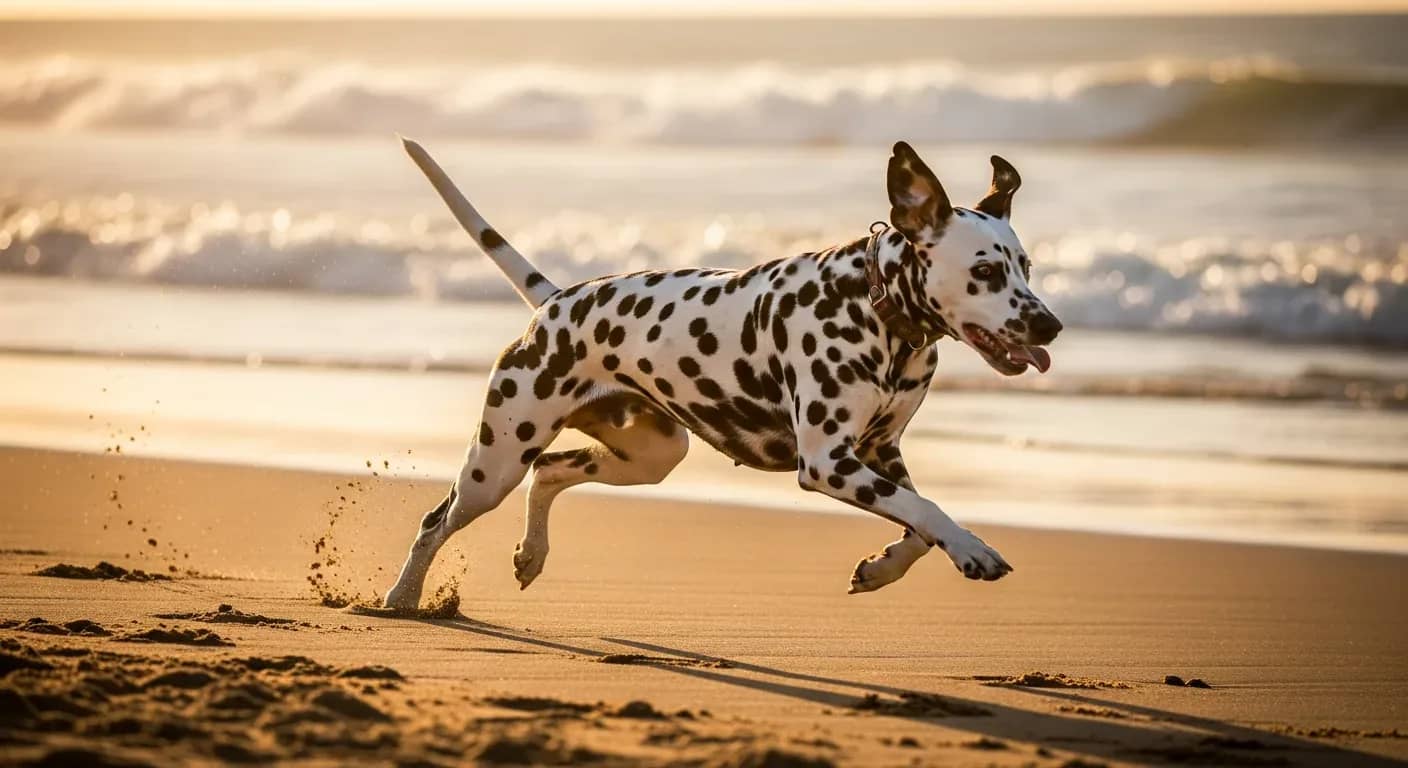
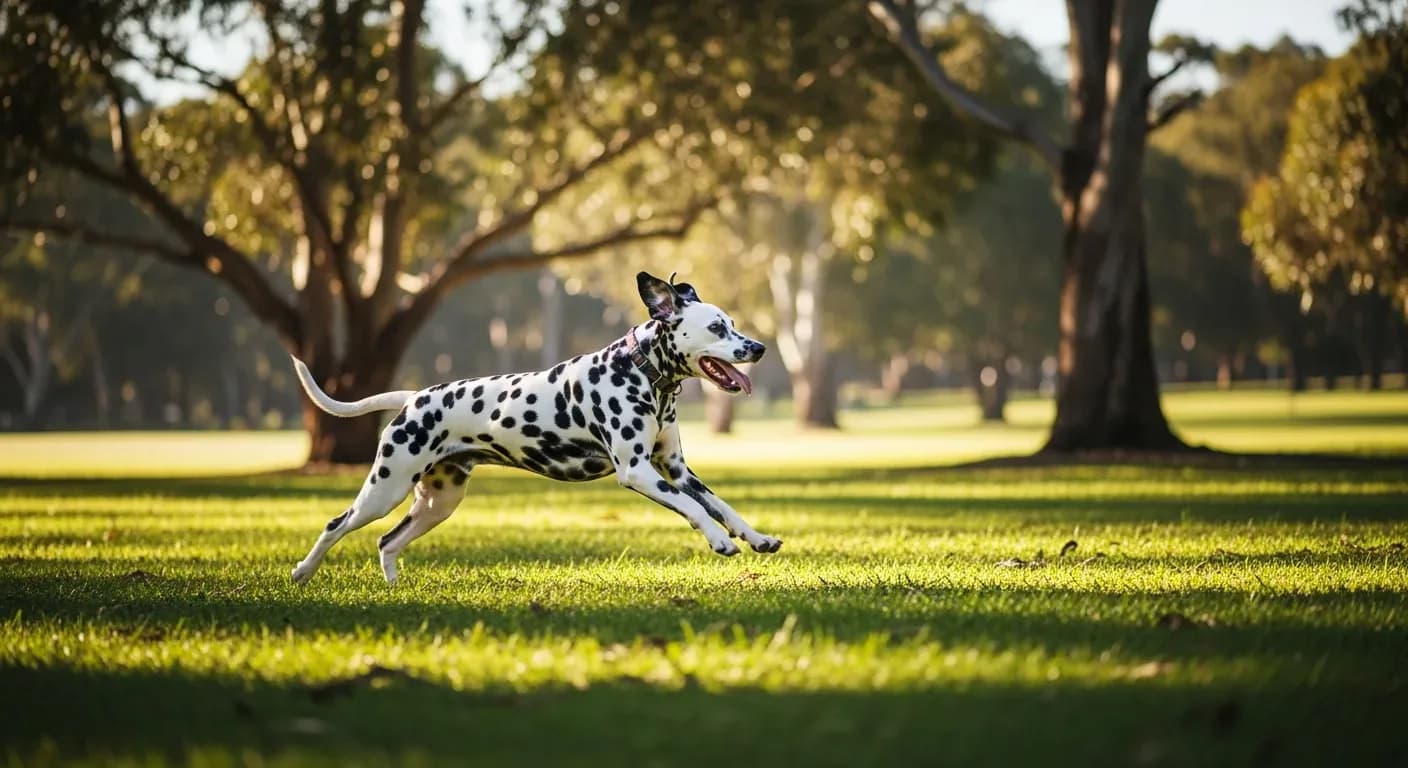
Dalmatians are built for distance. Bred to run alongside carriages for kilometres at a stretch, they carry that endurance instinct into everyday life, which means their joints take a real beating. If your Dalmatian has hit middle age and you're starting to notice a slight hesitation before they launch onto the couch, or they're taking longer to get going on morning walks, you're right to pay attention.
Joint supplements are not just for Labradors and German Shepherds. Dalmatians have their own set of structural vulnerabilities, and understanding those helps you choose the right support at the right time.
Why Dalmatians Are Prone to Joint Problems
Dalmatians are a medium-large breed, typically weighing 23 to 27 kg, with a body designed for sustained physical output. That combination of size and activity creates cumulative joint stress over time. The cartilage that cushions their hips, elbows, and knees absorbs thousands of repetitive impacts on walks, during fetch sessions, jumping fences, or tearing around the backyard.
Hip dysplasia appears in Dalmatians, though at lower rates than in heavier breeds like Labradors or Rottweilers. Elbow dysplasia is also possible, particularly in dogs who have been exercised heavily during their growth phase. Arthritis typically becomes noticeable from age 7 to 8 onwards, but the underlying joint wear often starts years earlier.
What makes Dalmatians a bit different is their unique uric acid metabolism. They carry a genetic variant that affects how they process purines, which is why Dalmatian owners are often careful about high-purine foods like organ meats and certain legumes. The good news is that joint supplements (MSM, collagen peptides, turmeric, vitamin C) do not contain purines and are safe for Dalmatians to take daily. Their metabolism quirk is a diet concern, not a supplementation concern.
One thing worth checking: if your Dalmatian is carrying extra weight even slightly, joint pressure increases substantially. Every extra kilogram adds roughly four times that load across the hips and knees during movement. Understanding your Dalmatian's healthy weight range as part of a broader wellness approach helps manage joint load at every life stage.
What to Look for in a Joint Supplement for Dalmatians
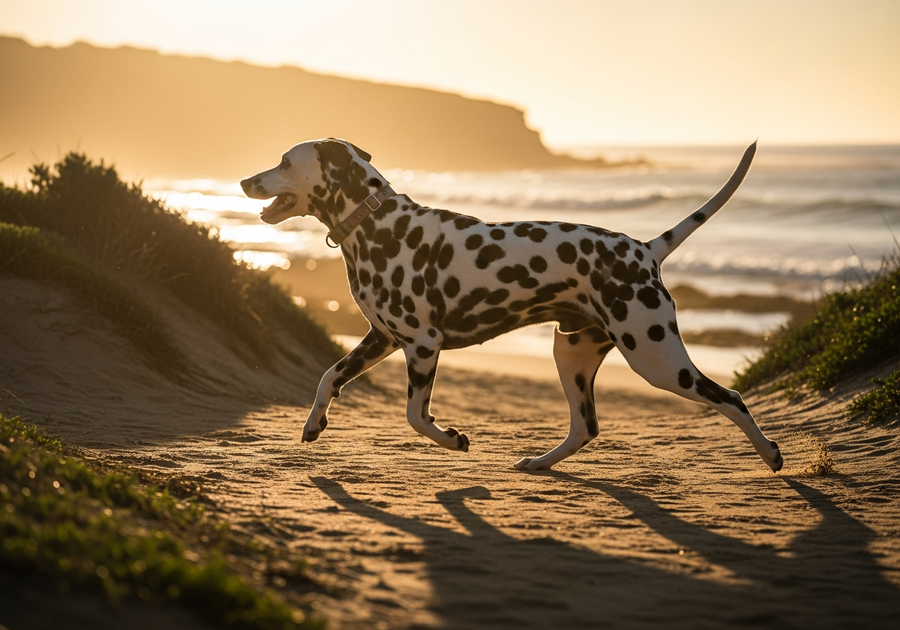
Not every joint supplement formula suits every dog. For Dalmatians specifically, you want ingredients that support cartilage integrity, reduce inflammation, and maintain connective tissue quality without adding purines or unnecessary fillers. Here is what the research supports:
MSM (Methylsulfonylmethane) is an organic sulphur compound that supports connective tissue repair. A 2013 review in the Open Access Journal of Sports Medicine found MSM reduces oxidative stress and may support recovery in connective tissue. For a dog who runs as much as a Dalmatian, this matters.
Collagen peptides are the structural protein in cartilage, tendons, and ligaments. As dogs age, their ability to synthesise collagen naturally declines. Supplemental hydrolysed collagen provides the building blocks for cartilage maintenance. Hero's Joint Daily Chews take a collagen-first approach: the philosophy is to deliver what joint cartilage is actually made of, rather than working through indirect pathways.
Turmeric (curcumin) has solid research backing for its anti-inflammatory effects. A 2017 study in the Journal of Medicinal Food found curcumin comparable to some anti-inflammatory compounds for managing chronic inflammation, without the gastrointestinal side effects. For Dalmatians who may already have sensitive digestive systems, this is a gentler option.
Vitamin C (ascorbic acid) plays a direct role in collagen synthesis. Without adequate vitamin C, the body cannot properly form or maintain collagen structures. While dogs produce some vitamin C endogenously, active dogs under physical stress benefit from supplemental support.
Hero's Joint Daily Chews combine all four of these ingredients in a soft chew format that most Dalmatians treat as a snack. The formula is grain-free and free from animal products, which matters for Dalmatian owners keeping a close eye on overall dietary inputs. The product is vet reviewed and made in Australia, with a lifetime money-back guarantee.
Ingredient Safety for Dalmatians: What You Need to Know
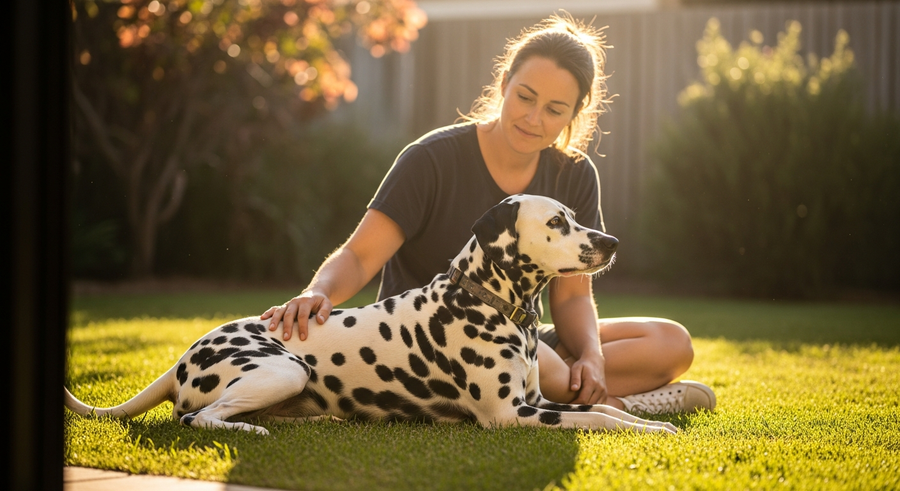
Because Dalmatians have that well-known uric acid metabolism issue, some owners worry about everything that goes into their dog's body. It is a sensible instinct. Here is a quick rundown on the four ingredients in Hero's joint formula relative to Dalmatian-specific concerns:
- MSM: An organic sulphur compound. No purines. Safe for Dalmatians.
- Collagen peptides: Derived from animal connective tissue, not organ meat. No significant purine content. Safe for Dalmatians.
- Turmeric: Plant-based, no purines, well-tolerated. Safe for Dalmatians.
- Vitamin C: Ascorbic acid. No purines. Safe for Dalmatians.
Hero's formula focuses on direct structural support: MSM for connective tissue repair, collagen peptides as the raw material cartilage is built from, turmeric to manage inflammation, and vitamin C to enable proper collagen synthesis. The ingredients work on the structural foundation of joint health rather than through indirect mechanisms.
If your Dalmatian is on any prescription medication or has been diagnosed with kidney issues (Dalmatians are occasionally prone to urate stone formation), always check with your vet before starting any supplement. This applies to any supplement for any dog, but it is worth stating clearly for a breed with known metabolic sensitivities.
When to Start Joint Supplementation
Most owners wait until they see obvious lameness or significant stiffness. By that stage, meaningful joint degradation has already occurred. Cartilage does not regenerate quickly. The goal of supplementation is to slow wear and maintain existing joint tissue, not to repair damage that has already been done.
For Dalmatians, a sensible starting point is age 5 to 6. At that stage, most have not shown visible symptoms yet, but cumulative load from years of high activity is starting to accumulate. Active dogs with hard exercise regimens, or dogs who are carrying a little extra weight, might benefit from starting even earlier around age 3 to 4.
Signs that your Dalmatian may already be experiencing joint discomfort include stiffness after rest (particularly in the morning), reluctance to jump onto furniture they used to access easily, a subtle change in gait on longer walks, or reduced enthusiasm for exercise they previously loved. Any of these warrant a vet conversation. You can also take the Hero Health Assessment to get a personalised supplement recommendation based on your dog's specific age, weight, and lifestyle.
How Daily Supplementation Works in Practice
The key word is daily. Joint supplements do not work like pain relief. You cannot give them as needed and expect results. The collagen peptides, MSM, and turmeric need consistent daily dosing to maintain tissue quality and manage background inflammation. Think of it as maintenance, not medicine.
Hero's Joint Chews are dosed by weight: one chew per day for dogs under 20 kg, two per day for dogs over 20 kg. Most Dalmatians fall in the 23 to 27 kg range, so they're typically on two chews daily. Because the chews are designed to taste like treats, most dogs take them without any fuss.
Dalmatians share a similar athletic build and joint profile with other high-endurance breeds. The approach that works well for dogs like German Shepherds (larger, active, joint-prone) translates directly. The German Shepherd joint supplement guide covers the evidence behind collagen-first formulas in more depth if you want the research detail.
Want to know exactly which supplement is right for your Dalmatian? The Hero Health Assessment takes 2 minutes and builds a personalised recommendation based on your dog's age, weight, and health priorities.
Start the Free AssessmentPractical Habits That Help
Supplements do more when paired with sensible everyday habits. A few things that make a meaningful difference for Dalmatian joint health:
- Maintain lean body weight. This is probably the single most impactful thing you can do. Even 1 to 2 kg of excess weight adds significant joint load in an active medium-large breed. Dalmatians can gain weight if their exercise drops off as they age.
- Mix up exercise surfaces. Dalmatians love to run, but long sessions on hard pavement create more joint impact than grass, sand, or trail surfaces. Varying terrain helps.
- Warm up and cool down. A short walk before intense exercise and a slow walk after helps joints adjust to and recover from load.
- Swimming. Low-impact aerobic exercise is excellent for Dalmatians with early joint concerns. It maintains cardiovascular fitness and muscle mass without the concussive load of running.
- Regular vet checks from age 6. Annual health checks that include joint assessment help catch deterioration early, when management options are broadest.
If you want to compare how Dalmatians stack up against other athletic breeds in terms of joint supplement needs, the greyhound joint supplement guide shares useful context on managing joint health in dogs bred for high-intensity physical output.
The Bottom Line
Dalmatians are active, athletic dogs whose joints absorb a lot of wear over their 11 to 13 year lifespan. Starting a daily joint supplement in the middle years, before visible stiffness appears, gives their cartilage the best chance of staying intact through the active phase of life. A collagen-first formula with MSM, turmeric, and vitamin C suits their needs well and is compatible with their unique metabolic profile.
Every Dalmatian is different. If you want a clear starting point based on your specific dog's age, weight, and lifestyle, the Hero Health Assessment gives you a personalised recommendation in under two minutes.