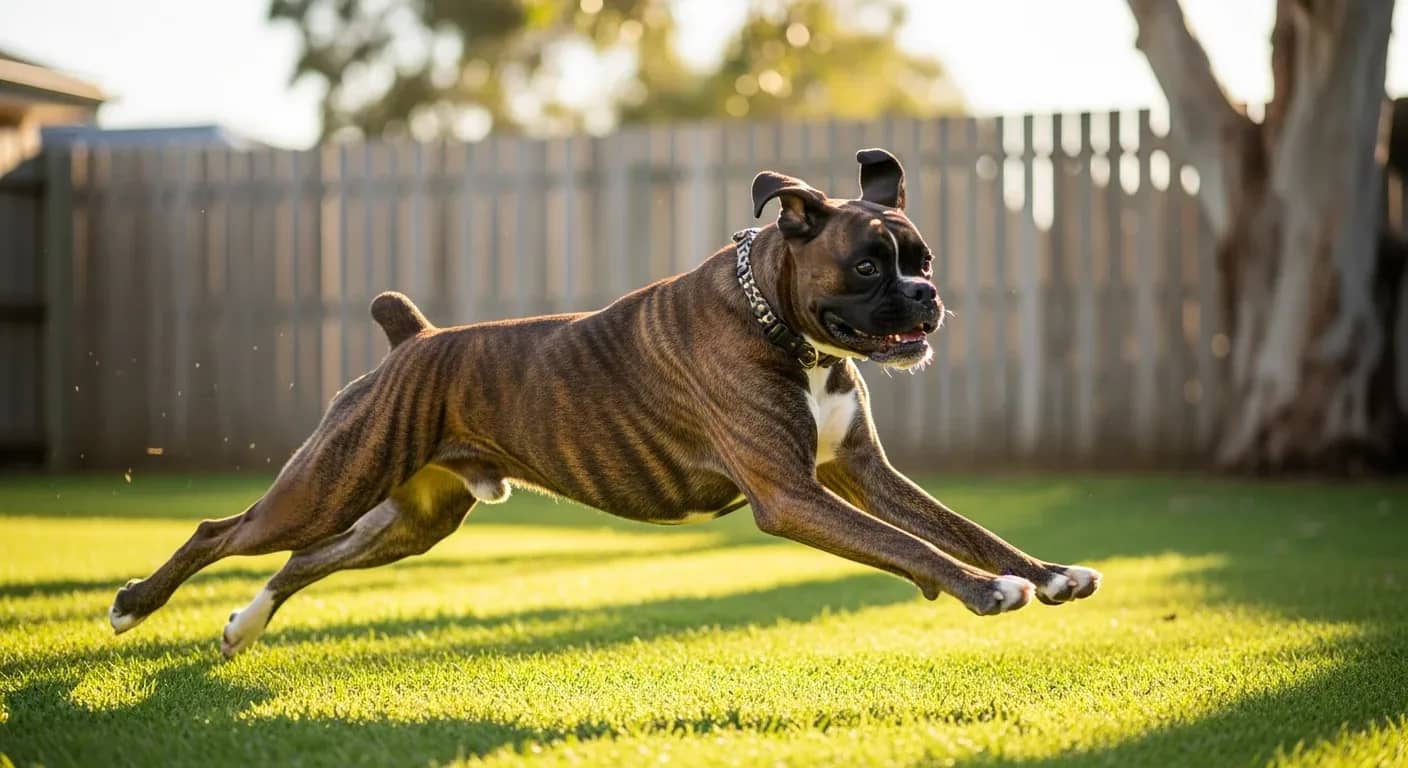

Boxers tend to hit their senior years faster than many owners expect. That goofy, bouncing puppy energy can last well into middle age, which makes the eventual slowdown feel abrupt. If you're wondering how long your Boxer is likely to live, and what you can do to make those years count, this guide covers everything you need to know.
What Is the Average Boxer Lifespan in Australia?
The average Boxer lifespan is 10 to 12 years, with the most commonly cited figure from a large-scale Royal Veterinary College VetCompass study sitting at 10.46 years. Male and female Boxers live almost identically long lives, with males averaging 10.53 years and females 10.41 years according to that same research.
For context, that puts Boxers on the shorter end of the spectrum for medium-to-large breeds. Australian Shepherd owners often see their dogs reach 12 to 15 years, and Border Collies commonly live past 13. Boxers, by comparison, are considered a senior dog around the age of 7 to 8 years old.
Some Boxers do live longer. Owners on Australian forums regularly report their dogs reaching 13 or 14, and there are documented cases of Boxers living to 16. But these are outliers, not the norm, and they tend to share some common traits: lean body weight, regular vet care, and lots of daily movement.
Understanding the most common Boxer health problems is the first step toward helping your dog live to the top of that range rather than the bottom. Conditions like cancer, Boxer cardiomyopathy, and hip dysplasia account for the majority of early deaths in this breed, and knowing the warning signs changes outcomes.
Why Don't Boxers Live as Long as Smaller Dogs?
Body size plays a direct role in longevity across virtually all dog breeds. Larger dogs age faster at a cellular level, with their hearts and organs working harder to sustain greater muscle mass. Boxers sit in the medium-to-large category, typically weighing between 25 and 32 kilograms, which contributes to their shorter average lifespan compared to small breeds like Cavoodles or Beagles.
But size is only part of the story for Boxers. The breed also carries a disproportionately high genetic burden compared to many similarly sized dogs. A 2023 study published in Animals (MDPI) identified that Boxers have notably higher rates of cancer and cardiac disease than the general dog population, both of which are leading causes of early death in this breed.
Their flat-faced (brachycephalic) structure also plays a role. While Boxers are not as severely affected as Pugs or French Bulldogs, their shortened muzzles can create breathing difficulties that place additional strain on the cardiovascular system during exercise or hot weather, which is a real consideration for Australian owners during summer.

The Three Biggest Health Risks That Shorten Boxer Lives
Three conditions account for the majority of premature deaths in Boxers. Knowing what they are and how to spot them early is one of the most practical things you can do as an owner.
Cancer
Cancer is the leading cause of death in Boxers. Research published in Canine Sarcomas as a Surrogate for the Human Disease (PMC, NIH) found that 44% of Boxers died from cancer, placing the breed among the highest-risk groups alongside Golden Retrievers and Bernese Mountain Dogs. The RVC VetCompass study found that 14.2% of Boxers were diagnosed with neoplasia during their lifetime, significantly higher than German Shepherd Dogs (4.82%) and Greyhounds (5.5%).
Mast cell tumours are the most common form. They often appear as lumps on or under the skin and can range from low-grade and manageable to highly aggressive. Osteosarcoma (bone cancer) and lymphoma are also seen more frequently in Boxers than in most other breeds. Most Boxers diagnosed with cancer are between 8 and 11 years old, though some cases occur as young as 5.
Monthly skin checks at home, combined with annual vet examinations from age 5 onward, give the best chance of catching tumours early when treatment options are broader.
Heart Disease (Boxer Cardiomyopathy)
Boxers are uniquely prone to a cardiac condition called Arrhythmogenic Right Ventricular Cardiomyopathy (ARVC), sometimes referred to simply as Boxer cardiomyopathy. This hereditary condition causes abnormal heart rhythms that can lead to fainting, exercise intolerance, and in some cases, sudden cardiac death, even in dogs that appear outwardly healthy.
Dilated cardiomyopathy (DCM) is also seen in Boxers, particularly as they age. According to VCA Animal Hospitals, dilated cardiomyopathy is one of the most common causes of heart failure in large dog breeds, with Boxers among the highest-risk groups.
Dogs with ARVC may show no symptoms for years. This is why annual cardiac checks from a vet, particularly once your Boxer turns 5, are considered essential care for this breed rather than optional.
Hip Dysplasia and Joint Problems
Hip dysplasia is another inherited condition that affects Boxers at higher rates than the general dog population. The hip joint develops abnormally, causing painful rubbing of the joint surfaces and progressive mobility decline. For most affected Boxers, symptoms become noticeable between 1 and 2 years of age, though arthritis secondary to the dysplasia often worsens significantly in the senior years.
Responsible Australian breeders screen their breeding stock for hip dysplasia, so buying from a registered breeder who provides health certificates is one layer of protection. If your Boxer is already showing stiffness or reluctance to climb stairs, our guide on preventing and managing hip dysplasia in Boxers covers what to discuss with your vet.
At What Age Is a Boxer Considered a Senior?
Most vets classify Boxers as seniors from around 7 years old. This is earlier than many owners expect, especially because Boxers retain their playful, puppy-like behaviour well into middle age. A 6-year-old Boxer bounding around the backyard does not look or act like a dog approaching the end of their life, but physiologically, they are already in the second half.
From age 7, you will typically start to see gradual changes: a slight reduction in stamina, a little more time sleeping, and some greying around the muzzle. This is the stage where regular vet check-ups move from annual to biannual, and where watching for the early signs of cancer, cardiac changes, or joint stiffness becomes particularly important.
The transition to senior dog food is also worth discussing with your vet at this stage. Senior formulas typically have adjusted protein and fat profiles to account for slower metabolism, and some include joint-support ingredients like collagen and MSM.
What Can You Do to Help Your Boxer Live Longer?
There is no way to guarantee a Boxer lives to 14, but there are well-evidenced ways to improve the odds of reaching the top of the 10 to 12 year range, and some owners report well beyond that with consistent care.
Keep Weight in the Healthy Range
Obesity is one of the most significant reducible risk factors for shortened dog lifespans across all breeds. For Boxers specifically, excess weight increases strain on the heart, worsens hip and joint problems, and is associated with higher cancer risk. A healthy adult Boxer should have a visible waist when viewed from above, and you should be able to feel the ribs without pressing hard.
Adult males typically weigh 27 to 32 kilograms; females 25 to 28 kilograms. If your Boxer is above these ranges, speak with your vet about a structured weight loss plan rather than simply reducing food portions, as nutritional needs must still be met.
Daily Exercise That Matches Their Age
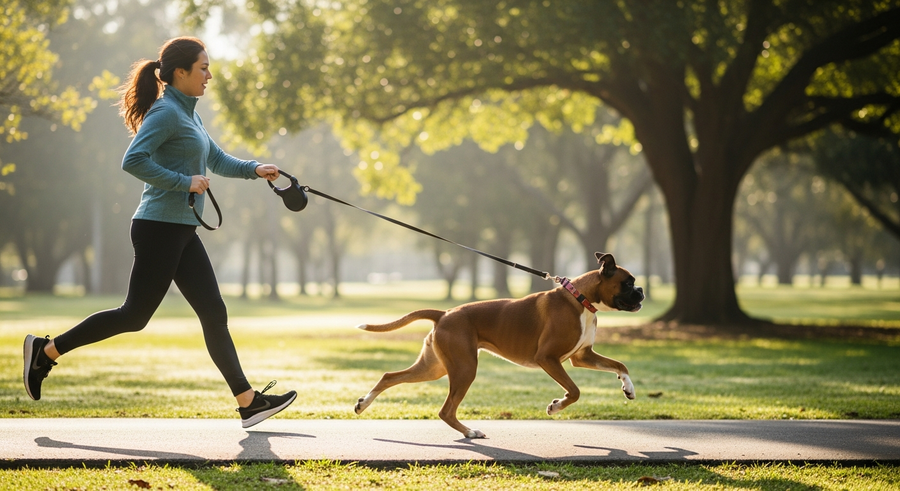
Boxers need substantial daily exercise, around 60 to 90 minutes for adults, ideally split into two sessions. Regular movement maintains cardiovascular fitness, keeps weight in check, supports joint health, and reduces the risk of anxiety-related behaviours that can compound health stress.
For senior Boxers (7+ years), the same principle applies but the intensity should be adjusted. Shorter, more frequent walks are kinder on ageing joints than one long run. Swimming is particularly good for older Boxers with hip dysplasia, as it provides cardiovascular and muscular exercise without impact on joints.
In the Australian summer, be mindful of Boxers' brachycephalic structure. Early morning or evening walks, avoiding peak heat between 11am and 3pm, can prevent heat stress that puts unnecessary strain on their hearts and respiratory systems.
Regular Vet Check-ups and Screening
Annual vet visits are the minimum for adult Boxers. From age 5, most vets will recommend adding a cardiac auscultation to the standard physical exam to check for early signs of ARVC or DCM. From age 7, biannual visits allow faster detection of age-related changes.
Bloodwork is valuable too. A basic panel from around age 5 establishes baseline values for kidney, liver, and thyroid function, which makes later deviations much easier to identify as significant.
Ask your vet about the AussieNormal Boxer health initiative, a program led by Australian breed groups and vets to track and screen for hereditary conditions in the Australian Boxer population.
Gut Health and Nutrition
A balanced, high-quality diet is foundational, but gut health is often overlooked in Boxers specifically. The breed is prone to histiocytic ulcerative colitis (also called Boxer colitis), a condition causing chronic bloody diarrhoea that is almost unique to this breed. It is associated with abnormal gut bacteria colonisation and can significantly impact quality of life if not managed well.
Maintaining a healthy gut microbiome through a consistent, species-appropriate diet and limiting unnecessary antibiotics where possible supports digestive resilience. Our guide on gut support for Boxers covers the specifics of managing digestive health in this breed.
Joint and Mobility Support
Given Boxers' susceptibility to hip dysplasia and the arthritis that often follows, proactive joint support from middle age makes a meaningful difference. A collagen supplement can support cartilage integrity, while anti-inflammatory ingredients like turmeric and MSM are commonly used to support comfortable movement in dogs showing early stiffness. If you are exploring MSM for dogs, the evidence base is growing for its role in reducing joint discomfort in ageing dogs.
How Long Do Boxer Dogs Live Compared to Similar Breeds?
To put Boxer longevity in context, here is how average lifespans compare across some popular medium-to-large breeds:
Breed Average Lifespan Boxer 10 to 12 years Labrador Retriever 11 to 13 years Golden Retriever 10 to 12 years German Shepherd 9 to 13 years Staffordshire Bull Terrier 12 to 14 years Border Collie 13 to 16 years Great Dane 7 to 10 yearsBoxers fall in the middle of this range. The key difference is the cancer and cardiac risk, which means that even a relatively healthy Boxer is statistically more likely to be affected by a serious illness between ages 8 and 11 than most of the breeds listed above.
Signs Your Boxer Is Entering Their Senior Years
Knowing what normal ageing looks like helps you tell the difference between expected changes and early warning signs worth raising with your vet.
Normal ageing signs in Boxers aged 7 to 10:
- Greying around the muzzle, eyebrows, and paws
- Slightly reduced stamina on walks
- More time sleeping or resting
- Slower to get up after lying down
- Occasional stiffness after exercise, which improves once warmed up
- Minor hearing or vision changes
Signs worth a vet visit:
- Any new lump or bump, regardless of size
- Unexplained weight loss or gain
- Exercise intolerance or sudden collapse
- Coughing, especially after exertion
- Bloody or mucus-heavy stools lasting more than 2 days
- Persistent limping or difficulty rising
- Increased drinking or urination
Boxers are stoic dogs. They often mask discomfort well, which means changes in their activity level or willingness to exercise are worth taking seriously rather than attributing to "just getting old."
The Bottom Line
The average Boxer lifespan in Australia is 10 to 12 years, with the RVC placing the median at 10.46 years. That is shorter than many owners hope for, but with proactive management, many Boxers reach the upper end of that range and some go well beyond it.
The biggest levers are weight management, regular cardiac and cancer screening from age 5, and daily exercise appropriate to their age. These are not complex interventions, but they make a measurable difference in how long, and how well, your Boxer lives.
For a full picture of what to watch for, Hero Pet Health covers breed-specific health guides and vet-reviewed supplementation advice to help you support your dog at every life stage.
Not sure where your Boxer's health stands right now? The Hero Health Assessment takes 2 minutes and gives you a personalised plan based on your dog's age, weight, and specific breed health risks.
Start the Free Assessment