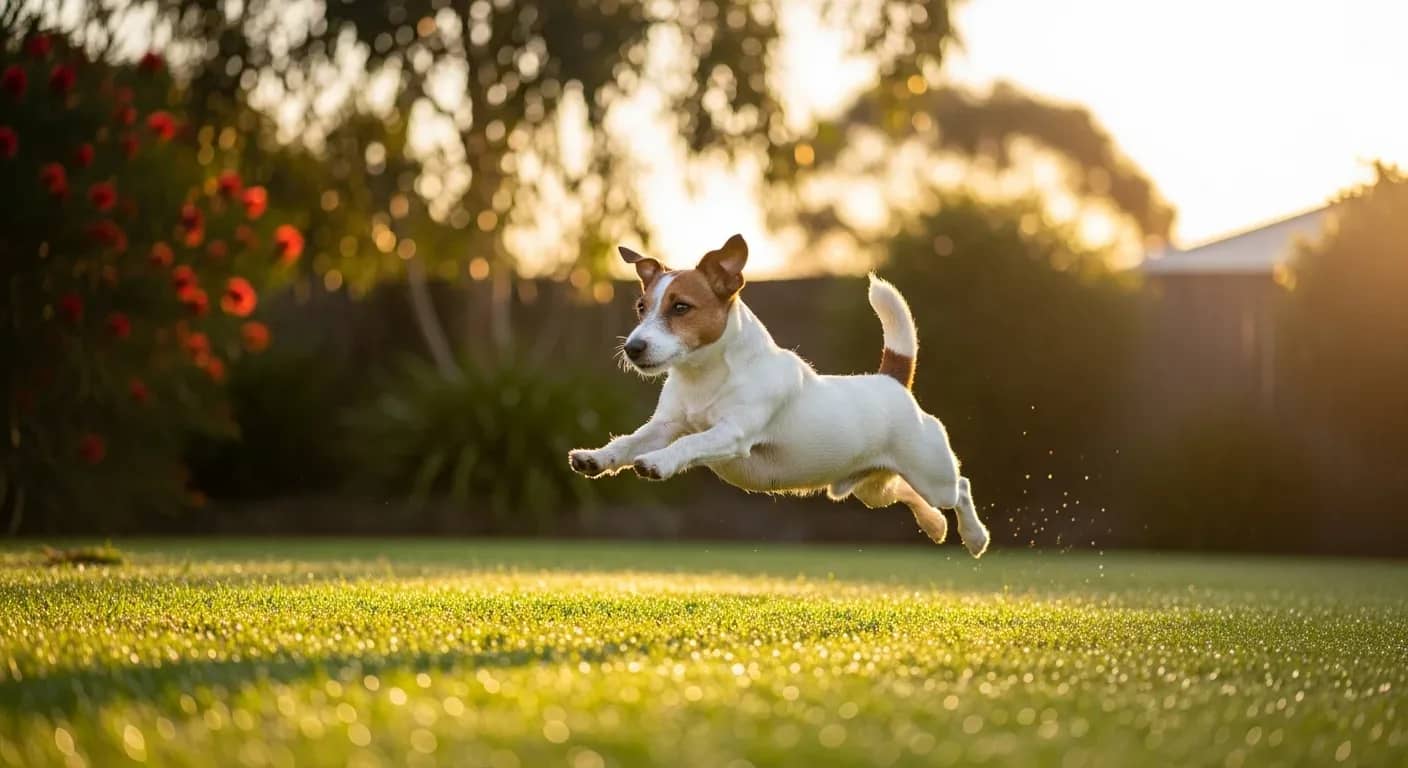

You know that moment when your Jack Russell comes bounding back from the garden, trips on the back step, and holds one leg up for a second before shaking it off and carrying on? Most JRT owners brush it off. These dogs are tough little characters, and they rarely complain.
But Jack Russell Terriers are genetically predisposed to a handful of health conditions that can creep up quietly, especially in middle age. Catching them early makes a real difference, both for your dog's comfort and your vet bill.
This guide covers the most common Jack Russell Terrier health problems Australian owners need to know, what the early signs look like, and what you can do about them. We've also included information on how to support your JRT's health through daily routines, because prevention beats treatment every time.
Jack Russells are one of Australia's long-standing favourite small breeds: spirited, clever, and built for action. They typically live 13 to 16 years, which means more years to enjoy together, and more years where proactive health care pays off. If you're curious about how long Jack Russell Terriers live and what factors influence their lifespan, that's worth reading alongside this guide.
Patellar Luxation: The Wobbly Knee Problem
Patellar luxation is one of the most common orthopaedic conditions in small breeds, and Jack Russells are firmly on that list. The patella (kneecap) sits in a groove on the femur. In dogs with this condition, the kneecap slides out of that groove when the leg bends. You might see your dog skip a step mid-run, hold a back leg up briefly, or occasionally kick their back leg out to the side to pop it back into place.
It's graded 1 to 4 based on severity. Grade 1 means the patella pops out occasionally but moves back on its own. Grade 4 means it's permanently out of position and the dog may struggle to walk normally. Most JRTs with patellar luxation sit at grade 1 or 2, where careful management can make a real difference.
Early signs to watch for include: intermittent three-legged walking, a "skipping" gait, reluctance to jump onto furniture they usually leap onto, and stiffness after rest. These signs often appear from around 2 to 5 years of age.
Management depends on severity. Mild cases respond well to keeping your dog at a healthy weight, avoiding high-impact repetitive jumping, and supporting joint health with daily supplementation. More severe cases may need surgical correction. Your vet can grade the luxation with a simple physical examination.
If your dog is showing stiffness or reluctance to move normally, it's worth reading about the early signs your dog needs joint support so you know when to act.

Primary Lens Luxation: The Eye Emergency Every JRT Owner Should Know
Primary Lens Luxation (PLL) is a hereditary condition found in several terrier breeds, and Jack Russells are among the most affected. The lens of the eye is normally held in place by tiny fibres called zonules. In dogs with PLL, those fibres break down, causing the lens to shift out of position. This can happen partially (subluxation) or completely (luxation).
When the lens falls forward, it can block fluid drainage inside the eye, rapidly causing glaucoma, an acutely painful condition that can lead to blindness within hours if untreated. PLL typically shows up between the ages of 3 and 8 years.
Watch for these warning signs: sudden intense redness in one or both eyes, squinting, pawing at the eye, cloudiness in the eye, or a bluish tinge to the lens. Many owners initially mistake this for conjunctivitis. It is not. A dog with sudden severe eye redness needs to be seen by a vet the same day.
The good news is that genetic testing for PLL is available. Responsible breeders test their dogs, and knowing your dog's status helps you plan monitoring. The Jack Russell Terrier Club of America maintains a detailed record of hereditary disorders affecting the breed. If your JRT comes from untested lines, ask your vet about incorporating regular eye checks into their annual health routine.
Surgeons can sometimes remove the displaced lens to control pain and preserve some vision. The fellow eye is also treated preventatively in many cases, since PLL usually affects both eyes over time.
Legg-Calve-Perthes Disease: A Cause of Hip Pain in Young JRTs
Legg-Calve-Perthes (LCP) disease affects the hip joint and is almost exclusively a small breed problem. In young dogs, usually between 5 and 12 months of age, the head of the femur (the ball part of the hip joint) loses its blood supply. The bone tissue begins to die and degrade. The result is pain, inflammation, and a progressive deterioration of the hip joint.
It typically appears in one hip, though both can be affected. You'll notice your puppy or young JRT becoming reluctant to bear weight on one rear leg, showing muscle wasting in the affected hindquarter compared to the other side, or crying out when the hip is touched. The onset can look a lot like a sprain, so some cases are initially missed.
Diagnosis requires x-rays. Treatment almost always involves surgical removal of the damaged femoral head (femoral head ostectomy), which allows the body to form a functional "false joint" from surrounding soft tissue. The prognosis after surgery is generally good, particularly for small breeds like the Jack Russell, who carry less weight across the joint.
Post-surgery recovery requires careful rehabilitation, including gentle controlled exercise and physiotherapy. Supporting your dog's recovery with joint supplements and gut health support (to help with nutrient absorption during healing) can be worthwhile. If your vet recommends antibiotics during recovery, it's helpful to know about using probiotics for dogs after antibiotics to help restore gut balance.
Glaucoma and Cataracts: Two More Eye Conditions to Watch
Beyond PLL, Jack Russells can develop glaucoma as a primary condition (not triggered by lens luxation) and cataracts as they age. Both affect vision and can cause significant discomfort if not caught early.
Glaucoma
Glaucoma is increased pressure inside the eye. The eye produces fluid constantly, and if the drainage angle is blocked or malfunctions, pressure builds and damages the optic nerve. Signs include: eye pain (your dog may rub or paw at the eye), visible redness, cloudiness or a bluish discoloration, a visibly enlarged eyeball, or a sudden change in behaviour that suggests the dog is in pain.
Primary glaucoma in Jack Russells can appear at any age but is more common from middle age onwards. It requires lifelong management with eye drops and in some cases surgery. Left untreated, it causes permanent blindness.
Cataracts
Cataracts cause cloudiness in the lens of the eye, reducing vision progressively. In Jack Russells, cataracts can be hereditary, age-related, or secondary to conditions like diabetes. A cloudy or bluish-white appearance to the pupil is the most visible sign. Not all cataracts progress to full blindness, but they should be monitored by your vet.
Annual eye examinations are a practical part of senior JRT care. Catching either condition early gives you more treatment options.
Deafness: More Common in White-Coated JRTs
Jack Russell Terriers can be born deaf or develop deafness, and the risk is higher in dogs with predominantly white coats, blue eyes, or both. The connection is genetic: the same gene variants linked to white pigmentation also affect the cells responsible for hearing in the inner ear.
Deafness is not unique to Jack Russells, but the white-coat genetic link makes it more prominent in this breed compared to many others. If you want to understand how genetic health testing fits into buying a puppy of any breed, our guide on common Staffordshire Bull Terrier health problems covers a similar approach to hereditary conditions in another high-energy working-terrier type breed.
Congenital deafness is present from birth and is permanent. Unilateral (one-sided) deafness is harder to detect than bilateral (both ears), because a dog with one functional ear often compensates well. You might only notice it when they fail to localise the direction of a sound or when they're startled by someone approaching from their deaf side.
A BAER test (Brainstem Auditory Evoked Response) is the gold standard for diagnosing deafness in dogs. Responsible breeders test puppies before sale. If you have a mostly white JRT or are concerned about their hearing, ask your vet about BAER testing.
Deaf dogs can live full and happy lives. They adapt well to hand signals and visual cues, and many deaf JRTs thrive with consistent, patient training.
Dental Disease: The Silent One
Dental disease is the most common health problem seen in dogs across all breeds, but small dogs like Jack Russells are particularly at risk. PetMD's breed overview lists dental disease among the top age-related concerns for this breed. According to PetMD's breed guide for the Jack Russell Terrier, dental disease is one of the most significant age-related conditions in the breed, often developing by middle age without regular preventive care. Their smaller mouths mean teeth are often more crowded, which creates more surfaces for plaque to accumulate. By age 3, the majority of dogs already have some degree of dental disease, often without any obvious symptoms until it's well progressed.
Left unchecked, tartar buildup leads to gingivitis (gum inflammation), then periodontitis (deeper infection affecting bone), and eventually tooth loss. But the impact goes beyond the mouth. Chronic oral bacteria can enter the bloodstream and contribute to kidney and heart problems over time.
What to look for: bad breath that's genuinely bad (not just "dog breath"), yellow or brown buildup at the gumline, red or inflamed gums, pawing at the mouth, reluctance to eat hard food, or dropping food from one side of the mouth.
Daily tooth brushing is the most effective preventive measure. Use a soft dog toothbrush and dog-specific toothpaste (never human toothpaste, which contains xylitol). Dental chews and water additives offer some benefit, though they don't replace brushing. Annual professional dental cleans under anaesthetic are recommended for most small breed dogs once plaque has already established.
Skin Allergies and Sensitivities
Some Jack Russells develop atopic dermatitis (environmental allergies) or food sensitivities that show up as skin issues. You might notice your dog scratching persistently, chewing at their paws, developing recurring ear infections, or showing patchy red skin around the face, belly, or groin.
In Australia, common environmental triggers include grass pollens, dust mites, and moulds. Food sensitivities, when they occur, are often linked to protein sources like chicken or beef. Distinguishing between the two usually requires an elimination diet trial under vet guidance.
A healthy gut can support skin health. The gut microbiome influences the immune response, and an imbalanced gut flora can amplify inflammatory reactions. If your JRT has recurring skin issues alongside any digestive irregularity, it may be worth reading about signs your dog needs a probiotic and discussing gut support with your vet.
Management of atopic dermatitis often involves identifying triggers where possible, using hypoallergenic shampoos, and in some cases prescription medications. A grain-free, hypoallergenic diet can also be worth exploring with your vet if food sensitivity is suspected.
Supporting Your Jack Russell's Health Day to Day
Most of the conditions above don't announce themselves until they've been developing quietly for a while. That's why proactive daily care matters more than reactive treatment.
Weight Management
Jack Russells are small dogs with big appetites and strong personalities at mealtimes. Keeping them at a lean, healthy weight significantly reduces pressure on their joints, which matters especially for dogs managing patellar luxation. Your vet can tell you your dog's ideal weight range and help you get there if needed.
Exercise That Doesn't Punish the Joints
JRTs need at least an hour of exercise a day. That's non-negotiable for their mental and physical wellbeing. But high-impact repetitive jumping (like constantly launching off high furniture) adds stress to the knees over time. Provide ramps or steps to help your dog reach the couch or bed without the big jump. Swimming and leash walking are joint-friendly exercise options that still give them the physical outlet they need.
Joint Health Support
For active small breeds like the Jack Russell, supporting joint health from middle age (around 5 to 6 years) is sensible even before obvious symptoms appear. You can learn more about what to look for and when to act in our guide to dog joint health signs, causes and daily support options.
When looking for a joint supplement, look for one with ingredients that support cartilage structure and reduce inflammation. Hero's Joint Daily Chews are Australian-made and vet-reviewed, with a formula built around MSM, Collagen Peptides, Turmeric, and Ascorbic Acid (Vitamin C). They take a different approach to many conventional supplements, using collagen as the primary structural ingredient rather than glucosamine or chondroitin.
Gut Health and Digestion
A healthy gut supports your JRT's immune function, nutrient absorption, and skin health. For dogs on any kind of long-term medication or those who've had a course of antibiotics, gut support becomes even more relevant. You can find out more about how dog gut health works and what daily support looks like in our condition guide.
Regular Vet Checks
Annual health checks are the minimum for adult JRTs. From around age 5, twice-yearly visits give your vet more opportunities to catch the slow-developing conditions, eye changes, joint stiffness, dental disease, early weight gain, that respond best to early intervention.
If your dog's parents were tested for PLL, ask for documentation. If they weren't, talk to your vet about what monitoring makes sense for your dog's situation.
The Bottom Line
Jack Russell Terriers are hardy little dogs, but hardy doesn't mean invincible. Patellar luxation, primary lens luxation, Legg-Calve-Perthes disease, glaucoma, deafness, dental disease, and skin allergies are all conditions JRTs are genuinely predisposed to. Knowing what to watch for puts you ahead of most.
The JRT owners who catch problems early are usually the ones who've been paying attention all along: watching how their dog moves, checking their eyes regularly, brushing their teeth, keeping up with vet appointments. It's not complicated. It's just consistent.
Every JRT is a bit different. If you want a personalised picture of what your dog specifically needs, the Hero Health Assessment takes about two minutes and gives you a tailored recommendation based on your dog's age, weight, and breed.