
Most dog owners don't think about their dog's gut until something goes wrong. A bout of diarrhoea, some serious gas, a coat that's lost its shine. Then comes the question: is this just a bad week, or is something actually off?
The gut holds roughly 70% of a dog's immune system. When the microbial balance gets thrown off by stress, antibiotics, a food change, illness, or just the chaos of daily life, the signs show up across the whole body. Not just in the digestive system.
If you've been wondering whether a probiotic might help your dog, the following signs are worth paying attention to. Not every dog will show all of them, but two or three together is usually a pattern worth addressing.
Why the gut matters more than most people realise
A dog's gut microbiome is a community of billions of microorganisms (bacteria, yeast, and other organisms) that help break down food, produce nutrients, regulate the immune response, and even influence mood and behaviour. Dog gut health is far more connected to whole-body wellbeing than people typically expect.
When that community is balanced, dogs absorb nutrients efficiently, fight off pathogens effectively, and generally feel good. When it's disrupted, the ripple effects can show up anywhere: skin, coat, energy, digestion, and immunity.
Probiotics work by introducing beneficial microorganisms that help restore or maintain that balance. The type of probiotic matters here too, which we'll cover shortly.
7 signs your dog's gut might need support
1. Recurring loose stools or diarrhoea
Occasional soft stools after a new food or a stressful event are normal. Recurring diarrhoea or consistently loose stools is a different story. It usually signals that something in the gut environment is off: either microbial imbalance, poor absorption, or both.
If your dog's digestive upset keeps coming back without a clear cause, a probiotic is one of the first things worth trying. A 2018 double-blind, placebo-controlled study published in Veterinary Record found that dogs with chronic digestive issues showed better clinical outcomes when treated with Saccharomyces boulardii alongside standard therapy, compared to standard therapy alone.
If the diarrhoea is severe, bloody, or accompanied by vomiting, see your vet first. Probiotics are supportive. They're not a replacement for a proper diagnosis.
2. Excessive gas and bloating
Some gas is completely normal. A dog that clears the room on a regular basis, or whose stomach makes audible gurgling sounds after meals, is telling you something. Excessive fermentation in the gut often points to undigested food or an imbalance in the microbiome that allows gas-producing organisms to dominate.
Probiotics can help restore the microbial balance that keeps fermentation in check. If you notice your dog is particularly gassy after certain foods, that's useful information for your vet too.
3. Itchy skin or recurring skin irritation
This one surprises most people. Skin issues and gut health are tightly connected through what researchers call the gut-skin axis. When gut barrier integrity is compromised, inflammatory compounds can enter the bloodstream and trigger immune responses that show up on the skin.
Research on atopic dermatitis in dogs has found that affected dogs tend to have less gut microbiome diversity than healthy dogs. Addressing gut balance doesn't replace veterinary treatment for skin conditions, but it can be part of a comprehensive approach, especially if your dog has tried other interventions without lasting improvement.
4. Dull coat and poor nutrient absorption
A dog's coat condition is a reliable reflection of what's happening internally. If your dog eats well but their coat looks dull, dry, or lacks shine, the problem may not be the food. It may be how effectively they're absorbing what's in it.
The gut is responsible for breaking down and absorbing nutrients. When the microbial balance is off, that process becomes less efficient. Dogs can eat a good diet and still be nutritionally shortchanged if their gut isn't working well.
5. Your dog recently finished a course of antibiotics
This is probably the clearest signal of all. Antibiotics are designed to kill bacteria, and they don't distinguish between harmful pathogens and the beneficial bacteria that keep your dog's gut healthy. A course of antibiotics can significantly disrupt the gut microbiome, sometimes for weeks after treatment ends.
Most vets recommend supporting the gut during and after antibiotic treatment. The key is choosing the right probiotic. Standard bacterial probiotics can be killed by antibiotics before they have a chance to help. Probiotics for dogs after antibiotics work best when they use a yeast-based option like Saccharomyces boulardii, which is naturally antibiotic-safe because antibiotics target bacteria, not yeast.
6. Bad breath that isn't from the teeth
Dental issues are the most common cause of bad breath in dogs, so rule those out first. But if your dog's teeth and gums are fine and the smell persists, it can point to digestive issues further down the tract.
An imbalanced gut microbiome can produce compounds that make their way back through the digestive system. Some dog owners report that consistent probiotic use made a noticeable difference to their dog's breath after dental causes were ruled out.
7. Low energy, frequent illness, or slow recovery
The gut is central to immune function. A dog whose immune system isn't getting adequate support from the gut microbiome may get sick more often, take longer to recover, or just seem low on energy without any obvious reason.
This is one of the harder signs to attribute specifically to gut health, because low energy can mean many things. But if your dog has had a clean bill of health from your vet and still seems flat, looking at gut support is a reasonable next step.
When these signs tend to cluster
Gut imbalance rarely shows up as one isolated sign. More often, you'll notice a few happening at the same time: some gas, a slightly dull coat, and a few episodes of loose stools over a month. That pattern matters.
It's also worth noting when the symptoms started. Diet changes, moving house, boarding, a new pet, illness, or a course of antibiotics are all common triggers. If you can connect the onset of symptoms to one of those events, gut support is likely to help.
For puppies, the gut microbiome is still developing, which makes them particularly sensitive. Our guide to probiotics for puppies covers what's different about supporting a young dog's gut.
Senior dogs often show these signs more frequently too, because the gut microbiome naturally changes with age. Probiotics for senior dogs explains how to adjust support as your dog gets older.
What makes a probiotic worth using
Not all probiotics work the same way. Most products on the market use bacterial strains. They have their place, but come with one significant limitation: they can be killed by antibiotics before they have a chance to help, and many are vulnerable to stomach acid before reaching the lower gut.
Saccharomyces boulardii is a yeast, not a bacterium. That single difference matters for several reasons. It survives stomach acid more reliably, it works alongside antibiotic treatment without being destroyed, and it has a solid body of veterinary research behind it. If you're looking at the best dog probiotics in Australia, understanding this distinction will help you make a more informed choice.
Beyond the active organism, look for a product that also includes prebiotics (to feed the good bacteria already present), digestive enzymes (to support absorption), and is grain-free if your dog has any food sensitivities.
How to start your dog on a probiotic
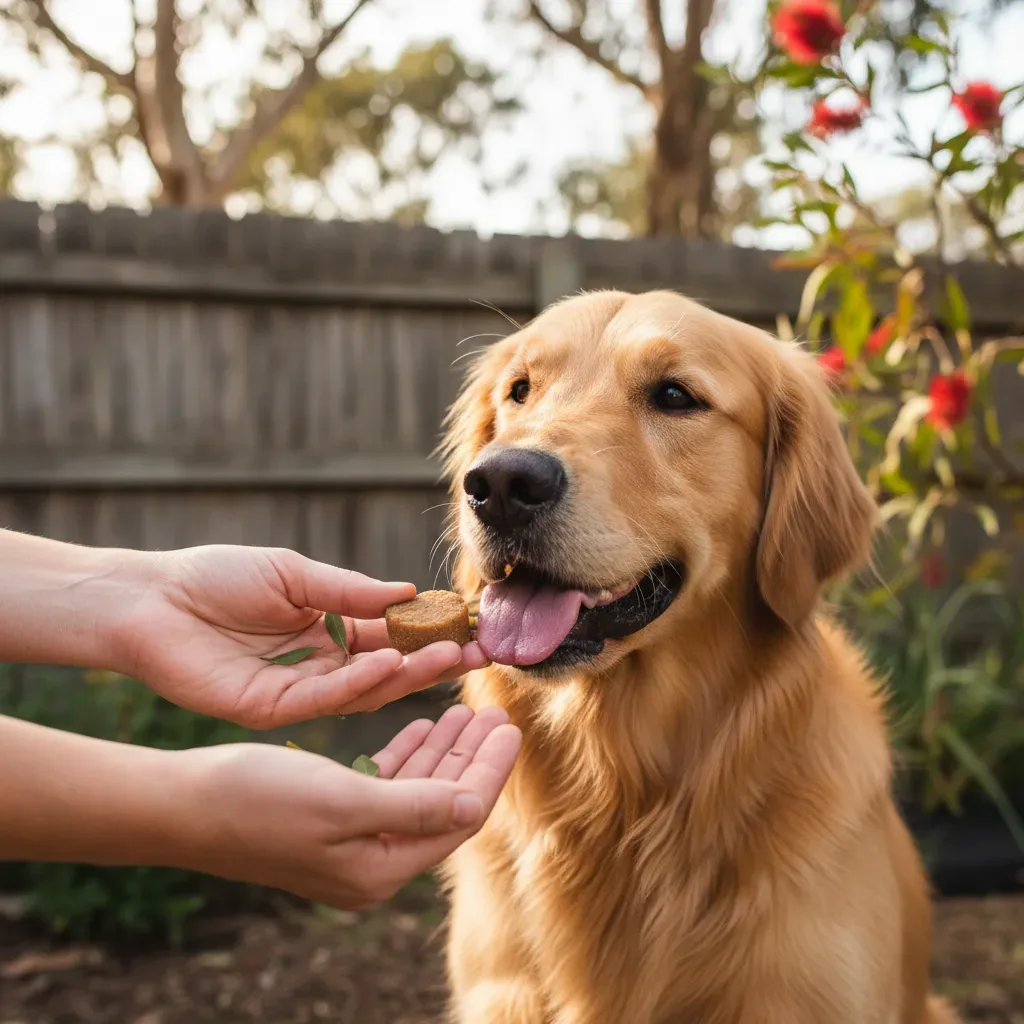
Start slow. Introducing any new supplement too quickly can cause a temporary increase in the very symptoms you're trying to address: gas, loose stools, or stomach gurgling. A few days at a lower amount, then building up, gives the gut time to adjust.
Consistency matters more than timing. A daily routine works better than occasional use for anything gut-related. Most dogs show improvement within two to three weeks of consistent daily supplementation, though it depends on how disrupted the gut was to begin with.
If you want to support your dog's digestive health with a yeast-based probiotic formulated for Australian dogs, Hero's Probiotic Daily Chews contain 10 billion CFU of Saccharomyces boulardii per chew, along with prebiotics, digestive enzymes, and green banana powder. They're grain-free, vet reviewed, and made in Australia. Backed by a lifetime money-back guarantee if your dog doesn't respond.
If you're not sure whether a probiotic is right for your dog's specific situation, your vet is always the best starting point.
Dogs that may benefit most
Some dogs are more likely to benefit from ongoing probiotic support than others. Dogs that have been on antibiotics multiple times, dogs with recurring digestive issues, dogs that travel frequently, dogs that board often, and dogs with sensitive stomachs tend to respond particularly well.
That said, gut support isn't only for dogs with obvious problems. Plenty of dog owners use probiotics as part of a general daily routine, the same way many of us take them ourselves. The gut benefits from consistent support, especially when life gets unpredictable.