

Maltese dogs pack a remarkable amount of personality into a very small frame. These bright-eyed, silky-coated companions are among Australia's most popular toy breeds, and for good reason. They are affectionate, adaptable, and surprisingly long-lived. But like every breed, Maltese dogs carry a set of inherited health tendencies that every owner should understand well before problems emerge.
This guide covers the most common Maltese health problems in Australia, the warning signs to watch for, and the practical steps you can take to keep your dog feeling their best for years to come.
Dental Disease
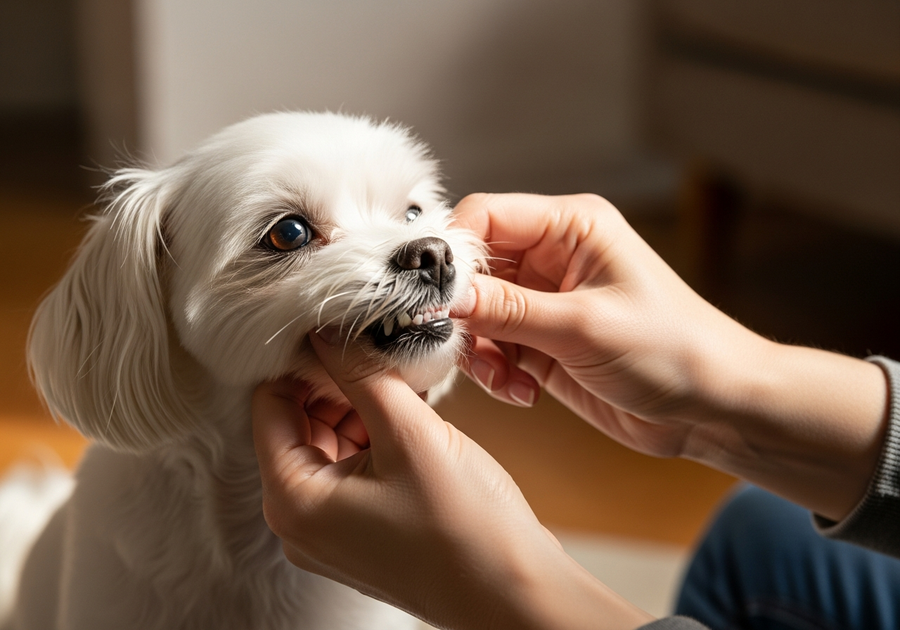
Dental disease is the single most widespread health issue in Maltese dogs, and it starts earlier than most owners expect. The American Veterinary Dental Society notes that approximately 80% of dogs develop some degree of dental disease by the age of three. For Maltese, the risk is higher because their small mouths are overcrowded with a full set of adult teeth, creating tight spaces where plaque and tartar accumulate rapidly.
Signs that your Maltese may have dental disease include:
- Persistent bad breath that does not improve with diet changes
- Yellow or brown buildup on teeth, especially near the gumline
- Red, swollen, or bleeding gums
- Dropping food or reluctance to chew hard items
- Pawing at the mouth or face
Left untreated, periodontal disease does far more than cause bad breath. Bacteria from infected gums can enter the bloodstream and contribute to heart, liver, and kidney damage over time. Daily tooth brushing using a dog-safe toothpaste is the most effective preventive measure available. If your dog resists brushing, dental chews, water additives, and finger brushes can help. Professional cleaning under anaesthesia, performed by a veterinarian every one to two years depending on tartar buildup, is often necessary to remove calculus that brushing alone cannot address.
Luxating Patella
A luxating patella is a kneecap that periodically slips out of its normal groove. It is one of the most common orthopaedic conditions in toy breeds, and Maltese have a documented genetic predisposition. According to VCA Animal Hospitals, toy breeds including Maltese, Chihuahuas, French Poodles, and Bichon Frise are among those most frequently affected.
Severity ranges from grade 1 (occasional, self-correcting slippage) to grade 4 (permanent dislocation). You may notice your Maltese occasionally skipping on three legs mid-walk, then spontaneously returning to normal. This is the classic presentation. With higher-grade luxation, limping becomes more consistent.
Mild cases are managed conservatively with weight control, moderate low-impact exercise, and monitoring. Severe cases may require surgical correction to realign the groove and tighten the surrounding structures. If you notice any skipping or intermittent lameness in your Maltese, have a vet assess the stifle joint early. Catching it at grade 1 or 2 gives far more management options than waiting until grade 3 or 4.
Understanding your Maltese's overall physical health is part of managing joint conditions well. Our guide to Maltese lifespan and the factors that influence it covers how weight, exercise, and preventive care all connect to how long and how comfortably your dog lives.
Hypoglycaemia (Low Blood Sugar)
Hypoglycaemia is a particular concern in Maltese puppies, especially during the first few months of life when their tiny bodies have limited energy reserves. Stress, missed meals, cold temperatures, or overexertion can all trigger a hypoglycaemic episode. Adult Maltese can also be affected, particularly very small dogs under 2 kg.
Warning signs include:
- Sudden weakness, wobbling, or collapse
- Glassy, unfocused eyes
- Muscle twitching or seizure-like shaking
- Extreme lethargy or unresponsiveness
A hypoglycaemic episode is a medical emergency. Rubbing a small amount of honey or corn syrup on the gums can raise blood sugar quickly while you transport your dog to a vet. Prevention centres on feeding small, frequent meals throughout the day rather than one or two large feeds. This is especially important for puppies under four months old. Your vet can guide you on appropriate feeding intervals based on your puppy's size and age. Our article on feeding practices for Maltese puppies covers the key nutritional principles in detail.
Portosystemic Shunts (Liver Shunts)
A portosystemic shunt is an abnormal blood vessel that bypasses the liver, allowing toxins that would normally be filtered out to circulate through the body. Maltese are one of several toy breeds with a higher-than-average incidence of congenital liver shunts.
Symptoms can be subtle and easy to attribute to other causes:
- Poor growth or failure to thrive in puppies
- Disorientation, aimless wandering, or apparent confusion
- Seizures, especially after eating
- Excessive thirst and urination
- Drooling, vomiting, or appetite changes
A bile acids test, which compares blood values before and after eating, is the primary diagnostic tool. Treatment depends on severity. Mild shunts are sometimes managed with a low-protein diet and medication to reduce ammonia absorption. Moderate to severe shunts often require surgery to partially or fully close the abnormal vessel. Early diagnosis significantly improves outcomes.
White Shaker Syndrome
White Shaker Syndrome, also known as idiopathic cerebellitis, is a condition that causes generalised tremors throughout the body. Despite the name, it is not exclusive to white-coated dogs, but Maltese, West Highland White Terriers, and Bichon Frise are disproportionately represented among diagnosed cases. It typically appears in young dogs between nine months and three years of age, according to the American Maltese Association.
The tremors often start suddenly and can range from subtle body-wide quivering to pronounced whole-body shaking. The cause is not fully understood, but an immune-mediated inflammatory process affecting the cerebellum is the current leading theory.
Treatment with corticosteroids, such as prednisone, typically produces significant improvement within one to two weeks. Many dogs can eventually be weaned off medication entirely, while others require low-dose ongoing treatment. The prognosis for most cases is good with appropriate management.
Not sure where your Maltese's health needs the most attention? The Hero Health Assessment takes 2 minutes and gives you a personalised supplement plan based on your dog's age, weight, and lifestyle.
Start the Free AssessmentProgressive Retinal Atrophy
Progressive retinal atrophy (PRA) is a group of inherited eye diseases that cause the photoreceptor cells in the retina to degenerate over time, leading to progressive vision loss and eventual blindness. Maltese carry genetic variants linked to PRA, which is why reputable breeders conduct genetic testing before breeding.
Early signs include:
- Night blindness, difficulty seeing in low light conditions
- Reluctance to enter dark rooms or go outside after dark
- Eyes appearing to reflect more light than usual (a distinctive shine)
- Gradually increasing clumsiness or bumping into objects
There is currently no treatment to reverse or halt PRA progression. However, dogs adapt remarkably well to vision loss when their home environment remains consistent. Keeping furniture in place, using scent and verbal cues, and maintaining predictable daily routines all support a visually impaired dog. If you are buying a Maltese puppy, ask for documentation of genetic screening for PRA in both parent dogs.

Tear Staining
That reddish-brown discolouration beneath a Maltese's eyes is one of the most recognisable features of the breed, and one of the most frequently asked about. Tear staining results from porphyrins, iron-containing compounds excreted in tears, saliva, and urine. When the fur beneath the eyes stays chronically damp, porphyrins oxidise and leave that characteristic rust-coloured stain.
Tear staining is primarily a cosmetic issue, but persistent excessive tearing (epiphora) can indicate an underlying cause:
- Blocked or narrow tear ducts
- Entropion (eyelashes or eyelid edges rubbing on the eye surface)
- Eye irritation from facial fur
- Food allergies or sensitivities
- Ear infections or dental disease
Addressing the root cause is the only way to reduce staining long-term. Daily cleaning of the area beneath the eyes with a damp cloth helps prevent matting and bacterial buildup. Some owners find that switching to a filtered water source and adjusting diet reduces staining in their dogs. Always consult a vet before using any commercial tear stain remover product, as some contain antibiotic compounds not intended for long-term unsupervised use.
Collapsing Trachea
The trachea, or windpipe, is supported by rings of cartilage. In some toy breeds, this cartilage is weaker than normal, allowing the trachea to flatten during breathing. Maltese, along with Chihuahuas, Pomeranians, and Shih Tzus, are among the breeds most commonly affected.
The hallmark symptom is a dry, honking cough that can sound quite alarming. It is often triggered by excitement, exercise, drinking water, or pressure on the neck from a collar. In more severe cases, coughing episodes cause breathing difficulty or a bluish tinge to the gums.
Management begins with switching from a collar to a harness to remove all pressure from the trachea. Weight management is critical, as excess weight worsens respiratory effort. Medical management with cough suppressants, bronchodilators, or anti-inflammatories controls symptoms in many dogs. Severe cases that do not respond to medication may be candidates for surgical stenting, though this is less common in small breeds.
Skin Allergies
Maltese dogs are prone to skin allergies, which manifest as itchy, inflamed skin rather than the sneezing and watery eyes typical of human allergies. Common triggers include environmental allergens (grass, pollen, dust mites, mould), food ingredients (most often proteins like chicken or beef), and contact allergens (certain grooming products or synthetic fabrics).
Signs include:
- Persistent scratching, licking, or chewing at paws, groin, armpits, or ears
- Recurrent ear infections
- Red, irritated, or thickened skin in affected areas
- Hair loss from repeated licking or scratching
- A musty or yeasty skin odour
A proper diagnosis from a veterinarian is important before assuming the cause. Allergy testing (intradermal or blood testing) can identify environmental triggers. Dietary elimination trials are used to identify food sensitivities. Treatment depends on the trigger and may include antihistamines, medicated shampoos, omega fatty acid supplementation, or prescription immunotherapy. Diet is often a significant factor, which is why the right nutrition matters so much for skin health. Our guide to the best food for Maltese dogs covers how to support skin health through diet.
Ear Infections
Maltese dogs frequently develop ear infections, partly due to the hair that grows inside and around the ear canal. This hair traps moisture and debris, creating a warm environment where bacteria and yeast thrive. Regular ear cleaning and hair management are essential preventive measures.
Signs of an ear infection include head shaking, scratching at the ear, a foul odour from the ear canal, dark or yellowish discharge, and visible redness or swelling of the inner ear flap. Recurring infections without a clear cause should prompt your vet to investigate underlying allergies, which are a common driver of chronic ear disease in Maltese dogs.
Separation Anxiety
While not a physical illness, separation anxiety is a genuine health issue that affects a significant proportion of Maltese dogs and has real consequences for their wellbeing. Maltese form intense bonds with their owners and can struggle significantly when left alone, sometimes developing destructive behaviours, excessive vocalisation, or house-soiling as a result.
If your Maltese shows signs of distress when you prepare to leave or upon your return, a structured approach to gradual desensitisation combined with environmental enrichment can make a meaningful difference. Our detailed guide on handling separation anxiety in Maltese dogs walks through the practical steps.
The Bottom Line
Maltese dogs are resilient and, with good care, often live well into their mid-teens. Most of the health issues they face are manageable with early detection, consistent preventive care, and a good working relationship with your vet. Dental hygiene, weight management, regular health checks, and attention to the early warning signs covered above are the core tools at your disposal.
Every Maltese is different. If you want to know exactly what your dog needs based on their age, weight, and health history, the Hero Health Assessment will give you a personalised recommendation in under two minutes.