

You might notice your Greyhound shifting positions frequently during sleep or developing rough patches on their elbows and hips. These behaviours often stem from their unique physical build. Unlike many breeds, Greyhounds carry minimal body fat over their bony prominences, leaving joints like elbows, shoulders, and hips vulnerable to pressure when lying on inadequate surfaces.
Many Greyhound owners worry when they see their dog struggling to get comfortable or developing calluses on pressure points. The good news is that choosing the right bed can prevent these issues entirely and significantly improve your dog's comfort and joint health over time.
Why standard beds fall short for sighthounds
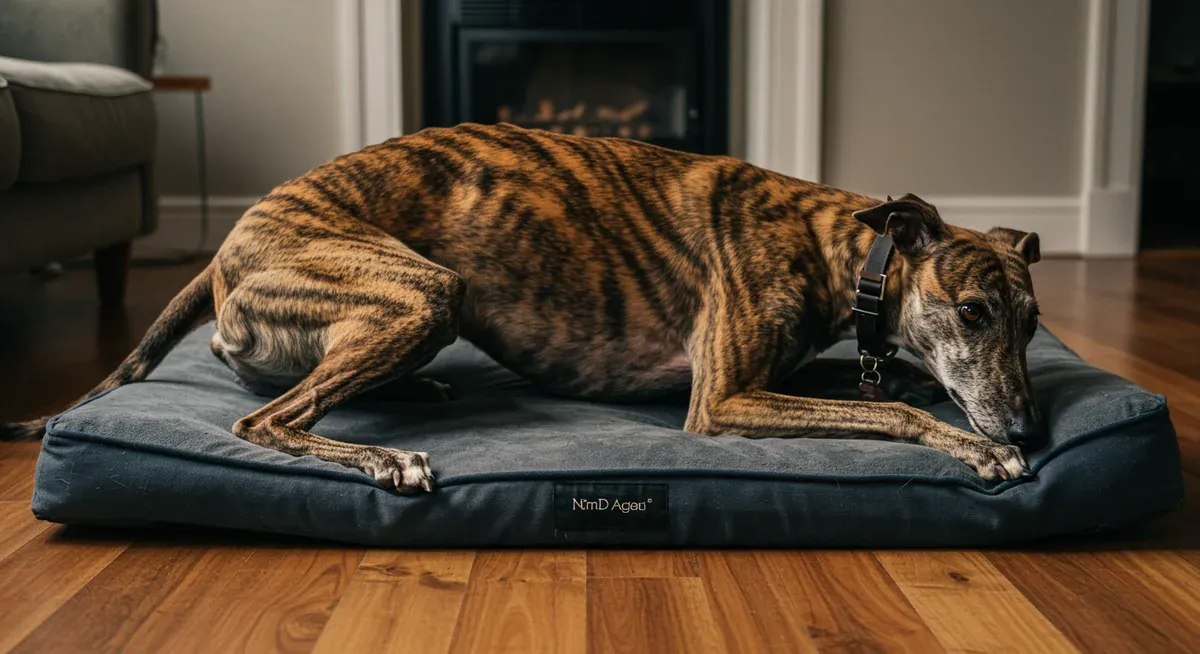
for bedding for these tall, lean athletes, context matters enormously. Research tells us that their minimal body fat creates specific challenges that most standard dog beds simply aren't designed to address. The combination of prominent bones and long limbs means they need both superior cushioning and generous sizing.
For more information, see our guide on joint support for large breed dogs.These dogs are particularly prone to developing pressure sores and calluses when their joints repeatedly contact hard surfaces. As they age, arthritis becomes increasingly common, making proper support even more critical. Their long limbs also require beds that accommodate a full stretch, something many standard-sized beds can't provide.
Temperature regulation presents another consideration. With their thin coats, many of these dogs get cold easily and may seek out extra warmth from bolstered beds or additional padding.
For more information, see our guide on managing orthopaedic conditions.The science behind orthopedic support
Studies focusing on orthopedic beds, particularly those featuring high-density memory foam, show measurable improvements in dogs' comfort and mobility. Research indicates that quality orthopedic beds can improve dogs' gait and reduce morning stiffness by contouring to the body and relieving joint pressure.
The key lies in how memory foam responds to body heat and weight, creating a custom fit that distributes pressure evenly across the surface. This even distribution prevents the concentrated pressure points that lead to sores and discomfort in lean breeds.
For optimal results, look for CertiPUR-US certified foam, which ensures the material is free from harmful chemicals and off-gassing. High-density foam maintains its supportive properties longer than lower-density alternatives, making it particularly valuable for larger breeds that put more stress on their bedding.
For more information, see our guide on health considerations for large breeds. For more information, see our guide on supplements for joint and bone health.Sizing and placement considerations
Proper sizing makes the difference between a bed your dog tolerates and one they truly love. Measure your dog from nose to tail when they're fully stretched out, then add several inches to ensure they have adequate space. Most Greyhounds need beds in the extra-large category, with rectangular shapes typically working better than round or oval options.
Consider your dog's sleeping habits when selecting placement. Some prefer open areas where they can stretch freely, while others seek out corners or spaces with natural boundaries. If your dog tends to dig or circle before settling, choose a bed with a durable cover that can withstand this natural nesting behaviour.
Temperature also influences placement preferences. Dogs that run cold may prefer beds positioned away from drafts or in naturally warmer areas of the home.
Top bed types for comfort and support
Orthopedic memory foam beds represent the gold standard for joint support. Products like the Animals Matter Ortho Rectangle Companion-Pedic Luxury Dog Bed feature high-density memory foam with CertiPUR-US certification and faux fur covers for added comfort. The Big Barker Bed offers veterinarian recommendations and a 10-year guarantee that the foam won't flatten.
Elevated cot-style beds provide excellent alternatives, particularly for dogs with mobility issues. Kuranda beds distribute weight evenly across the surface, eliminating pressure points entirely. They're also remarkably easy to clean and maintain, simply requiring occasional hosing down.
Bolster or donut-style beds work well for dogs who prefer to curl up, providing raised edges for head and neck support. However, ensure these beds are large enough to accommodate stretching when your dog wants to change positions.
Cooling gel beds offer temperature regulation benefits, particularly useful for dogs in warmer climates or those sensitive to heat buildup.
Practical selection and maintenance
Beyond basic comfort, consider practical factors that affect long-term satisfaction. Removable, machine-washable covers are essential for maintaining hygiene, especially important for older dogs or those prone to accidents. Waterproof or water-resistant covers provide additional protection for the foam core.
Check foam density specifications when comparing products. Higher density foam offers better support and longevity, particularly important for larger breeds. While the initial investment may be higher, quality beds often prove more economical over time by maintaining their supportive properties longer.
Durability varies significantly between products. While these dogs are generally gentle on their bedding, some may dig or circle before lying down. Look for reinforced stitching and quality fabric construction to ensure the bed withstands normal use.
Addressing common comfort issues
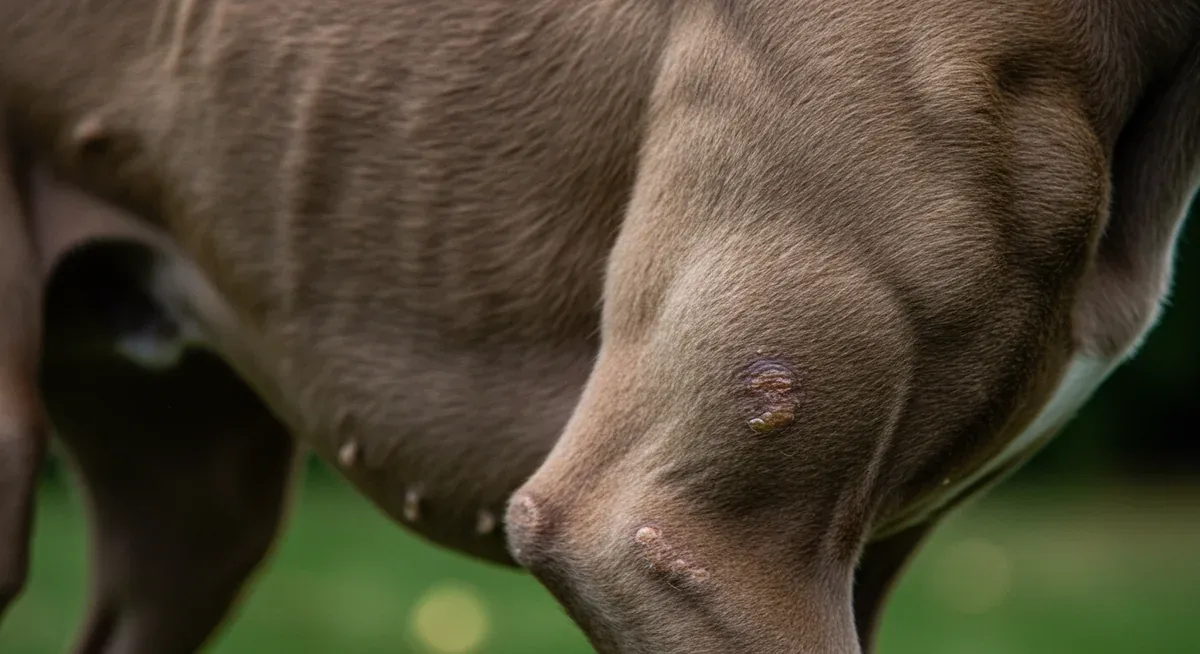
Pressure sores or calluses on elbows and hips signal inadequate cushioning. Switch to a thicker, orthopedic bed immediately and consult your veterinarian if existing sores don't improve within a few weeks. Sometimes rotating between different sleeping surfaces helps prevent recurring pressure point issues.
If your dog struggles to rise from their bed, particularly in the morning, consider an elevated cot-style option. The raised surface can make standing easier for dogs with joint stiffness or mobility limitations.
Persistent odours or difficulty cleaning indicate it's time for a bed with better maintenance features. Elevated designs that can be hosed down or beds with removable, machine-washable covers solve most hygiene challenges.
When to seek professional guidance
Certain signs warrant veterinary consultation beyond simple bed selection. Persistent stiffness, limping, or reluctance to lie down may indicate joint pain or arthritis requiring medical evaluation. Pressure sores that don't heal with improved bedding need professional attention to prevent infection.
Sudden changes in sleeping habits sometimes signal underlying health issues. If your previously comfortable dog suddenly seems restless or avoids their usual sleeping spots, schedule a veterinary examination to rule out medical causes.
Investment in quality bedding typically ranges from $150 to $300 for orthopedic options, with elevated beds falling between $100 and $200. While the upfront cost may seem significant, proper bedding can reduce long-term veterinary expenses associated with joint problems and skin issues. Many owners find that their dogs show improved mobility and comfort within just a few weeks of switching to appropriate bedding.
Veterinary experts at VCA Animal Hospitals recommend orthopedic bedding as an important component of managing joint pain and arthritis in dogs, particularly for lean-bodied breeds like Greyhounds who lack natural fat padding.