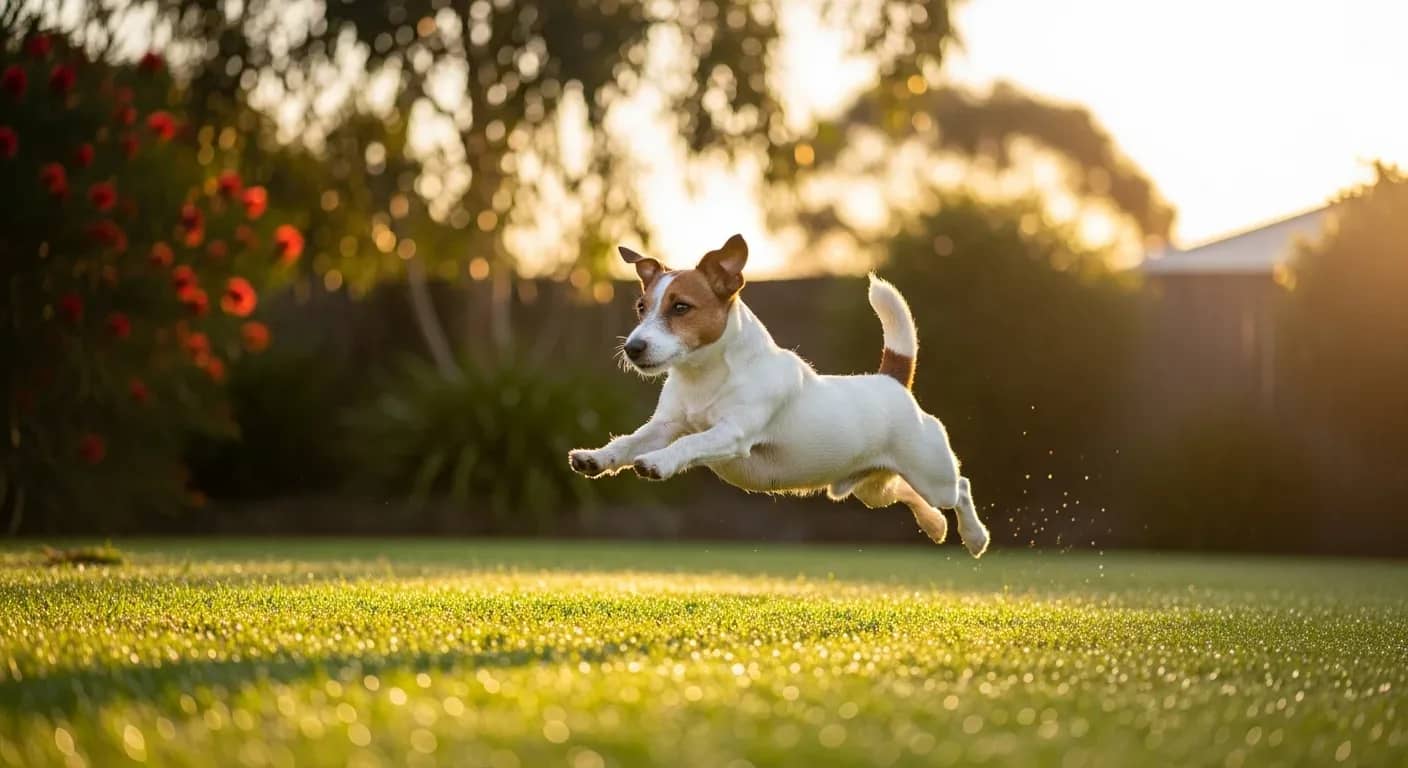

Have you noticed your normally cheerful dog becoming more anxious or unsettled lately? The key to calming your four-legged friend might be hidden in their gut health. While many pet owners focus on training or environmental changes to address behavioural issues, growing research suggests that a balanced gut microbiome plays a crucial role in your dog's emotional wellbeing.
The Hidden Link Between Gut Health and Behaviour
Recent studies have uncovered a fascinating gut-brain connection that significantly influences your dog's mood and behaviour. This gut-brain axis functions as a two-way communication system, with the gut microbiome producing essential compounds that impact both digestion and brain function. In fact, research suggests that up to 70% of behavioural disorders in dogs are linked to anxiety, which is directly influenced by gut health [Bernie’s, 2024].
Understanding this connection helps explain why dogs with digestive issues often display increased anxiety, restlessness, or unusual behaviour patterns. When the gut microbiome becomes unbalanced, it can trigger a cascade of effects that impact emotional stability and overall wellbeing.
🩺 Not sure if your dog needs gut support? Take our free Dog Health Assessment to get personalised digestive health recommendations in under 2 minutes.
The Science Behind a Calmer Canine
Your dog's gut is home to billions of beneficial bacteria that produce essential compounds, including neurotransmitters like serotonin, often called the 'happy hormone.' A balanced gut microbiome helps regulate mood and behaviour, but factors such as stress, poor diet, or medications can disrupt this delicate ecosystem, leading to digestive issues and behavioural changes [NativePet, 2023].
Research indicates that gut health affects behaviour in various ways, from influencing anxiety levels to promoting emotional stability. Addressing gut health can lead to noticeable improvements in your dog's temperament and overall behaviour.

Practical Steps for Supporting Your Dog's Gut Health
1. Optimise Their Diet
Start with the basics by ensuring your dog receives a balanced, high-quality diet. Include foods rich in natural prebiotics, such as:
- Small amounts of pumpkin
- Sweet potato
- Green vegetables (when appropriate for your dog)
2. Consider Probiotic Support
Studies have shown that probiotics reduce anxiety and support emotional balance in dogs [PetCultures, 2023]. When introducing probiotics, start slowly and monitor your dog's response. Some dogs may experience temporary digestive adjustments as their gut microbiome rebalances.
3. Manage Stress Factors
While improving gut health, it's essential to minimise environmental stressors that could impact your dog's digestive system. This might include:
- Maintaining consistent feeding schedules
- Providing a quiet space for meals
- Avoiding sudden diet changes
- Creating a calm environment during feeding times
The Role of Prebiotics and Probiotics
Prebiotics act as food for beneficial gut bacteria, helping to maintain a healthy intestinal environment. They work alongside probiotics to support the gut-brain connection, potentially helping with managing hyperactivity with probiotics and other behaviour-related concerns.

Signs Your Dog's Gut Health Needs Attention
Watch for these indicators that might suggest your dog's gut health needs support:
- Increased anxiety or restlessness
- Changes in appetite
- Irregular digestive patterns
- Mood swings or unusual behaviour
- Excessive scratching or skin issues
- Bad breath or frequent gas
Building a Supportive Routine
Creating a gut-healthy lifestyle for your dog involves more than just dietary changes. Consider these additional tips:
- Regular exercise to promote healthy digestion
- Consistent meal times to support digestive rhythm
- Fresh, clean water always available
- Limiting treats and human food that might disturb gut balance
- Regular vet check-ups to monitor progress
Monitoring Progress and Making Adjustments
As you work on improving your dog's gut health, keep track of both behavioural and physical changes. You might notice:
- Calmer behaviour during typically stressful situations
- More consistent energy levels
- Improved sleep patterns
- Better appetite regulation
- More regular digestive habits
When to Seek Professional Help
While supporting your dog's gut health can lead to significant improvements in their behaviour and wellbeing, some situations require veterinary attention. Consult your vet if you notice:
- Sudden or severe behaviour changes
- Persistent digestive issues
- Signs of distress or discomfort
- Lack of improvement despite dietary changes
A Whole-Dog Approach to Canine Wellbeing
Remember that supporting your dog's gut health is part of a complete approach to their overall wellbeing. Combine these gut health strategies with:
- Regular exercise
- Mental stimulation
- Consistent training
- Proper grooming
- Regular veterinary care
How Probiotics Work in Your Dog's Gut
Your dog's gut contains trillions of microorganisms, bacteria, yeasts, and other microbes, that make up the gut microbiome. Probiotics introduce beneficial bacteria, particularly Lactobacillus and Bifidobacterium species, that help crowd out harmful pathogens, support nutrient absorption, and produce short-chain fatty acids that nourish the gut lining. Crucially for behaviour and mood, a balanced microbiome helps regulate serotonin production, the neurotransmitter that stabilises mood and promotes calm. When the balance tips toward harmful bacteria, digestion falters, inflammation rises, and your dog's stress response can become overactive. Regular probiotic supplementation helps restore this balance, creating a steadier internal environment that supports calm, settled behaviour over time.
What to Look for in a Dog Probiotic
Not all probiotic supplements are created equal. When choosing one for your dog, consider:
- Strain specificity: Look for clinically studied, dog-appropriate strains like Lactobacillus acidophilus, Bifidobacterium animalis, and Saccharomyces boulardii
- CFU count: A meaningful dose typically falls between 1–10 billion colony-forming units (CFUs) per serve
- Stability: Some strains are heat-sensitive; look for products that guarantee viability through the expiry date
- Format: Chews, powders, and capsules all work, choose whatever your dog accepts most easily
- Transparency: Reputable brands publish their strains, CFU counts, and testing methods clearly on the label
How Long Before You See Results?
Most owners notice improvements in their dog's digestion within 7–14 days of consistent probiotic use. Behavioural shifts, such as reduced restlessness or calmer responses to everyday triggers, often take a little longer, typically 3–6 weeks, as the gut microbiome takes time to rebalance. Daily consistency matters; skipping doses slows the recolonisation process significantly. If you see no meaningful change after 8 weeks, consult your vet, your dog may need a different strain combination or a closer look at diet.
Related Reading
- Stress and the gut: how probiotics play a role
- Dysbiosis in dogs: understanding gut imbalance
- Gut health and behaviour: understanding your dog's mood swings
A Vet's Perspective
"The gut-brain connection in dogs is well-established in veterinary research. Supporting the microbiome with a quality probiotic, used consistently alongside a balanced diet, is one of the most practical evidence-based steps dog owners can take to support both digestive health and emotional wellbeing."
Reflects the general consensus in current veterinary gut health literature