
When your dog experiences diarrhea, it can be distressing for both you and your furry companion. Persistent digestive issues can lead to dehydration, nutrient deficiencies, and a weakened immune system if left untreated. Fortunately, probiotics offer a natural and effective way to support your dog's digestive health, helping to restore balance and alleviate discomfort.
Understanding Probiotics and Your Dog's Gut Health
Your dog's digestive system is home to billions of beneficial bacteria that play a vital role in digestion, immunity, and overall well-being. When this balance is disrupted, due to stress, dietary changes, illness, or medication, it can lead to digestive upset, including diarrhea. Following proper gut health tips for dogs can help maintain this balance and prevent issues before they arise.
How Probiotics Work to Combat Diarrhea
Probiotics are beneficial microorganisms that support your dog's digestive system in several ways. They help:
- Encourage the growth of beneficial bacteria
- Improve nutrient absorption
- Strengthen immune system function
- Inhibit harmful bacteria that contribute to diarrhea
- Maintain the protective barrier in the gut
Choosing the Right Probiotic Strains
Not all probiotics are equally effective, and selecting the right strains is essential for managing diarrhea. Research highlights several strains that are particularly beneficial for canine digestive health:
- Saccharomyces boulardii: A beneficial yeast that helps combat various types of diarrhea and supports gut recovery.
- Lactobacillus acidophilus: Aids digestion and helps maintain a healthy bacterial balance in the intestines.
- Bifidobacterium animalis: Known for improving digestive function and enhancing immune response.
- Bacillus subtilis/Bacillus velezensis: Supports gut flora balance and reduces harmful pathogens.
- Enterococcus faecium: May assist in maintaining gut health, though research on its effectiveness for diarrhea varies.
Timing and Implementation
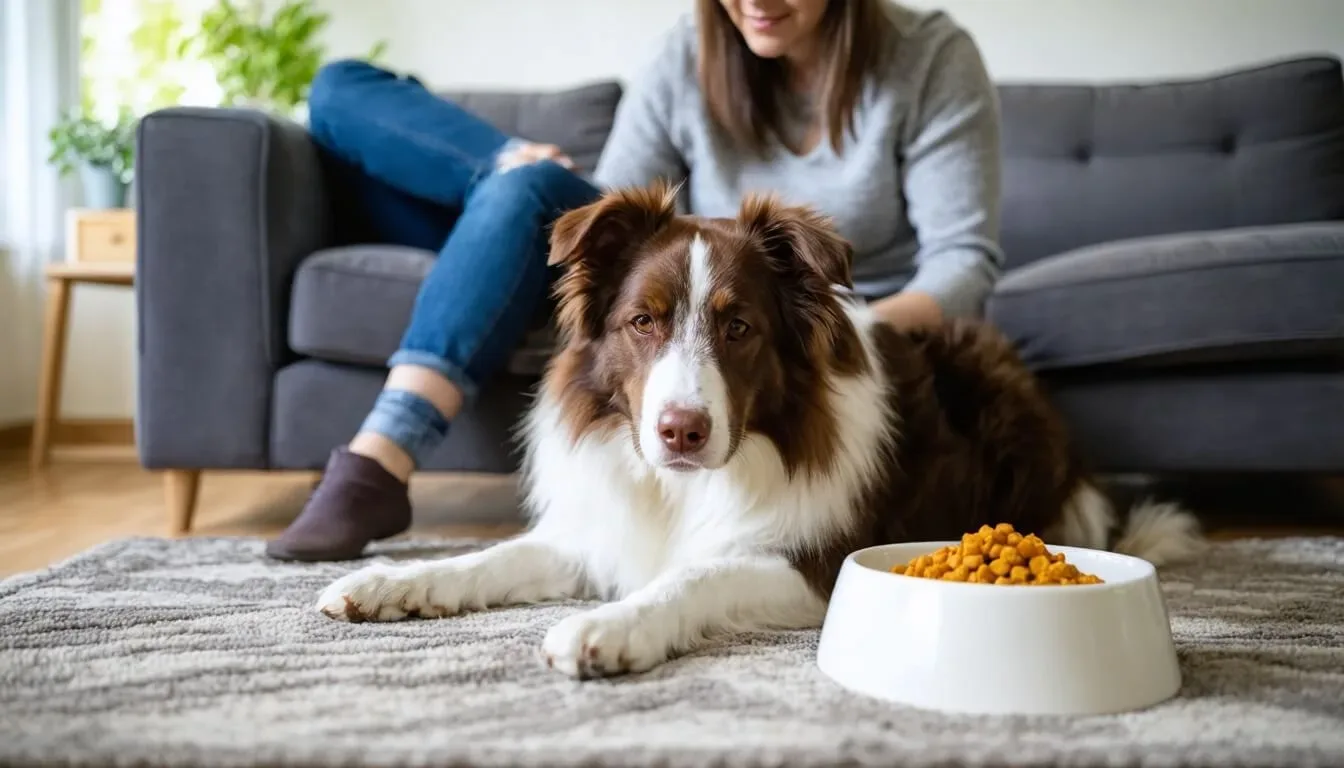
When introducing probiotics to your dog's routine, timing and method are crucial. For dogs experiencing acute diarrhea, probiotics can be particularly beneficial when introduced early. However, signs your dog needs probiotics may extend beyond digestive issues, affecting their overall mood and well-being.
Starting Slowly
Begin with a smaller dose than recommended and gradually increase it over several days. This approach helps minimise any potential digestive upset that might occur when introducing new bacteria to your dog's system.
Potential Challenges and Solutions
While probiotics are generally safe, some dogs may experience temporary digestive changes when first starting them. This is normal and usually resolves within a few days. If your dog seems sensitive, consider these strategies:
- Mix the probiotic with a small amount of food
- Divide the daily dose into multiple servings
- Ensure consistent timing of administration
- Monitor your dog's response closely
Beyond Digestive Health
The benefits of probiotics extend beyond managing diarrhea. Research suggests that probiotics for senior dogs can support immune function and overall vitality as they age. Also, probiotics for skin allergies have shown promise in improving skin health through the gut-skin connection.
When to Seek Veterinary Care
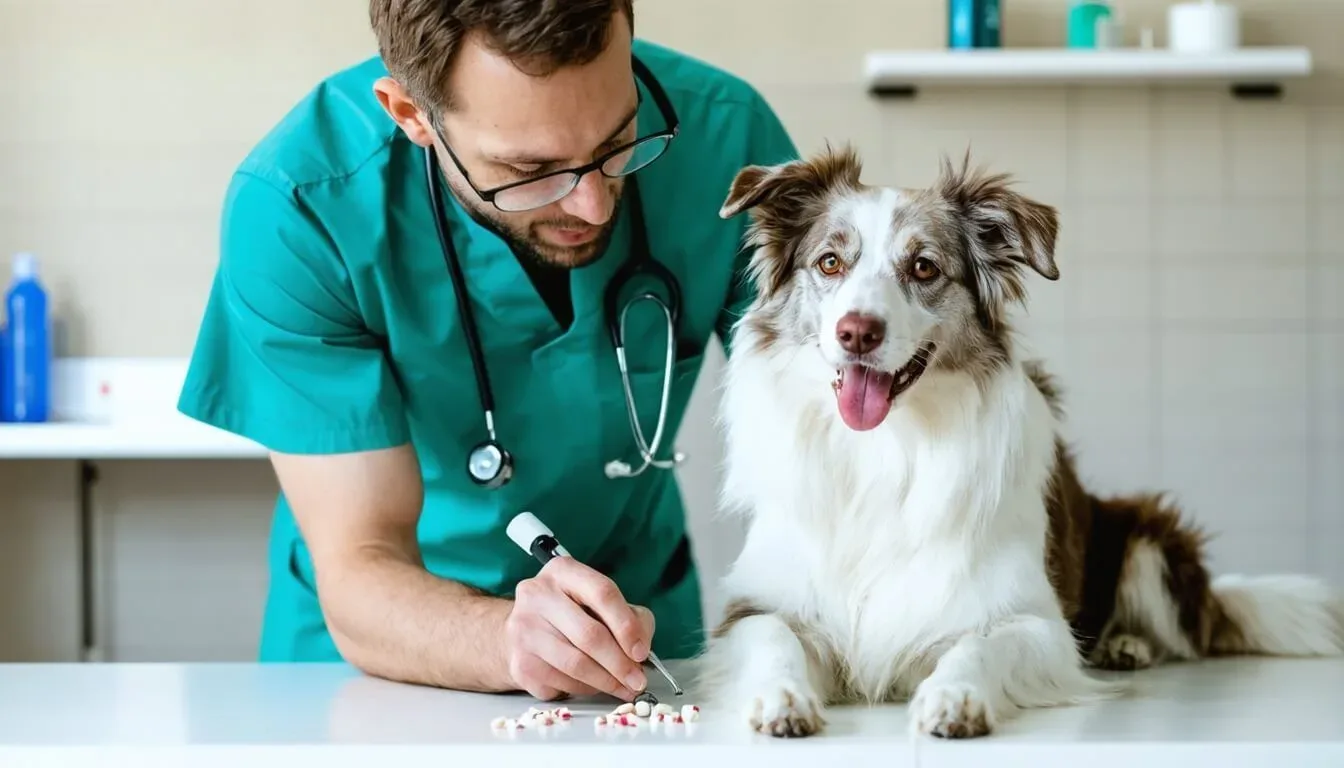
While probiotics can help manage mild cases of diarrhea, some situations require immediate veterinary attention:
- Blood in the stool
- Severe lethargy
- Loss of appetite
- Fever
- Diarrhea lasting more than 48 hours
- Signs of dehydration
Maximising Probiotic Benefits
To ensure your dog gets the most from probiotic supplementation:
- Store properly: Follow package instructions to maintain potency.
- Time administration: If your dog is on antibiotics, give probiotics at least two hours apart.
- Choose quality supplements: Look for products specifically formulated for dogs with guaranteed live bacterial counts.
- Support with diet: Incorporate prebiotic-rich foods to nourish beneficial bacteria.
The Role of Prevention
Probiotics are for treating diarrhea, they can also help prevent digestive issues. Regular supplementation supports a balanced gut environment, potentially reducing the frequency and severity of digestive disturbances. Dogs prone to stress or dietary sensitivities may particularly benefit from ongoing probiotic support.
Lifestyle Factors
Probiotics work best as part of a complete approach to gut health. Consider these additional factors:
- Maintain a consistent feeding schedule
- Avoid sudden diet changes
- Provide fresh, clean water
- Manage stress levels
- Ensure regular, appropriate exercise
Also, probiotics for hyperactive dogs have shown potential in supporting behavioural balance through the gut-brain connection.
Moving Forward with Confidence
Managing canine diarrhea can be challenging, but understanding how probiotics work gives you a valuable tool for supporting your dog's health. Remember to:
- Introduce probiotics gradually and monitor your dog's response
- Choose high-quality supplements designed for dogs
- Maintain consistency in administration
- Support probiotic use with a balanced diet and healthy lifestyle
- Consult your veterinarian for persistent or severe symptoms
How Probiotics Support Your Dog's Gut Recovery
Probiotics work by introducing beneficial bacteria, particularly Lactobacillus and Bifidobacterium species, into the gut environment. In the context of diarrhoea, these bacteria help crowd out harmful pathogens, produce antimicrobial substances that inhibit disease-causing organisms, and restore the protective mucous layer of the gut. They also help regulate gut motility, which addresses both the too-fast movement that causes loose stools and the inflammation that can perpetuate ongoing digestive upset. Critically, probiotics support tight junction integrity in the gut wall, reducing "leaky gut", a common consequence of antibiotic use or acute digestive illness, that allows toxins and undigested proteins to enter the bloodstream.
What to Look for in a Probiotic for Diarrhoea
For diarrhoea-specific situations, strain selection is particularly important. The most evidence-backed options for canine digestive recovery include:
- Saccharomyces boulardii: A beneficial yeast (not a bacterium) that is highly resistant to antibiotics, making it valuable during or after antibiotic treatment
- Lactobacillus acidophilus: Helps rebalance gut bacteria rapidly and supports intestinal lining repair
- Enterococcus faecium: Has a strong track record for managing acute diarrhoea in dogs when sourced from a reputable, tested supplement
- Multi-strain formulas: Products combining 3–5 strains tend to offer more strong recovery support than single-strain options
How Long Before You See Results?
For acute diarrhoea, most dogs show improvement within 3–5 days of consistent probiotic use when combined with appropriate diet management (e.g. a bland diet of boiled chicken and rice). Chronic or antibiotic-associated diarrhoea typically requires 2–4 weeks of supplementation to fully resolve. If diarrhoea persists beyond 48–72 hours, or if your dog shows signs of dehydration, sunken eyes, dry gums, lethargy, consult your vet immediately. Probiotics are supportive, not a replacement for veterinary assessment when symptoms are severe.
A Vet's Perspective on Probiotics for Diarrhoea
"Probiotics are one of the first supportive tools I recommend for dogs with acute or antibiotic-associated diarrhoea. They're safe, well-tolerated, and the evidence for specific strains, particularly Saccharomyces boulardii, is genuinely compelling. The key is choosing a quality product with proven strains and using it consistently."
Reflects the current consensus in veterinary gastroenterology literature