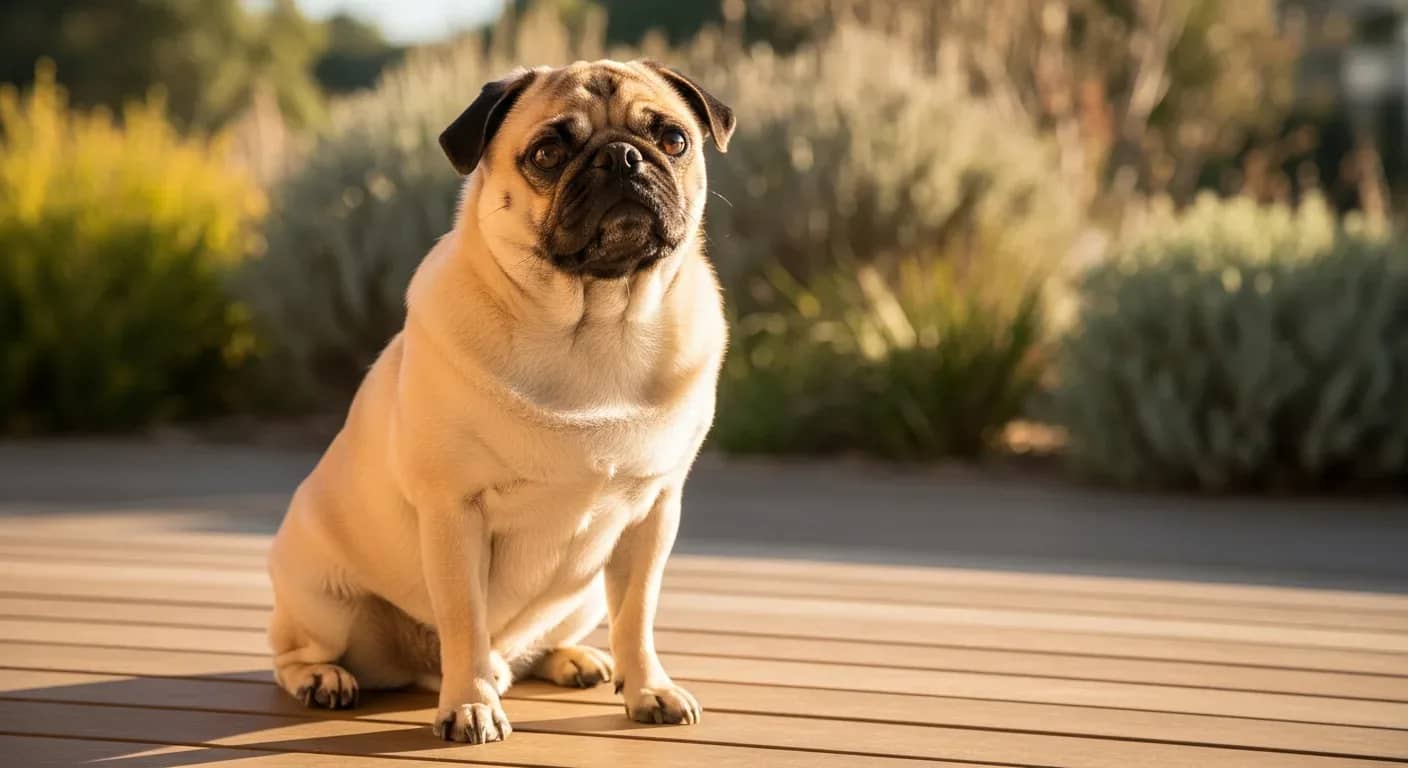

Pugs punch well above their weight when it comes to personality, and many owners are pleasantly surprised to discover they also hold their own on lifespan. But with a body shape that creates real health challenges, how long a pug lives depends heavily on what happens under your roof. This guide covers what the research says, what shortens pug lives, and what you can do to tip the odds in your dog's favour.
How Long Do Pugs Live in Australia?
The typical pug lifespan in Australia is 12 to 15 years, which is longer than many people expect from a brachycephalic breed. A 2025 study on pug demography and causes of mortality, which analysed records from 691 pugs under primary veterinary care, found a median age at death of 10 years, with many dogs living into their early teens. The gap between 10 and 15 reflects how much lifestyle and management matter.
Female pugs tend to outlive males by roughly a year. Desexed dogs also show better longevity than entire dogs, likely because they avoid reproductive cancers and the hormonal stresses that come with breeding cycles.
For context, the average lifespan across all dog breeds in Australia sits around 11 to 13 years. Pugs land in that range, meaning a well-cared-for pug is not at a disadvantage compared to the average dog.
What Age Is Considered Old for a Pug?
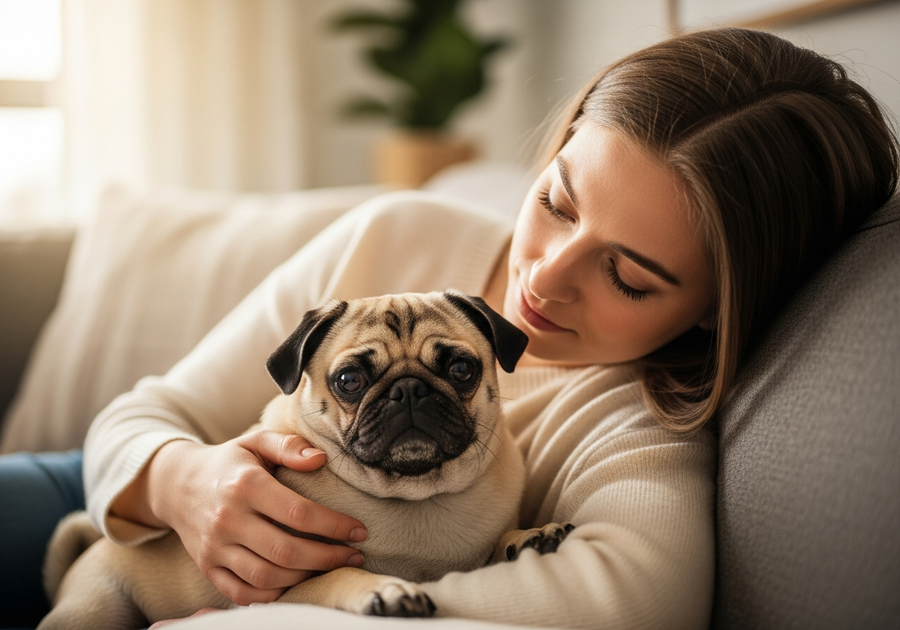
Most vets consider a pug to be a senior from around 8 years of age. This is slightly earlier than some small breeds because the physical demands of their anatomy, particularly the effort required to breathe and regulate body temperature, accumulate over time.
A pug reaching 12 or 13 years is doing genuinely well. Dogs that make it past 14 tend to have had excellent management of their weight, breathing, and eyes throughout their life, combined with a degree of genetic good luck. The oldest verified pug on record reportedly reached 27 years, though figures that extreme should be taken with a healthy dose of scepticism.
What does "old" look like in a pug? Slower pace on walks, more time napping, sometimes increased snoring or breathing effort, and greying around the muzzle. These are normal aging signs. Sudden changes in breathing, eating, or coordination are worth a vet visit.
The Main Health Conditions That Affect Pug Lifespan
Understanding what shortens pug lives is the most useful thing you can do as an owner. pug health problems cluster into a few predictable categories, and knowing what to watch for lets you act early.
Brachycephalic Airway Obstruction Syndrome (BAOS)
This is the big one. Pugs have compressed skulls and excess soft tissue in their upper airways, which means every breath is harder work than it should be. BAOS affects exercise tolerance, sleep quality, heat regulation, and overall cardiovascular stress. Dogs with untreated BAOS have measurably shorter lives. Surgery to widen the nostrils and shorten the soft palate is available and has strong outcomes when done before irreversible damage sets in.
Pug Dog Encephalitis (PDE)
PDE is a fatal inflammatory brain disease that affects pugs specifically. It is thought to have a genetic basis and typically strikes dogs between 2 and 7 years of age. There is no cure, and affected dogs decline rapidly. Responsible breeders screen for genetic markers associated with PDE risk. This is one reason why buying from a health-tested breeder matters for this breed.
Eye Disease
Pugs' protruding eyes are vulnerable to corneal ulcers, dry eye (keratoconjunctivitis sicca), and entropion. Untreated eye conditions cause chronic pain and can lead to blindness, which in turn reduces quality of life and, in severe cases, can prompt end-of-life decisions earlier than necessary. Routine eye checks and prompt treatment of any squinting, discharge, or redness can extend comfortable life significantly.
Spinal Problems
Hemivertebrae, a condition where wedge-shaped vertebrae form during development, is relatively common in pugs. Mild cases cause no obvious symptoms. More severe cases lead to spinal cord compression, pain, and progressive hind limb weakness. Obesity makes spinal issues significantly worse by adding load to an already compromised structure.
Obesity
Pugs love food and will overeat if allowed to. Carrying extra weight puts additional strain on their breathing, joints, and heart, and is directly linked to shortened lifespan in the research. A healthy pug at a healthy weight is a demonstrably longer-lived pug. This is one of the factors entirely within an owner's control.
What Is the Main Cause of Death in Pugs?
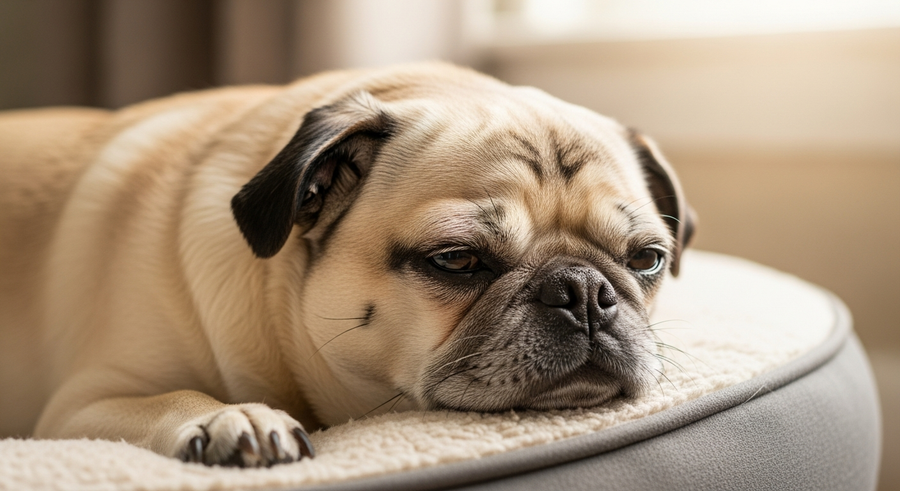
The leading causes of death in pugs are neurological conditions (including PDE), respiratory disease (primarily BAOS-related complications), and cancer. Together these account for the majority of deaths in the breed.
Respiratory complications are particularly significant because they often interact with other conditions. A pug already struggling to breathe has less reserve when facing surgery, infection, or any other health challenge. Managing airway health is, in that sense, central to managing overall longevity.
For a complete breakdown of what to watch for across each body system, our guide to common health problems in pugs covers symptoms and treatment options in detail. You can also take the free Hero Health Assessment to get a personalised supplement plan based on your pug's age, weight, and lifestyle.
How to Extend Your Pug's Lifespan
No intervention will override genetics, but the research is consistent: owner choices meaningfully affect how long and how well pugs live.
Keep Them Lean
Weight management is the single highest-leverage thing you can do. Aim for your pug to have a visible waist when viewed from above and ribs that are easy to feel but not prominently visible. If you are unsure whether your dog is at the right weight, your vet can body-score them at the next check-up.
Manage Their Environment
Pugs cannot cool themselves efficiently and can overheat rapidly in warm weather. In Australian summers, keep exercise to early mornings or evenings, ensure they have access to cool spaces, and never leave them in a car. Heat stress is a genuine killer for this breed. Air conditioning during heatwaves is not a luxury for pugs; it is a health measure.
Address BAOS Early
If your pug shows signs of significant breathing difficulty, including loud snoring at rest, gagging, exercise intolerance, or sleeping with their neck extended, seek a veterinary assessment. Early intervention with corrective surgery has much better outcomes than waiting until the dog is struggling significantly. Many vets recommend assessment before 18 months of age.
Protect Their Eyes
Check your pug's eyes daily. Any cloudiness, increased discharge, squinting, or pawing at the face warrants a same-day vet call. Corneal ulcers progress quickly and can cause permanent damage within 24 to 48 hours if untreated. This is not a "wait and see" situation for this breed.
Regular Vet Checks
Annual wellness checks catch problems early. Twice-yearly checks after age 8 are reasonable given how quickly senior dogs can change. Blood panels, eye pressure checks, and body weight monitoring across regular appointments give you a trend line that a single visit cannot provide.
Buy from Health-Tested Breeders
If you are still in the process of getting a pug, this matters enormously. Reputable breeders screen for PDE genetic markers, BAOS severity, and eye conditions before breeding. A pug with a healthier starting point will, on average, live longer with fewer costly interventions along the way.
End of Life Signs in Pugs
Knowing when a pug is nearing the end of their life allows you to make thoughtful decisions and give them comfort in their final period.
Signs that often indicate a pug is declining significantly include persistent loss of appetite, inability to stand or walk without assistance, laboured breathing even at rest, confusion or disorientation, and loss of interest in interaction. Any one of these in an older dog warrants a vet conversation about quality of life.
End-of-life decisions are deeply personal. Your vet can help you assess your dog's pain level and quality of life using structured tools, which can make an emotionally difficult conversation easier to navigate.
Pug Lifespan Compared to Similar Breeds
Pugs sit in an interesting position when compared to other brachycephalic breeds. French bulldogs, for instance, have a similar lifespan to pugs, typically around 10 to 12 years, but with a notably higher rate of serious health issues in the published literature. Pugs generally fare slightly better on longevity metrics, partly because the breed has more genetic diversity and a longer history of selection beyond extreme conformation.
Small non-brachycephalic breeds like Chihuahuas and Miniature Schnauzers frequently live 14 to 16 years. The structural challenges that define pugs' appearance do impose some cost on longevity, which is why proactive health management matters so much for this breed specifically.
If you are researching which breed to get and lifespan is a factor, it is worth comparing across several breeds. Our coverage of chihuahua lifespan and miniature schnauzer lifespan provides useful context.
Supporting Your Pug's Health Over the Long Term
Day-to-day management is what separates pugs that hit 14 from those that struggle past 10. Beyond weight control and environmental management, a few regular habits make a real difference.
Skin fold cleaning prevents dermatitis and secondary infections that, if chronic, drain the dog's immune resources. Dental hygiene reduces systemic inflammation. Moderate, low-impact exercise keeps muscles and joints functional without stressing the airway.
Supporting joint health becomes increasingly relevant as pugs age, particularly for those with mild hemivertebrae or any history of spinal issues. Learn more about dog joint health supplements and which ingredients have the strongest evidence base for daily support.
Gut health also plays a role in overall resilience and immune function as dogs age. For a general overview of how dietary and probiotic support can benefit senior dogs, visit Hero Pet Health for vet-reviewed guidance on daily supplementation.
The Bottom Line
The typical pug lifespan in Australia is 12 to 15 years, and reaching the higher end of that range is absolutely achievable. It requires active management of weight, breathing, eyes, and skin throughout the dog's life, but none of it is complicated. The owners whose pugs live longest are not doing extraordinary things; they are doing ordinary things consistently, catching problems early, and working with their vet rather than waiting for crises.
Your pug chose you as their person. The best thing you can do with that is make their years count.